Last updated November 17, 2026








Free written scope consultation - allowances, timeline, and change-order rules on paper before a single trade is scheduled
Home Renovation Warning Signs Every Homeowner Should Know
By the time demo is done and your bathroom is in pieces, most homeowners feel like they can’t fire their contractor. That’s exactly the moment when the most expensive warning signs appear. The vague answers about what turned up behind the tile. The request for another draw before the last milestone was finished. The silence that stretches from Tuesday to Friday. We’ve watched Whitney homeowners sit on these signals for weeks because they were afraid stopping the job would cost more than pushing through. It usually costs less, and you have more leverage than you think. This guide covers the mid-project red flags, how to document them so they actually protect you, and what a real communication standard looks like.
Quick Answer
The biggest warning signs of a bad contractor show up mid-project, not before you hire: vague answers about what was found during demo, requests for large cash draws before milestones are complete, and disappearing for days without communication. Each one is fixable if you document it in writing the same day and demand a written scope change. Left unaddressed, they’re how a $28,000 Whitney bathroom remodel becomes a $41,000 invoice.
Styles & brands we work with
- Kitchen remodeling
- Bathroom remodeling
- Home additions & ADU
- Roofing
- Windows & doors
- Driveway & pavers
- Fence
Table of Contents
- Mid-Project Red Flags Most Guides Don’t Cover
- How to Document Problems in Real Time
- Legitimate Scope Change vs. Invoice Inflation
- When the Contractor Disappears for Days
- The Nevada Contractor Complaint Process
- What “We’ll Keep You Posted” Actually Means vs. a Real Standard
- Your Right to Stop Work and Demand Accountability
- Common Mistakes to Avoid
Mid-Project Red Flags Most Guides Don’t Cover
Most articles about bad contractors are really articles about bad hiring decisions. They focus on license checks, references, and reading the fine print. Useful, but by the time you’ve signed a contract and a crew has pulled up to your house, those screens are behind you. The flags that matter now look different.
Here’s what we mean. Suppose your Whitney remodel is two weeks in and the tile guy says, “We found some rot under the subfloor, it’s going to be more.” That might be true. Rot in Whitney’s older housing stock near the 89122 zip is common, especially in bathrooms that have had a slow leak running for years. But the sentence itself is not a scope change. It’s a signal to ask for one in writing.
- Vague demo findings. “There’s some stuff we have to deal with” is not an answer. You want photos, a description of what was found, and a written change order with the dollar amount before any new work starts.
- Cash draw requests before milestones. If your contract says the second payment is due after rough-in inspection, don’t release it because someone is “running a little short this week.” That’s not your problem to solve.
- Multi-day silence. A day of radio silence on a busy crew isn’t unusual. Three days without a text, call, or photo update is a pattern. Two weeks of it usually means the crew is on another job site.
- New faces every visit. Subcontractors rotating through is normal. A different “lead guy” every time, with nobody who has read the plans, is not.
- Pivot to more work. Mid-project upsell – “while we’re in here, we could do the whole thing” – is a sales tactic, not a construction necessity.
None of these mean the contractor is a fraud. They mean you need the information in writing. A crew that resists putting demo findings on paper is telling you something.
How to Document Problems in Real Time
Here’s the uncomfortable truth: the homeowner who keeps good records almost always wins the dispute. The homeowner who relied on verbal promises almost always loses it. That’s true in Nevada and it’s true everywhere. The good news is that documentation takes about ten minutes a week and costs nothing.
- Photograph everything on the day it appears. The pile of debris blocking your hallway. The missing outlet cover. The subfloor corner someone cut. Timestamped phone photos are the most useful record you can make. Take a wide shot and a close shot of the same problem.
- Put requests in writing the same day. A text counts. A text that says “Hey, I noticed the shower pan is sitting in the driveway uncovered while it rains. Can we get it tarped before tonight?” creates a record. If it fails later, that message is evidence.
- Follow up verbal conversations with a summary text. “Just to confirm what we talked about today: you said the subfloor repair is $1,400 and that’s a change order you’ll send me before starting. Correct?” Screenshot when they reply yes.
- Keep every change order signed by both parties. If someone hands you a napkin number, retype it, send it back, and get a yes. An unsigned change order is a suggestion.
- Track your draws against the contract calendar. A simple spreadsheet with columns for date, milestone, amount, and status is enough. When someone asks for money out of sequence, you can say no with a paper trail.
- Email yourself a monthly summary. One paragraph, dated. “As of March 14, rough-in is complete, tile is not started, one unsigned change order is pending for $1,400.” This isn’t paranoia. It’s the same discipline any project manager uses.
If this sounds like a lot of work, compare it to the alternative: a two-month dispute over a $6,000 invoice with no photos of the work as it existed.
Legitimate Scope Change vs. Invoice Inflation
Some scope changes are real and unavoidable. Hidden water damage. A joist that was fine on inspection day and clearly isn’t now. An HVAC chase the original plans didn’t show. In Whitney, we see genuine surprises most often in 1990s-era homes where a prior owner did their own plumbing, and in remodeled kitchens where the old countertop hid rotted cabinet bases.
A legitimate scope change has a specific shape:
- It’s identified by a photo, not just described.
- It’s priced in writing before the work is performed, not after.
- It’s itemized – labor, materials, permit impact if any.
- It’s signed off by you before anyone touches the new work.
- It fits the phase of construction you’re in. Subfloor repair during demo? Normal. “We discovered the electrical needs to be redone” three weeks after the walls closed up? Suspicious.
An inflated scope change looks different. It’s usually one lump sum. It appears on the invoice at the end, not before. It references work that “had to be done” without a photo. And it’s often presented as a surprise when you’re being handed the final bill. If a change comes to you after the fact, your response is the same every time: “Send me the photos, the itemization, and the date it was performed. I’ll review and respond within 48 hours.”
Legitimate contractors won’t flinch at that request. The other kind will push back on the delay. That reaction, by itself, tells you which one you’re dealing with.
When the Contractor Disappears for Days
Communication gaps mid-project are where trust dies, and where the most money gets lost. If your crew goes dark for three business days without a reason and without an ETA, don’t wait a fourth.
Here’s the sequence that protects you:
- Send a written message the same day the silence becomes a pattern – not a phone call, a text or email. “Hey, haven’t heard from you since Monday. Project is scheduled to have tile started this week. When is the crew coming back, and who should I contact if you’re unavailable?”
- Give 48 hours. Crews do get called to emergency repairs and legitimate scheduling shake-ups do happen.
- If silence continues, send a formal notice. “Per section 4 of our contract on schedule, I’m formally requesting a written updated schedule within 5 business days. Please respond in writing.”
- Contact the Nevada State Contractors Board. They’re the licensing body and they do take schedule-abandonment complaints seriously if a project is stalled for 30-plus days. Details below.
Documentation creates a record of when communication broke down. Without it, “he disappeared for three weeks” is your word against his. With it, you have a date-stamped timeline.
The Nevada Contractor Complaint Process
Here’s what most people don’t know: Nevada has one of the more responsive contractor regulatory systems in the country, and it’s not the place many homeowners think to call first. The Nevada State Contractors Board (NSCB) licenses contractors, investigates complaints, and can require a contractor to correct work or pay restitution. It handles cases where a licensed contractor performed defective work, abandoned a job, or violated the contract in ways the license covers.
How the process works in practice:
- You file a complaint through the NSCB – online or in writing. There’s a specific form. You’ll need your contract, change orders, payment records, and photos.
- The board sends an investigator. For a Whitney project, that usually happens within a few weeks. The investigator reviews your documentation and inspects the work.
- The contractor gets a chance to respond and correct. Many cases close here with the work completed at no additional cost to you. That’s usually the best outcome for everyone.
- If the contractor refuses, the board can take license action. That can include fines, suspension, or restitution orders. Real outcomes, but slow – expect months, not weeks.
- The board can’t get blood from a stone. If the contractor is unlicensed or insolvent, restitution is limited. This is why checking the license before hiring matters more than any other step.
Use the complaint process as leverage and as backup. It works better when supported by the kind of documentation we described earlier. It works less well when the homeowner has nothing but texts promising “it’ll be fixed soon.” The best result is getting the work corrected before a complaint is ever filed.
What “We’ll Keep You Posted” Actually Means vs. a Real Standard
Ask a contractor how they handle communication and you’ll usually hear some version of “we’re really good about staying in touch.” That’s not a standard. It’s a personality trait. A real communication standard has measurable components.
The Relay Visibility Guarantee – the standard we work under at Sawyer Remodeling Whitney – is a good example of what to look for. It has three specific promises:
- A live arrival time on the day of work. Not a four-hour window. Not a morning or afternoon. An actual time you can plan around, and the ability to track updates if it shifts.
- Photo updates before and after the day’s work. Not a photo at the end of the project. Photos at every session, so you can see what’s happening without walking into the noise.
- A written price before any work starts. Not a verbal ballpark. A written number that becomes the number on the invoice.
That last one matters most for scope changes. If a demo finding requires a change, you should see the written price before the crew picks up a single tool. Our no-hassle upfront pricing means the number on the final invoice has to match what you approved. Not “we’ll see what the invoice ends up at.” The approved number.
Compare that to a contractor whose communication plan is “we’ll call if there’s a problem.” That means you hear from them when it’s already expensive. A real standard means you hear from them before anything goes sideways.
Your Right to Stop Work and Demand Accountability
Here’s the point most homeowners miss: you can stop work. You don’t need permission. You don’t need a lawyer in the room. If your contract is being violated – missed payment milestones in reverse, work outside the written scope, or abandonment – you have the right to pause the project and demand a written response before it resumes.
Three things to know going in:
- Read your contract’s stop-work section now, not later. Most contracts have language on what happens if either party halts work. Do you owe a fee? Is there a cure period? Understanding this before you need it protects you.
- Stop work in writing. “I am requesting that all work pause until we resolve X in writing. I am withholding the next draw until we have an updated signed scope.” Do not do this verbally.
- You can stop paying, too. If the contractor is out of contract sequence on payments or has failed a milestone, you don’t owe the next draw. Withholding money is not the same as owing it.
Stopping work mid-project feels drastic. It almost always costs less than finishing a project with a contractor you already know is running out of rope. A team that operates under The Relay Visibility Guarantee will pick the work back up as soon as you say go. A team that doesn’t will tell you stopping is impossible. That reaction is your answer.
Common Mistakes to Avoid
- Trusting verbal change orders. “Yeah, we’ll add that to the final bill” is how a $4,200 change becomes $9,000 later. Get every change in writing before work begins, even small ones.
- Ignoring the timeline. If a Whitney project that was quoted at three weeks is in week six with tile not started, the schedule has already failed. Documenting the delay on the day it appears matters more than the exact cause.
- Paying in cash. Cash creates no paper trail and offers no leverage if the work is defective. Use a check, a card, or the digital invoice link your contractor provides.
- Letting the crew “work around” a known problem. If you see water damage and don’t want to pay for the repair, the wrong move is to close the walls anyway. That rot gets worse and the next repair is more expensive.
- Releasing the final draw before punch list is done. Hold the last payment until everything on the written punch list is signed off. Not “mostly done.” Done.
- Skipping photos on quiet days. Most disputes are about conditions that were fine at the time and bad later. Photos on the quiet days are what make the loud drawings truthful.
- Not reading the warranty language. Ask exactly what’s covered and for how long. Our 365-Day Done Right Promise exists because “we stand behind our work” means nothing without a term and a remedy.
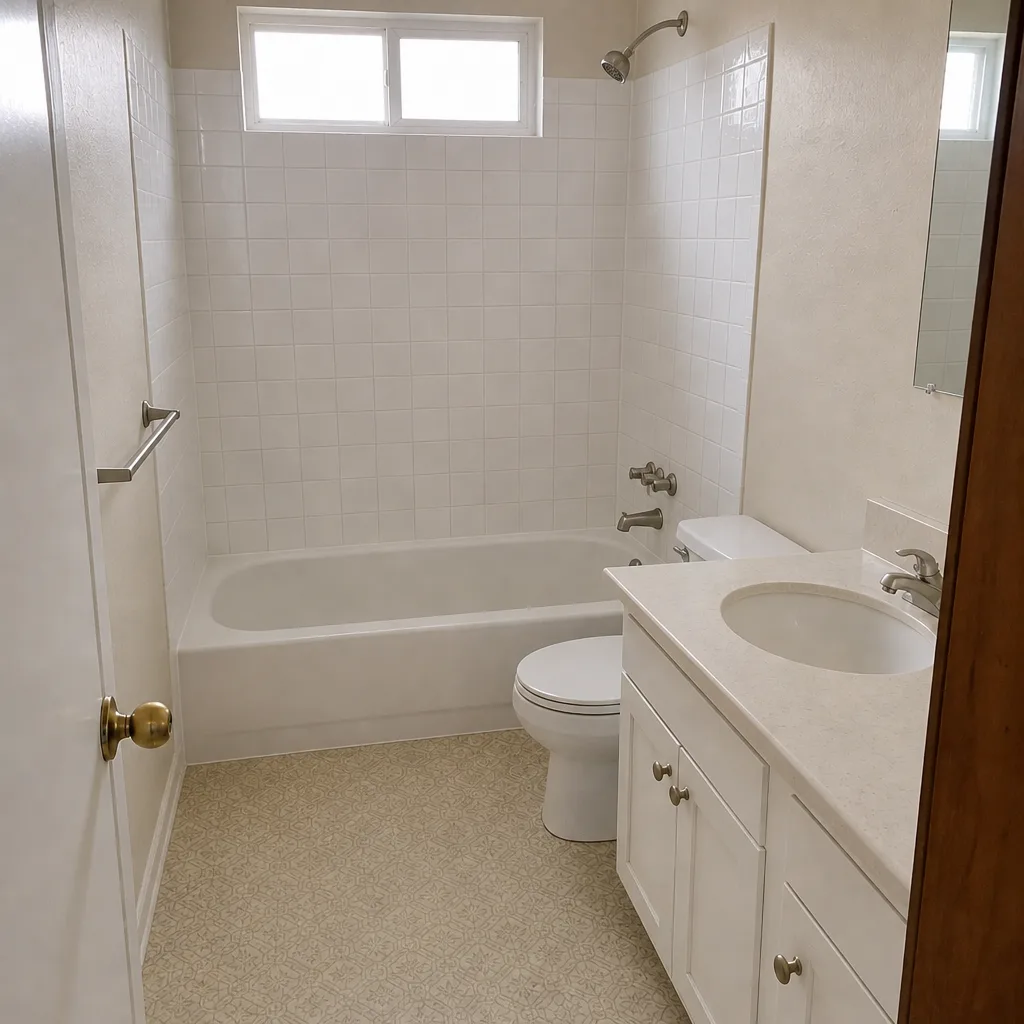
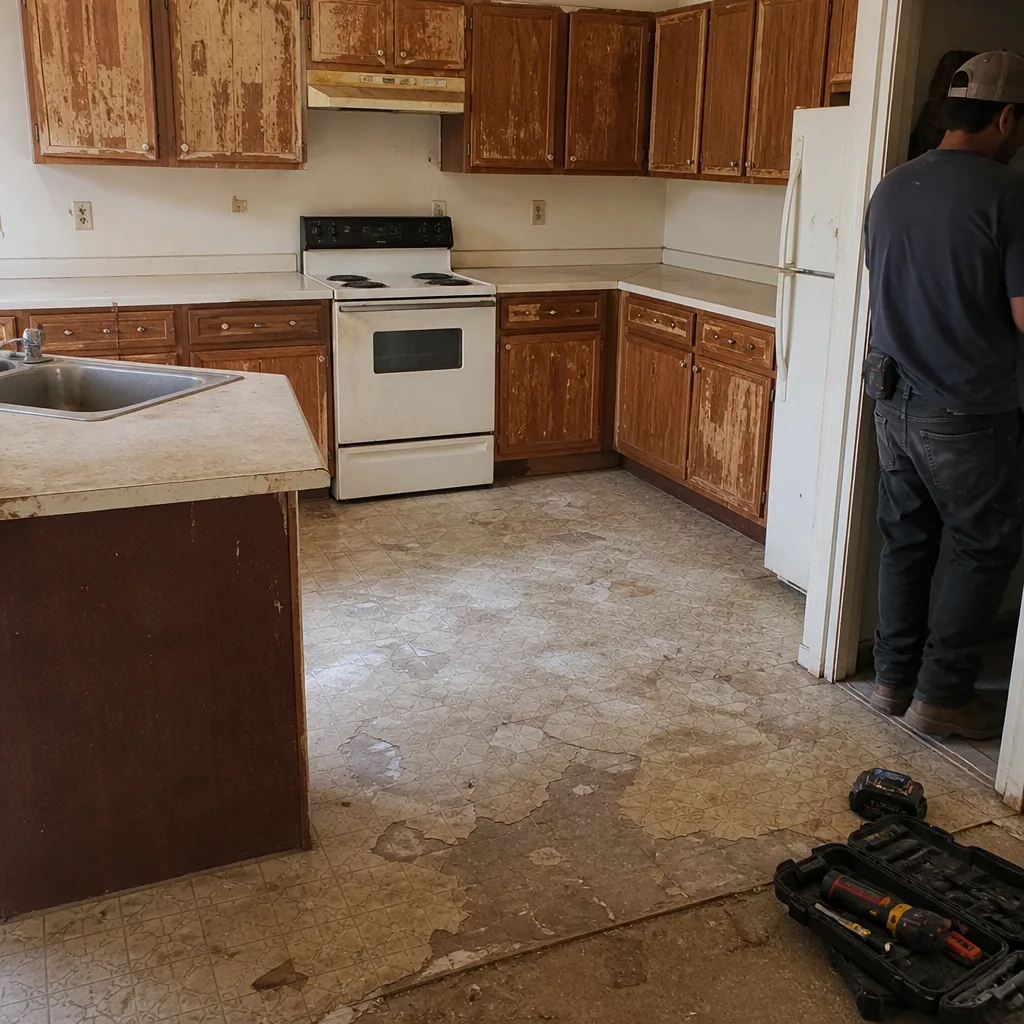
See the difference
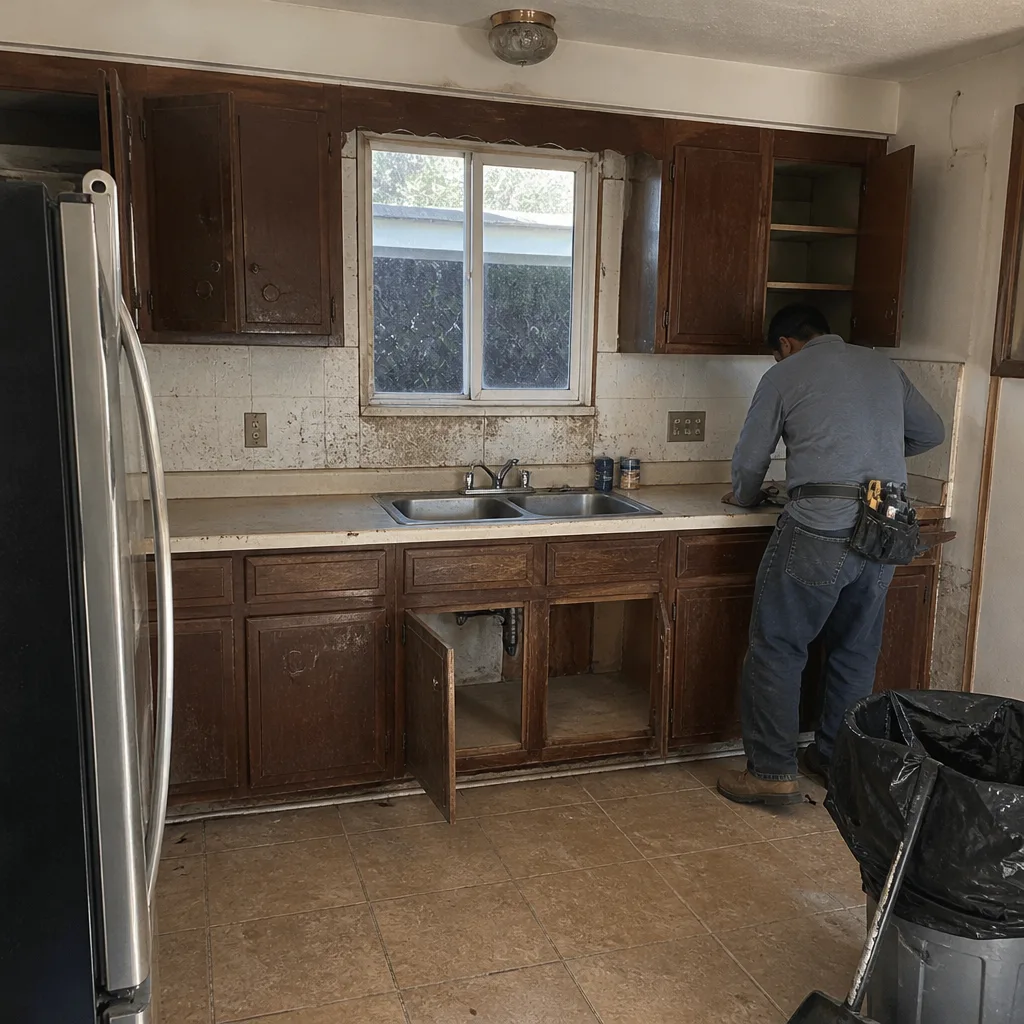 Before
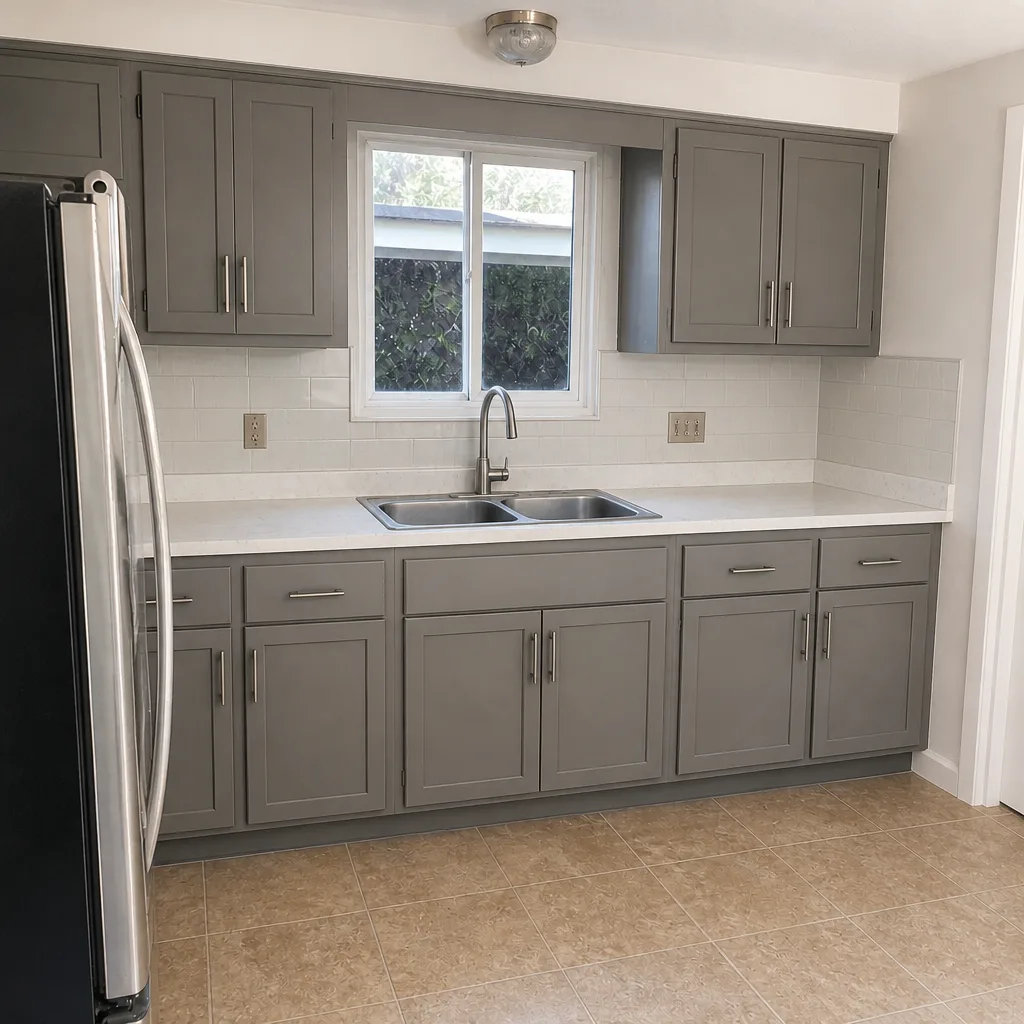 After
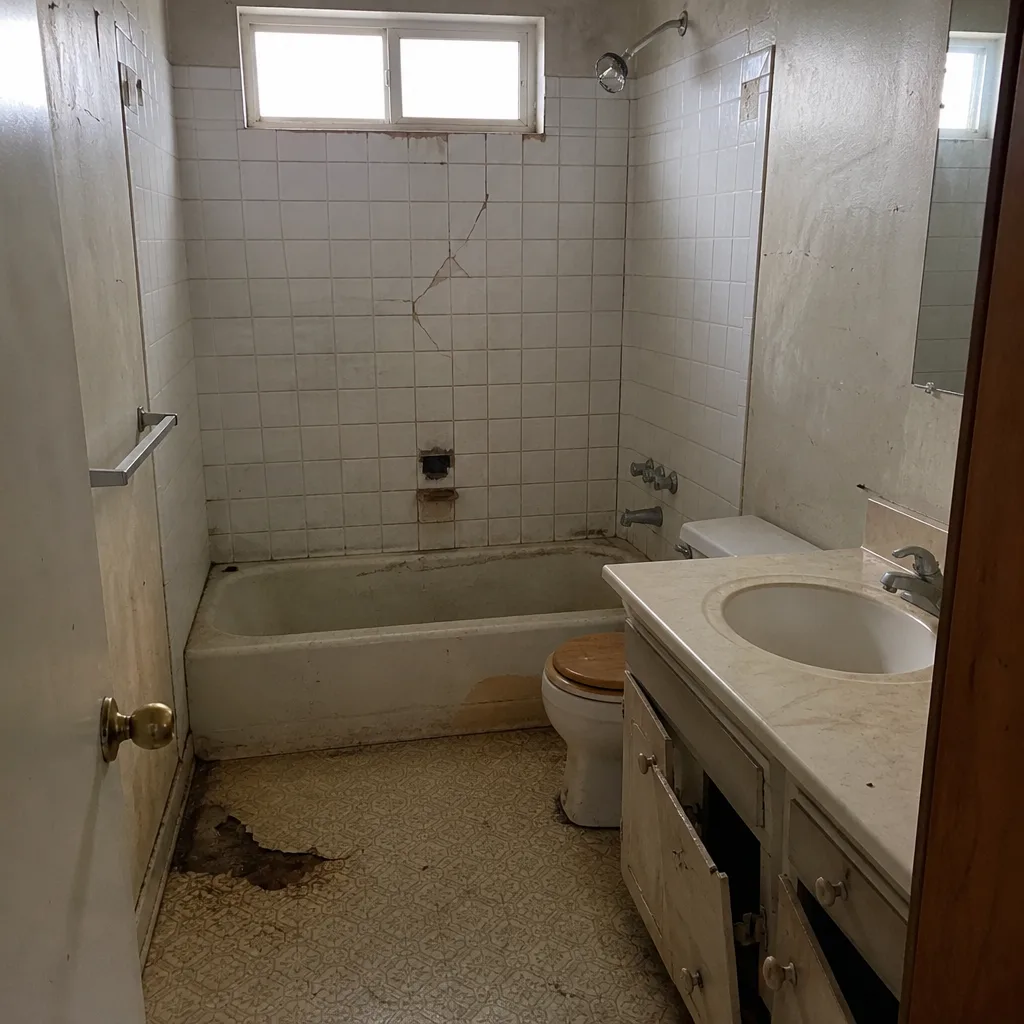 Before
 After
 Before
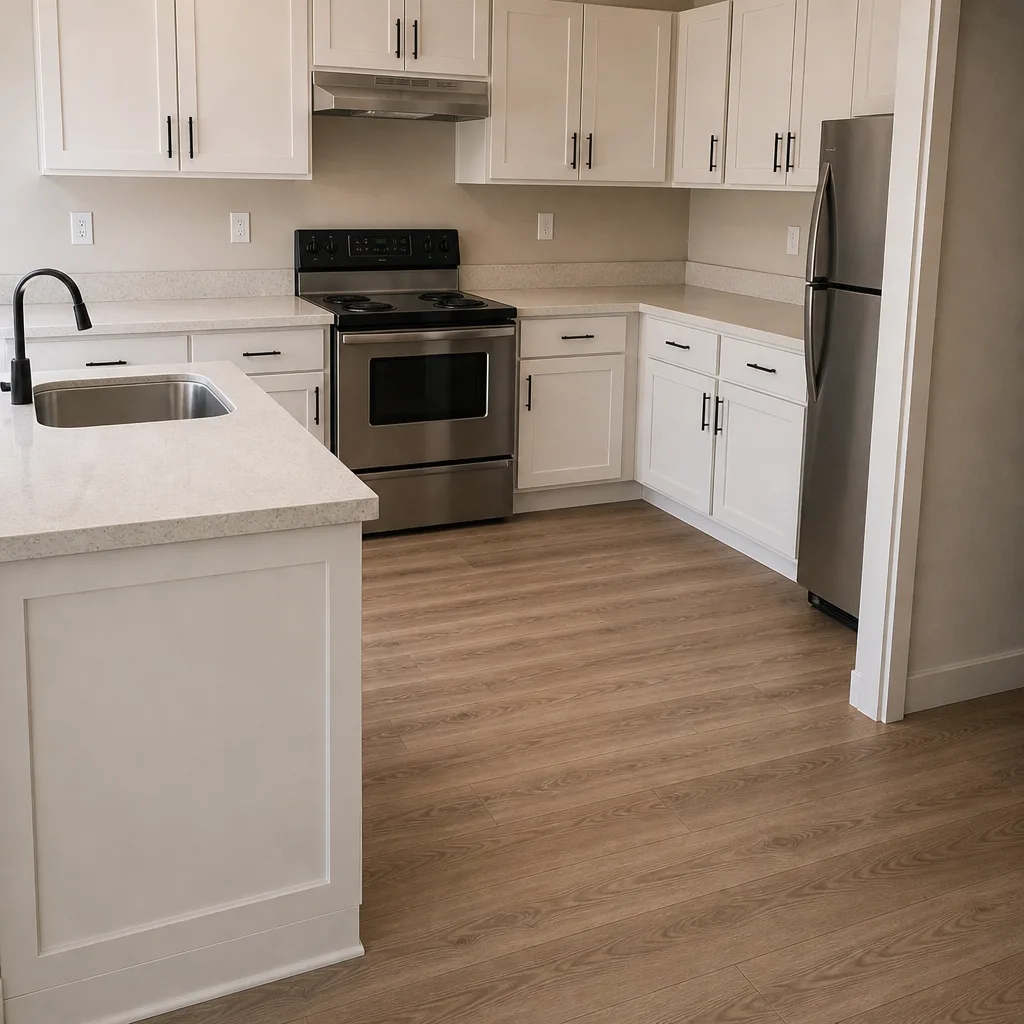 After
When to Call a Professional
Most of this guide is about protecting yourself from a bad contractor. There’s another scenario, though, that requires help: you already have one, the project stalled, and you’re not sure whether what you’re looking at can be salvaged. Call a licensed general contractor for a second opinion before you make any decisions. A trained eye on-site will tell you in about twenty minutes whether the work can be corrected or has to come out. We see this often in Whitney – a half-finished bathroom, a kitchen with unsealed countertop edges, tile set with no waterproofing behind it. Our technicians have up to 21 years of experience reading these situations, and our second opinion comes with a written summary you can use whether you hire us or not.
Sawyer Remodeling Whitney offers free estimates in Whitney – call (833) 570-8789 to schedule yours. If your project is mid-stride and something doesn’t feel right, that conversation costs nothing and often answers the question in fifteen minutes.
Frequently Asked Questions

Yes, in almost every case. You can pause work whenever your contract is being violated – missed milestones, work outside the written scope, or abandonment – as long as you send the stop-work request in writing. Read your contract’s stop-work section before you do, then send a written message that states the reason and asks for a written response. Call (833) 570-8789 if you want a second opinion before you send it – that conversation is free and often clarifies whether stopping is necessary.
A legitimate change order is documented with photos, itemized in writing, signed by you before the work happens, and fits the phase of construction. Invoice inflation appears at the end as a lump sum, references work that “had to be done” with no photo trail, and wasn’t signed in advance. If you receive a change after the fact, ask for photos, itemization, and the date of performance in writing – and expect a real contractor to provide all three without hesitation.
File with the Nevada State Contractors Board (NSCB) online or in writing, with your contract, change orders, payment records, and photos attached. An investigator will review and may inspect the work. Most cases resolve in weeks if the contractor agrees to correct. License action is possible but slower – usually months, not weeks. Document everything before you file; the complaint is much stronger with a written timeline than with verbal memories.
Yes, and in some cases it’s the right call – especially if the contractor has abandoned the job, is demanding payment out of sequence, or has done work outside the scope in a way that suggests they won’t respect the contract on the rest. The mechanics vary by contract, so read your termination clause first. Expect to pay for completed, accepted work and to withhold draws tied to incomplete milestones. Call (833) 570-8789 for a free consultation before you make the call – we’ve walked Whitney homeowners through this more than once.
Send a written message on the third business day of silence asking for a return date and updated schedule. Give 48 hours for a real response. If silence continues, send a formal notice referencing your contract’s schedule terms and request a written updated plan within five business days. If a project stalls 30 days without contact, that’s when the NSCB complaint becomes worth filing. Keep every text and email timestamped.
Specific, measurable promises: a live arrival time on the day of work (not a four-hour window), photo updates before and after each session, and a written price before any work begins. Our Relay Visibility Guarantee operates under those three standards. Ask any contractor you’re considering what specific promise they make – “we’ll keep you posted” doesn’t count. Call (833) 570-8789 for a free estimate if you want to see what the standard looks like in writing.
The Bottom Line
The most expensive renovation warning signs don’t show up before you hire. They surface mid-project, when demo is done and you feel like you can’t walk away. You can. Document everything – photos, texts, written change orders, dated summaries. Demand scope changes in writing before work starts, not after. Stop paying when milestones aren’t met, and send the paperwork in the same day. If a crew’s communication plan is “we’ll keep you posted,” that’s a warning sign in itself; a real standard names the arrival time, the photo update, and the written price. Read the General Contractor in Whitney guide for how a properly run project is structured, and if you’re starting fresh, see how we handle a Kitchen Remodeling in Whitney or Bathroom Remodeling in Whitney project from day one. If you’re mid-project and something feels off, a free estimate or second opinion from Sawyer Remodeling Whitney home often clarifies the answer in one visit.
Call (833) 570-8789 to schedule your free estimate. You’ll get a written price before any work starts, and a team that answers the phone with a live person, 24/7.
Written by the team at Sawyer Remodeling Whitney.