Last updated November 17, 2026








Free written scope consultation - allowances, timeline, and change-order rules on paper before a single trade is scheduled
How Long Does Bathroom Remodeling Take? Timelines and What to Expect
A bathroom remodel can take 4 days or 6 weeks. The difference isn’t the size of the room. It’s whether a single wall is moving and whether a permit is required. Two bathrooms of identical square footage can sit on wildly different schedules because one keeps its existing plumbing layout and the other relocates a drain. Most guides flatten that gap into one tidy “1 to 3 weeks” range, then leave you to figure out why your contractor is on week five. This guide separates the project types, walks through what actually consumes each day on the calendar, and shows you how to read a quoted timeline so you know whether “about two weeks” is honest or marketing. If you’re planning a renovation in Whitney, the specifics below will help you budget your time before you budget your money.
Quick Answer
A cosmetic bathroom refresh typically takes 3 to 7 working days, a partial remodel with new tile and a vanity runs 2 to 4 weeks, and a full gut remodel with relocated plumbing or a changed layout takes 5 to 8 weeks. Add roughly 1 to 3 weeks if your project needs a Clark County permit and inspections. The single biggest schedule driver isn’t labor speed. It’s material lead times and curing time you can’t rush.
Styles & brands we work with
- Kitchen remodeling
- Bathroom remodeling
- Home additions & ADU
- Roofing
- Windows & doors
- Driveway & pavers
- Fence
Table of Contents
- The Three Project Types and Their Real Timelines
- The Permit Factor: What Triggers It and How Many Days It Adds
- Living Through It: Planning a Single-Bathroom Household
- The Tasks That Create the Most Schedule Variance
- How to Read a Contractor’s Quoted Timeline for Realism
- What a Typical Full Remodel Week Actually Looks Like
- Common Mistakes to Avoid
- When to Call a Professional
- Frequently Asked Questions
The Three Project Types and Their Real Timelines
The word “remodel” covers three very different jobs, and the timeline gap between them is wider than most homeowners expect. Here’s how we separate them, with the working-day ranges we see on actual projects.
1. Cosmetic Refresh: 3 to 7 Working Days
A cosmetic refresh keeps the layout, the plumbing rough-in, and the electrical where they are. You’re changing surfaces and fixtures: new paint, a new vanity top, a re-caulked tub, a swapped faucet, a reglazed or recaulked shower. No permit, no wall opened. This is the fastest category, and a competent crew can usually finish in under a week, with a day or two of drying time for paint and caulk factored in.
2. Partial Remodel: 2 to 4 Weeks
A partial remodel opens the room but doesn’t move the plumbing. You’re replacing the tile floor and shower surround, installing a new vanity and toilet, upgrading lighting on existing circuits. Tile work is the time sink here. Thinset needs to cure, grout needs to set, and waterproofing membranes need their own cure window before tile goes down. Two to four weeks is realistic for a partial remodel done to a proper standard, not rushed.
3. Full Gut Remodel: 5 to 8 Weeks
A full gut takes the room down to the studs. New subfloor, new rough plumbing, new electrical, new drywall, new everything. If the layout changes, a drain or supply line moves, and that move triggers permitting and inspection. Five to eight weeks is the honest range, and it can stretch toward ten if custom materials are involved. This is the category that most often gets misquoted, because the labor hours are only part of the story.
- Cosmetic refresh: 3 – 7 days, no permit, surfaces and fixtures only.
- Partial remodel: 2 – 4 weeks, plumbing stays put, tile and fixtures replaced.
- Full gut remodel: 5 – 8 weeks, walls open, layout may change, permit likely.
Before you settle on a category, it helps to understand what a full-service bathroom remodeling in Whitney actually includes versus a handyman refresh. The scope you choose is the single largest determinant of your calendar.
The Permit Factor: What Triggers It and How Many Days It Adds
Permits are where timelines quietly grow. In Clark County, the trigger isn’t the cosmetic work. It’s the structural, mechanical, electrical, and plumbing changes. Painting, tiling over existing surfaces, and swapping a like-for-like vanity generally don’t require a permit. Moving a wall, relocating a drain or supply line, adding a circuit, or replacing a water heater or adding a new vent does.
What that means for your schedule is a two-part addition. First, the permit application and plan review: in Clark County this typically adds several business days to a couple of weeks depending on the scope and current review volume. Second, the inspection sequence: rough-in inspection before drywall closes, then a final inspection. Each inspection needs to be scheduled and passed before the next phase proceeds. If an inspector flags something, you lose the time to correct it and re-inspect.
Here’s the honest math: a project that needs a permit commonly adds 1 to 3 weeks end to end, sometimes more. A project that doesn’t need one skips all of it. That’s why two identical bathrooms, one with a relocated shower drain and one without, can land three weeks apart.
- Confirm whether a permit is required before signing anything. Ask your contractor point-blank: does this scope trigger a Clark County permit?
- Build the review time into the calendar rather than assuming it runs parallel to the work.
- Schedule rough-in inspection before drywall goes up; don’t let a crew close walls early and hope.
- Expect a final inspection and hold the project open until it passes.
A contractor who handles the permit paperwork and inspection scheduling for you removes one whole category of delay. If you’re weighing a general contractor versus a specialty crew, our guide to choosing a general contractor in Whitney covers what to look for on permitting and documentation.
Living Through It: Planning a Single-Bathroom Household
If your home has one bathroom, the timeline isn’t just a schedule question. It’s a logistics question. Six weeks without a functional bathroom is not something most households can absorb by accident, and no amount of wishing makes the tile cure faster.
We’ve seen Whitney homeowners handle this three ways, and the right one depends on your project type and your household.
- Stage the project in phases. Keep the toilet and shower operational as long as possible. Do the tile and vanity first while the toilet stays hooked up, then do the final plumbing swap at the end. This keeps you functional for most of the project, though it demands careful coordination from the crew.
- Set up a temporary solution for the dry-out period. For a full gut, expect the toilet to be out for at least several days. A temporary toilet setup or a nearby family member’s bathroom can cover that window.
- Consider a half-bath if you have one. If there’s a powder room in the house, the pressure drops dramatically. The full bath can be down for weeks while the half-bath carries the load.
Plan this before demolition, not on day two when the toilet is already gone. A good crew will walk you through the exact days your bathroom will be non-functional, down to the day the water gets shut off and the day it comes back. That’s the kind of thing we insist on writing into the schedule, because nobody should be surprised by a shutoff they didn’t see coming.
The Tasks That Create the Most Schedule Variance
When a project runs long, it’s rarely because the crew is slow. It’s almost always because one of three things stretched beyond the estimate. Knowing them lets you plan around them.
Tile Setting and Curing Time
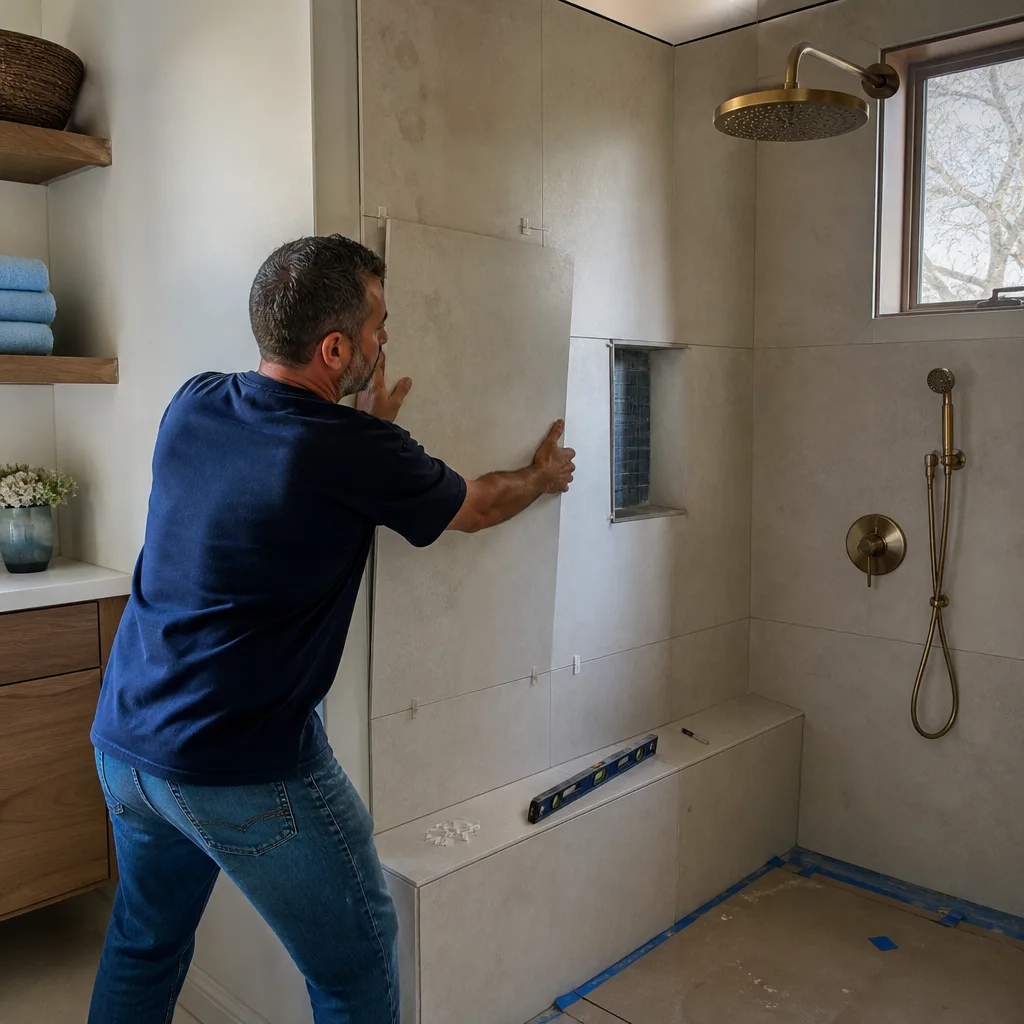
This is the single biggest variance item in any bathroom with tile. Thinset needs to cure before you grout. Grout needs to cure before you seal. Waterproofing membranes like Schluter systems (the metal-edged waterproofing and edge-trim systems that keep water out where tile meets a shower pan or floor) have their own cure windows. You can install faster, but you can’t cure faster without risking a failure that costs far more than the days you saved. Rushed tile is the number one cause of shower leaks we get called to fix in Whitney.
Custom Vanity and Material Lead Times
A stock vanity ships in days. A custom vanity from a cabinetry partner like KraftMaid or Wellborn can run several weeks from order to delivery, and you can’t install what hasn’t arrived. The same applies to a special-order tile that’s backordered, or a specific Kohler or Toto fixture with a long lead. This is a schedule you control before you sign: choose your materials early, confirm lead times in writing, and don’t order a custom vanity two weeks into a six-week project and expect the crew to work around the gap.
Inspection Scheduling
Rough-in and final inspections run on the county’s calendar, not yours. If the inspection slots are running a week out, that’s a week added. This is why permit-required projects carry the wider range. The crew can be ready in an hour; the inspector’s schedule is another matter entirely.
Hidden Conditions Behind the Wall
Open a wall in a Whitney home and sometimes you find what the last renovation left behind: a leak that rotted subfloor, a drain that wasn’t vented right, or wiring that doesn’t match current code. Each of these adds days, and none of them are visible until demolition. A written quote can’t predict a hidden condition, but a reputable contractor will tell you what happens if one turns up: a written change order before extra work proceeds, never a surprise on the invoice.
These are also the reason a realistic quote from a company that does this work day in and day out tends to run slightly wider than the optimistic number. Our kitchen remodeling in Whitney guide makes the same point about cabinetry and appliance lead times, and the logic carries straight over to bathrooms.
How to Read a Contractor’s Quoted Timeline for Realism
When a contractor says “about two weeks,” what does that actually mean? Often it means two weeks of labor, not two weeks from demolition to a finished, inspected, cleaned bathroom. The gap between those two things is where homeowners get burned. Here’s how to read the number you’re given.
- Ask what’s included in the count. Does “two weeks” include material lead time? Permit review? Inspection scheduling? The cure windows? A quote that counts only crew-on-site days is missing real calendar time.
- Ask for the dried-in and finished dates separately. When will the room be dry and usable, and when will it be fully finished, inspected, and cleaned? Those are two different dates on any renovation.
- Cross-check against the permit status. A “two-week” full gut with a relocated drain is a red flag if a permit and inspections are in scope. The math doesn’t work.
- Look for the material order dates. A realistic schedule names when custom items get ordered and when they land. If that’s vague, the timeline is optimistic.
- Ask what happens when a hidden condition surfaces. A crew with a written change-order process will tell you straight. A crew that waves it off is telling you something too.
One more thing worth noting: the number the contractor says and the number in writing should match. “About two weeks” said out loud is a feeling. A written schedule with dates is a commitment. We put the price and the schedule in writing before a single tool is picked up, because a verbal timeline is the easiest promise in the trade to walk back.
What a Typical Full Remodel Week Actually Looks Like
It helps to see where the days go. Here’s a representative sequence for a full gut remodel, though every project shifts a little.
- Week 1: Demolition, haul-away, and opening the walls. Rough plumbing and rough electrical. Rough-in inspection scheduled and passed before anything closes up.
- Week 2: New subfloor, drywall, and waterproofing. Waterproofing cure windows begin.
- Week 3: Tile setting on floors and shower walls, then grout, then seal. This week rarely finishes early because of cure time.
- Week 4 – 5: Vanity and cabinetry install, countertop template and install from a partner like Cambria or Caesarstone, toilet and fixture set.
- Week 5 – 6: Trim, paint, final electrical and fixture connections, final inspection, punch-list walk, cleanup.
A custom vanity or a special-order countertop can slide into this sequence and push it by a week or more if it was ordered late. That’s why the schedule starts with material selections, not with demolition. If you want to see how this sequencing plays out across a whole home, our Sawyer Remodeling Whitney home page shows how projects are run under the Relay Visibility Guarantee: live arrival times, photo updates before and after, and a written price before work begins.
Common Mistakes to Avoid
- Choosing a custom vanity on day one of the project. In Whitney, we’ve seen custom cabinet lead times stretch a full-gut remodel by two weeks because the order landed after the crew was ready to install. Pick materials before demolition, and confirm lead times in writing.
- Assuming every “remodel” needs a permit, or assuming none does. The permit requirement in Clark County hinges on what’s being moved and added. Get a clear yes or no for your specific scope rather than guessing either way.
- Planning a single-bathroom household around a verbal timeline. If you only have one bathroom, you need the shutoff days written down, not estimated. Six weeks without a bathroom is a completely different experience when you knew it was coming.
- Letting the crew close walls before the rough-in inspection. A crew that skips the rough-in inspection to save days can leave you with a costly re-open later. Inspections exist to catch problems while they’re cheap to fix.
- Rushing tile cure time to “stay on schedule.” We’ve fixed showers in Whitney where grout and seal were forced before the thinset cured. It fails within a year or two. The cure window isn’t negotiable no matter how tight the calendar gets.
- Accepting a verbal price with a verbal timeline. Neither one is enforceable. A no-hassle upfront pricing process means a written price you can hold the invoice against.
- Forgetting to ask who’s on site. You should know who’s coming into your home before they arrive. Background-checked, uniformed technicians with a live arrival time is the standard worth asking about.
When to Call a Professional
Some bathroom work genuinely doesn’t need a contractor: a fresh coat of paint, a recaulked tub, a swapped faucet on existing plumbing. But several scenarios do call for a trained professional, and getting it wrong costs more than the labor saved. If your project involves moving a drain or supply line, adding an electrical circuit, opening a wall, replacing a shower pan, or any change that triggers a Clark County permit, bring in a licensed, insured contractor. The same goes for any project where the existing tile or shower is showing signs of a leak, because water damage behind a wall is almost never visible from the surface and needs to be handled properly.
Sawyer Remodeling Whitney offers free estimates in Whitney. Call (833) 570-8789 to schedule yours. Every project runs under the Relay Visibility Guarantee, with a written price before any work begins and photo updates along the way. You’ll get a line-item quote and an honest schedule, not a number that changes at the door.
Frequently Asked Questions
A cosmetic refresh in Whitney typically takes 3 to 7 working days, a partial remodel runs 2 to 4 weeks, and a full gut remodel takes 5 to 8 weeks. If your project needs a Clark County permit and inspections, add another 1 to 3 weeks. The scope and the permit requirement drive the timeline far more than the square footage. Call (833) 570-8789 for a free estimate and a written schedule for your specific bathroom.
In Clark County, a permit is typically required when you move or add plumbing, add or extend electrical, alter structural walls, or change the layout in a way that moves a drain or supply line. Cosmetic work like paint, tile over existing surfaces, and like-for-like fixture swaps generally doesn’t require one. Because the line depends on your exact scope, confirm it in writing before work starts. Call (833) 570-8789 and we’ll walk through whether your project needs a permit.
The difference usually comes down to whether the layout changes and whether a permit is involved. A bathroom that keeps its existing plumbing layout can move fast, while one that relocates a shower drain triggers permit review, rough-in inspection, and a longer sequence. Custom material lead times widen the gap further. Estimates are free, so call (833) 570-8789 to get a realistic range for your project.
Yes, and for a single-bathroom household we typically recommend staging the project so the toilet and shower stay functional as long as possible, then doing the final plumbing swap at the end. For a full gut, expect a window of several days where the bathroom is out of commission while the water is shut off. Call (833) 570-8789 to plan a staging schedule that fits your household.
Tile cure time, custom vanity lead times, and inspection scheduling are the three biggest schedule variables. Thinset and grout need their cure windows before the next phase, custom cabinetry can take weeks to arrive, and inspections run on the county’s calendar. Rushing any of these is where projects get into trouble. For a schedule built around these realities, call (833) 570-8789 for a free estimate.
Ask what the timeline includes: material lead time, permit review, inspections, and cure windows, or only days the crew is on site. A written schedule with actual dates is far more reliable than a verbal “about two weeks.” A full gut with a relocated drain quoted at two weeks, permit included, doesn’t add up. Call (833) 570-8789 for a written price and schedule you can hold us to.
The Bottom Line
Bathroom remodel timelines depend on the project type first and the permit requirement second. A cosmetic refresh finishes in days, a partial remodel in a couple of weeks, and a full gut remodel in five to eight weeks, with permit review and inspections adding real calendar time on top. The biggest schedule drivers are tile cure windows, custom material lead times, and inspection scheduling, and a realistic quote builds all three into the calendar. Read your quoted timeline for what it actually counts, stage a single-bathroom household around the shutoff days, and get the price and schedule in writing before demolition. Call (833) 570-8789 to schedule your free estimate in Whitney.
Written by the team at Sawyer Remodeling Whitney.
See the difference
 Before
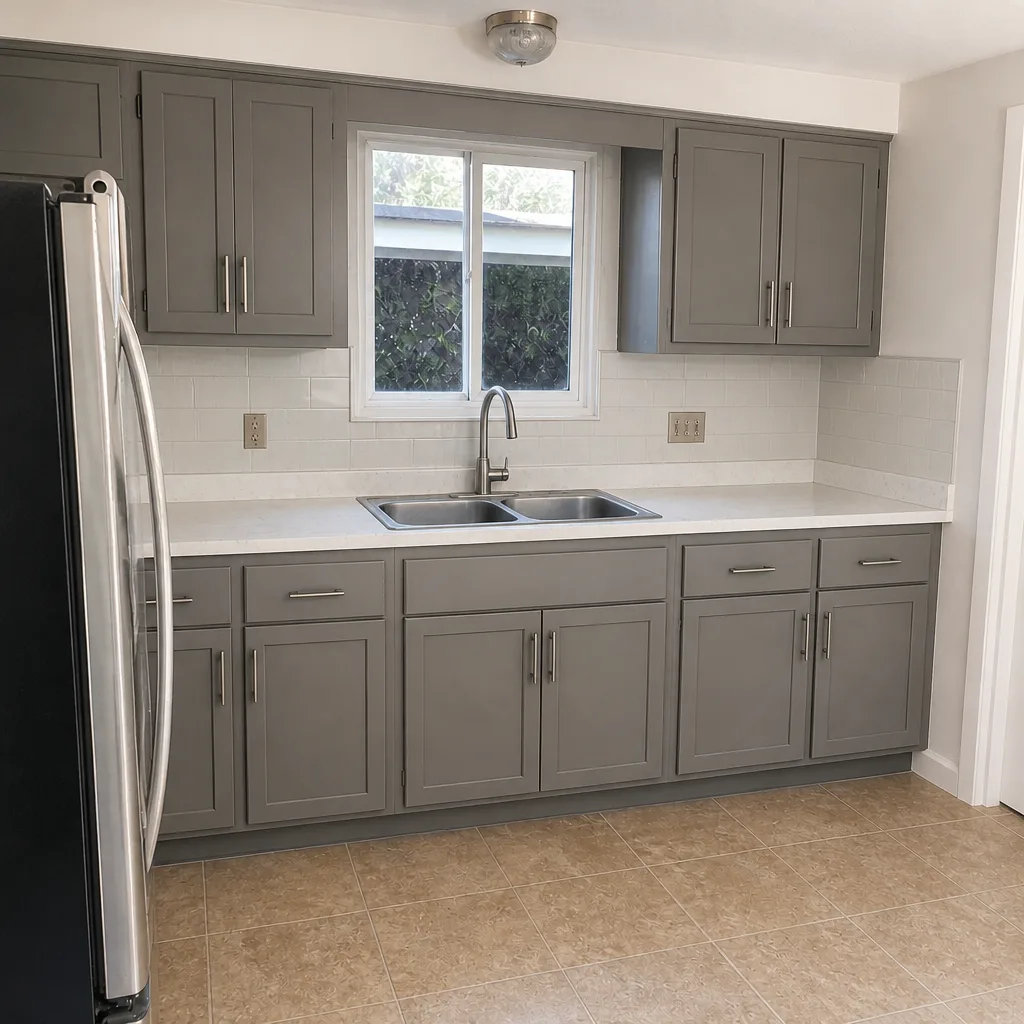 After
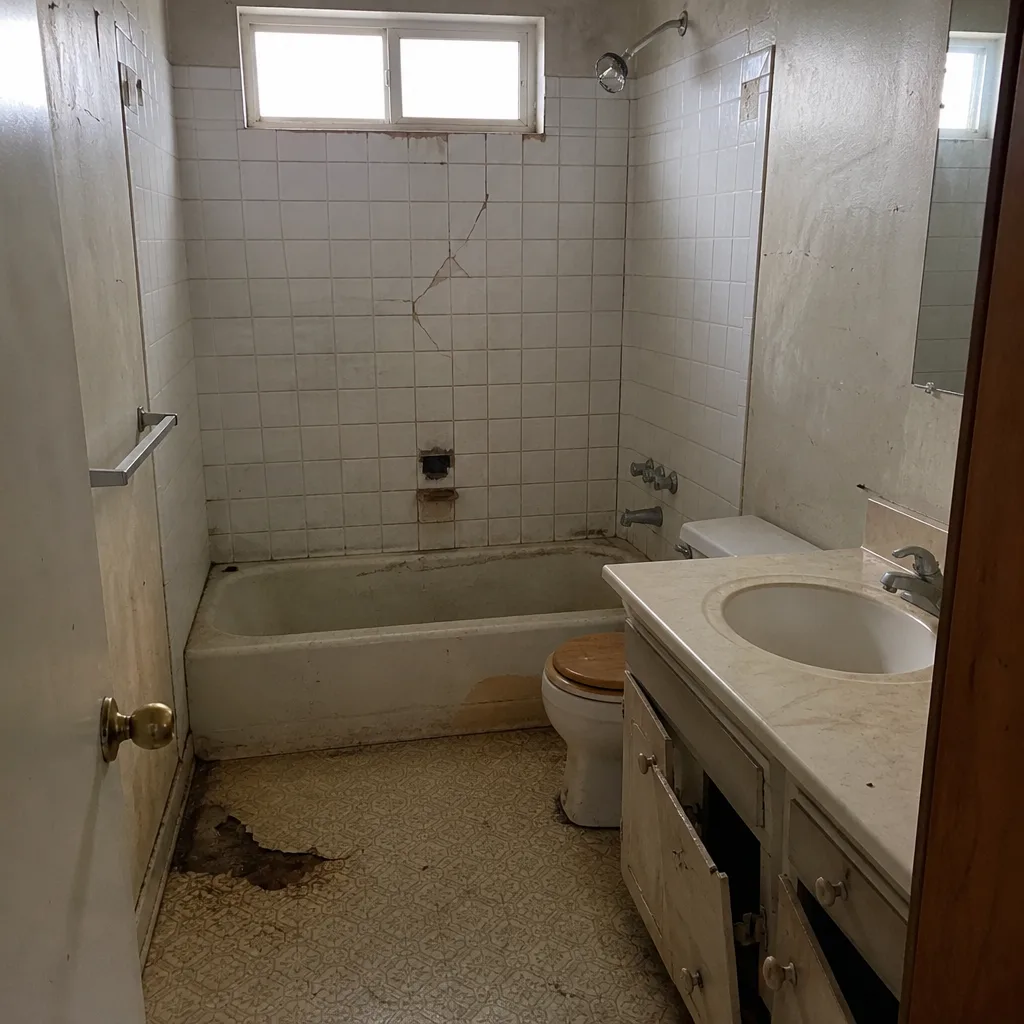 Before
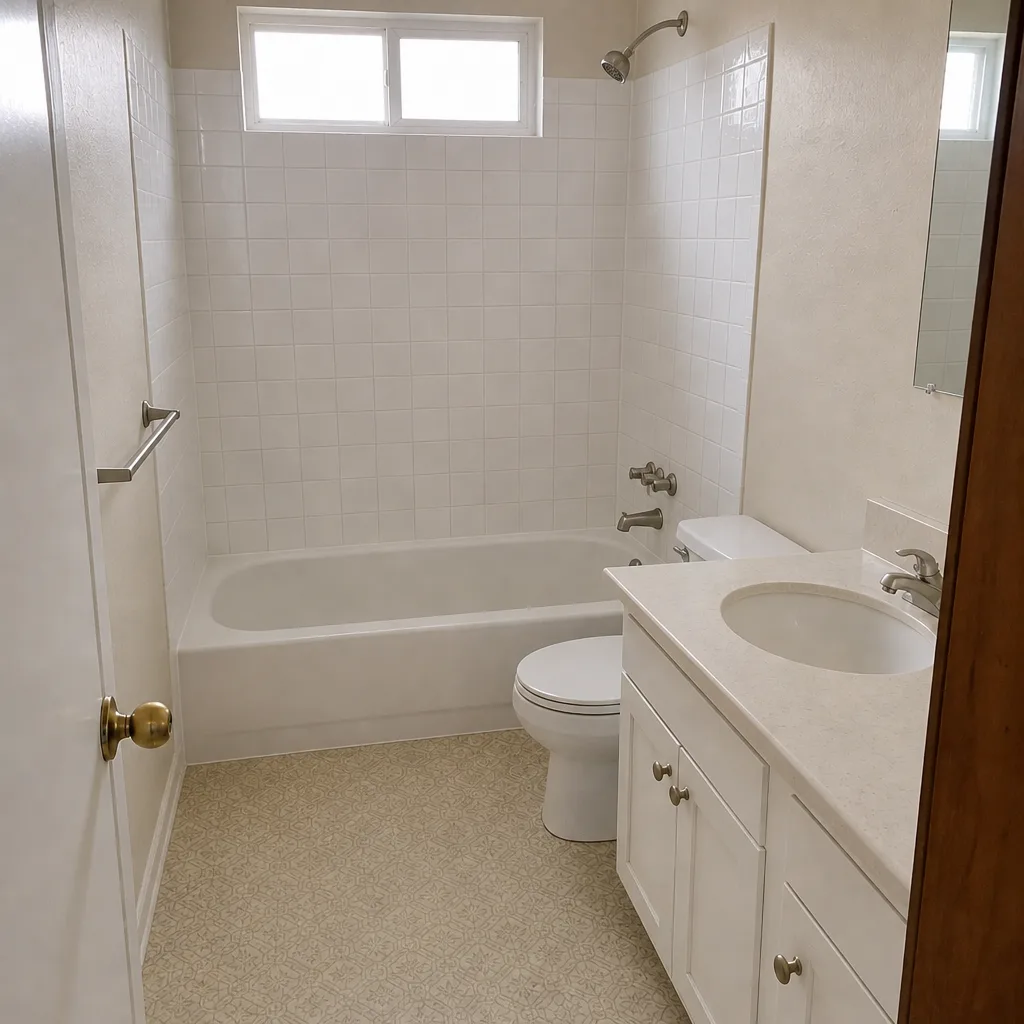 After
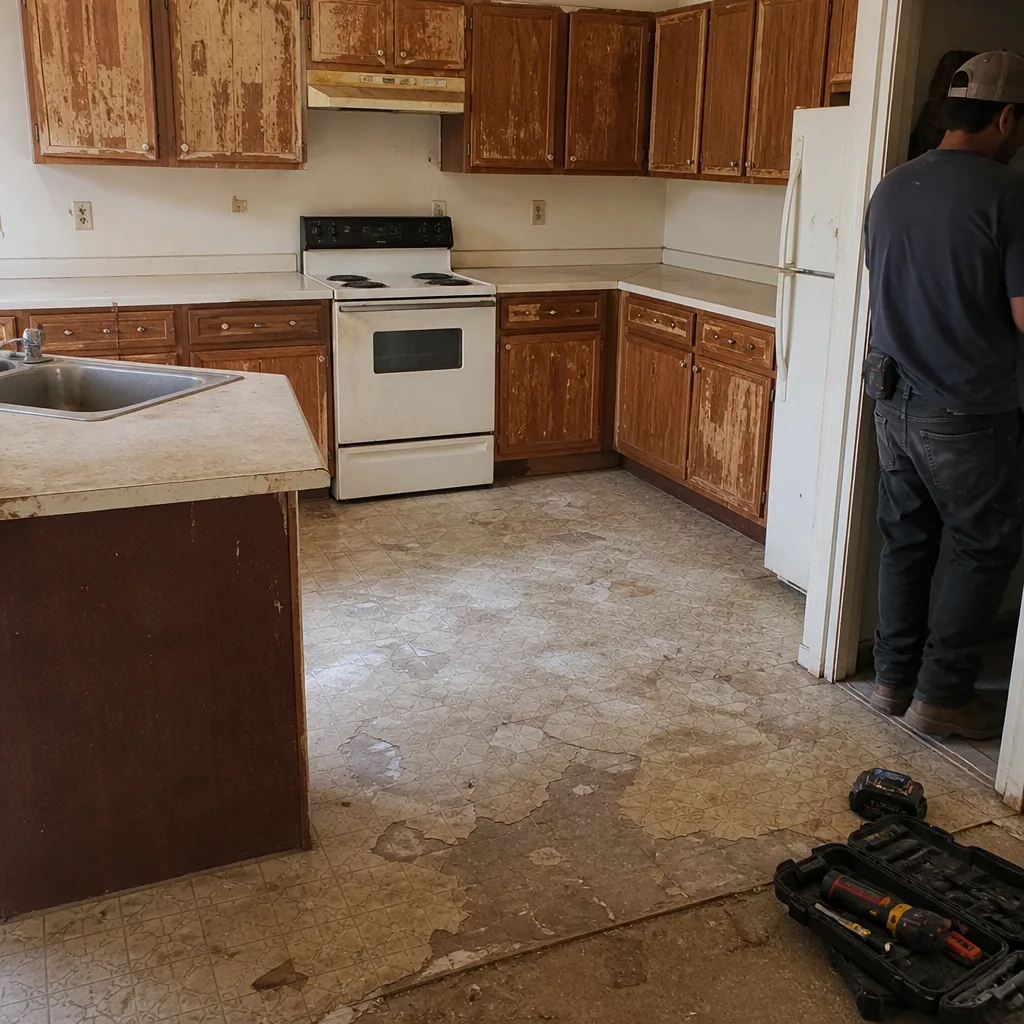 Before
 After