Last updated November 17, 2026





Free written scope consultation - allowances, timeline, and change-order rules on paper before a single trade is scheduled
The Complete General Contractor Guide for Whitney Homeowners
Most general contractor guides are written for a generic American suburb. Whitney isn’t that. This community sits at the northeast edge of the Las Vegas metro in unincorporated Clark County, where summer heat regularly tops 115°F, HOA covenants overlap county permits, and the contractor who did your cousin’s addition in Henderson may not know the difference. Generic advice will cost you here. This guide covers how Clark County permits actually work for Whitney addresses, why desert heat demands material conversations your contractor should start on their own, how to verify a Nevada license in under a minute, and the red flags that show up in a smaller trade market. You’ll finish knowing what to ask before you sign anything.
Quick Answer
Hiring a general contractor in Whitney means working inside Clark County’s permit system, not the City of Las Vegas system, and choosing someone who can show local project photos and a license you’ve verified yourself. Get a written, line-item scope of work and a written price before work starts, and confirm who pulls the permits and who pays for re-inspections. In a thinner trade market like Whitney, the contractor’s local track record matters more than their advertising.
Styles & brands we work with
- Kitchen remodeling
- Bathroom remodeling
- Home additions & ADU
- Roofing
- Windows & doors
- Driveway & pavers
- Fence
Table of Contents
- How Do Building Permits Work for Whitney Addresses?
- How Do You Verify a Nevada Contractor License in 60 Seconds?
- Why Desert Heat Changes Your Material Specs
- What Must a Written Scope of Work Include in Nevada?
- Red Flags Unique to a Smaller Suburban Market
- Planning a Bathroom Remodel in Whitney
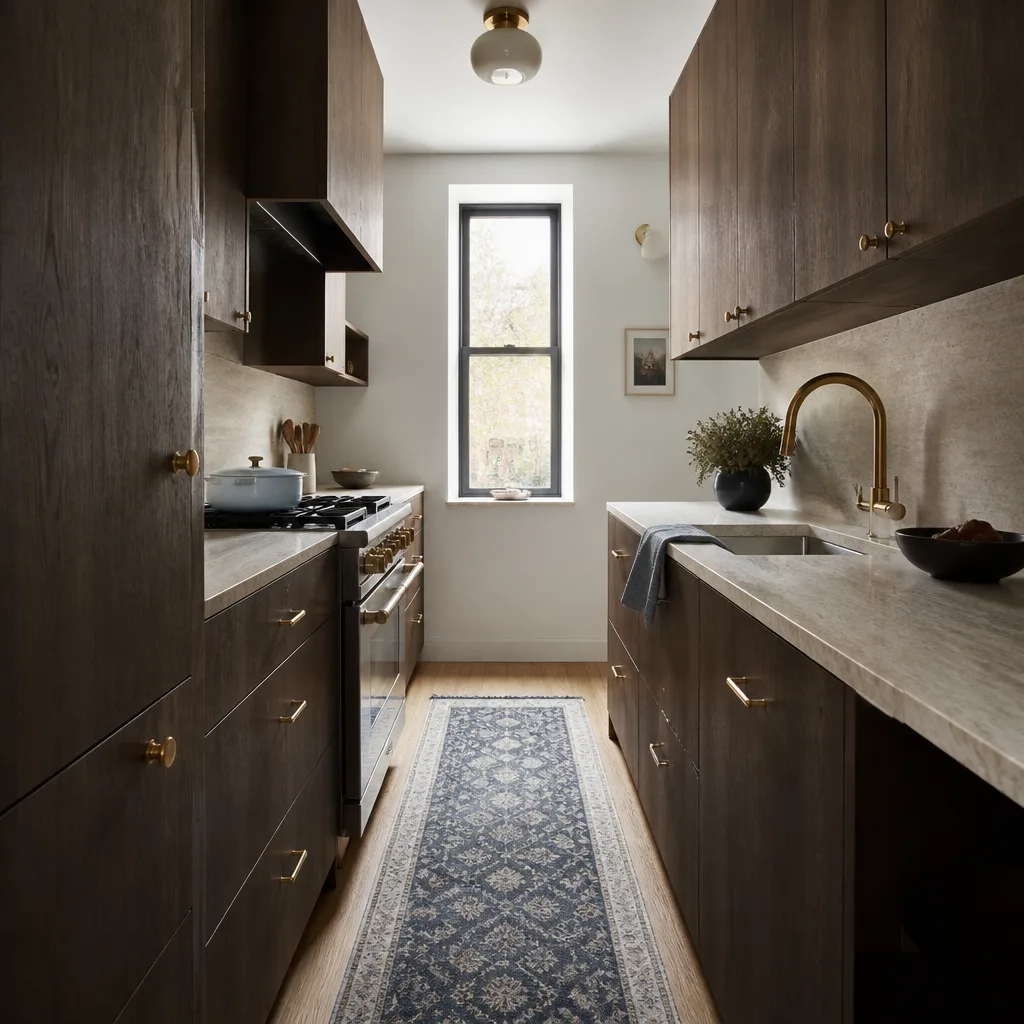
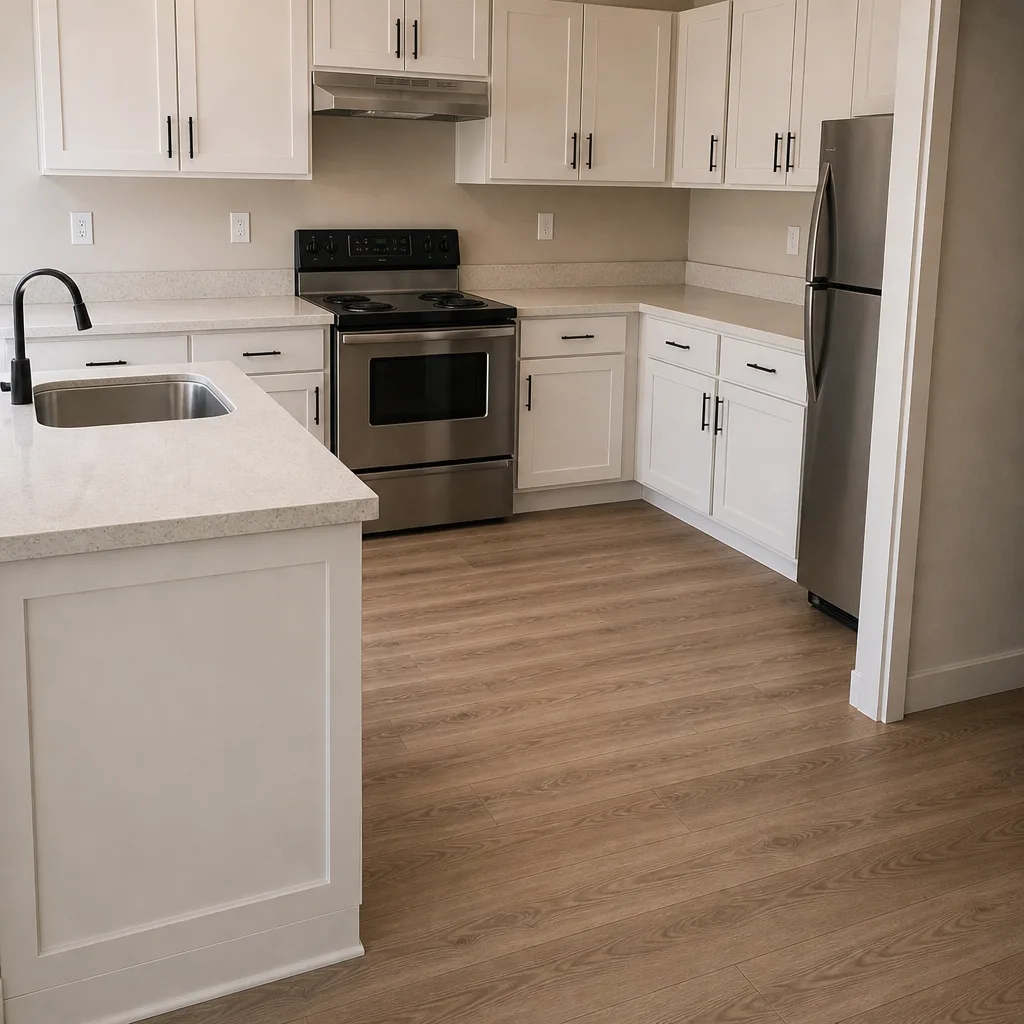
- Planning a Kitchen Remodel in Whitney
- Common Mistakes to Avoid
How Do Building Permits Work for Whitney Addresses?
Whitney is unincorporated Clark County, so most residential permits for Whitney addresses run through Clark County’s Department of Building & Fire Prevention, not the City of Las Vegas. That distinction trips up homeowners who get advice from a friend who built inside city limits. The office is different, the submittal portal is different, and the inspection queue is different.
Here’s the sequence a licensed general contractor should walk you through:
- Scope and drawings first. A bathroom or kitchen remodel needs a drawing set that matches what will actually be built. Changes between the drawing and the build create re-inspection fees and delays.
- Permit application. Your contractor submits through the county portal with the property address, scope, valuation, and licensed subcontractor information.
- Plan review. Straightforward interior remodels often clear review quickly; structural changes, additions, and anything touching gas or electrical panels take longer and may get review comments that require a resubmittal.
- Permit issuance and posted card. The approved permit and inspection card stay on site. A contractor who wants to start framing before the card is posted is telling you something.
- Staged inspections. Rough-in inspections for framing, electrical, plumbing, and mechanical happen before drywall. Final inspection closes the permit.
Ask your contractor who pulls the permit and who pays for re-inspections if a trade fails one. The answer should be simple: the licensed contractor pulls it, and re-inspection costs caused by their work are theirs. A written price before work starts should already account for permit fees, so you’re not handed a surprise line item after demolition. If you want the full picture on how we run remodeling projects, start with our Sawyer Remodeling Whitney home page.
How Do You Verify a Nevada Contractor License in 60 Seconds?
Nevada requires contractors to hold a license through the Nevada State Contractors Board, and you can check any license yourself on the Board’s public lookup in about a minute. Do it before you call anyone back, not after they’ve quoted you.
Here’s the fastest path:
- Get the license number from the contractor in writing, not just a name on a business card.
- Search the number on the Nevada State Contractors Board website.
- Confirm the license status is active, not suspended, expired, or revoked.
- Confirm the license classification covers the work. A residential remodeling classification is not the same as a specialty trade license, and the wrong classification means the contractor can’t legally pull your permit.
- Check the qualifier name on the license. That’s the person responsible for the work, and the license should list them.
Two more checks worth doing while you’re on that site: look for a history of disciplinary actions, and confirm the contractor carries insurance and a bond. Those records are public. In a market the size of Whitney, most of the tradespeople you’d hire are legitimate, but the ones who aren’t count on you skipping this step. A company that hesitates to hand over a license number has answered your question.
Why Desert Heat Changes Your Material Specs
Whitney summers are not a mild inconvenience for building materials. When exterior surfaces sit above 150°F in direct July sun and interior wall cavities bake all afternoon, a few specific product conversations matter. Your contractor should raise these without being asked. If they don’t, ask directly.
Areas where heat drives the spec:
- Adhesives and thinset. Standard adhesive can lose grab strength and open time when applied in high heat. A desert-experienced installer uses a product rated for the temperature at install and knows not to set tile in a sun-baked garage slab.
- Roofing. Asphalt shingles soften in extreme heat, and warranty terms can be affected by installation temperature and attic ventilation. Ventilation upgrades are often the difference between a roof that lasts and one that fails early. We specify roofing from manufacturers like GAF and CertainTeed because their desert-rated lines and warranty documentation are clear.
- Exterior finishes and siding. Stucco, paint, and fiber cement all have temperature windows for application. Fiber cement products such as James Hardie have climate-specific installation guidance, and painting above a certain surface temperature produces a coating that fails early.
- Thermal movement. Materials expand and contract more than most homeowners expect across a 60-degree swing from morning to afternoon. That’s why control joints, proper gaps, and movement accommodation in tile and trim aren’t decorative details.
- Interior humidity during install. Running a job with the A/C off in summer can affect cabinet and flooring performance after the job is done. Cabinetry like KraftMaid and Wellborn has acclimation requirements, and a contractor who ignores them is passing the failure to you.
These aren’t upsells. They’re the difference between a remodel that holds up through twenty Whitney summers and one that shows problems in year two. If a contractor shrugs at the topic, that’s information.
What Must a Written Scope of Work Include in Nevada?
A written scope of work is only enforceable if it says what will be done, with what, by whom, and for how much. “Industry standard” language protects the contractor, not you. Nevada’s contract requirements for improvement work favor clarity, so put the details on paper before anyone picks up a tool.
A scope worth signing should include:
- A line-item price breakdown. Not one lump number. Labor, materials, permit fees, cleanup, and any allowances listed separately with dollar figures.
- Allowances with a real number. If a line says “tile allowance,” it needs a dollar amount and a written process for what happens if you exceed it.
- Named materials. Not “premium fixtures” but the actual brand and model family. We work with fixtures from Kohler, Moen, and Grohe and countertops from Cambria, Caesarstone, and Silestone, and those names belong in the scope.
- Exclusions. What the price does not cover. This is where surprise invoices come from, and an honest contractor writes it down.
- Change order process. A signature before any change work begins, with the price impact stated.
- Who pulls the permit and who pays for re-inspections.
- Timeline by phase with reasonable milestones, not a single completion date with no structure.
- Warranty terms in writing. What’s covered, for how long, and how to make a claim.
- Payment schedule tied to milestones. Large deposits front-loaded before any material arrives are a warning.
Our commitments are written into every project: The Relay Visibility Guarantee means a live arrival time, photo updates before and after, and a written price before a single tool is picked up. The 365-Day Done Right Promise means if it’s not done right within a year of the project closing, we make it right. Get those in writing, not in conversation.
Red Flags Unique to a Smaller Suburban Market
Smaller markets have their own failure patterns. In Whitney, the trade pool is smaller than the Las Vegas core, which means a few specific things are worth watching for. None of these are automatic disqualifiers, but each one deserves a question.
- A ten-city service list with no local photos. If a contractor’s website lists Henderson, North Las Vegas, Boulder City, Mesquite, Pahrump, and five more, ask to see project photos with the address area identified. A company spread across that much ground may have no Whitney work at all, and you’re hiring a stranger to a market.
- A license with the wrong classification. Plenty of handymen are honest and skilled, but they can’t legally pull your permit. Verify that the license classification covers residential remodeling.
- No physical sample of the materials. In a small market, some contractors rely on supplier catalogs and won’t schedule a showroom trip. It’s a signal about how the job will be managed.
- Verbal-only pricing. In a market where homeowners know each other, a contractor may lean on their reputation instead of paperwork. Reputation is fine, but get the price in writing.
- Subcontractor turnover. Ask how many subs the company works with regularly and whether they’ve worked together before. A crew assembled fresh per job is a project-management risk.
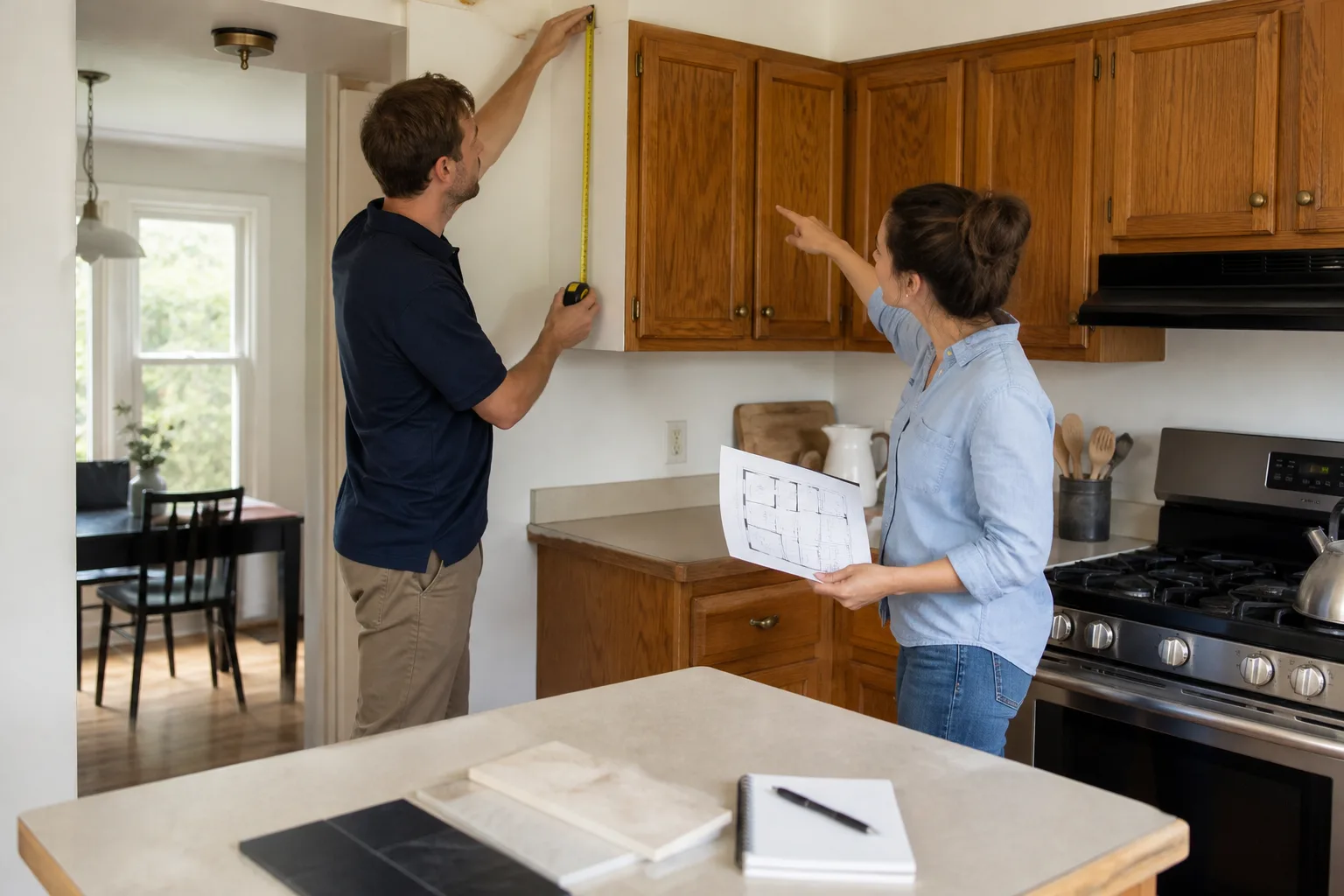
- Reluctance to walk the property. A quote given over the phone without a site visit is a guess, and the guess benefits the contractor, not you.
Planning a Bathroom Remodel in Whitney
Bathroom remodeling in Whitney runs into a few local conditions. Water in the desert is hard, and fixture finishes take a beating as a result, which is part of why our bath remodel specs lean toward finishes rated for the water chemistry of the Las Vegas valley. The other factor is attic heat. Plumbing lines running above insulated ceilings sit in cavities that get genuinely hot, and correct insulation and pipe routing keep those lines stable.
Waterproofing is the single biggest variable in bath outcome. A proper walk-in shower build uses a bonded waterproofing membrane over a sloped substrate, and the details matter more than the brand of tile. Schluter edge trim (the metal strip that waterproofs where your tile meets the floor) is one of the small pieces that decides whether your shower stays dry behind the wall for a decade. Ask your contractor to explain their waterproofing system by name. If the answer is “we’ve always done it this way,” get a second bid.
Budget-wise, a Whitney bathroom remodel commonly runs from about $8,000 for a cosmetic refresh up to $30,000+ for a full layout change with new plumbing, tile, and glass. Cabinet and fixture selections swing the number considerably, and a written scope keeps the final invoice tied to what you approved. If you want the deeper walkthrough, our Bathroom Remodeling in Whitney page covers scope, materials, and timelines.
Planning a Kitchen Remodel in Whitney
Kitchen work in Whitney involves the same permit pathway through Clark County and a few heat-related choices. Cabinet boxes and door finishes sit in rooms that reach high temperatures when a house is closed up for a week in August, and heat tolerance matters for the finish you choose. Cabinetry from KraftMaid and Wellborn holds up in desert conditions when installed with proper clearance and the house stays conditioned during the install period.
Countertops are a real desert consideration. Natural quartz products from Cambria and quartz lines from Silestone and Caesarstone resist heat better than laminate but still aren’t a trivet substitute, and a hot pan left on a counter can scorch any surface. A contractor should tell you that before the counter is installed, not after.
A typical Whitney kitchen remodel ranges from about $22,000 for a cosmetic update of counters, cabinet fronts, and fixtures up to $70,000+ for a full gut with layout changes and new appliance packages. The swing comes from layout changes, electrical work to add circuits (an electrician’s specialty and a common permit add), and the cabinet and stone selections. For the full scope and sequence, see our Kitchen Remodeling in Whitney page.
Common Mistakes to Avoid
- Calling the City of Las Vegas about a Whitney permit. Whitney addresses are unincorporated Clark County. Calling the wrong office wastes a week and possibly gets you the wrong form.
- Hiring on price alone. The lowest bid is usually the one with the thinnest scope. A $4,000 savings often turns into a $10,000 change order or a stalled job.
- Skipping the license check. Sixty seconds on the Nevada State Contractors Board site separates the licensed from the marketing. Do it before the second phone call.
- Assuming the contractor’s insurance covers everything. Ask for the certificate of insurance and the bond, and confirm they still list a Whitney-area project on the scope.
- Ignoring the heat spec. Tile set in an unconditioned garage in July, roofing installed at 160°F surface temperature, and paint applied to a sun-hot wall all fail early. Ask before material goes down.
- Signing a one-line bid. “Complete kitchen remodel, $52,000” is not a scope. If it isn’t itemized, you can’t enforce it, and you can’t tell what changed when the invoice arrives.
- No written warranty. Ask for the warranty in writing before signing. A verbal promise isn’t a warranty.
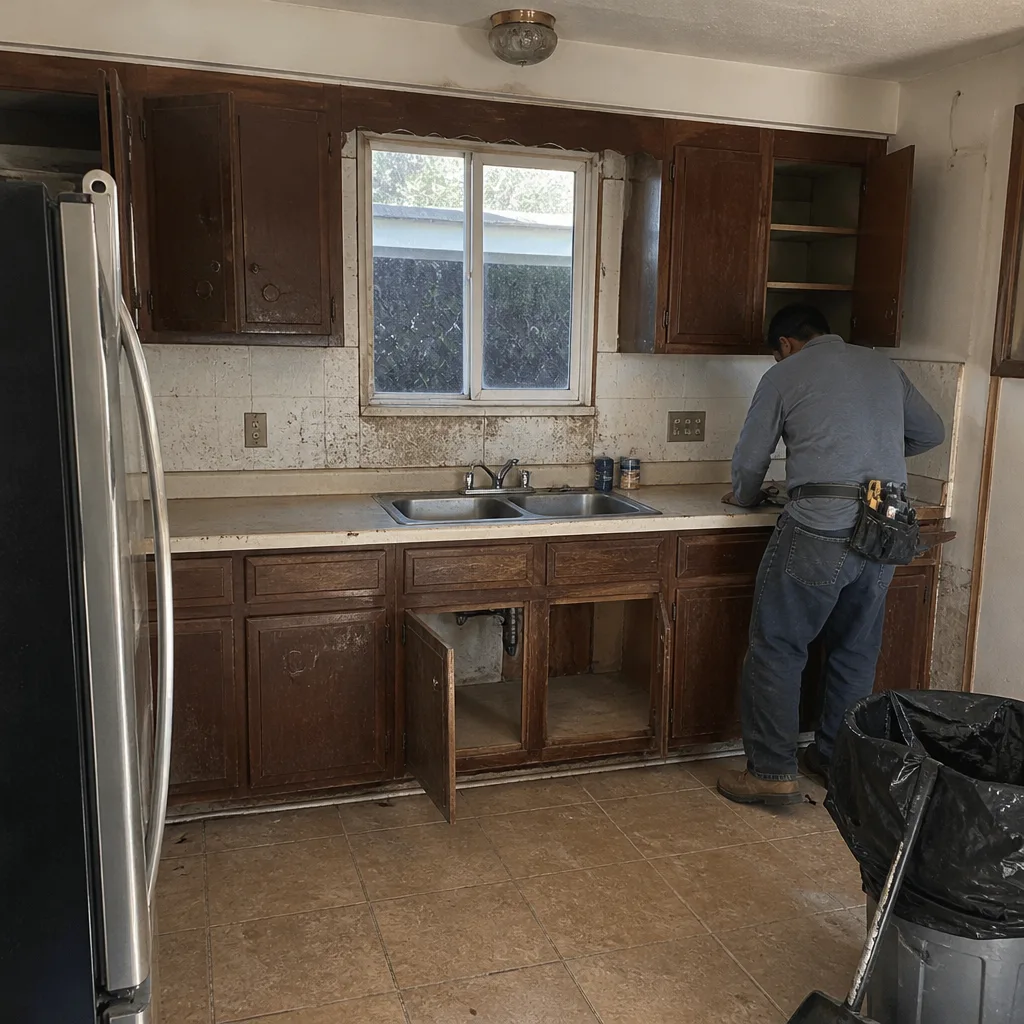
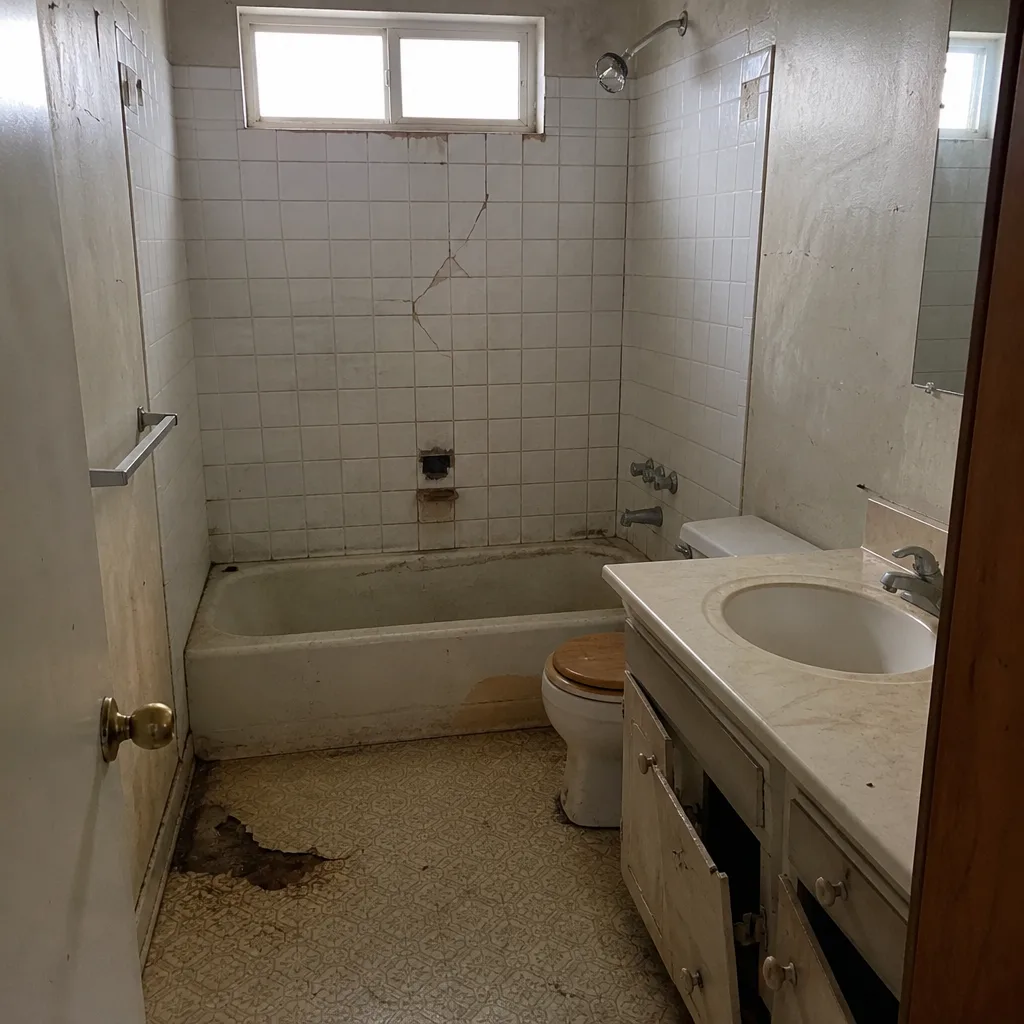
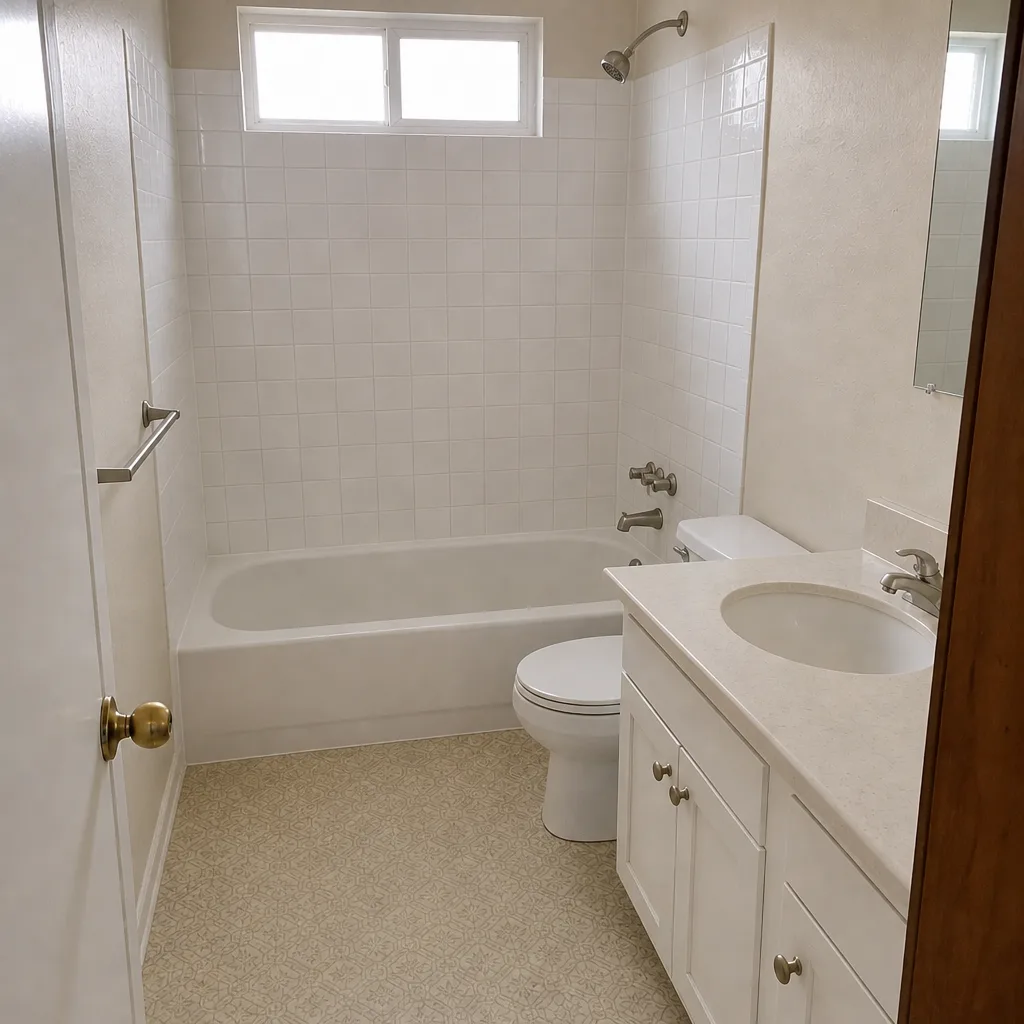
See the difference
 Before
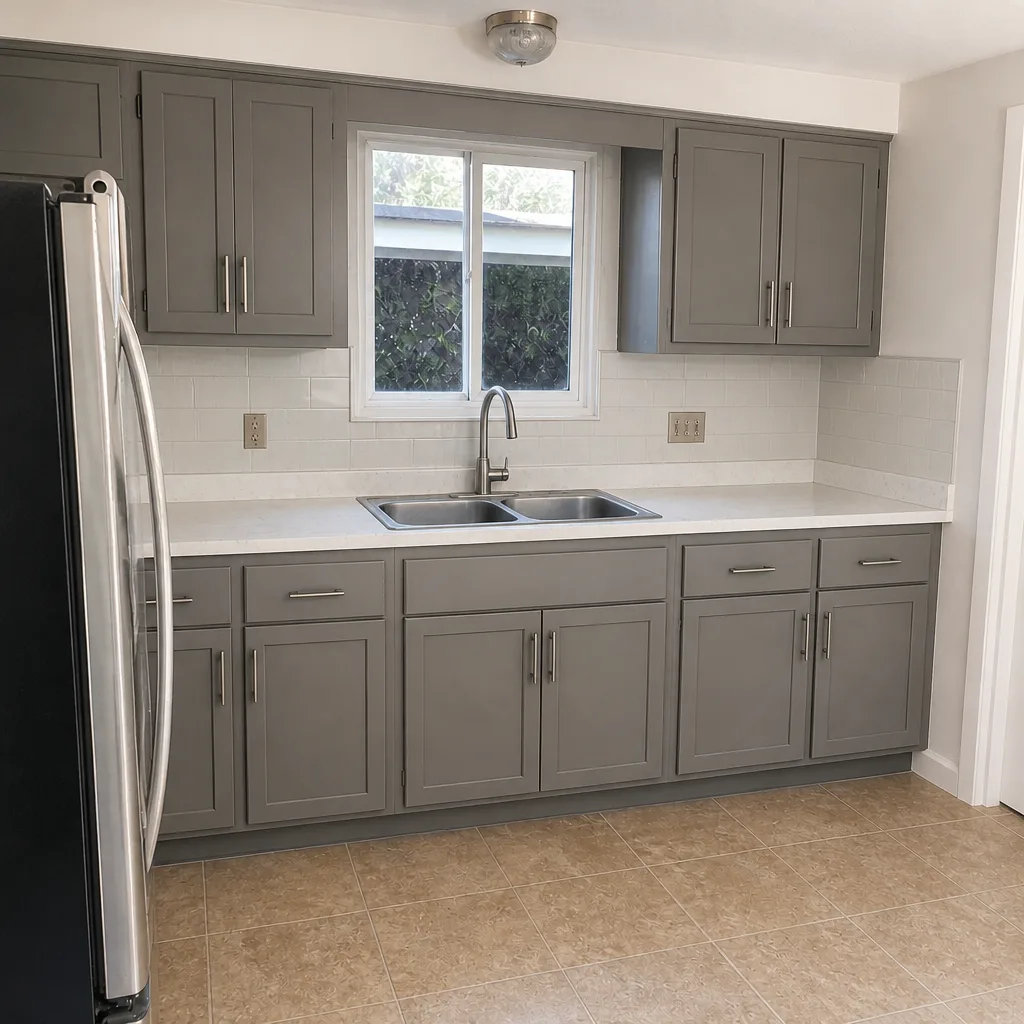 After
 Before
 After
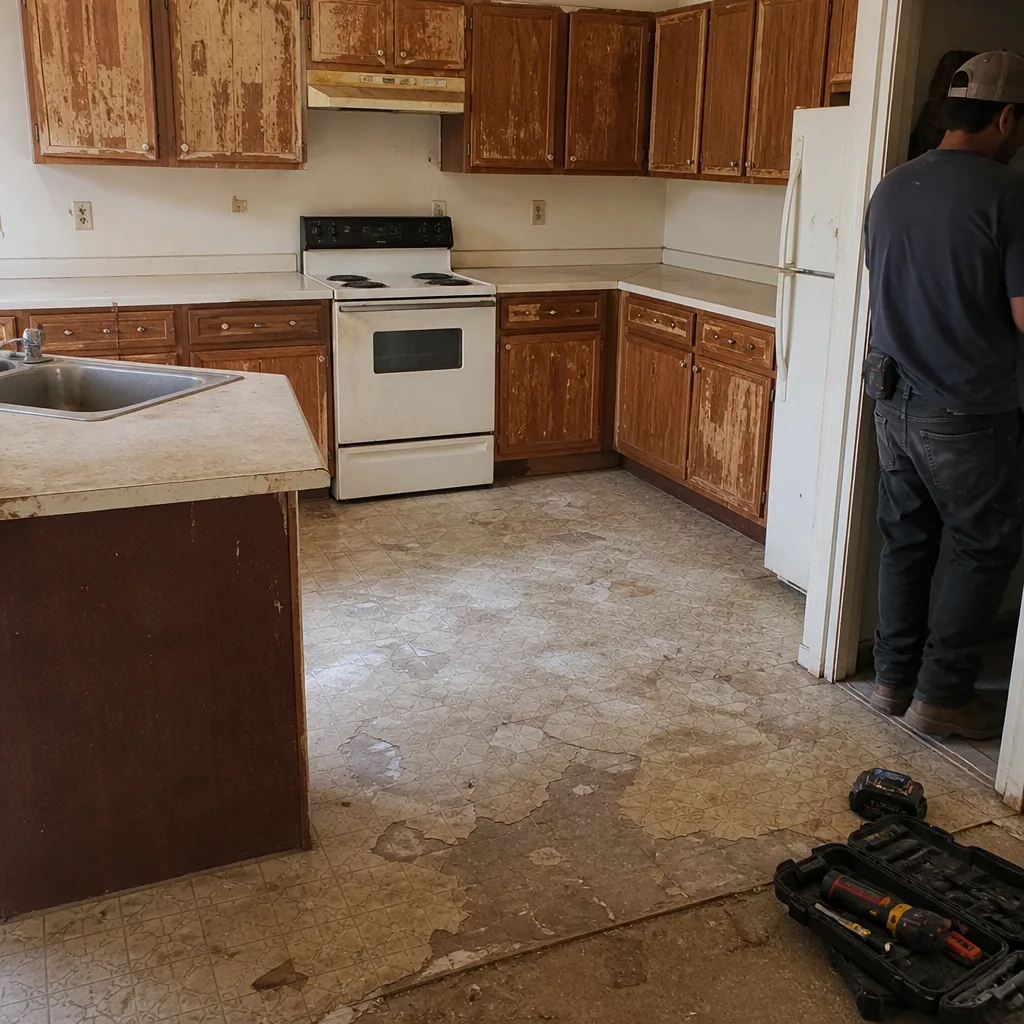 Before
 After
When to Call a Professional
Some work is safe to handle yourself. Hanging a shelf, painting a bedroom, swapping a faucet. The rest of a general contractor project in Whitney is not. Call a licensed professional when the work involves pulling a permit, moving plumbing or gas lines, opening walls for electrical work, changing structural framing, re-roofing, or anything that affects your home’s weather envelope. That list is longer than most homeowners expect, and it exists for a reason: gas lines and electrical panels are genuinely dangerous, and the inspection process catches problems a homeowner can’t see. If your project touches the bathroom, kitchen, roof, or exterior, bring in a licensed contractor who can answer for it in writing. Our General Contractor in Whitney page covers our full scope, and Sawyer Remodeling Whitney offers free estimates in Whitney. Call (833) 570-8789 to schedule yours.
Frequently Asked Questions
A Whitney bathroom remodel typically runs from about $8,000 for a cosmetic refresh to $30,000+ for a full layout change with new plumbing and a walk-in shower. The number is driven by whether plumbing moves, the tile selection, and the glass enclosure. Call (833) 570-8789 for an exact quote. Estimates are free.
Yes. Kitchen remodels in Whitney generally require a permit from Clark County’s Department of Building & Fire Prevention, and the scope determines whether electrical, plumbing, and mechanical trades each need their own license sign-off. Unpermitted work can create problems at resale and during a future inspection. Confirm with your contractor that the permit is being pulled in the property’s name.
Clark County’s Department of Building & Fire Prevention, because Whitney is an unincorporated area. The City of Las Vegas permit office handles addresses inside city limits, and using that office for a Whitney property will send your project to the wrong review queue. Ask your contractor which office they filed with and get it in writing.
They’re different. Adhesive open time, shingle thermal performance, paint application windows, and cabinet finish heat tolerance all behave differently in 115°F heat. A desert-experienced contractor will raise these products unprompted. If they don’t, ask about them before you sign, and take the answer as a signal.
It shouldn’t. A written scope with line items, allowances, and a change-order process means the number on your invoice is the number you approved. We put pricing in writing before work starts under The Relay Visibility Guarantee. Call (833) 570-8789 for a written estimate.
A bath typically takes three to five weeks on site from demo to final; a kitchen runs six to ten weeks depending on cabinet lead times and whether layout changes require electrical work. Permit review adds time before work starts. Get a phase-by-phase timeline in writing with your scope so you know what to expect at each stage.
The Bottom Line

Hiring a general contractor in Whitney is a different job than hiring one in a generic American suburb. Confirm the permit comes from Clark County, not the City of Las Vegas. Verify the Nevada license in writing before you call anyone back. Ask about heat-rated materials for tile, roofing, and exterior finishes, and treat a shrug as a red flag. Demand a written scope with line items, allowances, a change-order process, and a written warranty. Then check that the contractor actually works in Whitney, not just claims a ten-city list. Get the price in writing before work starts, and you’ve avoided the most common traps in this market. For a starting point, see our Sawyer Remodeling Whitney home page, or call (833) 570-8789 to schedule a free estimate.
Written by the team at Sawyer Remodeling Whitney.