Last updated November 17, 2026








Free written scope consultation - allowances, timeline, and change-order rules on paper before a single trade is scheduled
General Contractor Maintenance Checklist for Whitney Homeowners
Whitney averages over 300 days of sun a year and summer temperatures that push past 115°F. The maintenance calendar that works in Phoenix or Tucson still gets it wrong for the specific way heat, caliche soil, and hard water attack Nevada homes. Most of the damage we see in Whitney didn’t happen overnight – it built up quietly over two or three summers while a hairline stucco crack widened or a water heater anode dissolved. This guide maps out the maintenance schedule that actually fits Whitney: what to check before June, why hard water gives you about 18 months before real damage shows, how caliche moves after rain, and which jobs legally need a licensed contractor in Nevada.
Quick Answer
A maintenance checklist for Whitney homes needs three things a generic seasonal list misses: a pre-summer inspection focused on thermal cracking and HVAC load, a hard-water schedule built around Whitney’s mineral-heavy supply, and a post-rain check on caliche soil movement around foundations and flatwork. Do the pre-summer work in April and May, treat hard water as an 18-month clock, and document every job with photos and receipts so warranties and future permits stay clean.
Styles & brands we work with
- Kitchen remodeling
- Bathroom remodeling
- Home additions & ADU
- Roofing
- Windows & doors
- Driveway & pavers
- Fence
Table of Contents
- The Whitney Pre-Summer Inspection
- Hard Water: The 18-Month Damage Timeline
- Caliche Soil and What Rare Rain Does to Your Home
- What Nevada Law Requires a Licensed Contractor For
- How to Document Maintenance So It Doesn’t Bite You Later
- Seasonal Schedule for Whitney Homes
- Common Mistakes to Avoid
- Frequently Asked Questions
The Whitney Pre-Summer Inspection
April and May are the months that decide how your Whitney home handles June, July, and August. Once the mercury sits above 110°F for weeks, small failures turn into expensive ones fast, and technicians are booked solid. Get ahead of the heat instead of chasing it.
Stucco Hairline Cracks From Thermal Cycling
Whitney stucco goes through a brutal daily cycle: 90°F at dawn, 115°F by afternoon. That expansion and contraction is what causes the hairline cracks you’ll find on south- and west-facing walls. A crack under a sixteenth of an inch is cosmetic. Anything wider, or any crack that runs diagonally from a window corner, needs a closer look before the summer sun works it deeper. Walk the exterior with a phone camera and photograph every crack you find, with a coin or tape measure for scale.
HVAC Pre-Load Service Before June
Your air conditioner isn’t just cooling a house in Whitney; it’s fighting 115°F air for months. A pre-summer service – coil cleaning, refrigerant check, capacitor inspection – costs far less than an emergency call in July when the unit quits at 4 PM on a 112°F day. Change filters monthly through the summer. Whitney dust loads filters faster than most homeowners expect.
Weatherstripping and UV Degradation
Nevada’s UV index destroys exterior weatherstripping, door sweeps, and window seals faster than most climates. Failing seals let cooled air escape and hot air in, which raises your bill and strains the AC. Test every exterior door by running a hand around the frame on a hot afternoon; if you feel warm air, replace the seal. On a Whitney home, expect to redo exterior seals every three to five years.
Hard Water: The 18-Month Damage Timeline
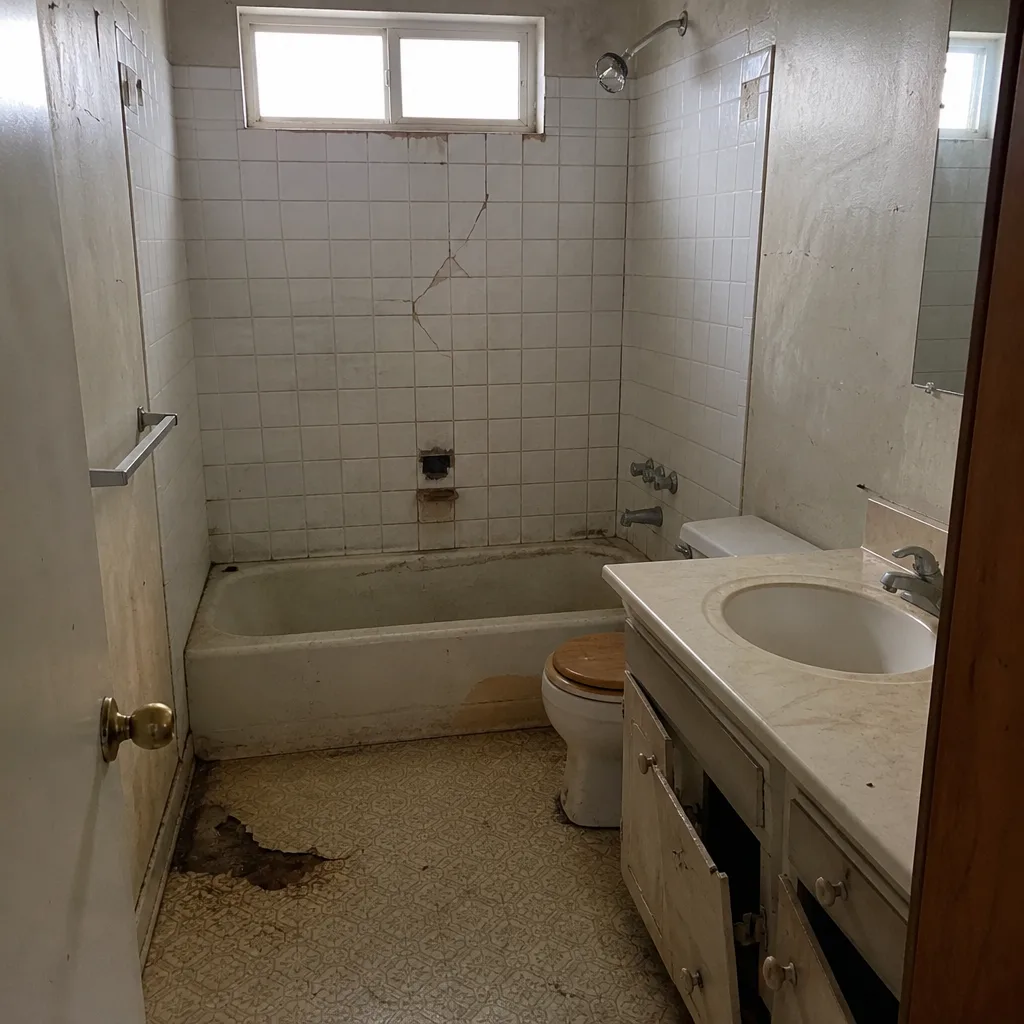
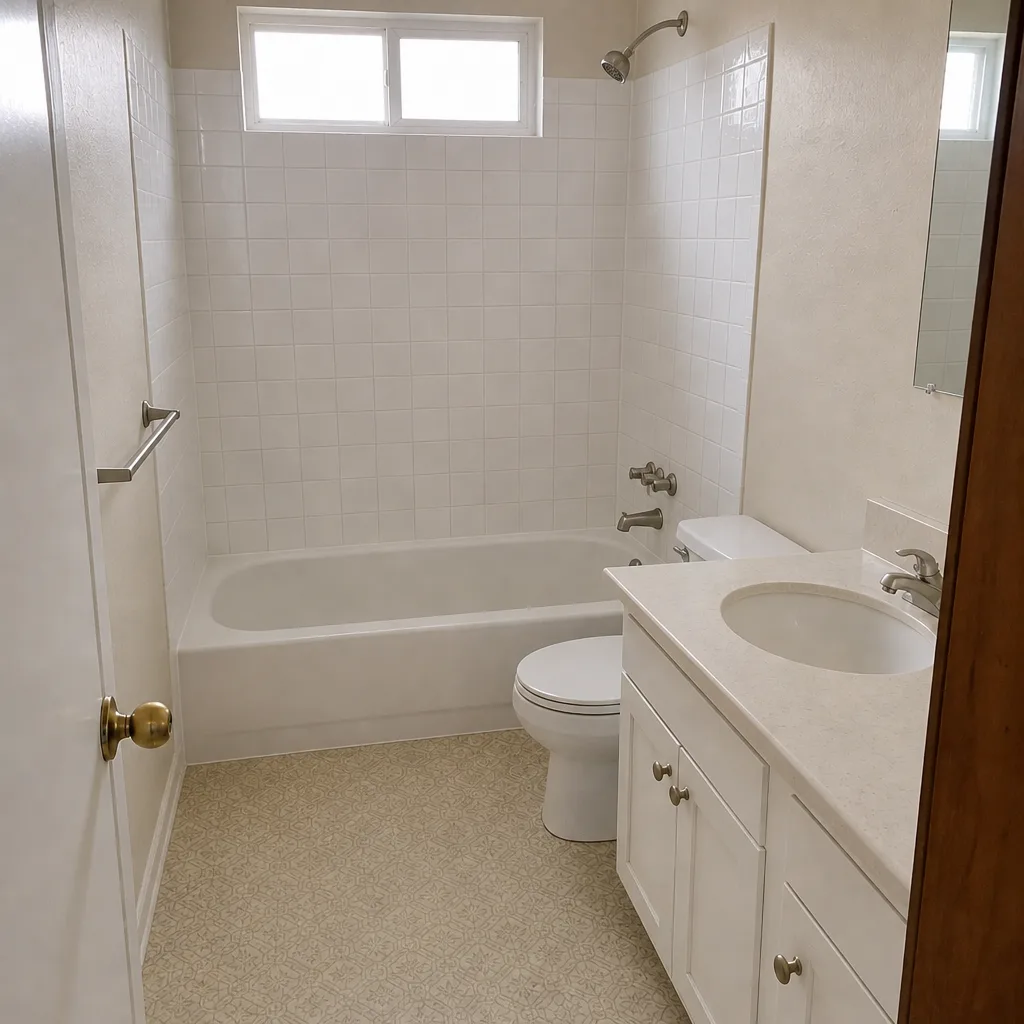
Whitney’s water supply runs mineral-heavy. That’s the single biggest factor most maintenance checklists ignore. In our experience, you have roughly 18 months from a fresh install or remodel before hard water starts leaving visible marks on grout, fixtures, and the water heater’s anode rod.
- Months 0-6: White film starts on glass shower doors and faucet aerators. Easy to clean now; ignore it and it becomes permanent scale.
- Months 6-12: Grout lines turn chalky and start to erode. Sealed grout buys time; unsealed grout starts losing material.
- Months 12-18: Faucet cartridges stiffen. The water heater’s anode rod – the sacrificial metal that protects the tank from corrosion – wears down faster than in soft-water homes. A spent anode means tank failure, not a cheap cartridge swap.
What to Do
Annual water heater flush and anode check, grout resealing every 18 to 24 months, and a whole-home softener if you plan to stay in Whitney long term. If you’re planning a bathroom remodel, choose fixtures built for hard water service. Brands like Kohler and Moen sell cartridges that hold up well with regular descaling, and Caesarstone quartz surfaces don’t etch the way natural stone does when mineral deposits sit on them.
Caliche Soil and What Rare Rain Does to Your Home
Whitney sits on caliche – a natural cement of calcium carbonate that binds soil into something closer to rock. Dry, it’s stable. But when rare heavy rain soaks in, caliche swells. When it dries, it contracts. That cycle puts real stress on foundations, driveways, patios, and exterior walls.
After any significant rain event, walk your property and look for:
- New cracks in concrete flatwork – driveway, patio, sidewalks. Hairline is normal; step cracks or offset edges mean movement.
- Gaps at the base of exterior walls – where stucco meets grade. Expanding caliche can push walls; shrinking caliche leaves voids.
- Doors that suddenly stick – a door that jammed after the last rain may indicate foundation movement, not a hinge problem.
- Water pooling against the house – Whitney’s caliche drains poorly. If water stands against your foundation for hours after rain, regrade the soil away from the home.
Foundation repair from caliche movement is not cheap. Catching the early signs during a post-rain walk costs nothing.
What Nevada Law Requires a Licensed Contractor For
Nevada is stricter than many states about which home repairs require a licensed contractor. Getting this wrong can cost you a permit denial, an insurance headache, or a warranty fight. Here’s the practical split.
Usually requires a licensed contractor in Nevada:
- Any structural repair, including foundation work, wall removal, and framing
- Electrical work beyond swapping a fixture or outlet cover
- Plumbing work beyond replacing a faucet or toilet flapper
- Water heater replacement (permit and licensed install are required)
- Roofing, stucco replacement, and exterior siding
- Any project requiring a permit, which includes most remodels above a certain scope
Homeowners can typically self-handle:
- Cosmetic patching and painting
- Caulking, weatherstripping, and grout resealing
- Landscaping and irrigation (with water restrictions in mind)
- Replacing outlets, switches, and fixture covers
- Filter changes, descaling, and routine cleaning
When in doubt, the permit office is the authority. Call before you start, not after. If you need work on a bathroom or kitchen in Whitney, look for a General Contractor in Whitney who pulls permits as standard practice – it protects you at resale.
How to Document Maintenance So It Doesn’t Bite You Later
Warranties, insurance claims, and future permit pulls all depend on one thing: proof you maintained the home. In our experience, the homeowners who get the fastest resolution are the ones with a simple, organized record.
- Keep a maintenance log – a spreadsheet or folder with date, job description, contractor, and cost for every repair.
- Photograph before and after – every exterior job, every plumbing repair, every HVAC service. Store photos by date, not by project.
- Save every receipt with the brand name visible – GAF roofing, James Hardie siding, and other manufacturer warranties often require proof of professional installation and material.
- Keep permit numbers – permit records are tied to your address and help at resale. Never remove a permitted install without documentation.
- Note the warranty terms – a 365-day written warranty on a repair means nothing if you can’t show the original invoice.
When homeowners we work with in Whitney ask us how to organize this, we point them to a simple shared folder that any family member can access. If you ever sell, a clean maintenance record is worth real money.
Seasonal Schedule for Whitney Homes
Whitney’s seasons run hotter and drier than most of the country, but the maintenance cadence still fits a calendar. Here’s the schedule we recommend for Whitney homes.
- February-March: Inspect exterior stucco for winter cracks. Check weatherstripping and door sweeps. Schedule annual HVAC inspection for April.
- April-May: Pre-summer HVAC service. Water heater flush and anode check. Walk the roof and flashing. Check irrigation lines before irrigation season begins.
- June-August: Change filters monthly. Descaling and hard-water treatment checks. Monitor for signs of caliche movement after any monsoon rain.
- September-October: Post-summer exterior inspection. Reseal grout and countertops before the cool season. Roof and gutter check for heat-damaged material.
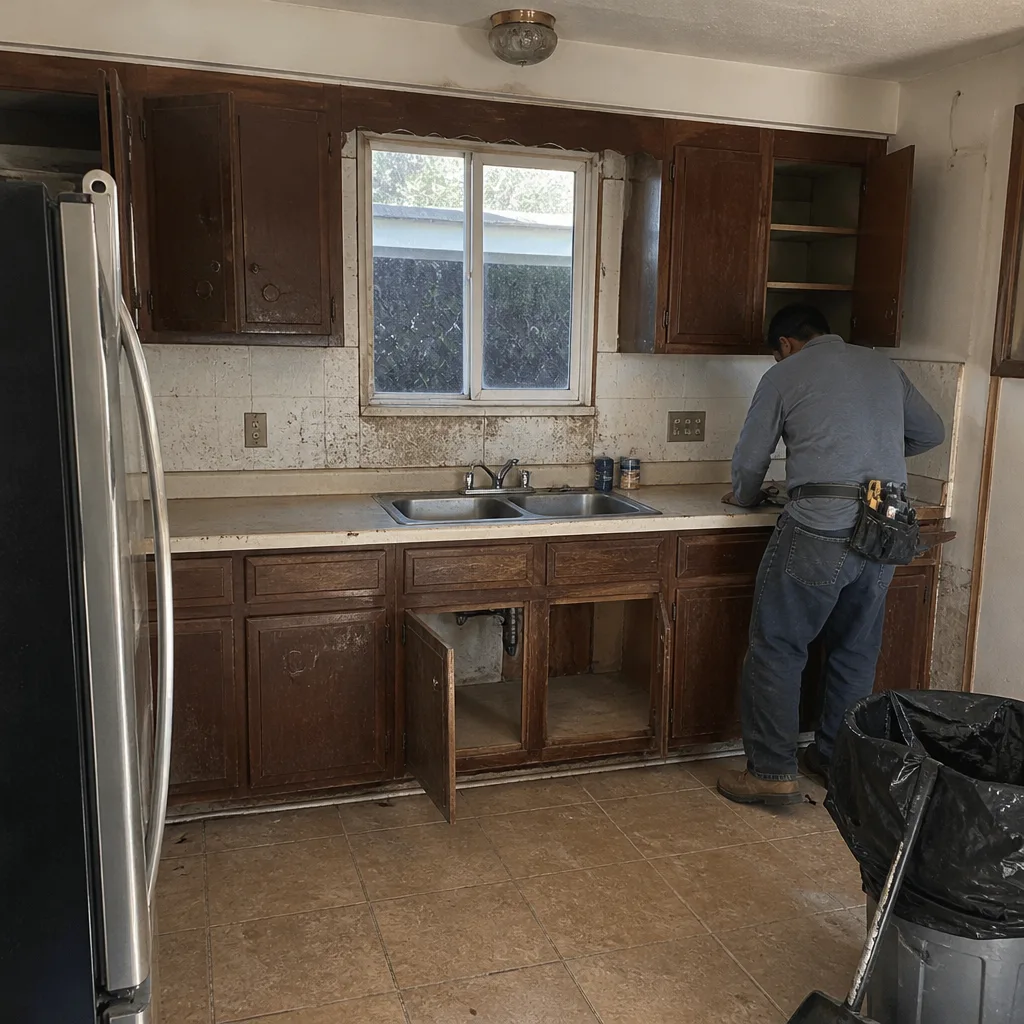
- November-January: Inspect seals and weatherstripping again. Plan any interior remodels for the slower season, which is the best time for Kitchen Remodeling in Whitney or Bathroom Remodeling in Whitney to start.
For a full walkthrough of the home, check our Sawyer Remodeling Whitney home page as a starting point for what a general contractor maintenance visit covers in Whitney.
Common Mistakes to Avoid
- Running the summer without pre-season HVAC service. An emergency repair in July costs triple and takes days to schedule. Do the inspection in April.
- Ignoring hard water for “later”. Whitney homes don’t have a later. Grout, cartridges, and water heater tanks all degrade faster than you think, and by the time it’s visible, you’re replacing.
- Assuming all cracks are cosmetic. A diagonal crack from a window corner on a Whitney home isn’t stucco settling – it may be caliche movement. Photograph and get a professional opinion.
- Self-handling work that requires a permit. Water heater replacement, electrical panel changes, and structural work all need licensed, permitted installs in Nevada. Skipping this voids warranties and complicates resale.
- Not documenting repairs. Losing receipts for a GAF or James Hardie install can void a manufacturer warranty. Keep the paperwork.
- Expecting Phoenix or Tucson maintenance advice to fit Whitney. The desert timing is different. Our heat is more sustained, our hard water is harder, and our caliche is a distinct problem. Treat Whitney as its own climate zone.
- Skipping the post-rain walk. Two minutes of checking cracks after a monsoon saves thousands in foundation work.
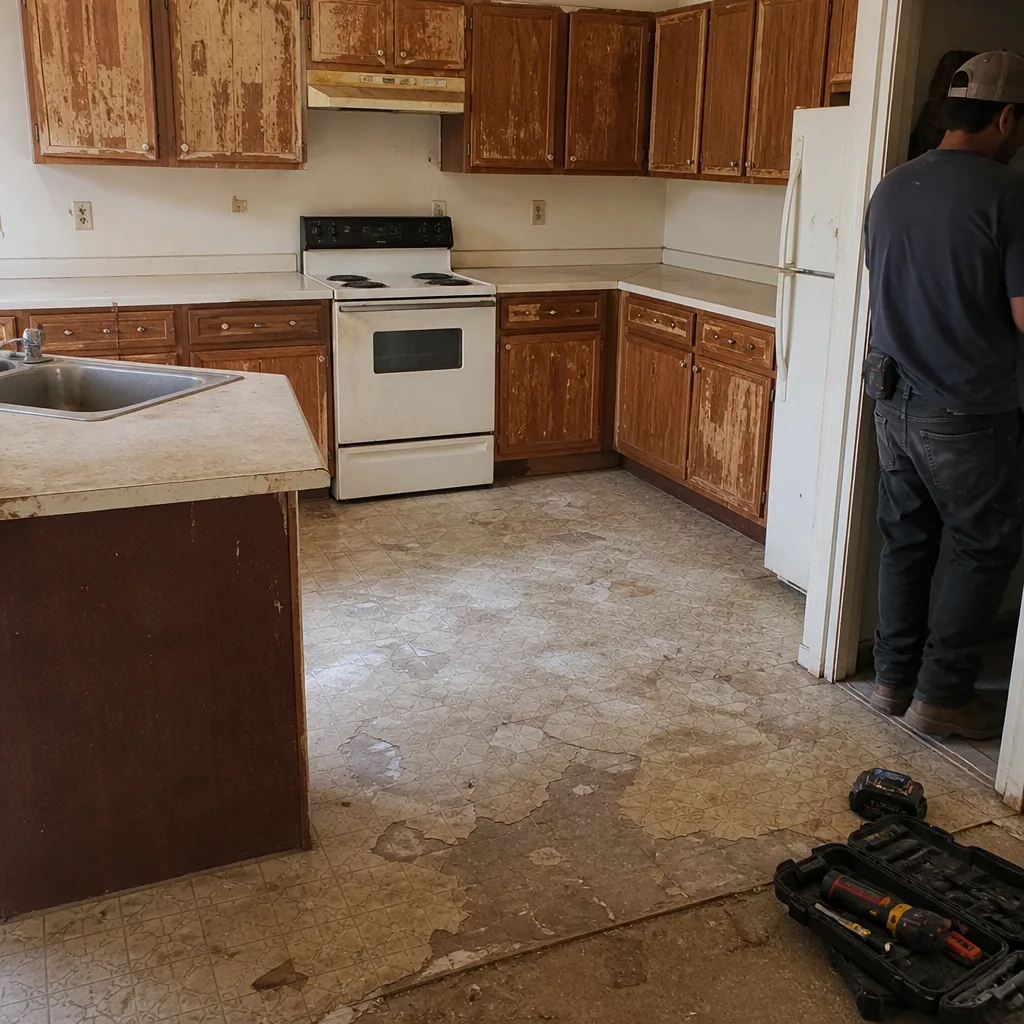
See the difference
 Before
 After
 Before
 After
 Before
 After
When to Call a Professional
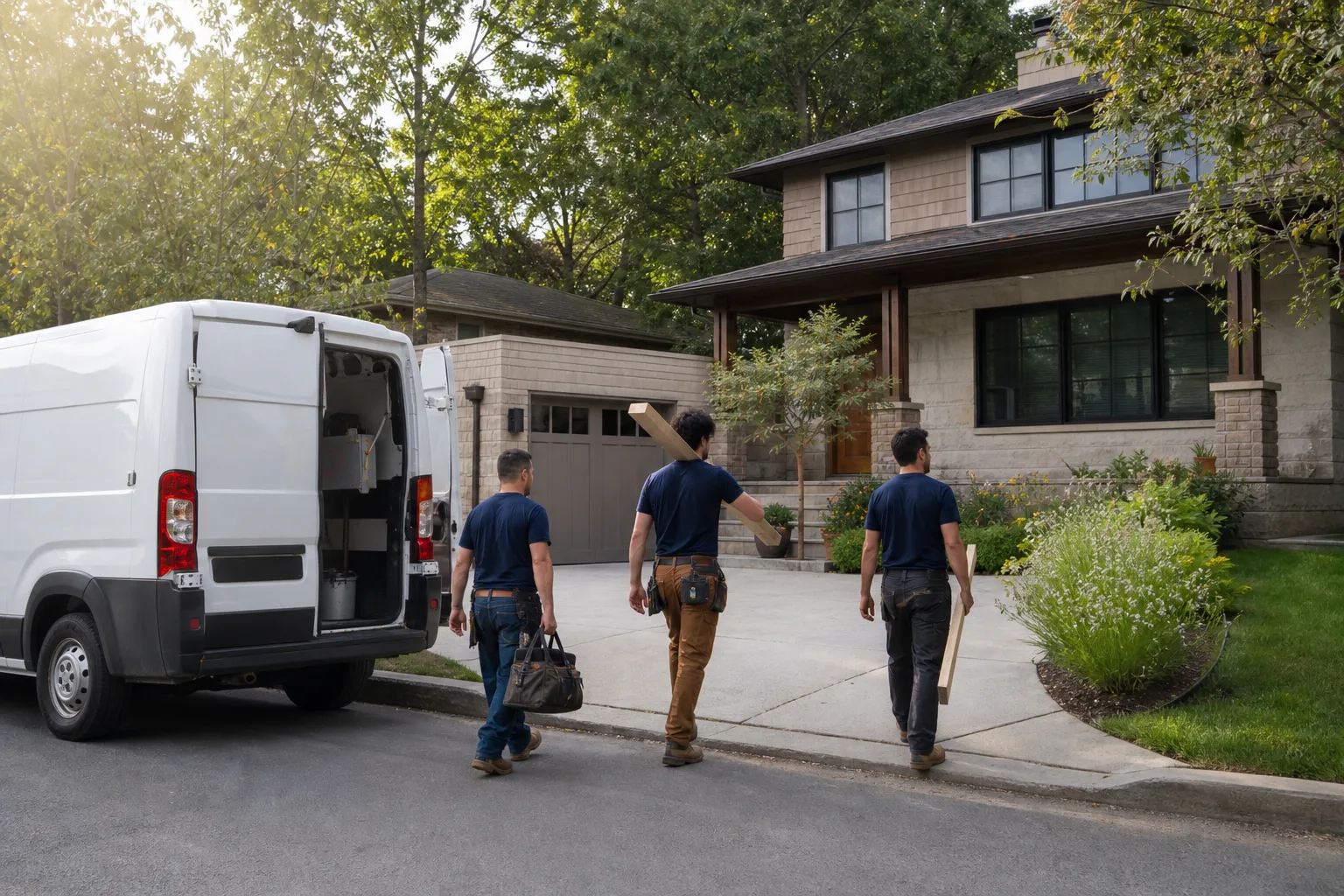
Some maintenance is genuinely DIY. Some isn’t. Call a licensed contractor when you see stucco cracks wider than a sixteenth of an inch, any door or window that sticks after a rain event, water pooling against the foundation, or a water heater past its service life. Electrical work, gas lines, roofing, and any structural change all require a licensed professional in Nevada. And if you’re planning a remodel, get the scope priced in writing before you commit to a budget. Sawyer Remodeling Whitney offers free estimates in Whitney – call (833) 570-8789 to schedule, and we’ll put the number in writing before any work starts.
Frequently Asked Questions

Once a year, scheduled in April or early May, before temperatures climb past 100°F. In Whitney, an AC that fails in July can take days to repair, so the pre-season service is the single best money you spend all year. Call (833) 570-8789 for a free estimate if your system is over 10 years old and you’re weighing replacement.
Sealed grout in a Whitney home typically holds up 18 to 24 months before resealing is needed. Unsealed grout in a hard-water home starts eroding in under a year. If you’re remodeling a bathroom, ask your contractor about epoxy grout, which holds up better with mineral-heavy water.
Walk the property within 24 hours and check for new cracks in concrete, gaps where stucco meets grade, and water pooling against the foundation. Caliche swells when wet and contracts when dry, so movement after a rain event is the earliest sign of a foundation issue. Photograph anything you find.
Yes. Water heater replacement requires a permit and a licensed installer in Nevada. Doing it yourself can void the manufacturer warranty and cause a permit problem at resale. Call (833) 570-8789 for a free written estimate on a permitted replacement.
Keep a dated log of every repair with the contractor name, cost, brand of materials used, and photos before and after. Save original receipts. Manufacturer warranties on products like GAF roofing or James Hardie siding usually require proof of professional installation to stay valid.
Sawyer Remodeling Whitney works in and around Whitney. Our technicians have up to 21 years of experience, and every project comes with the Relay Visibility Guarantee: a written price before work starts, live arrival tracking, and before-and-after photo updates. Call (833) 570-8789 to confirm service availability for your address.
The Bottom Line
Maintenance for a Whitney home isn’t a generic to-do list – it’s a schedule built around 300+ days of sun, sustained 115°F summers, hard water that damages on an 18-month clock, and caliche soil that moves after every rain. Do the pre-summer inspection in April, treat hard water as a recurring cost, walk the property after every monsoon, document every repair, and know which jobs legally need a licensed contractor. Homeowners who follow this schedule spend less and sleep better than the ones who wait for something to break.
Contact us: Ready to schedule a free maintenance estimate or a planned remodel? Call Sawyer Remodeling Whitney at (833) 570-8789. We’ll give you a written price before any work starts, confirm when we’ll arrive, and send photo updates along the way.
Written by the team at Sawyer Remodeling Whitney.