Last updated November 17, 2026








Free written scope consultation - allowances, timeline, and change-order rules on paper before a single trade is scheduled
General Contractor Troubleshooting: Common Problems and How to Fix Them
A contractor who goes quiet mid-project isn’t always scamming you. Sometimes the job stalled because an inspection failed, a material is backordered, or a subcontractor didn’t show. The homeowner who can tell the difference gets their project finished. The one who can’t ends up in a dispute that costs more than the original problem.
Most contractor problems aren’t caused by bad tradespeople. They’re caused by contracts that never defined “done,” schedules that were never written down, and homeowners who didn’t know what questions to ask before work started. This guide teaches you to diagnose which category your problem falls into, so you can fix it without torching the relationship or lawyering up unnecessarily. We’ve watched enough Whitney projects go sideways to know the patterns.
Quick Answer
If your contractor stopped working, missed a deadline, or produced work that looks wrong, your first move is to send a calm, specific written message that states the issue and asks for a dated plan to resolve it. Don’t threaten, don’t withhold payment without documentation, and don’t file a complaint until you’ve narrowed the problem to one of four categories: communication, scope, money, or licensing. Each requires a different response, and choosing the wrong one is why most disputes escalate.
Styles & brands we work with
- Kitchen remodeling
- Bathroom remodeling
- Home additions & ADU
- Roofing
- Windows & doors
- Driveway & pavers
- Fence
Table of Contents
- How to Diagnose Which Kind of Contractor Problem You Have
- How to Write a Cure Notice That Documents Without Escalating
- What the Nevada Contractors Board Complaint Actually Does
- Your Lien Rights When a Subcontractor Isn’t Paid
- Scripts for the Three Hardest Conversations
- Why Schedules Stall and What to Do About It
- How Scope Creep Turns Small Jobs Into Disputes
- When to Walk Away and Hire Someone Else
How to Diagnose Which Kind of Contractor Problem You Have
Before you send a single message, sort your problem into one of four buckets. The response is different for each, and mixing them up is what turns a stalled project into a three-month fight.
Communication problem. The contractor is working, but you can’t get an update. Calls go to voicemail, texts go unanswered for days, you don’t know who’s coming tomorrow. The work itself is fine. This is the most common problem and the easiest to fix, because the tradesperson isn’t failing, the information flow is.
Scope dispute. You and the contractor disagree about what was promised. They say the tile upgrade was always extra. You say it was in the original quote. This is a paperwork problem, and it’s solved by going back to the written contract, not by arguing about memory.
Financial problem. Money is the friction point. Either you think you’ve overpaid for work not done, or the contractor says they’re owed more than you’ve released. Financial problems need documentation and a written paper trail before anything else happens.
Licensing or legal issue. The contractor isn’t licensed in Nevada, won’t pull permits, or has abandoned the job entirely. This is the rarest category and the only one where regulatory complaints are the right first move.
In Whitney and the surrounding Las Vegas valley, we see a fifth pattern worth naming: weather-driven stalls. Summer heat above 110°F makes certain exterior work unsafe or impossible, and monsoon season in July and August can push roofing and stucco schedules by weeks. A contractor who disappears in August might be waiting out the heat, not ghosting you. Ask before you assume.
How to Write a Cure Notice That Documents Without Escalating
A cure notice is a written message that formally tells the contractor what’s wrong and gives them a chance to fix it. It’s not a demand letter. It’s not a threat. It’s a dated record that says “here’s the issue, here’s what I need, here’s when I need it.” If the dispute later goes to the Nevada Contractors Board or to court, this document is your foundation.
Write it in an email, not a text. Text messages are easy to lose and hard to produce in a formal complaint. Send it to the same email address that appears on your contract.
- Restate the facts, no adjectives. “The bathroom rough-in was scheduled for completion by June 14. As of June 28, the shower valve has not been installed and no one has been on site since June 20.” Skip “unprofessional,” “unacceptable,” and “frustrating.”
- Quote the contract. Reference the exact line or schedule you’re measuring against. If your contract says “substantial completion within 45 working days,” write that sentence into the notice.
- State the remedy you want. Be specific. “I need the shower valve installed and inspected by July 12,” not “I need this fixed soon.”
- Give a reasonable deadline. Ten business days is standard. A week is fine for small items. Don’t say “immediately” unless there’s an active safety issue like exposed wiring or a water leak.
- Say what happens if the deadline passes. Keep it plain: “If we don’t have a written schedule from you by July 12, I’ll need to pursue the remedies available under our contract.” That’s it. No lawyer threats yet.
Send it, save it, and give the contractor a chance to respond. Most stalls resolve at this step because the tradesperson now knows you’re keeping records. If the contractor is part of a larger company, cc the office. That’s the whole point of a cure notice: it moves the conversation from memory to paper without anyone having to raise their voice.
What the Nevada Contractors Board Complaint Actually Does
The Nevada State Contractors Board (NSCB) licenses contractors and investigates complaints against them. Filing a complaint is free, and it’s the right step when a licensed contractor abandons a job, performs work that doesn’t meet code, or takes money without doing the work. But homeowners routinely expect the Board to solve problems it can’t solve, and that mismatch wastes months.
Here’s what the complaint process can do:
- Investigate whether the contractor violated licensing law or the state’s workmanship standards.
- Require the contractor to respond to your allegations in writing.
- Refer the case to the Board’s Residential Recovery Fund, which can pay limited compensation to homeowners harmed by a licensed contractor’s violation.
- Suspend or revoke a license, or take disciplinary action against the contractor.
Here’s what it can’t do:
- Force the contractor to finish your job. The Board doesn’t order specific performance.
- Recover the full amount you lost. The Recovery Fund has caps and eligibility rules.
- Resolve a pure scope dispute where the contract language is genuinely ambiguous.
- Move quickly. Investigations can take weeks or months to work through.
The practical takeaway: file the complaint when the contractor is licensed and has clearly failed on a legal or code standard, and file it in parallel with whatever else you’re doing, not as a substitute. Treat the Board as a record-builder, not a rescue crew. In Whitney, most of the projects we’re called in to finish after a walkout involve a contractor whose license was already flagged, which is why we recommend checking the NSCB license lookup before you sign anything.
Your Lien Rights When a Subcontractor Isn’t Paid
Here’s a scenario that blindsides homeowners: your general contractor pays the framing crew late, the crew files a mechanics lien against your property, and suddenly you’re the one getting legal notices even though you paid your GC in full. This is legal and it happens in Nevada. Understanding it before it happens is the difference between a scary letter and a crisis.
Nevada mechanics lien law allows anyone who provided labor or materials to your property to record a lien if they aren’t paid. The lien attaches to the property, not the contractor. That means the subcontractor’s remedy is your house, even if your relationship with your GC is fine.
What protects you:
- Preliminary notices. In Nevada, subcontractors and suppliers must generally send a preliminary notice to the owner within a set window early in the project. If you get one, keep it. It’s not a threat, it’s a heads-up that this party has lien rights.
- Joint checks. For larger projects, paying key subs jointly (a check made out to both the GC and the sub) confirms the sub was paid directly.
- Lien waivers. Ask your GC for conditional lien waivers from major subs as payments are made. A conditional waiver says the sub gives up lien rights upon payment. Get them at each draw.
- Nevada’s notice of completion. Recording a Notice of Completion after the job closes starts a short clock for anyone to file a lien. It’s your clean-exit move.
If a lien is already filed, don’t ignore it. A recorded lien has a deadline to be enforced in court, and letting it sit can complicate a future sale or refinance. Talk to a construction attorney. This is one of the few categories where a professional on your side pays for itself in the first conversation.
Scripts for the Three Hardest Conversations
Most contractor conflicts get worse because homeowners avoid the conversation until they’re angry. Then the message lands as an attack, the contractor gets defensive, and the project freezes. Here are the words we’ve seen work, drawn from watching hundreds of these conversations on both sides.
“You missed the deadline.”
Say: “Our contract lists [date] for substantial completion. It’s now [date + days]. I’m not trying to assign blame, I need to understand what happened and what the new date is, in writing, before we go further.”
Notice what’s missing: the word “unacceptable.” You’re not asking for an apology, you’re asking for a new schedule with a date on it. If the contractor can explain the delay (permit lag, backordered tile, an inspection correction), you can decide whether to accept it. If they can’t, that’s your signal.
“This work looks wrong.”
Say: “I want to walk the [kitchen / bathroom / roof] with you this week. The [specific thing – grout line, cabinet reveal, flashing detail] doesn’t match what we approved. Can we schedule 20 minutes so I can show you what I’m seeing?”
Be specific and be in person. Vague complaints like “this looks bad” put a contractor on defense because they don’t know what to fix. Point at the exact thing. Bring the original drawings or photos. If it’s a code question, ask whether the work was inspected. In Whitney, most “this looks wrong” issues we’re called to look at turn out to be one of two things: a finish detail that wasn’t spelled out in the contract, or a genuine defect that the contractor hadn’t noticed yet.
“I want a refund.”
Say: “I’ve paid $[X] and the work completed is $[Y] based on our payment schedule. I’d like to settle the difference and part ways. Can we agree on a final amount in writing?”
Refunds are rare in construction because money is spent as work happens. What’s more common is a settlement: you and the contractor agree on what’s been completed, what hasn’t, and a final number that closes the relationship. Put it in a short written agreement signed by both sides. That document is worth more than any angry email.
Why Schedules Stall and What to Do About It
A stalled job usually isn’t one problem. It’s a stack of small ones nobody surfaced. The homeowner sees “nobody’s here,” but the actual cause is somewhere in the permit office, the supply chain, or the subcontractor’s calendar. Asking the right question gets you a real answer instead of “we’ll be back next week.”
The four most common real causes we see in Whitney:
- Permit delays or inspection corrections. Clark County permitting can add weeks to a project when a plan reviewer comes back with corrections. If your contractor won’t produce the permit number and inspection log, that’s a red flag. Ask for both in writing.
- Material backorders. Certain cabinet lines, tile lots, and window brands run long. Ask for the purchase order and the manufacturer’s estimated ship date. A real backorder has paperwork behind it.
- Subcontractor sequencing. Plumbers, electricians, and finish crews don’t work the same days. A drywaller who’s on another job can push your project by a week even though your GC is fully engaged. Ask which trade is blocking and when they’re scheduled.
- Weather. Exterior stucco, roofing, and painting all need temperature windows. Summer afternoon thunderstorms in Whitney can wipe out two days of roofing in ten minutes. This is normal, and a contractor who plans for it is more reliable than one who promises perfect timing.
Whatever the cause, the fix is the same: ask for a written updated schedule with real dates, not ranges. “End of the month” isn’t a date. “July 22, weather permitting” is.
How Scope Creep Turns Small Jobs Into Disputes
Scope creep is the quiet killer of remodeling projects. It starts with a small upgrade (“while you’re in there, can you swap the vanity light?”), gets agreed to verbally, and three months later the invoice is $4,200 higher than the contract and neither of you can prove what was agreed to. This is the number one cause of mid-project financial disputes we see in Whitney.
The productive habit: every change gets a written change order before the work starts. A change order doesn’t have to be formal. It can be a one-paragraph email that says “additional light fixture install, $280, adds two days to schedule, reply ‘approved’ to proceed.” That’s a contract. Screenshot it, save it, keep it in your project folder.
If your contractor starts scope-creeping without change orders, say so early. “I noticed the last two items weren’t written up. Can we put a change order in place for those before more work happens?” This protects both of you. It also tells the contractor you’re tracking the project, which usually reduces the creep on its own.
If your project is bigger than a bathroom refresh and you haven’t started yet, the safest move is choosing a contractor with a written process for changes. We run every Sawyer Remodeling Whitney home project under The Relay Visibility Guarantee: a written price before any tools come out, a live arrival time, and before-and-after photos so you always know where the job stands. That process is the antidote to scope creep, because the number on the invoice is the number you approved.
When to Walk Away and Hire Someone Else
Sometimes the honest answer is that the relationship is over. Walking away costs money, but staying with a contractor who’s failing can cost more. Here’s when to make the call.
- The contractor won’t put anything in writing. No schedule, no change orders, no response to your cure notice. Written communication is the baseline of a working relationship. If they refuse, the relationship is already broken.
- Work fails inspection twice. Once is common. Twice on the same item suggests the crew doesn’t know the code.
- The contractor asks for money ahead of the schedule. Legitimate progress payments match completed work. A request for a large draw before the work happens is a red flag.
- The license isn’t verifiable. Check the Nevada State Contractors Board. If they’re unlicensed, uninsured, or operating under a suspended license, walk today.
- The contractor has disappeared for more than two weeks without explanation. Silence is data. A working contractor with a legit reason for a lapse will tell you what it is.
If you walk, document everything: contracts, payment records, photos, the cure notice, and any inspection reports. That file will make the next steps – whether settlement, a new contractor, or a complaint – much faster. And before you hire a replacement, ask for two written references from jobs that finished in the last six months. A general contractor in Whitney with a healthy pipeline will have no trouble producing them.
Common Mistakes to Avoid
- Paying the full contract up front. A 10% to 20% deposit is normal. Anything more is asking for trouble, especially on jobs where the scope could drift.
- Agreeing to a verbal change. Every upgrade, add-on, or “while you’re in there” gets a written change order. No exceptions. If the contractor resists paperwork on a change, that’s your warning.
- Skipping the license check. Nevada law requires contractors to be licensed for anything over $1,000 in combined labor and materials. Verify the license and the insurance before you sign.
- Not recording a Notice of Completion. Homeowners forget this step, then discover a lien months later. Record it within the statutory window after the job closes.
- Ignoring the first inspection correction. If a permit inspection fails, ask for the correction list in writing and follow up. Corrections pile up fast if nobody owns them.
- Escalating to a lawyer too soon. A cure notice resolves most stalls. A lawyer should be for genuine disputes, not for a missed deadline that’s fixable in a week.
- Hiring on the lowest bid without comparing scope. Two quotes that are $9,000 apart usually aren’t the same job. Ask each contractor to itemize labor and materials so you can compare apples to apples.
See the difference
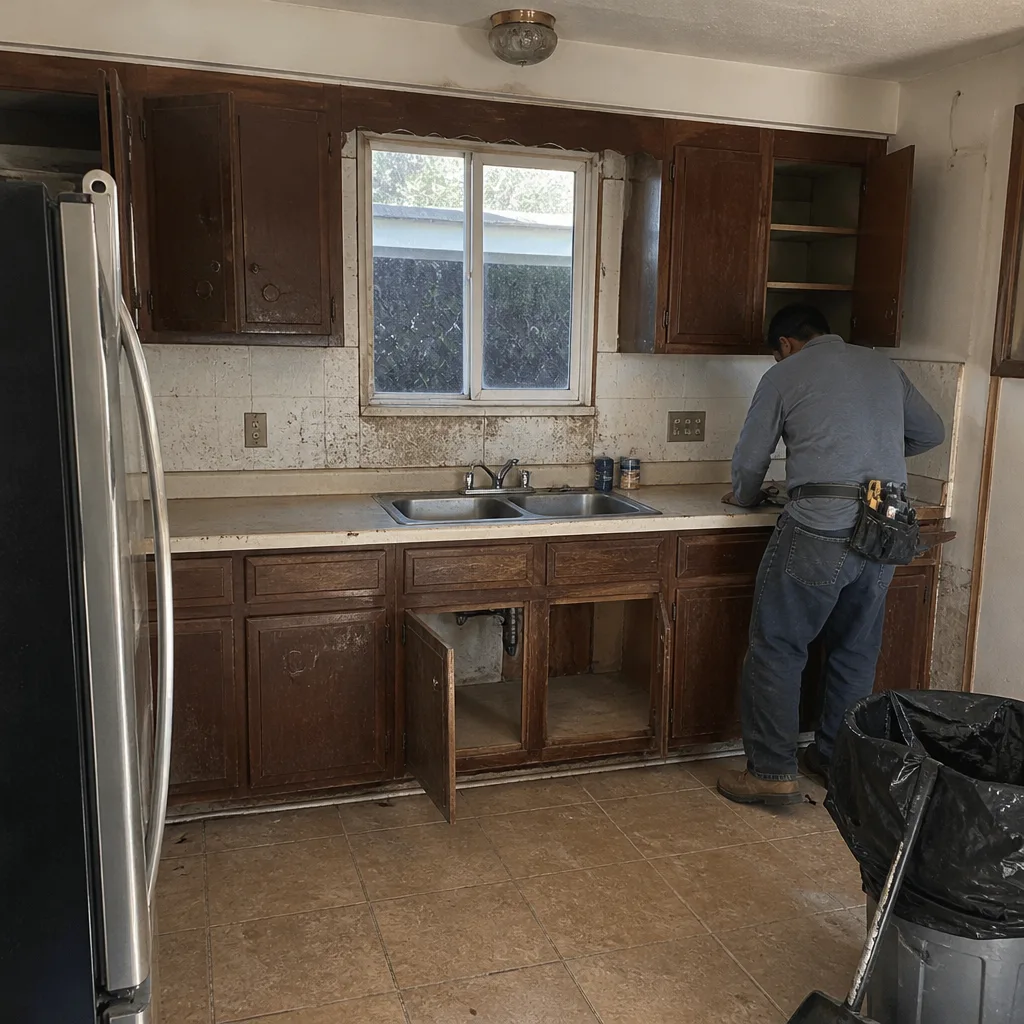 Before
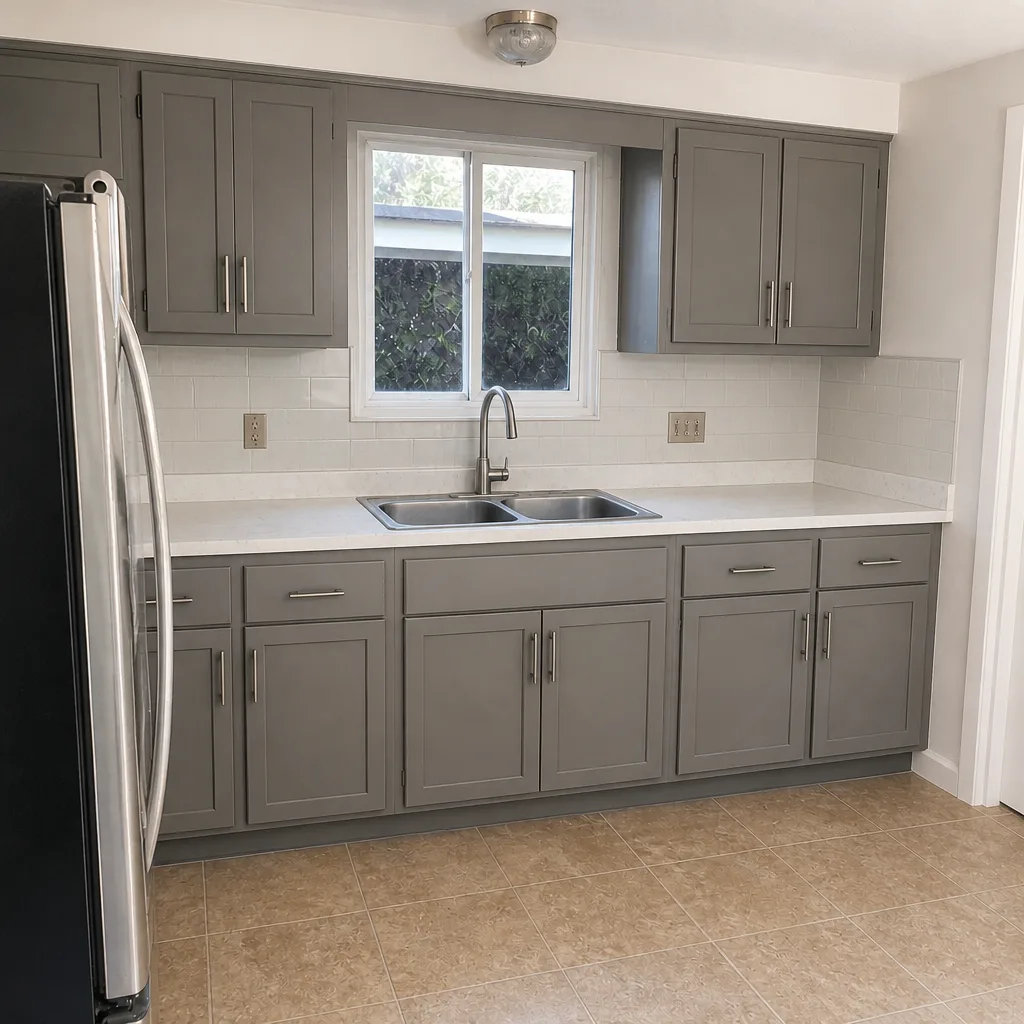 After
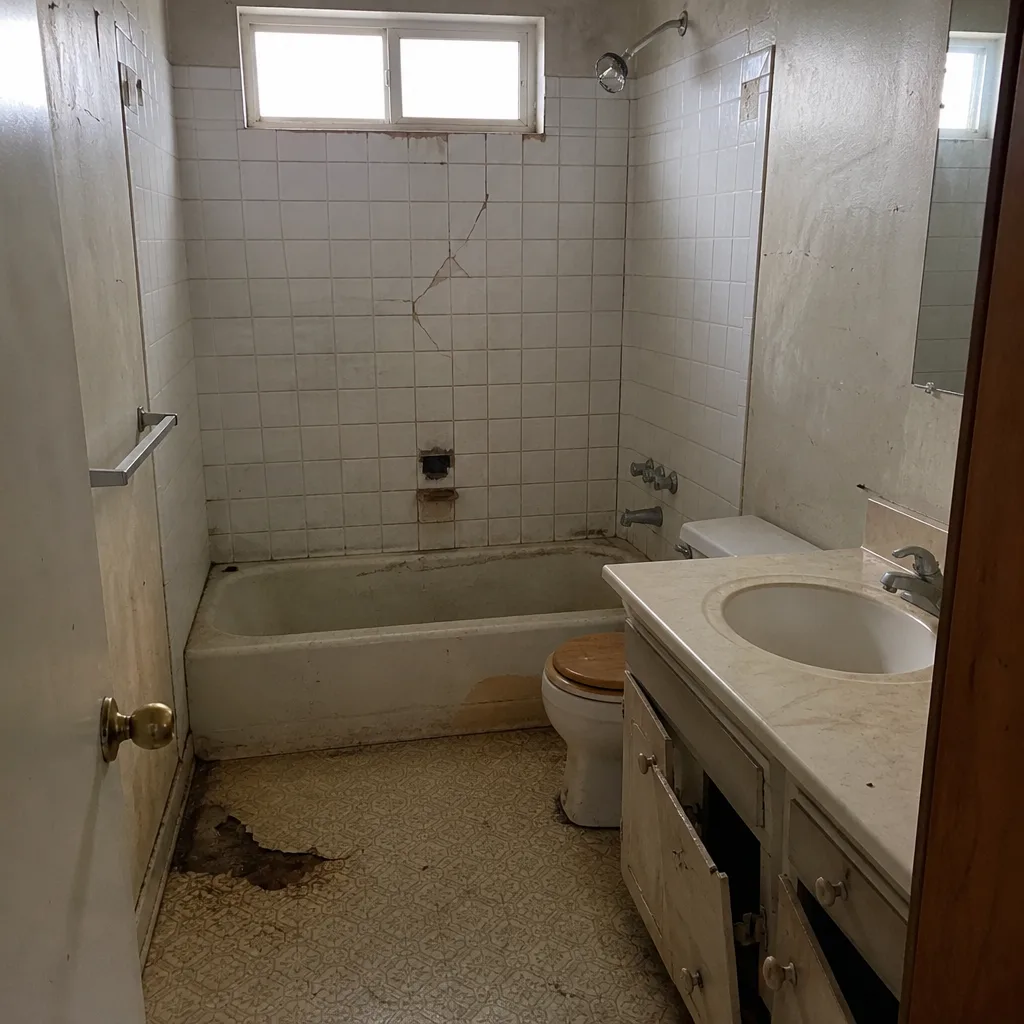 Before
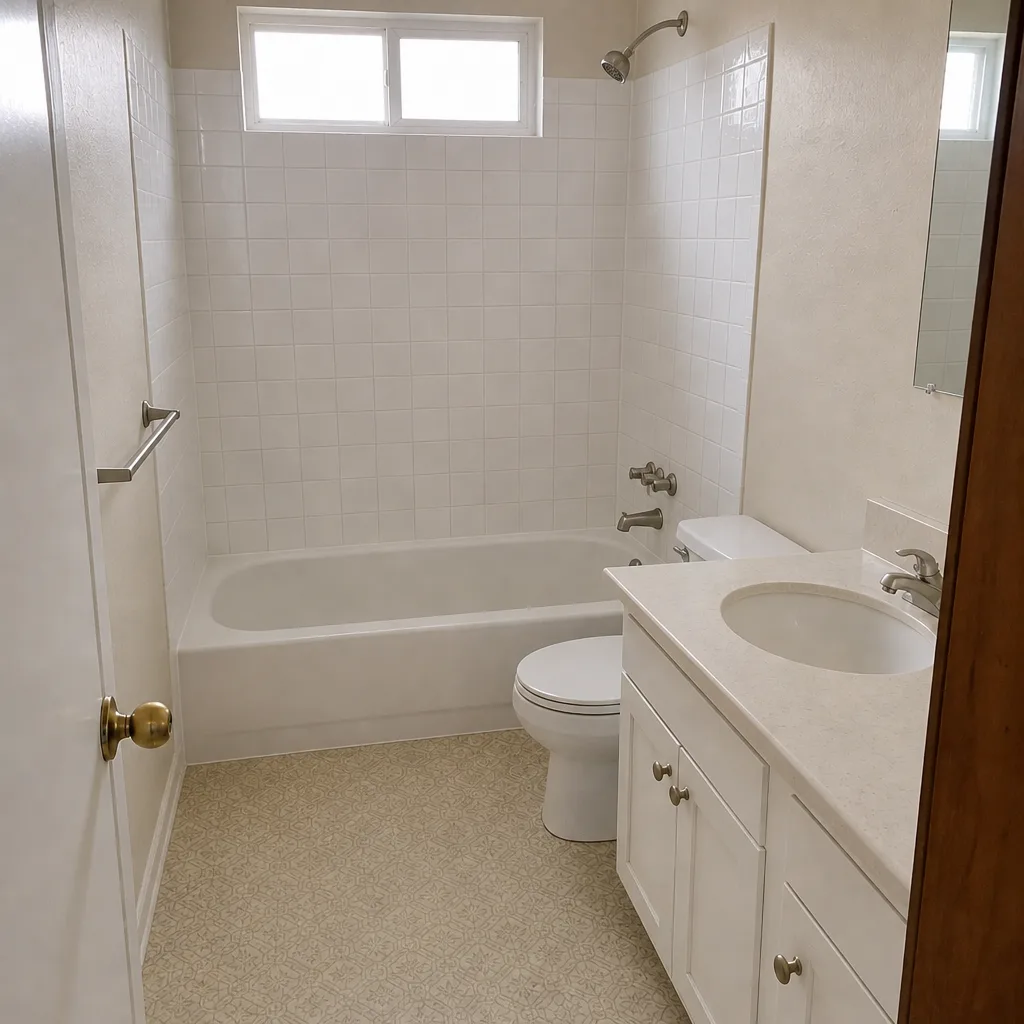 After
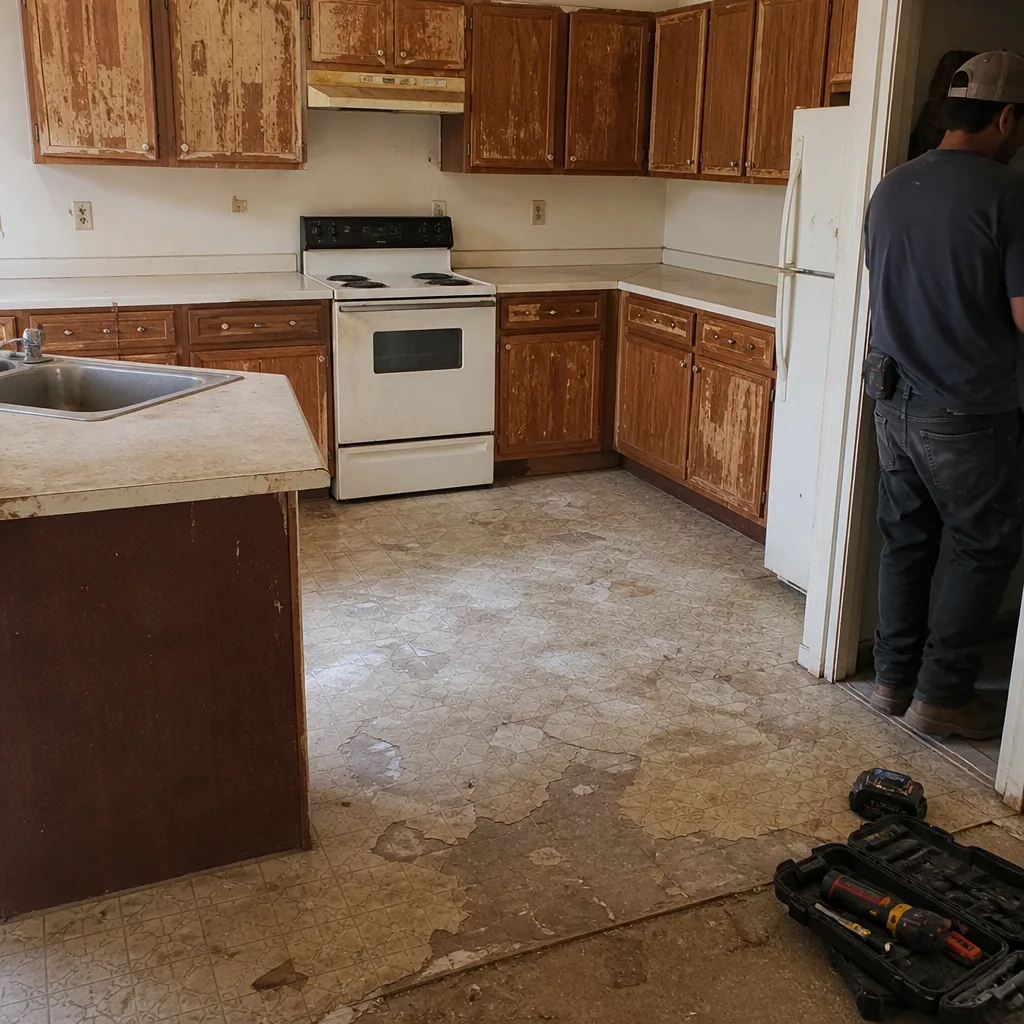 Before
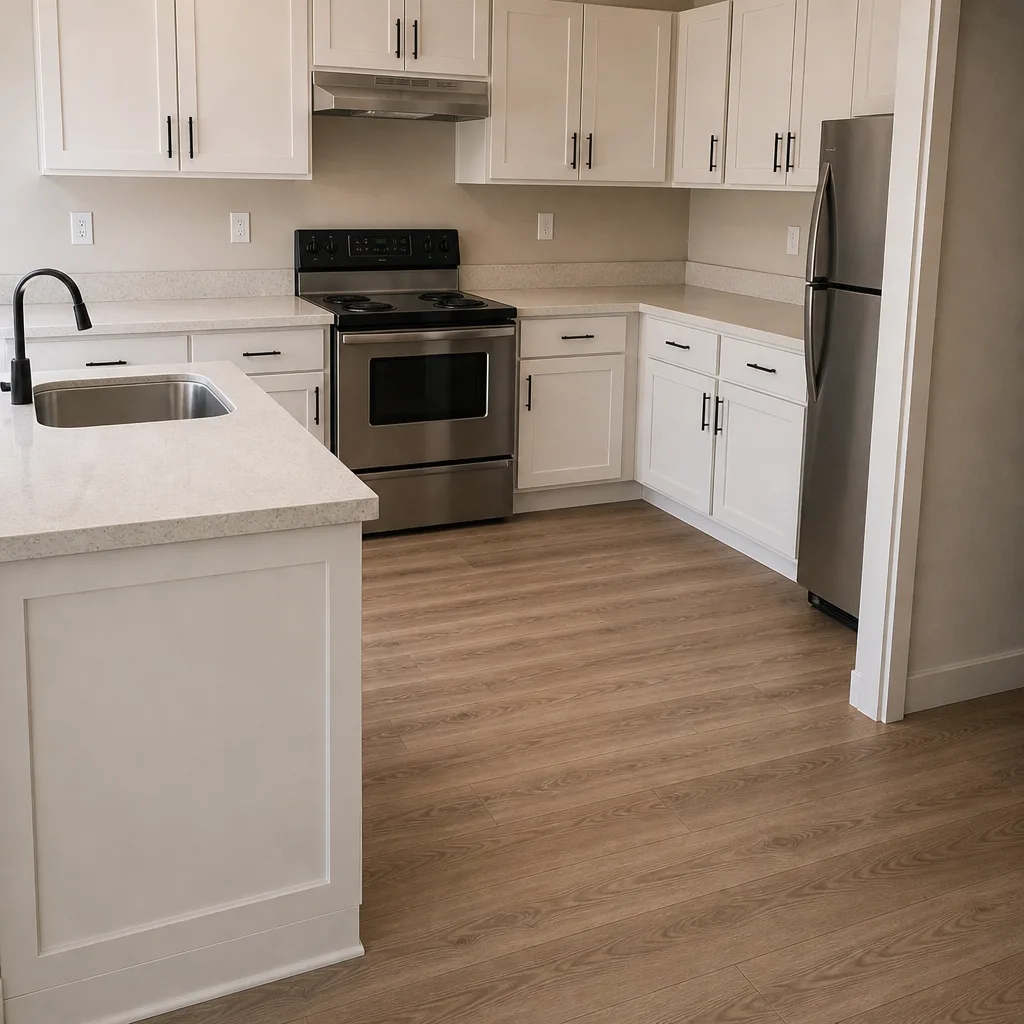 After
When to Call a Professional
Call a licensed professional when a job involves anything structural, any change to electrical or plumbing systems, permits, or work that could affect your home’s safety or insurance. That includes removing a wall, changing a load path, converting a garage, or replacing a roof. Call also when your current contractor has failed an inspection twice, has taken money without doing the work, or has gone quiet without explanation. And call when you’re starting a project and want the scope defined correctly before anyone picks up a tool. In Whitney and the surrounding valley, Sawyer Remodeling Whitney offers free estimates – call (833) 570-8789. Our technicians have up to 21 years of experience, they’re background-checked, and you’ll get a written price before any work starts. For remodels that fall under our larger services, see kitchen remodeling in Whitney and bathroom remodeling in Whitney for the full scope of what we handle.
Frequently Asked Questions

Send a written cure notice by email that restates the facts, references the contract schedule, states the specific remedy you want, and gives a ten-business-day deadline with a consequence. Don’t stop paying per your schedule, and don’t send angry texts. If the deadline passes, escalate to the Nevada State Contractors Board and consider a construction attorney. For most Whitney homeowners, a cure notice gets a response within a few days.
Yes, if your contractor is licensed and has violated licensing law, failed workmanship standards, abandoned the job, or taken money without doing the work. File it online or by mail. The Board investigates and can discipline the license and, in qualifying cases, refer you to the Residential Recovery Fund. It can’t force the contractor to finish your job, so file in parallel with other remedies rather than instead of them. Call (833) 570-8789 if you want help understanding what your contract says before you file.
Yes. If a subcontractor or supplier isn’t paid by your general contractor, they can record a mechanics lien against your property in Nevada even if you paid your GC in full. Your protections are preliminary notices, conditional lien waivers at each draw, joint checks for major subs, and recording a Notice of Completion after the job closes. If a lien is already recorded, contact a construction attorney promptly.
Not on a well-run job. A written price should be in your hands before work starts, with any potential changes listed as allowances in the contract. Real changes happen only through written change orders that you approve before the extra work begins. If your contractor can’t put that process on paper, that’s a preview of your future disputes. Call (833) 570-8789 to get a written estimate and see how a fixed-price contract looks.
Usually yes. Clark County requires permits for structural work, most electrical and plumbing changes, additions, and anything that changes the footprint or use of a room. Cosmetic work like paint, flooring, and cabinet swaps typically doesn’t need a permit. Ask your contractor to produce the permit number and inspection log. If they say “we don’t need permits on this,” get a second opinion.
A bathroom remodel typically takes three to five weeks, and a kitchen takes six to ten weeks, depending on cabinet lead times and inspection corrections. Clark County permitting can add two to four weeks before work starts. If your contractor promised a two-week remodel, that’s a sign they either don’t understand the permitting timeline or aren’t pulling permits at all. Call (833) 570-8789 for a realistic written schedule on your project.
The Bottom Line
Most contractor disputes come down to one of four categories: communication breakdowns, scope disagreements, money problems, or licensing failures. Diagnose the category first, then respond with the right tool. A cure notice handles most stalls without anyone escalating. Nevada’s Contractor Board can discipline a license, but it can’t force the job to finish. Mechanics liens can attach to your property even when you’ve paid your GC, so keep lien waivers and record a Notice of Completion. And when the relationship is truly broken, walk with documentation instead of threats. The homeowner who can tell the difference between a stall and a scam is the one who gets their project finished.
If you’re in Whitney and want a second opinion on a project that’s stalled, or you’re starting fresh and want the scope defined right the first time, that’s what we do. Some of our clients come to us after a walkout; others come before they sign anything. Both are fine. Call (833) 570-8789 for a free estimate, and we’ll walk you through what The Relay Standard looks like on your job: a live arrival time, photo updates before and after, and a written price you approve before we start.
Written by the team at Sawyer Remodeling Whitney.