Last updated November 17, 2026








Free written scope consultation - allowances, timeline, and change-order rules on paper before a single trade is scheduled
Home Renovation Maintenance Schedule: What to Do and When
Nevada averages more than 300 sunny days a year, and that UV load will crack caulk and fade exterior coatings about twice as fast as the national maintenance guides assume. If you’re following generic advice built for a mild four-season climate, you’re already behind. Whitney sits in the high desert of central Nevada, where freeze-thaw swings, dust storms, and hard water do their own kind of damage on their own schedule. This guide gives you a month-by-month plan built around what actually degrades homes here, so you spend your maintenance money where it matters and catch small problems before they turn into remodel-sized ones.
Quick Answer
A high-desert home maintenance schedule should follow local conditions, not a generic calendar: swap HVAC filters before summer’s triple-digit heat, inspect and reseal exterior caulk every spring and fall to survive UV and freeze-thaw, flush the water heater and check for scale twice a year because Whitney’s hard water builds up fast, and walk the exterior after every significant dust storm or wind event. Do these four things on time and you’ll prevent most of the expensive damage we see in Whitney homes. Skip them and the repairs tend to arrive all at once.
Styles & brands we work with
- Kitchen remodeling
- Bathroom remodeling
- Home additions & ADU
- Roofing
- Windows & doors
- Driveway & pavers
- Fence
Table of Contents
- Why a Nevada Maintenance Calendar Looks Nothing Like a Generic One
- Spring: Pre-Summer Prep Before the Heat Arrives
- Summer: UV, Dust, and Protecting What the Sun Hits
- Fall: Weatherstripping and Sealing Before Cold Nights
- Winter: Freeze-Thaw and Interior Systems
- Hard Water: The Silent Plumbing Problem in Whitney
- Which Maintenance Skips Void a Warranty vs. Which Are Just Cosmetic
- The Full Seasonal Checklist
Why a Nevada Maintenance Calendar Looks Nothing Like a Generic One
Most home maintenance schedules circulating online were written for the Northeast or the Pacific Northwest. They obsess over snow loads, gutter ice dams, and humidity. Central Nevada doesn’t give you those problems. What it gives you is intense ultraviolet exposure, wide day-to-night temperature swings, wind-driven dust, and water that’s harder than most of the country’s. Each of those attacks your home in a different way, and each one has a season where it does the most damage.
The UV story is the one homeowners underestimate most. Ultraviolet light breaks down the polymers in exterior sealant and paint, so caulk around a Whitney window can go from flexible to brittle in a couple of summers. Once it fails, the next rain event or even a strong hose spray pushes water behind the flashing. That’s how a five-dollar tube of sealant becomes a drywall and framing repair. In our experience, the homes that avoid that path are the ones that treat spring and fall as caulk-checking seasons, not just “nice weather” seasons.
Freeze-thaw is the second big one. Whitney gets cold nights even around the edges of the warm months, and any water that seeps into a hairline crack in concrete, masonry, or a window joint will expand when it freezes and widen that crack a little more each cycle. Over a few winters, small openings become visible gaps.
The building codes here reflect the local reality too. Exterior work touches energy and weather-resistance requirements that the local authority having jurisdiction enforces, and structural or window replacement projects pull permits and require inspection. For anything beyond simple maintenance, it’s worth understanding how a General Contractor in Whitney handles permitting and inspection, because the line between “maintenance” and “renovation that needs a permit” is easier to cross than most people think.
Spring: Pre-Summer Prep Before the Heat Arrives
Spring in Whitney is your last comfortable window to get the house ready for triple-digit heat. Once summer lands, exterior work gets harder on both you and the materials, and an HVAC system that’s already struggling has no margin. This is the season to move first on cooling and water.
- Swap HVAC filters before the first heat wave. A clogged filter makes the system work harder exactly when it can least afford to. Change it now, and note that desert dust means you’ll change it more often than the once-a-season national advice suggests.
- Schedule an AC service check. Have the refrigerant charge, coils, and condensate line inspected before you need the system daily. A condensate line clogged with dust and debris is a common cause of summer water damage in Whitney attics and closets.
- Inspect and reseal exterior caulk and sealant. Walk every window and door and press a fingernail into the caulk. If it’s hard, cracked, or pulling away, it’s failed. This is your prime sealant season, ahead of the UV peak.
- Check the roof and flashing. Look for lifted shingles, granule loss, and cracked sealant around vents and skylights. GAF and CertainTeed roofing systems hold up well here, but no shingle outruns a failed flashing detail.
- Flush the water heater. Hard water sediment settles in the tank and shortens its life. Draining it in spring is one of the highest-value hours you’ll spend all year.
If that spring walk turns up more than maintenance, like failing windows or a roof at the end of its life, that’s the moment to get a written scope and price rather than patch and hope. A Bathroom Remodeling in Whitney project that includes new windows and ventilation is far cheaper done once than in two stages after water gets in.
Summer: UV, Dust, and Protecting What the Sun Hits
Summer is when the desert tests everything the sun touches. Surface temperatures on west- and south-facing walls climb well past air temperature, and that heat plus UV ages paint, sealant, and exterior trim fast. You’re not doing heavy maintenance in July, but you are watching for the damage the season creates.
- Watch for UV-failed caulk around windows and doors. Chalking, cracking, and shrinking are early signs. Catching them in summer means you can reseal in cooler fall weather before the cold nights arrive.
- Inspect after every dust storm or high-wind event. Wind-driven dust packs into window tracks, screens, and weep holes. It also scours paint on exposed surfaces. A quick walk-around after a big blow tells you what needs attention.
- Keep window weep holes clear. Those small drainage slots in the frame are what let water escape. Dust and debris clog them, and then water finds the path of least resistance: inward.
- Check exterior paint on sun-facing walls. Fading is cosmetic; blistering and peeling are not. Blistering means moisture is getting behind the coating.
- Mind attic ventilation. A hot attic shortens shingle life from underneath. Confirm vents aren’t blocked by insulation or debris.
Quality window assemblies from brands like ES Windows or CWS are built to handle desert exposure, but the frame and sealant still need checking. We’ve seen Whitney homes where a failed sealant joint around a good window caused more damage than a cheap window ever would. The window was fine. The detail around it wasn’t.
Fall: Weatherstripping and Sealing Before Cold Nights
Fall is the mirror image of spring: your second big sealing season, this time aimed at keeping cold air out and heat in. Whitney nights get cold, and every gap around a door or window is money leaking out and a place for water to enter when it freezes.
- Replace worn weatherstripping on doors and windows. Test it by closing a door on a dollar bill; if it slides out easily, the seal has failed. Fresh weatherstripping keeps cold air out and cuts heating costs.
- Reseal exterior joints for the winter. Any caulk that failed over the summer gets replaced now, before freeze-thaw cycles work on it.
- Check the water heater and exposed pipes. Insulate pipes in unheated spaces and confirm the water heater’s temperature and pressure relief valve isn’t stuck. Cold snaps stress plumbing.
- Clear gutters and downspouts. Even with modest desert rainfall, a fall storm plus a clogged gutter can dump water against the foundation. Keep drainage moving away from the house.
- Seal gaps around utility penetrations. Where pipes and cables enter the exterior wall, sealant protects against both air leaks and water intrusion.
If fall inspections keep turning up the same problem, like a door that won’t seal or a wall that stays cold, it may be a deeper envelope issue rather than a maintenance one. That’s a good time to talk through options, since a whole-home renovation approach can solve insulation and air-sealing problems that patch fixes never will.
Winter: Freeze-Thaw and Interior Systems
Winter in Whitney is less about heavy snow and more about cold nights and the freeze-thaw cycle that quietly widens every small exterior gap. Your job in winter is largely interior, plus watching for the freeze damage that shows up as stains and drips.
- Inspect for water intrusion after storms. Look at ceilings, around windows, and along baseboards for new stains. Catching a leak early beats replacing drywall and framing later.
- Test smoke and carbon monoxide detectors. Heating season means combustion appliances run more. Detectors are non-negotiable.
- Check the furnace filter and airflow. Same logic as the AC filter in spring; a clogged filter strains the system all season.
- Watch exterior cracks in concrete and masonry. Note new or widening cracks and seal them when the weather moderates. Freeze-thaw is the cause, and sealing is the fix.
- Keep an eye on the water heater. Cold inlet water and a sediment-heavy tank are a bad combination. If the tank is old and the water’s getting lukewarm, plan for replacement rather than waiting for a failure.
Several of these habits show up again in the Sawyer Remodeling Whitney home resources and in our guides, because the same seasonal logic applies whether you’re maintaining a finished home or planning a renovation. Maintenance done on a Nevada calendar is what protects a remodeling investment year after year.
Hard Water: The Silent Plumbing Problem in Whitney
Whitney’s water is hard, and hard water changes how often you should service plumbing compared with national averages. The minerals in hard water precipitate out as scale, which coats the inside of your water heater, pipes, and fixtures. Scale insulates the heating element in a water heater, so the unit works harder and fails sooner. It clogs aerators and showerheads and leaves a film on glass and fixtures that no amount of wiping removes.
Adjust your schedule accordingly:
- Flush the water heater twice a year, not the once-a-year national advice, because sediment builds faster here.
- Soak or replace aerators and showerheads when flow drops. A vinegar soak handles light scale; heavy scale means replace.
- Watch for scale in the toilet tank and around fixtures. It’s the visible sign of what’s happening inside the pipes.
- Consider a water softener or filtration system if scale is a constant battle. For a remodel, planning for it up front is far easier than retrofitting later.
When we plan a Kitchen Remodeling in Whitney project, we account for hard water in the fixture selection and in how the plumbing runs. Choosing fixtures that stand up to scale, with quality components from names like Kohler or Moen, saves a homeowner years of scrubbing and premature replacement. It’s the kind of detail that doesn’t show in photos but shows up in how a kitchen holds up.
Which Maintenance Skips Void a Warranty vs. Which Are Just Cosmetic
Not every skipped task has the same consequence. Homeowners deserve to know which maintenance gaps actually put a warranty or a manufacturer’s backing at risk, and which are simply cosmetic neglect. Here’s how we draw the line.
Skips that can void a warranty or manufacturer backing:
- Failing to maintain or replace HVAC filters, which strains equipment and can void cooling system coverage.
- Ignoring exterior sealant failure that lets water into framing and finishes.
- Skipping water heater flushing until the tank fails prematurely.
- Not protecting materials during a project, letting manufacturer-specific installation requirements lapse (this is where choosing backed products like GAF roofing or James Hardie siding matters, because the install has to follow the maker’s spec to keep the coverage).
Skips that are cosmetic or inconvenience:
- A faded exterior paint color that hasn’t started to blister.
- Dull grout that’s sound but stained.
- A scuffed baseboard or a worn door sweep that still seals adequately.
- Minor scale film on fixtures that hasn’t affected performance.
The rule of thumb is simple: anything that lets water, air, or heat move where it shouldn’t has the potential to cost real money, and anything that’s a surface appearance issue usually doesn’t. When you’re unsure, the free estimate conversation is where we sort it out. Every project under our written guarantee carries a defined scope of what’s covered, and knowing that scope up front is how you protect both your home and your investment.
The Full Seasonal Checklist
Here’s the whole year in one place, organized by season rather than by trade, so you can work through it as the calendar turns.
Spring
- Swap HVAC filters before the first heat wave
- Schedule an AC service check
- Inspect and reseal exterior caulk and sealant
- Check roof and flashing
- Flush the water heater (first of two)
Summer
- Watch for UV-failed caulk and reseal in fall
- Inspect after every dust storm
- Clear window weep holes and screens
- Check sun-facing paint for blistering
- Confirm attic ventilation is unobstructed
Fall
- Replace worn weatherstripping
- Reseal exterior joints before cold nights
- Insulate exposed pipes and check the T&P valve
- Clear gutters and confirm drainage away from the foundation
- Seal utility penetration gaps
Winter
- Inspect for water intrusion after storms
- Test smoke and CO detectors
- Check furnace filter and airflow
- Note and seal exterior cracks when weather allows
- Flush the water heater (second of two)
Common Mistakes to Avoid
- Following a Northeast calendar in the desert. Advice built around ice dams and snow loads misses the UV and dust problems that actually damage Whitney homes. Build your schedule around Nevada conditions instead.
- Waiting for a problem to be obvious. Caulk and sealant fail invisibly and let water in before you see a stain. Check by hand every spring and fall, not once the damage shows.
- Treating hard water like it’s no big deal. Skipping water heater flushes until the tank fails prematurely is one of the most expensive “small” skips we see. Twice a year, not once.
- Skipping post-dust-storm inspections. Wind-driven dust clogs weep holes and packs into tracks, and that’s exactly where water intrusion starts. Walk the exterior after every big event.
- Assuming all maintenance gaps are cosmetic. Some protect a warranty and the home’s structure; some are just appearance. Know the difference before you cross a task off.
- Filing warranty claims after doing the work yourself. Unauthorized work can void coverage. When in doubt, get a written scope first and let trained technicians handle anything structural.
- Deferring everything into “someday.” Deferred maintenance compounds. Several small tasks skipped for a few years become one large renovation bill.
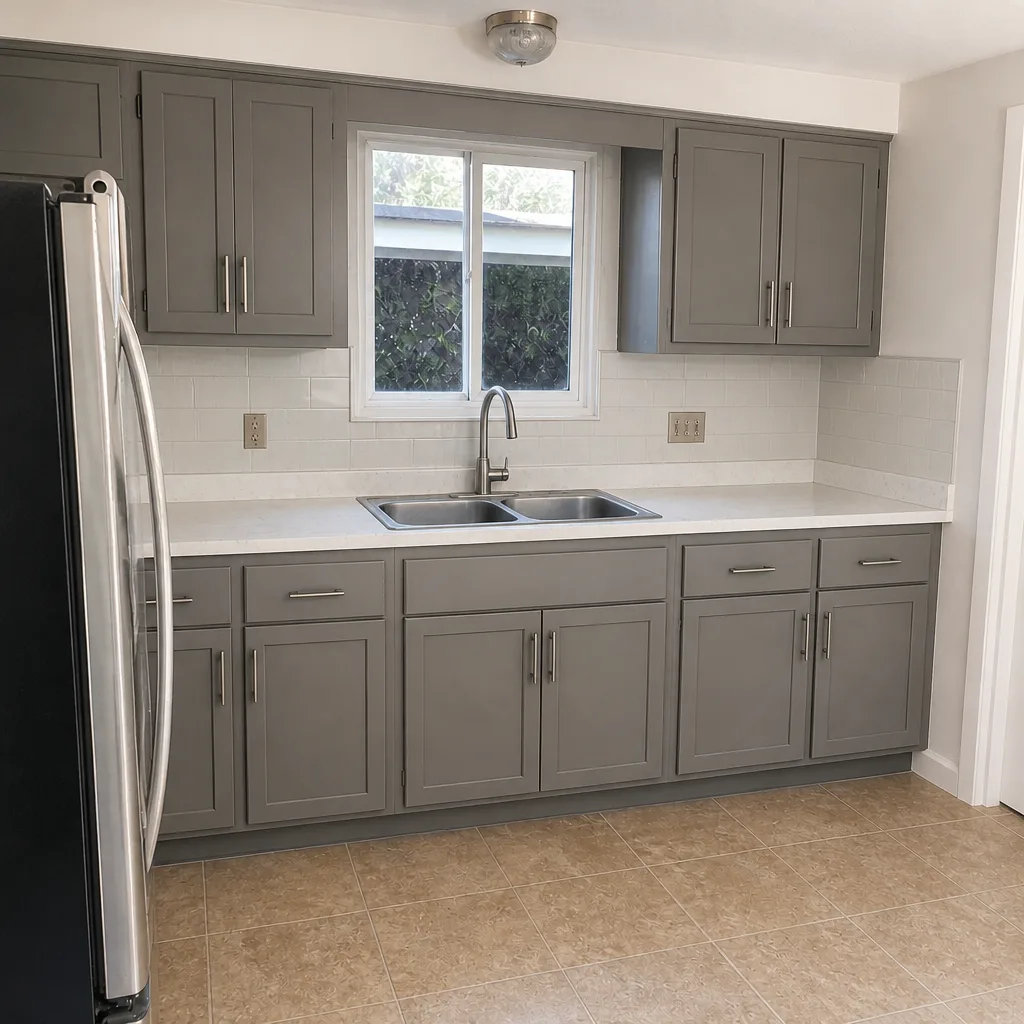
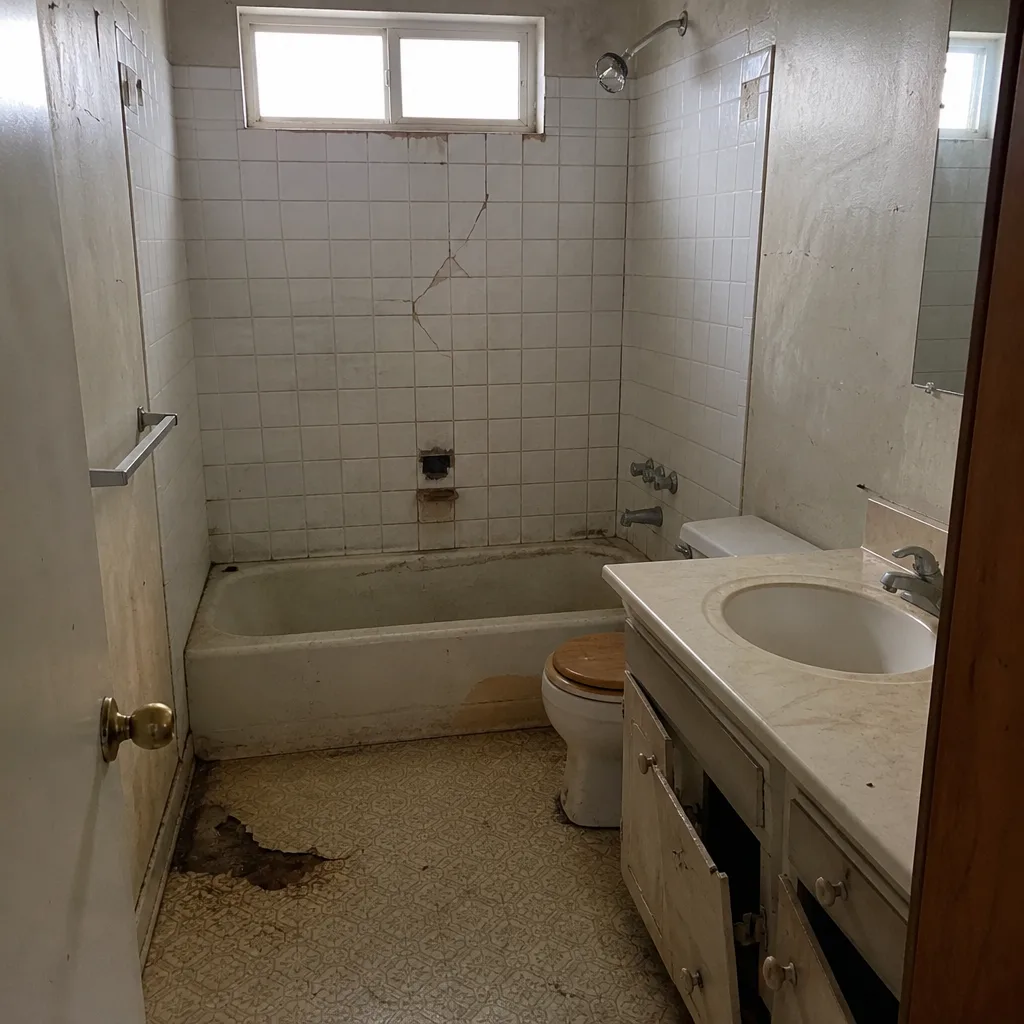
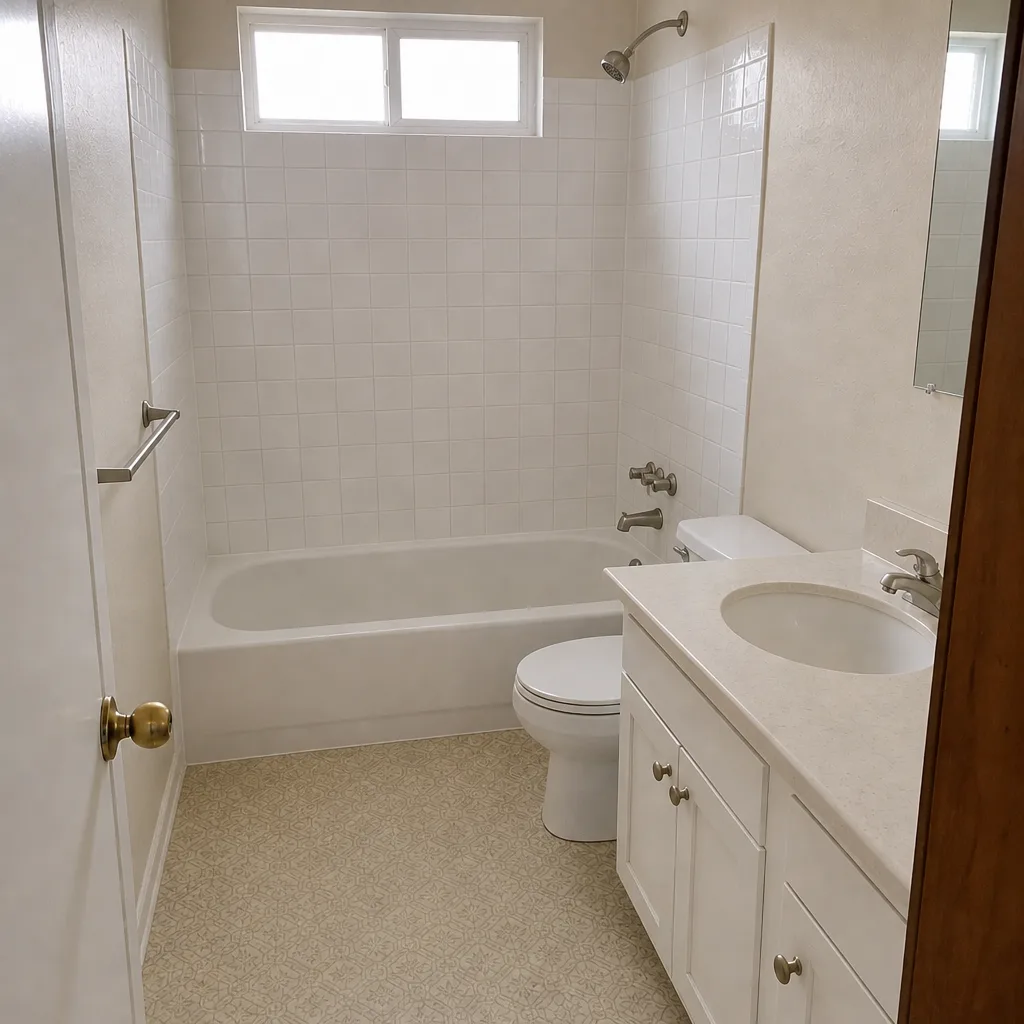
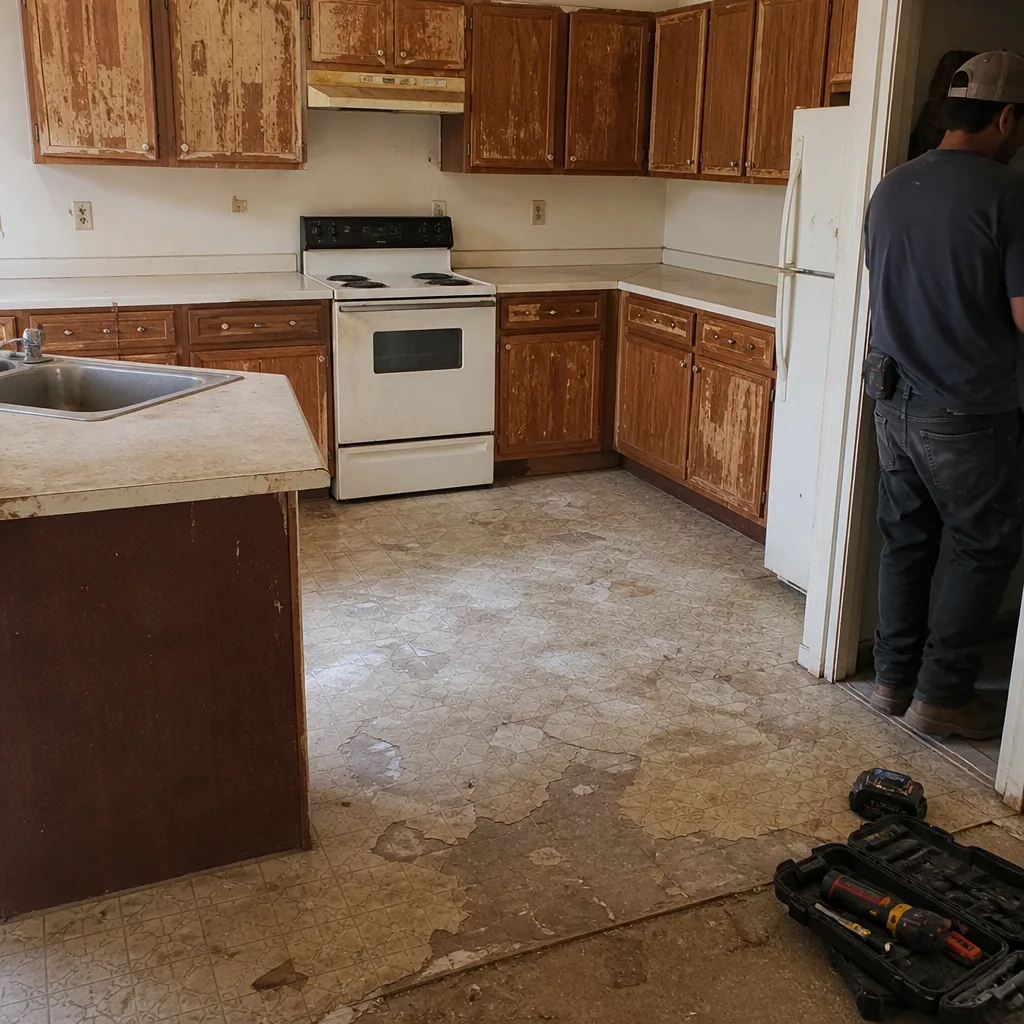
See the difference
 Before
 After
 Before
 After
 Before
 After
When to Call a Professional
Some maintenance is a homeowner’s job. Other tasks are genuinely dangerous, and handing them to a trained professional is the right call every time. High-tension garage door springs and cables can cause serious injury if handled without the right tools and training, electrical panel and wiring work carries shock and fire risk, gas line work must be done by a licensed technician, and steep-roof or height work is no place for a weekend ladder. Beyond safety, call a professional when you find active water intrusion, a roof at or past its service life, structural cracks that are widening, or an HVAC or water heater problem that keeps coming back. And call when the “maintenance” you’re facing is really a renovation waiting to happen, like windows that have failed or a bathroom that needs more than a reseal.
Sawyer Remodeling Whitney offers free estimates in Whitney. We give you a written price before any work starts, a live arrival time, and photo updates on every project, and our technicians bring up to 21 years of experience. Call (833) 570-8789 to schedule your free estimate.
Frequently Asked Questions

Check exterior caulk every spring and fall, and reseal whenever it’s hard, cracked, or pulling away, which the high-desert UV and freeze-thaw cycles can cause within a couple of seasons. Press a fingernail into the sealant; if it doesn’t give, it’s failed. Call (833) 570-8789 for a free estimate if a sealant failure has already let water in.
Whitney’s hard water builds up sediment and scale faster than national averages, so a twice-yearly flush protects the tank and heating element. Skipping it shortens the water heater’s life and raises energy costs. If your water heater is already old or struggling, call (833) 570-8789 for a free estimate on replacement.
Walk the exterior and check window tracks, screens, and weep holes for packed dust and debris, then look for scoured paint or lifted sealant on exposed surfaces. Clear the weep holes so water can drain. If you spot water damage or a roof issue, call (833) 570-8789 for a free estimate.
Some skips can, especially failing to maintain HVAC filters, ignoring water intrusion, or doing unauthorized work on covered items. Cosmetic gaps like a faded paint color usually won’t. When you’re unsure, get a written scope. Call (833) 570-8789 to review what your project covers, with a free estimate on any repair or upgrade.
Change your HVAC filter before peak summer heat, and expect to change it more often than the generic once-a-season advice because dust accelerates clogging. A fresh filter protects the system and airflow. If your system is struggling, call (833) 570-8789 for a free estimate on repairs or a related renovation.
Yes for the dangerous and structural tasks: garage door springs and cables, electrical, gas lines, and steep-roof work should always go to a trained technician. Routine checks like filters and caulk can be DIY if you’re comfortable. For anything that turns into a repair or remodel, call (833) 570-8789 for a free estimate with a written price before work starts.
The Bottom Line
A Nevada home needs a different maintenance calendar than the one most guides hand you. Build your year around what actually degrades homes in Whitney: UV-driven sealant failure, freeze-thaw cracking, wind-driven dust, and hard water. Swap HVAC filters before summer heat, reseal exterior joints every spring and fall, inspect after dust storms, and flush the water heater twice a year. Know which skips can void a warranty versus which are just cosmetic, and hand the dangerous jobs to a trained professional. Do these on time and you’ll spend less on repairs and protect the remodeling investment you’ve made. Sawyer Remodeling Whitney gives you a written price before work starts, live arrival tracking, photo updates, and the 365-Day Done Right Promise, with up to 21 years of technician experience behind every job.
Written by the team at Sawyer Remodeling Whitney.