
Free written scope consultation - allowances, timeline, and change-order rules on paper before a single trade is scheduled
Styles & brands we work with
- Kitchen remodeling
- Bathroom remodeling
- Home additions & ADU
- Roofing
- Windows & doors
- Driveway & pavers
- Fence
See the difference
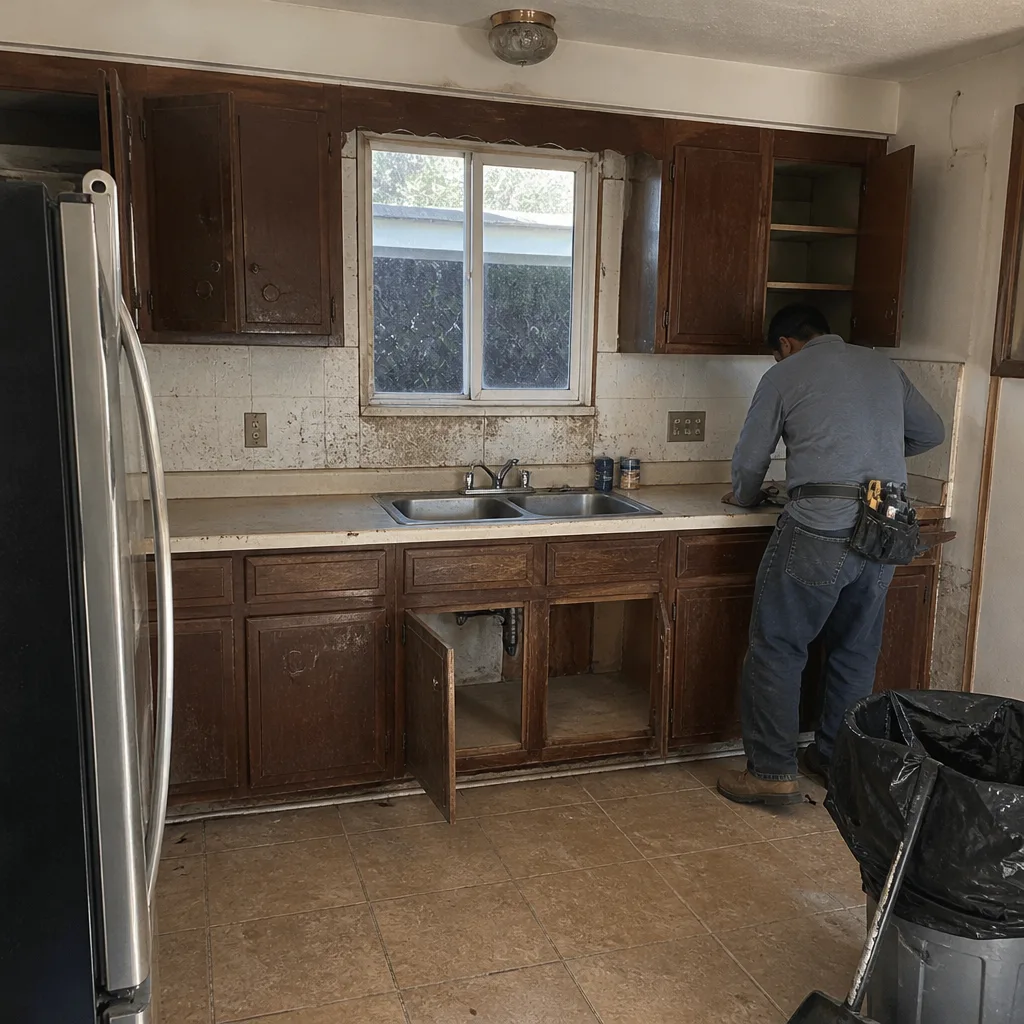 Before
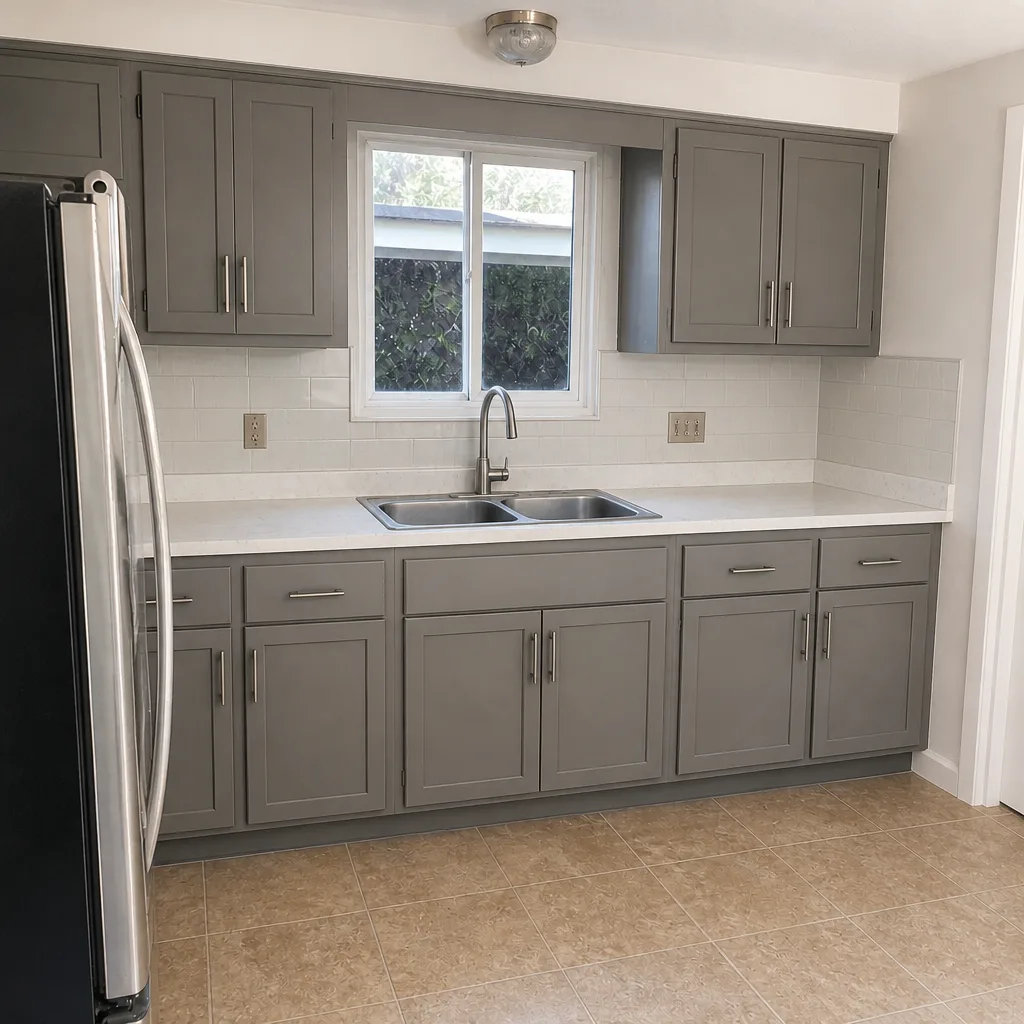 After
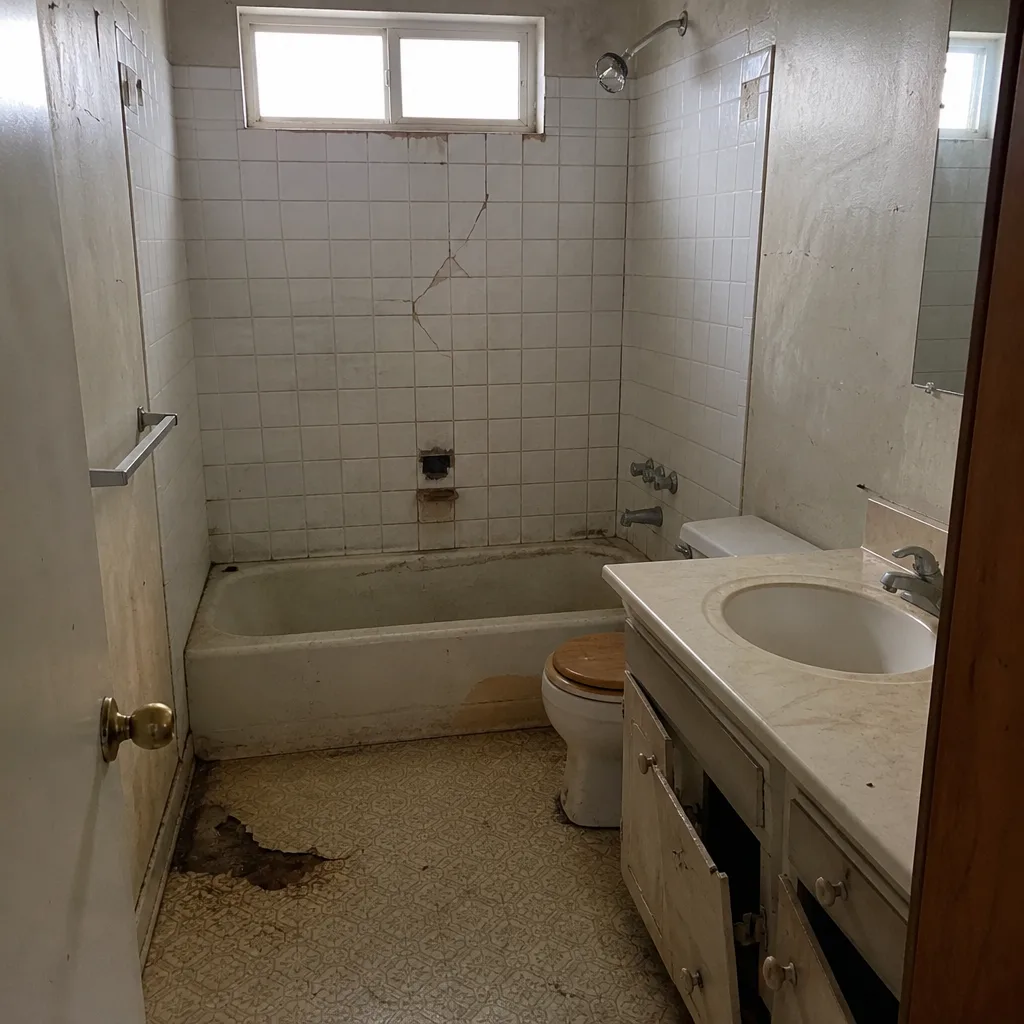 Before
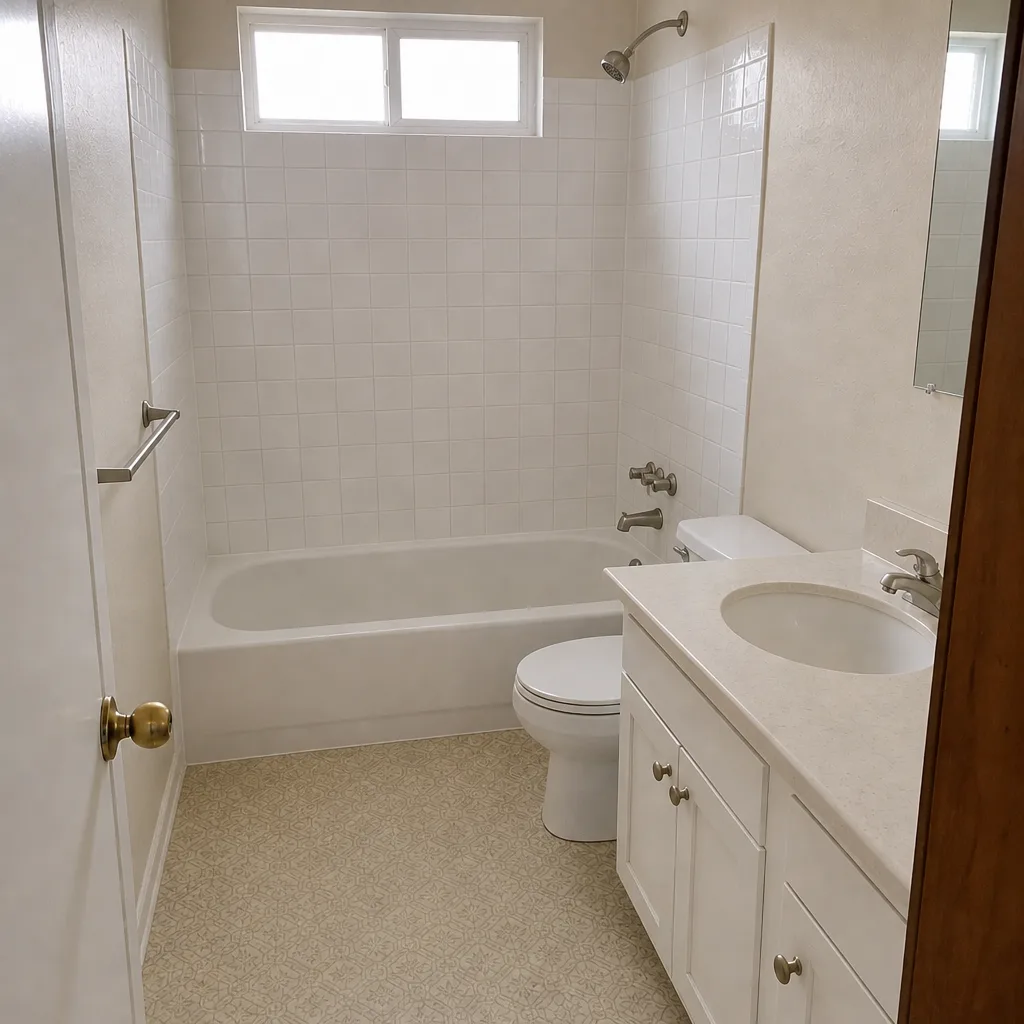 After
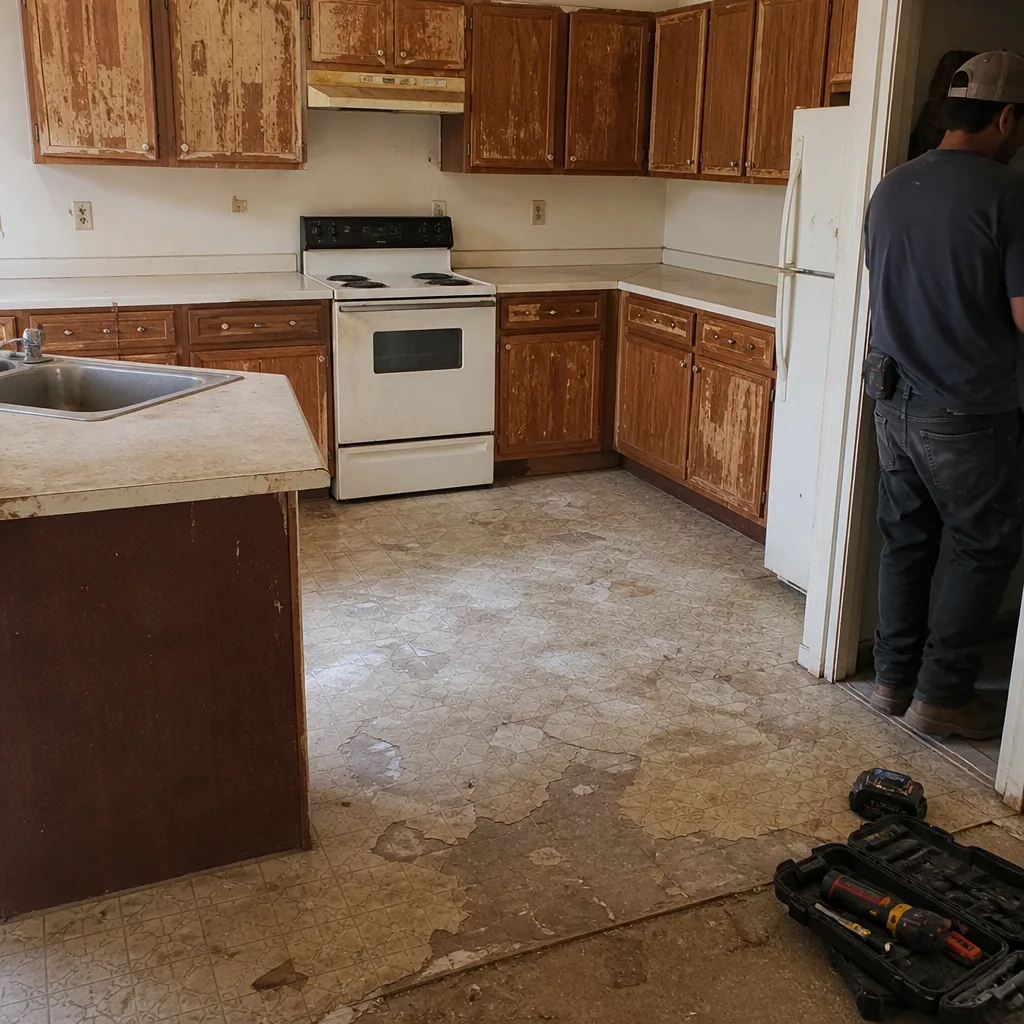 Before
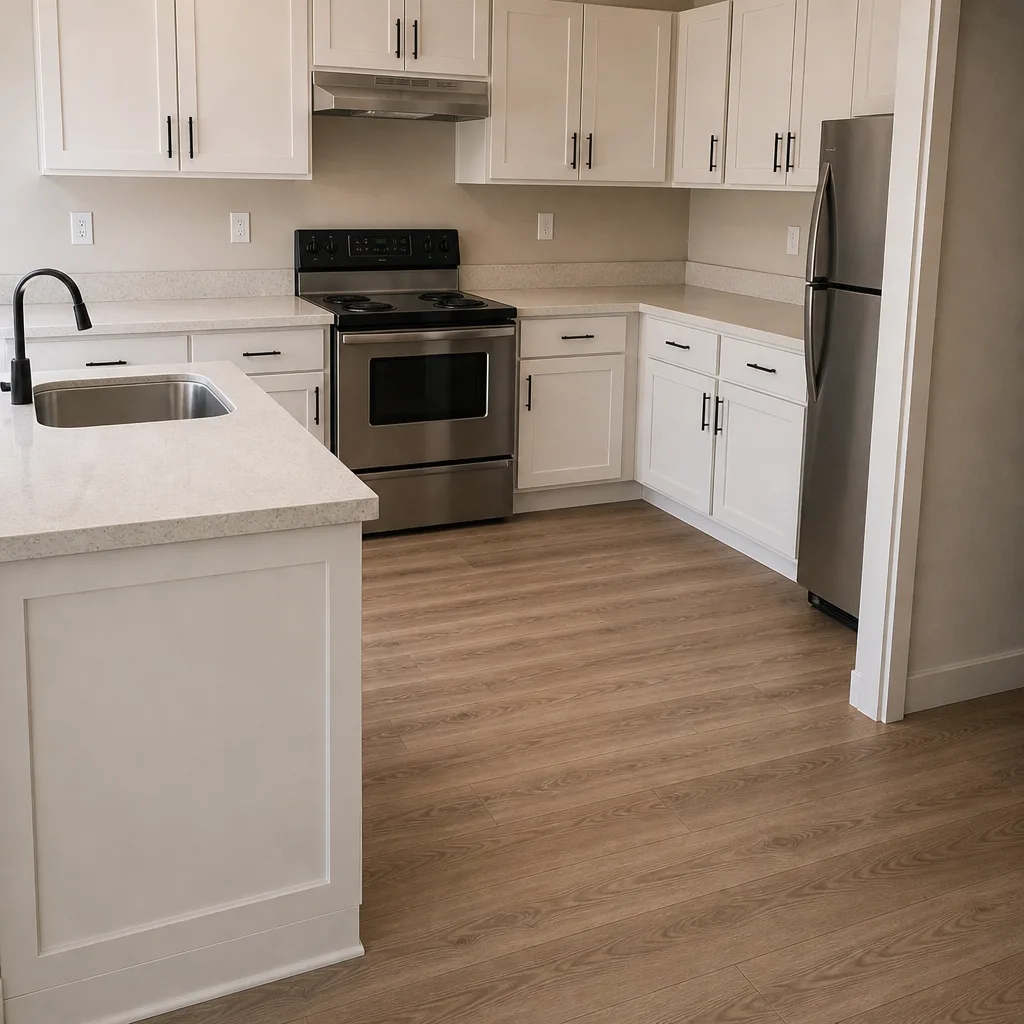 After
Quartz vs Granite Countertops in Whitney, NV: Which One Holds Up Here?
Choose engineered quartz from Cambria, Silestone, or Caesarstone unless your countertop sits under a covered patio or an outdoor kitchen, in which case granite wins. For the interior kitchens of Whitney’s tract homes, quartz is the better long-term bet because it doesn’t need sealing and it tolerates the thermal swing that comes with a south- or west-facing window in the Las Vegas Valley. Whitney summers push past 115°F with a UV index above 11, and that exposure reaches interior surfaces near glass more than most homeowners expect. Call (833) 570-8789 for a written price on either material before you decide.
Most quartz-vs-granite write-ups stop at “granite is natural, quartz is engineered” and leave it there. That’s not useful in Whitney. The better question is which surface survives this specific house, on this specific lot, under this specific sun. That’s the comparison worth making.
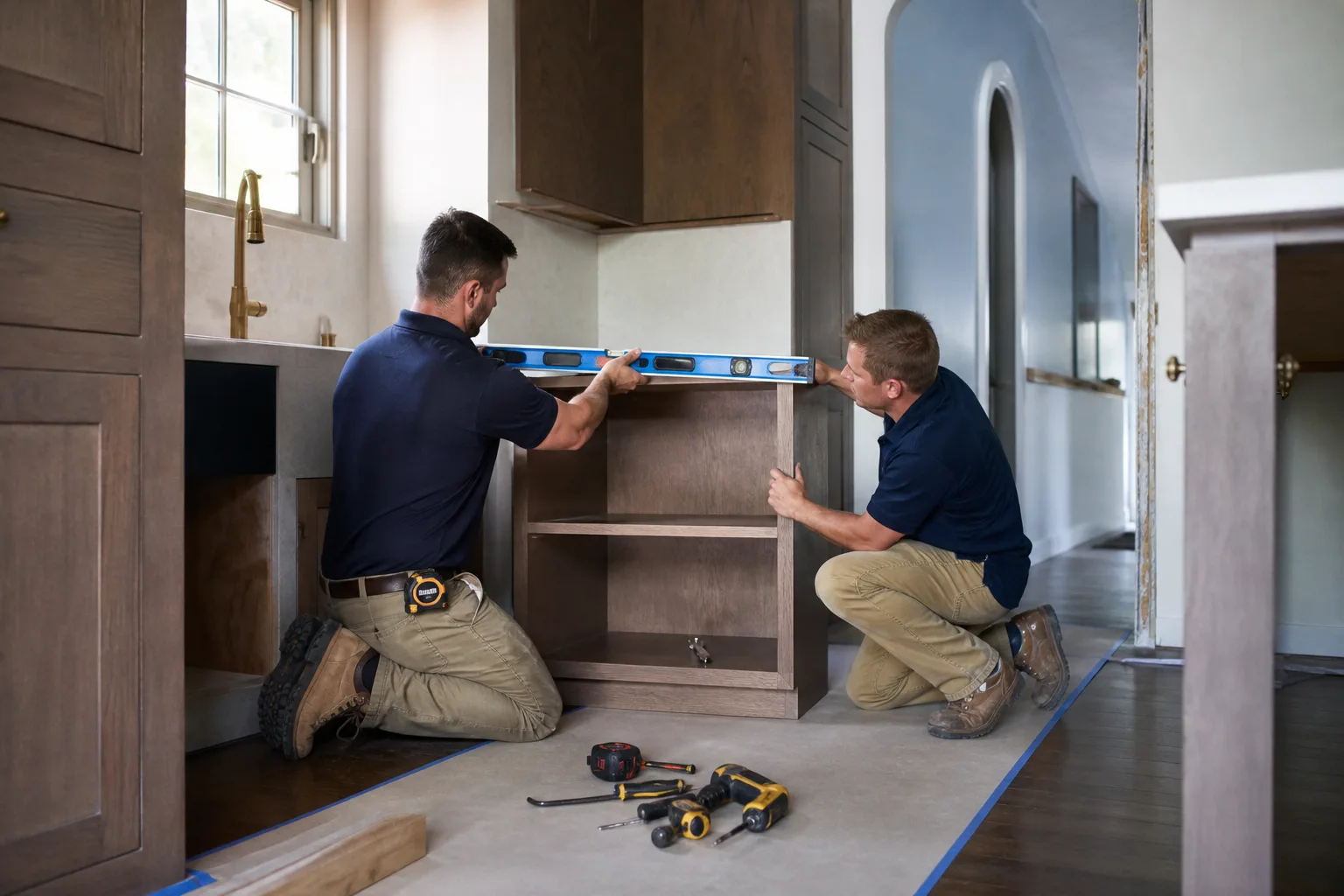
What 115°F Summers and Hard Water Actually Do to Each Surface
Granite is crystalline rock. It expands and contracts with temperature, and near a west-facing window in a Whitney kitchen, that cycling runs daily through the summer. The movement itself is tiny, but it works on the sealant, not the stone. Sealant is what keeps granite resistant to stains and minerals, and repeated thermal cycling breaks it down faster than a steady interior temperature would. Engineered quartz is resin-bound, so its surface behaves more uniformly under the same swing. We’re not saying quartz is immune to heat, because a hot pan set directly on it can scorch the resin. For ambient summer heat near glass, though, quartz holds its finish longer.
Hard water is the other half of the story. Whitney sits on Las Vegas Valley municipal water, which ranks among the hardest in the country. Minerals in that water etch a porous surface over time. Granite is porous, which is why it needs resealing every one to three years. Quartz is non-porous, full stop. Over a decade in a Whitney kitchen, that’s a maintenance line item you either budget for or don’t. It compounds quietly.
Where Granite Wins in Whitney (Yes, It Does)
Outdoor kitchens and covered patios are a common addition on Whitney’s slab-on-grade lots, and that’s granite’s territory. Prolonged direct sun exposure can discolor the resin binders in quartz. Granite handles UV far better and won’t fade the same way. So if your countertop lives outside, even under a ramada, granite or a natural stone rated for exterior use is the right call. We’ll say that plainly rather than sell you quartz for a job it isn’t built for.
Here’s the side-by-side that matters for a Whitney interior kitchen:
| Factor | Engineered Quartz | Natural Granite |
|---|---|---|
| Sealing required | None | Every 1-3 years |
| Hard-water resistance | Non-porous surface | Porous; etches if unsealed |
| Thermal cycling near glass | Uniform resin-bound behavior | Works on sealant over time |
| Direct sun / outdoor use | Resin can discolor | Handles UV well |
| Thickness tolerance | Manufacturer-published, consistent | Varies slab to slab |
Whitney’s housing stock leans toward 1960s-1990s single-story tract homes, and kitchens in those homes often have a window over the sink on the west or south wall. That’s exactly the placement where the thermal argument applies. If your kitchen is interior with no direct glass, the sun factor drops and the sealing-maintenance difference becomes the main reason to pick quartz.
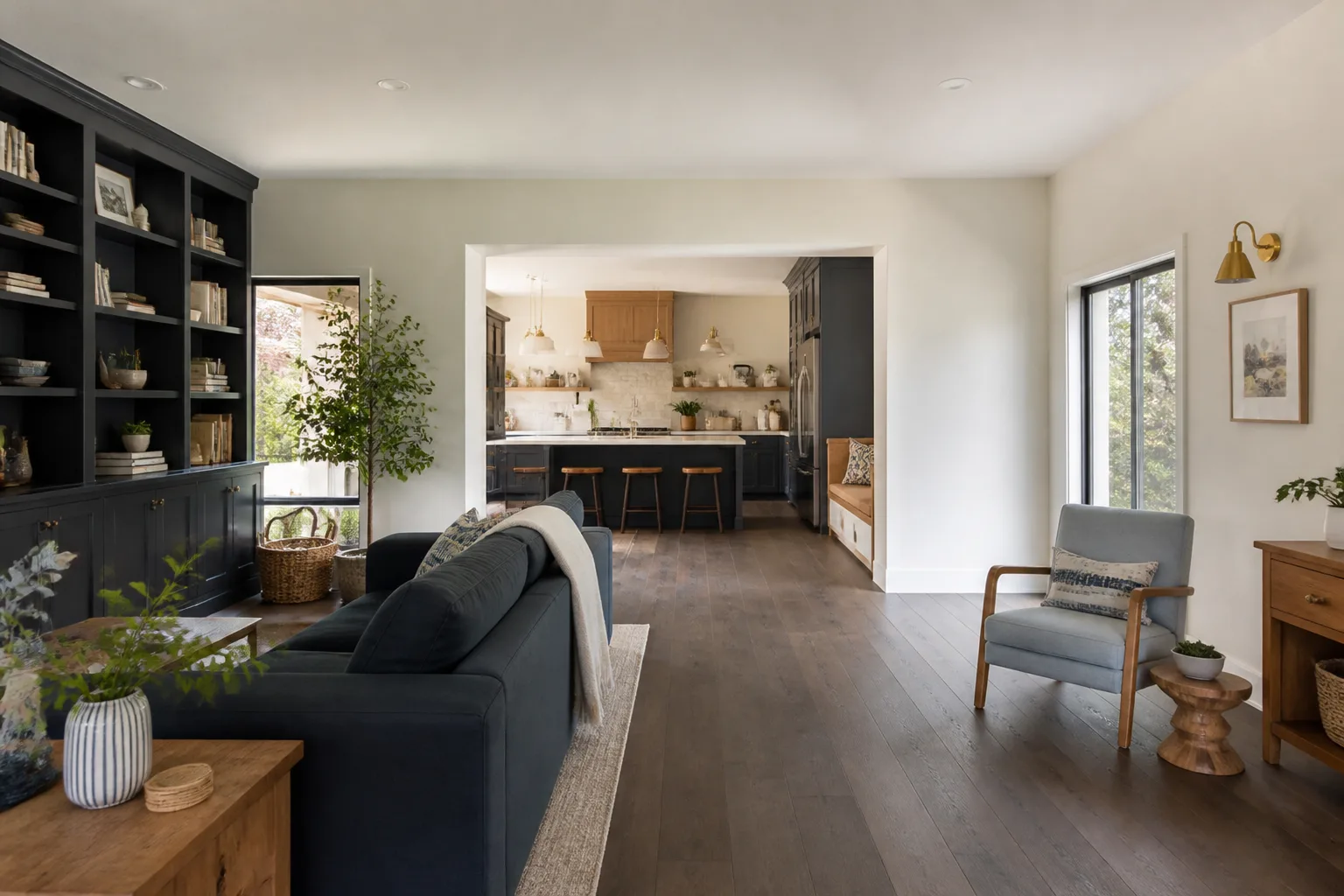
Why Sourcing From Cambria, Silestone, or Caesarstone Changes the Install
Not all quartz is the same quartz, and not all slabs arrive flat. Manufacturers like Cambria, Silestone, and Caesarstone publish non-porosity data and hold consistent thickness tolerances. That matters at the seam. When two slabs of uneven thickness meet at a kitchen island, you get lippage, the slight edge difference you can feel with a fingernail. Tighter tolerances reduce that risk before the installer ever sets a tool. Imported generic slabs don’t carry the same published specs, and a Whitney homeowner shouldn’t have to guess. We buy from brands with manufacturer backing behind the install, the same way we approach cabinetry from KraftMaid and Wellborn.
Want to see how the countertop decision fits the rest of the room? Our Kitchen Remodeling in Whitney page walks through cabinets, layout, and surfacing together.
What Does a Countertop Install Actually Cost in Whitney?
You’ll see material-only sticker prices online that ignore everything around the slab, and those numbers are misleading. A real installed price covers the slab, the substrate, the sink cutout, and the edge profile. Here’s the honest range for countertop installation in Whitney:
- Countertop installation: $2,000-$6,500
- Backsplash installation: $800-$2,500
- Kitchen island installation: $3,000-$10,000
- Small kitchen remodel (full): $9,000-$20,000
- Full kitchen remodel: $14,000-$45,000
The key point: both quartz and granite get priced on the same written quote before you finalize a selection. That means you compare actual installed cost, not a per-square-foot number pulled off a website. A written price lands in your hands before any work starts, so the number on the invoice matches the number you approved. If you’re remodeling the whole kitchen, our broader Kitchen Remodeling service covers the full scope.
Whitney is unincorporated Clark County, which means contractors pull county permits and answer to county codes rather than a city building department. That’s a detail worth knowing, because it shapes how a remodel gets permitted and inspected. Projects run under The Relay Visibility Guarantee: a live arrival time, photo updates before and after, and a written price before a tool is picked up. Our technicians have up to 21 years of experience, and every job is background-checked and uniformed so you know who’s walking in.
Frequently Asked Questions
Quartz is better for most Whitney interior kitchens because it’s non-porous, needs no sealing, and resists hard-water etching, while granite is better for outdoor kitchens and covered patios where UV exposure would discolor quartz resin. The decision comes down to where the countertop sits and how much sealing maintenance you want to take on.
Both materials fall into the same installation range of $2,000-$6,500 for a typical Whitney countertop, with differences driven by slab grade, edge profile, and cutouts rather than the material name alone. A full kitchen remodel runs $14,000-$45,000 if you’re replacing cabinets at the same time. Call (833) 570-8789 for an exact quote on your layout; estimates are free.
Yes, granite needs resealing roughly every one to three years in Whitney because the Las Vegas Valley’s hard municipal water etches a porous surface if the sealant wears out, and summer thermal cycling near windows speeds that wear. Quartz doesn’t require sealing, which is the single biggest long-term maintenance difference between the two.
Interior quartz generally won’t fade from a window because the resin isn’t exposed to sustained direct UV the way an outdoor surface is. It’s prolonged direct sun in an outdoor or uncovered setting that risks discoloration, which is why we steer outdoor Whitney kitchens toward granite.
Ready to Pick a Surface?
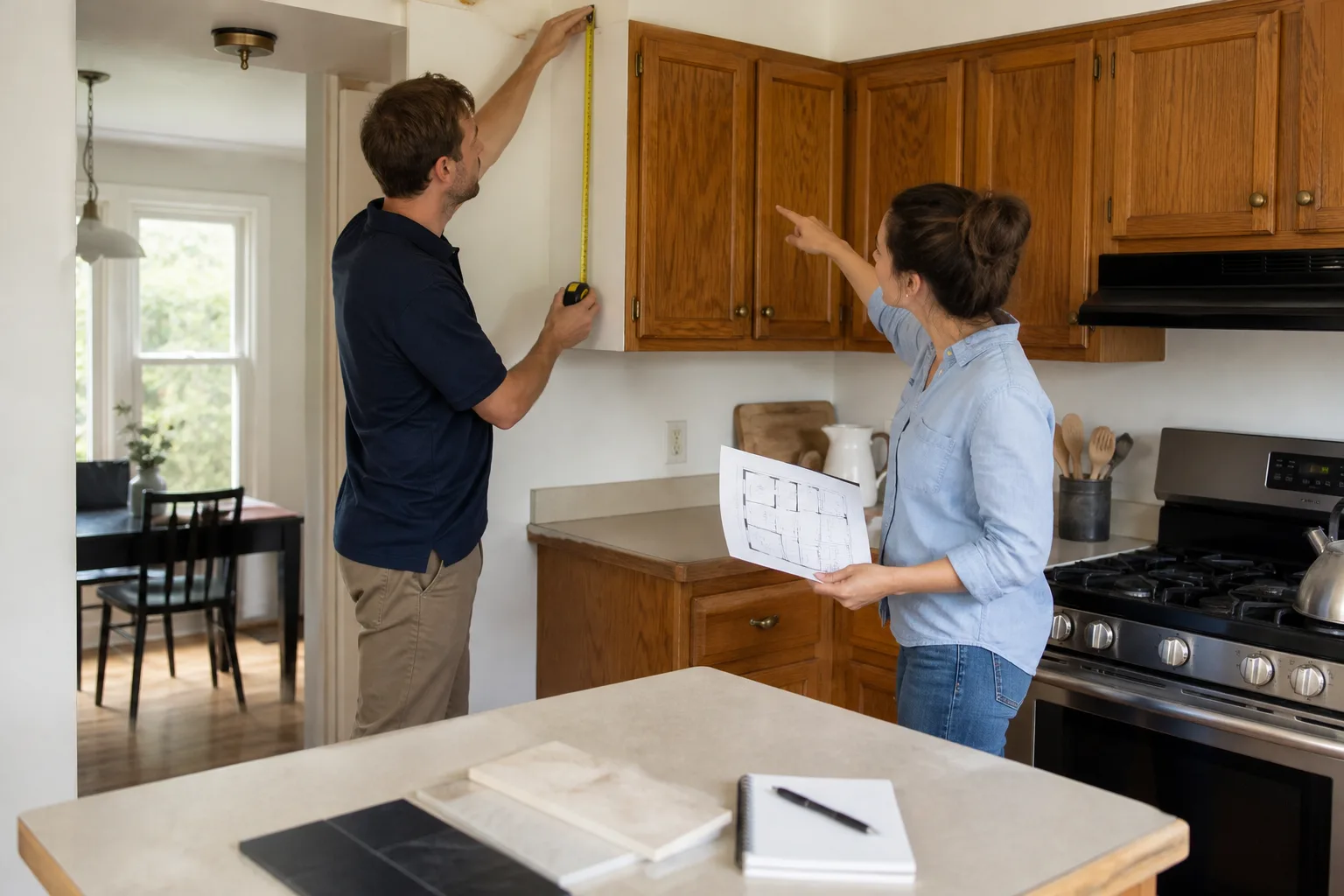
If you’d rather have it looked at, Sawyer Remodeling Whitney offers a no-pressure assessment in Whitney. We’ll measure your kitchen, walk through quartz and granite options from Cambria, Silestone, and Caesarstone, and hand you a written price before anything starts. Call (833) 570-8789 for a free estimate.
Written by the team at Sawyer Remodeling Whitney, serving Whitney, NV.