Last updated November 17, 2026

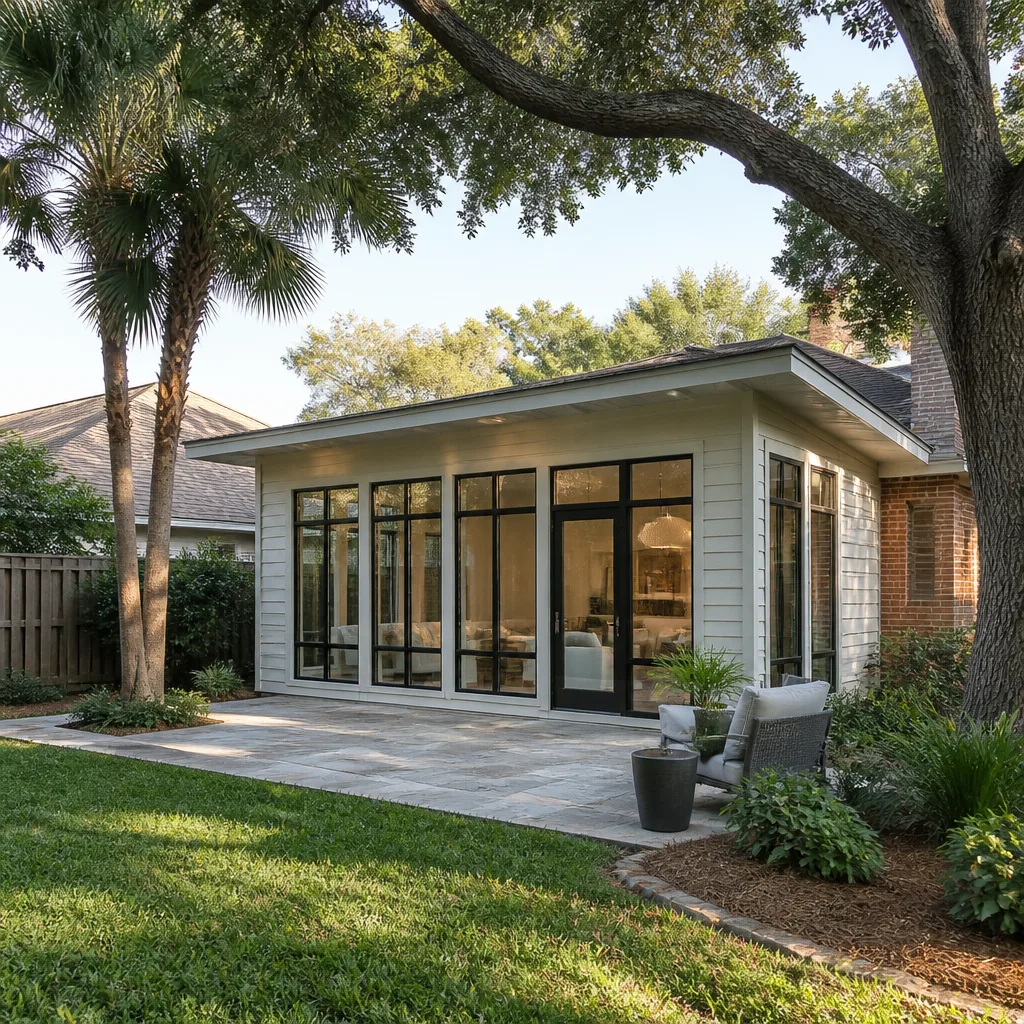
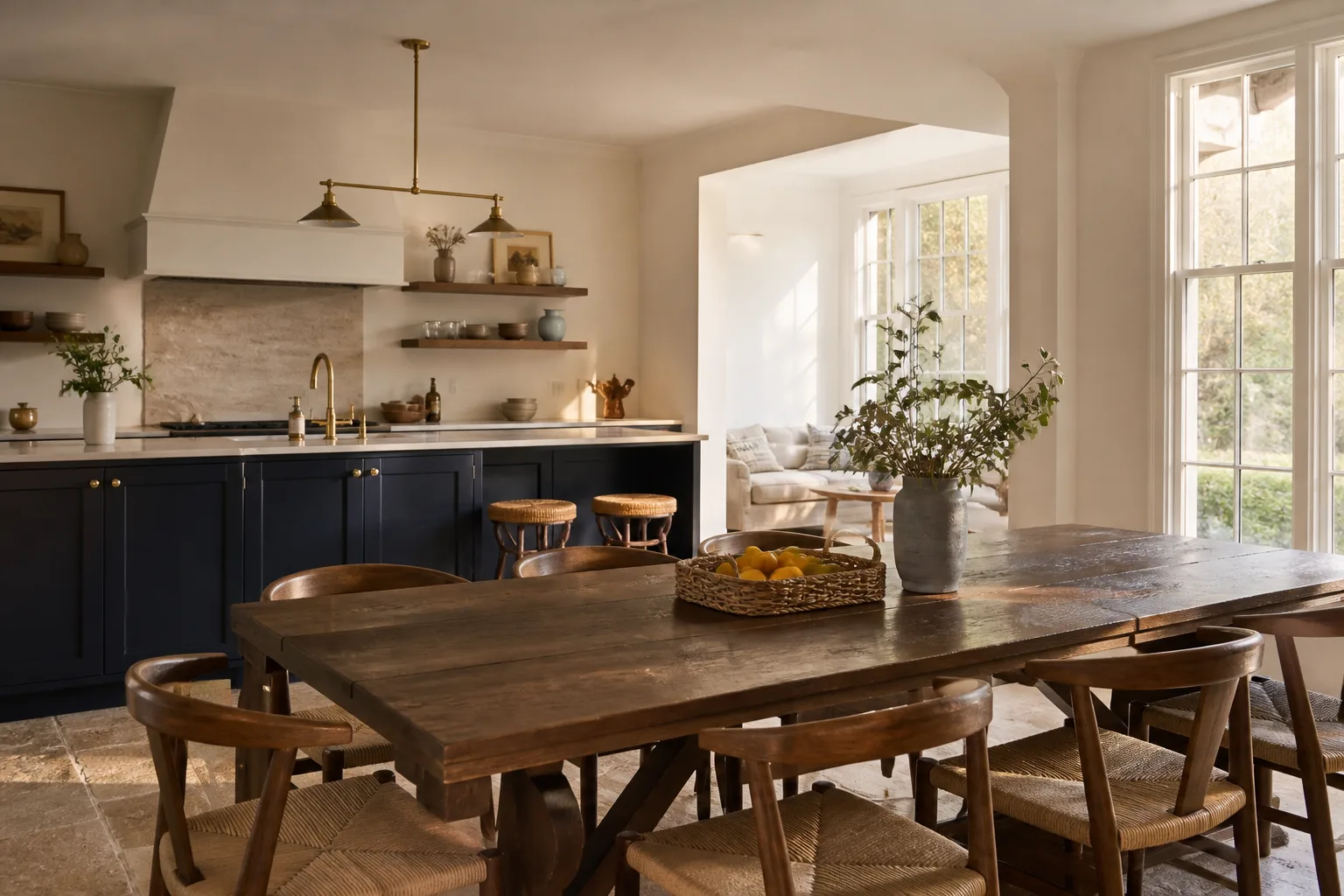

Free written scope consultation - allowances, timeline, and change-order rules on paper before a single trade is scheduled
Construction Cost Breakdown: The Whitney Homeowner’s Reference for 2026
The national average for a bathroom remodel is $12,000. In Whitney, NV, budget $16,500 to $22,000 for the same scope. The gap isn’t contractor greed. It’s labor costs, Clark County permit fees, and the reality of getting tile to the east side of the valley. If you’ve been shopping with national cost calculators and wondering why every local number comes in higher, this guide explains the difference line by line, so you can read a Whitney bid for what it really is. Below: what each common remodel costs here in 2026, how to budget permits before you get a single bid, and how to spot the vague scope language that turns into change orders.
Quick Answer
In Whitney, NV, expect the most common 2026 remodel projects to run roughly 8 to 14 percent above national averages: a mid-range bathroom at $16,500 to $22,000, a mid-range kitchen at $28,000 to $45,000, a room addition at $180 to $310 per square foot, and exterior work like siding or roofing at $9,000 to $28,000 depending on scope. Permits, delivery surcharges to the east valley, and desert-rated materials account for most of the premium over national figures.
Styles & brands we work with
- Kitchen remodeling
- Bathroom remodeling
- Home additions & ADU
- Roofing
- Windows & doors
- Driveway & pavers
- Fence
Table of Contents
- Why Whitney Construction Costs Run Higher Than National Benchmarks
- Bathroom Remodel Costs in Whitney: 2026 Line-Item Ranges
- Kitchen Remodel Costs in Whitney: 2026 Line-Item Ranges
- Room Addition Costs and What Drives the Price Per Square Foot
- Exterior Costs: Roofing, Siding, and Desert-Rated Products
- How Clark County Permit Fees Fit Into Your Budget
- How to Read a Contractor Bid and Spot Change-Order Risk
- Written Itemized Bid vs. Lump-Sum Estimate: Why It Matters
Why Whitney Construction Costs Run Higher Than National Benchmarks
Whitney sits in the east Las Vegas Valley, in Clark County’s unincorporated township territory, and that geography drives real cost. Three things push prices above the national numbers you see on remodeling cost sites.
Labor. Southern Nevada’s construction labor pool is smaller than the metro’s growth rate demands. During remodels in Whitney, trades are competing for scheduling with large-scale builds across the valley, and that tightness shows up in labor line items. You’ll see framing, drywall, and finish carpentry rates that run 10 to 15 percent above what the same crews charge in slower markets.
Materials and haul distance. Most tile, cabinetry, and specialty fixtures come from suppliers on the west side of the valley or from out of state. Delivery to Whitney is a real line item. A pallet of porcelain tile that ships free to a Summerlin showroom often carries a $150 to $400 delivery surcharge to an east valley address. For a full kitchen or bath, that adds up across every material drop.
Desert conditions. Exterior work here has to survive 115-degree summers and the occasional hard winter freeze. That means UV-stable finishes, higher-rated roofing underlayment, and siding with heat-tolerance ratings. These cost more per square foot than the same product names specified for a mild climate, and substituting on spec to save money is exactly where homeowners get bitten later.
If you’re renovating a home in Whitney and wondering whether a quoted scope is realistic, a Sawyer Remodeling Whitney home reference for how projects are scoped and priced in the area is a useful starting point. We’ll get to the specific numbers next.
Bathroom Remodel Costs in Whitney: 2026 Line-Item Ranges
A mid-range full bathroom remodel in Whitney runs $16,500 to $22,000 for 2026. A high-end bathroom runs $28,000 to $42,000. A budget refresh (keeping the same footprint, fixtures, and layout) lands around $9,000 to $13,000. What moves the needle between those tiers is almost always layout changes, not tile selection.
Here’s how the line items break down for a mid-range Whitney bathroom:
- Demo and disposal: $800 to $1,600. Old tile, tub removal, and hauling carry a premium in Whitney because debris transport adds real miles to the disposal trip.
- Rough plumbing and electrical: $1,800 to $3,500. Moving fixtures to new locations is the single biggest cost driver here.
- Waterproofing and Schluter edge trim: $600 to $1,200. Schluter trim is the metal strip that waterproofs where tile meets the floor or shower pan. It’s not optional in a wet climate zone, and it’s not where you should substitute.
- Tile work: $2,200 to $4,800. Labor-heavy and sensitive to tile size and pattern.
- Cabinetry and vanity: $1,500 to $3,500. Mid-range vanities from brands like KraftMaid fall in this range; entry-level box-store vanities run lower but show their age faster in desert humidity swings.
- Fixtures: $800 to $2,000 for a full set (showerhead, faucet, toilet, sink). Kohler and Moen lines are common mid-range picks.
- Countertops: $700 to $1,800. Quartz surfaces from Silestone or Caesarstone are the benchmark in this tier.
- Labor and finish carpentry: $3,000 to $5,500. This is where a short crew and a tight schedule actually cost money.
For a fuller walkthrough of what changes cost and scope in local bathrooms, see Bathroom Remodeling in Whitney.
Kitchen Remodel Costs in Whitney: 2026 Line-Item Ranges
A mid-range kitchen remodel in Whitney runs $28,000 to $45,000 in 2026. A high-end kitchen with a layout change, expanded footprint, or premium appliance package runs $60,000 to $95,000. A cosmetic refresh (new cabinet fronts, counters, and paint without moving plumbing) lands $12,000 to $20,000.
Read the line items carefully. The most common change-order trap in Whitney kitchens is appliances and hookups. If the bid says “appliances included” without naming models, budget an extra $2,000 to $6,000 once you actually pick them.
- Design and planning: $1,200 to $3,200
- Demo and haul-away: $1,000 to $2,200
- Mechanical rough-in (plumbing, electrical, gas): $3,500 to $8,000. If you’re moving the sink or range, expect the top of that range.
- Cabinetry: $8,000 to $18,000. Materials matter: KraftMaid and Wellborn both sit in the mid-to-upper range and give you manufacturer backing if something fails.
- Countertops: $3,000 to $7,500. Cambria quartz is common in Whitney’s mid-range kitchens because it holds up to dry heat without warping.
- Backsplash tile: $700 to $1,800
- Flooring: $1,800 to $4,500
- Fixtures and appliance hookups: $1,200 to $3,000
- Labor and finish carpentry: $6,000 to $12,000
Kitchens are the remodel type where a full written price up front matters most, because the number of line items means more room for vague scope to become a surprise. For a deeper look, see Kitchen Remodeling in Whitney.
Room Addition Costs and What Drives the Price Per Square Foot
Room additions in Whitney run $180 to $310 per square foot in 2026 depending on finish level, foundation condition, and whether the addition requires a new mechanical run. A 400-square-foot addition therefore runs roughly $72,000 to $124,000. The high end of that range covers bedrooms and guest suites; the low end covers utility rooms and garage conversions.
The line that moves the estimate most on additions isn’t finished square footage; it’s the connection to existing structure. On Whitney lots, older homes often have foundation and framing details that require engineering review before framing a new wall. That review is a fixed cost ($1,200 to $2,800 for typical projects) and it’s usually not in a standard contractor’s bid unless the contractor asks for it up front. This is where a lump-sum estimate can land in a change order.
Additions also require plan review and permit approval from Clark County before a shovel hits the ground. Both stages take calendar time, not cost-savings shortcuts. A properly scoped bid will break out the permit and plan-review fees so you can see them.
Prefab options sometimes come up in Whitney: a homeowner asks whether to go with a modular unit from Mighty Buildings or a garden structure from Tuff Shed instead of a site-built addition. Prefab can save time on the build, but you still need the site work, foundation, utility connections, and permit approvals – and those are usually 30 to 40 percent of the total project cost. For most Whitney lots, a site-built addition remains the more predictable route because it can be fitted to the existing structure rather than dropped in on a slab.
For general-contractor-level questions on additions and structural work, see General Contractor in Whitney.
Exterior Costs: Roofing, Siding, and Desert-Rated Products
Exterior work in Whitney runs $9,000 to $28,000 for most whole-home scopes in 2026, and desert-rated products are the driver. Roofing on a 2,000-square-foot home typically runs $11,000 to $19,000 depending on material and pitch. Siding replacement runs $9,000 to $18,000, with fiber cement (James Hardie is standard) at the upper end and vinyl at the lower end.
Whitney’s summers are the reason material spec matters on exteriors more than it does in other markets. Asphalt shingles here need higher UV ratings and heavier underlayment to hold up to the heat cycling. GAF and CertainTeed both offer rated product lines for this climate, and Owens Corning lines show up too. Substituting down to a lower UV rating to save 10 percent on material will cost more in re-roof timing a decade from now.
Other exterior line items worth budgeting:
- Exterior paint: $4,500 to $9,000, dependent on prep and trim
- Window replacement: $650 to $1,400 per window installed, with desert-rated low-E glass
- Block wall repair or replacement: $3,000 to $8,000 depending on length and condition
- Stucco patching or recoating: $2,500 to $6,500, which is common in Whitney after the intense summer sun cycles through an exterior wall
For a full exterior scope, the last thing we want is a bid that quotes the roof replacement but doesn’t specify underlayment or drip edge. Those details are where the price lands.
How Clark County Permit Fees Fit Into Your Budget
Clark County permit fees for a Whitney remodel usually run 1 to 3 percent of total project cost, with a minimum that often lands between $150 and $400 for smaller jobs. Larger remodels and additions push that higher because the fee schedule is based on valuation.
Here’s how to build permits into your budget before you get a single bid:
- Get a rough total project cost first. A bathroom at $20,000 or a kitchen at $35,000 gives you a valuation base.
- Multiply by 1.5 to 2.5 percent for a working estimate. Add 25 percent if the project includes structural or mechanical changes, because plan review adds time and complexity.
- Ask whether the contractor pulls the permit or you do. The contractor should pull it on any structural, plumbing, or electrical change. Some homeowners pull their own for smaller jobs; that’s legal in most cases but shifts inspection responsibility to you.
- Budget for the inspection cycle. A typical Whitney remodel needs two to four inspections. Each one adds one to three days to the schedule. That’s not a cost line in most bids, but it’s real time.
- Ask whether permit fees are included in the written price. A bid that leaves permits out is not a complete bid.
If you’re pulling bids before you’ve estimated permit fees, you’re comparing incomplete numbers. Ask each bidder to show the permit line.
How to Read a Contractor Bid and Spot Change-Order Risk
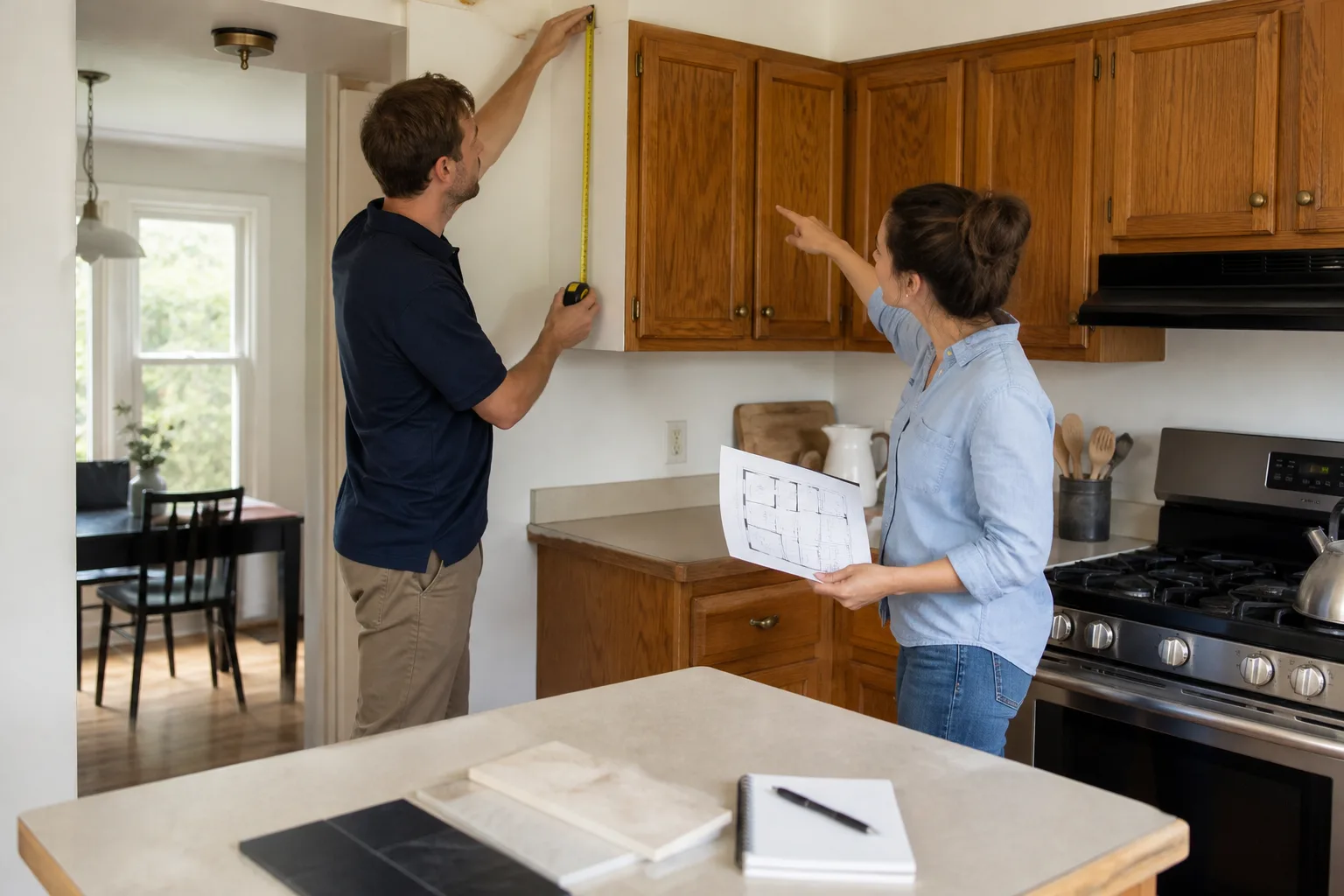
Most of the cost blowups we’ve seen on Whitney remodels trace back to a bid that was vague on scope, not to an over-market price. Here are the line items to read most closely before you sign:
“Demolition and prep.” If the bid doesn’t say what’s included (specifically: haul-away, dumpster rental, and debris fees), you can expect a change order. Whitney haul distances make this line real money.
“Tile and finish work.” A bid that lists “tile work” without specifying square footage, tile size, and pattern is a bid that will change once the material is on site. Large-format tile and herringbone patterns cost meaningfully more in labor than standard 12-inch tile, and a vague line hides that.
“Plumbing and electrical rough-in.” If the bid says “as needed,” it’s not a bid. It’s a placeholder. The price will move once the walls come open.
“Allowances.” Any line item marked as an allowance (light fixtures, appliances, tile) means the final price moves when you pick real products. Allowances are legitimate on design-build projects, but ask what the number is and what happens when you exceed it. A bid with $1,500 in fixture allowances on a $40,000 kitchen is $6,000 worth of scope escape.
“Permits and inspection.” Buried or missing.
The general rule: every vague line item is a change order waiting to be issued. Every specific line item is a number you can count on. If a bid contains more than two allowance lines on a standard remodel, read it again more carefully than you did the first time.
Written Itemized Bid vs. Lump-Sum Estimate: Why It Matters
A lump-sum bid gives you one number. An itemized bid breaks the number into lines with scope and allowances called out. Those sound like the same thing. They aren’t.
In a Whitney remodel, whether bathroom, kitchen, or addition, you can almost always count on one thing: something will come up that wasn’t visible in the walkthrough. A wall that has a plumbing detail not on the drawing. A foundation issue on an older home. A permit review note asking for a mechanical change. The lump-sum bid has no way to price that surprise fairly, so it either opens a change order at whatever rate the contractor invents on the spot, or the work stops until you agree.
An itemized bid gives you two things the lump-sum doesn’t. First, it tells you what the contractor actually planned to do, line by line, allowing you to compare two bids on scope rather than just on the final number. Second, it gives you a baseline to negotiate against if a surprise does appear.
Our position on this is clear: every Sawyer Remodeling Whitney project begins with a written price before any work starts, and that price is itemized. The number on the invoice is the number you approved. If an unexpected condition does come up, the written price protects you from being on the wrong end of a vague line item. The 365-Day Done Right Promise backs every project in writing, and a free second visit is on us if a repair fails inside that window. That’s not an upgrade. It’s how the job runs.
Common Mistakes to Avoid
- Comparing lump-sum bids against itemized bids. The lump-sum bid always looks lower on paper, because it hides scope. Line up what each bidder plans to do, then compare.
- Skipping permit fee budgeting. Homeowners who ignore the Clark County permit schedule end up $400 to $2,000 over budget on their working plan before the shovel hits the ground.
- Substituting spec to save money. A cheaper tile without a Schluter waterproofing detail, or a lower UV-rated shingle, will not last through Whitney summers. The savings come back as a repair line item years later, with interest.
- Accepting allowances without understanding them. If your kitchen bid has $1,500 in fixture allowances and you pick Kohler fixtures, you’re $4,000 past the bid before you’ve settled on cabinets.
- Not asking about the delivery surcharge. Whitney addresses carry added delivery cost on tile, cabinetry, and specialty fixtures. Ask whether delivery is included in the material line.
- Hiring on price without a written price. A handshake plus a verbal number is not a price. A written price, itemized, before any work starts is the standard.
- Ignoring the inspection timeline. A remodel that looks like it should take four weeks may take six because of the inspection cycle. Plan for one to three days per inspection, not one.
See the difference
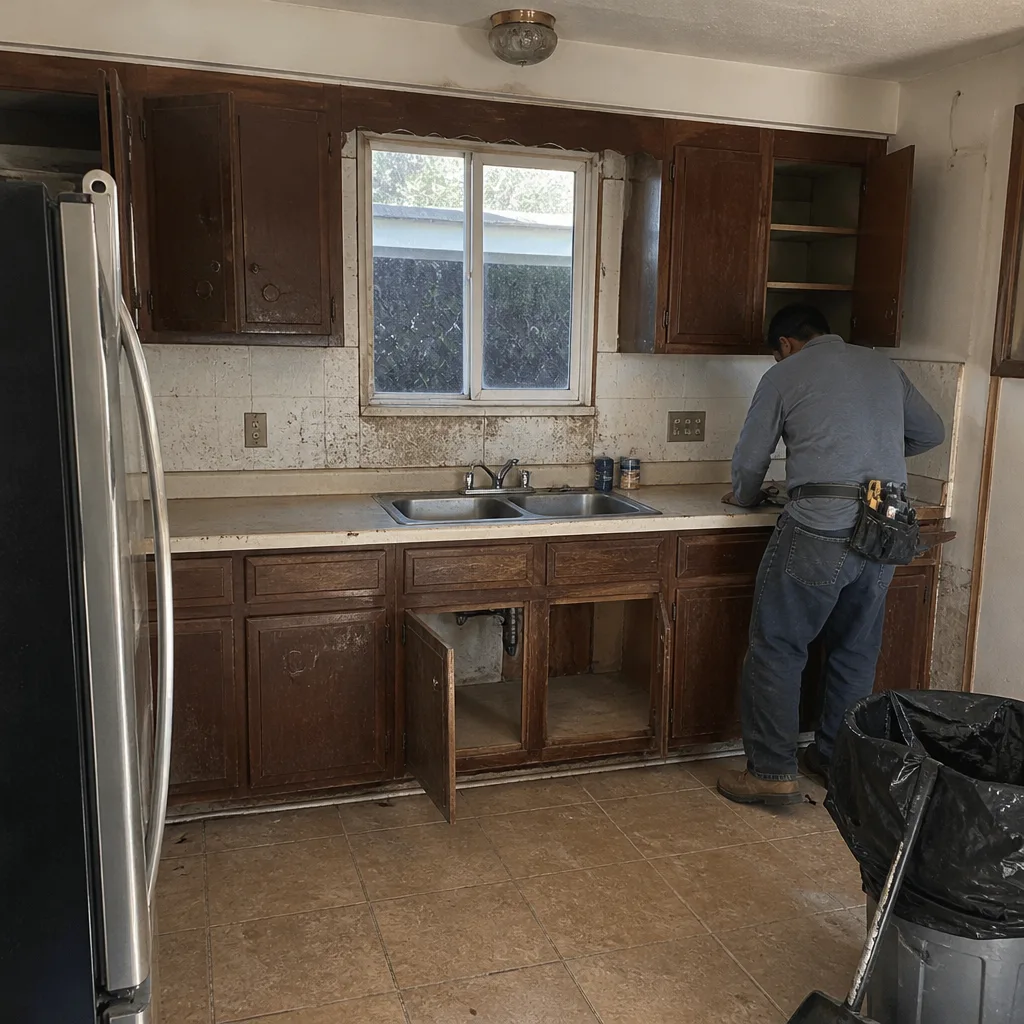 Before
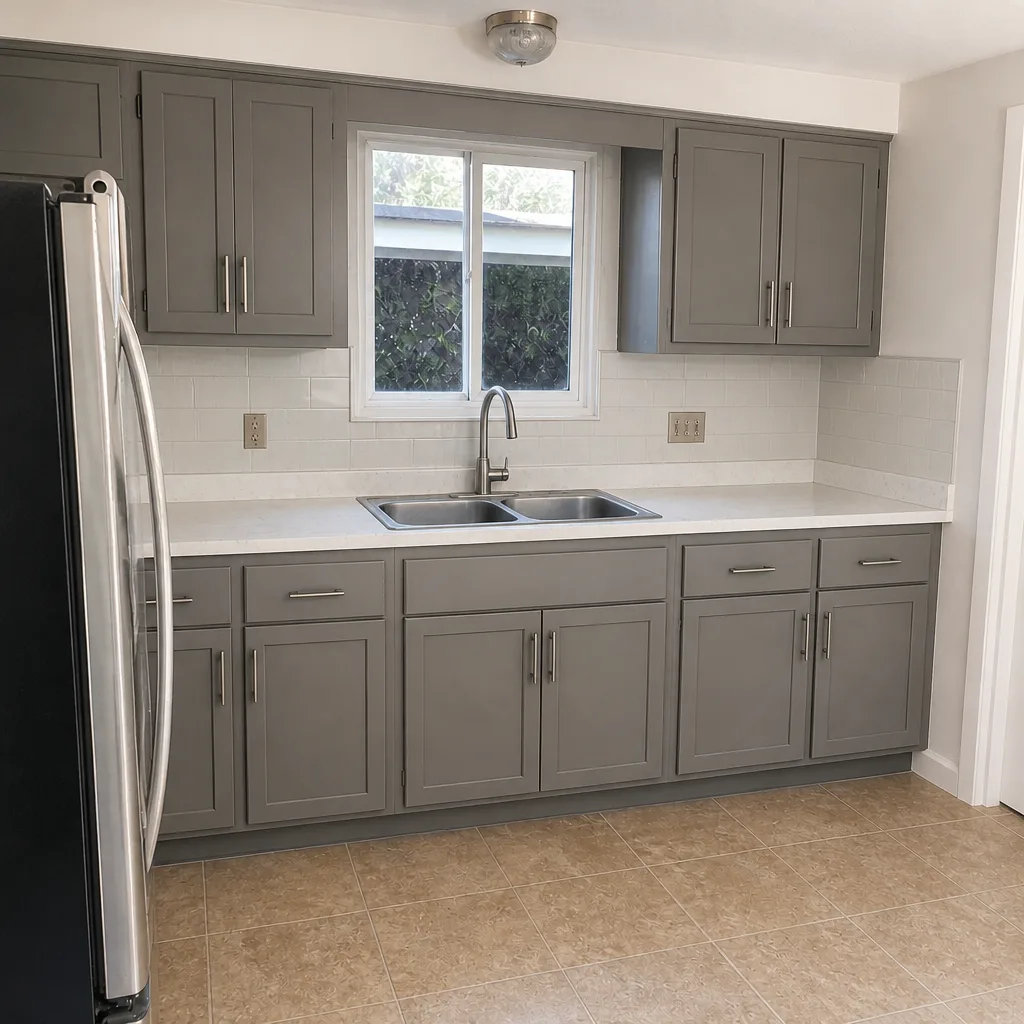 After
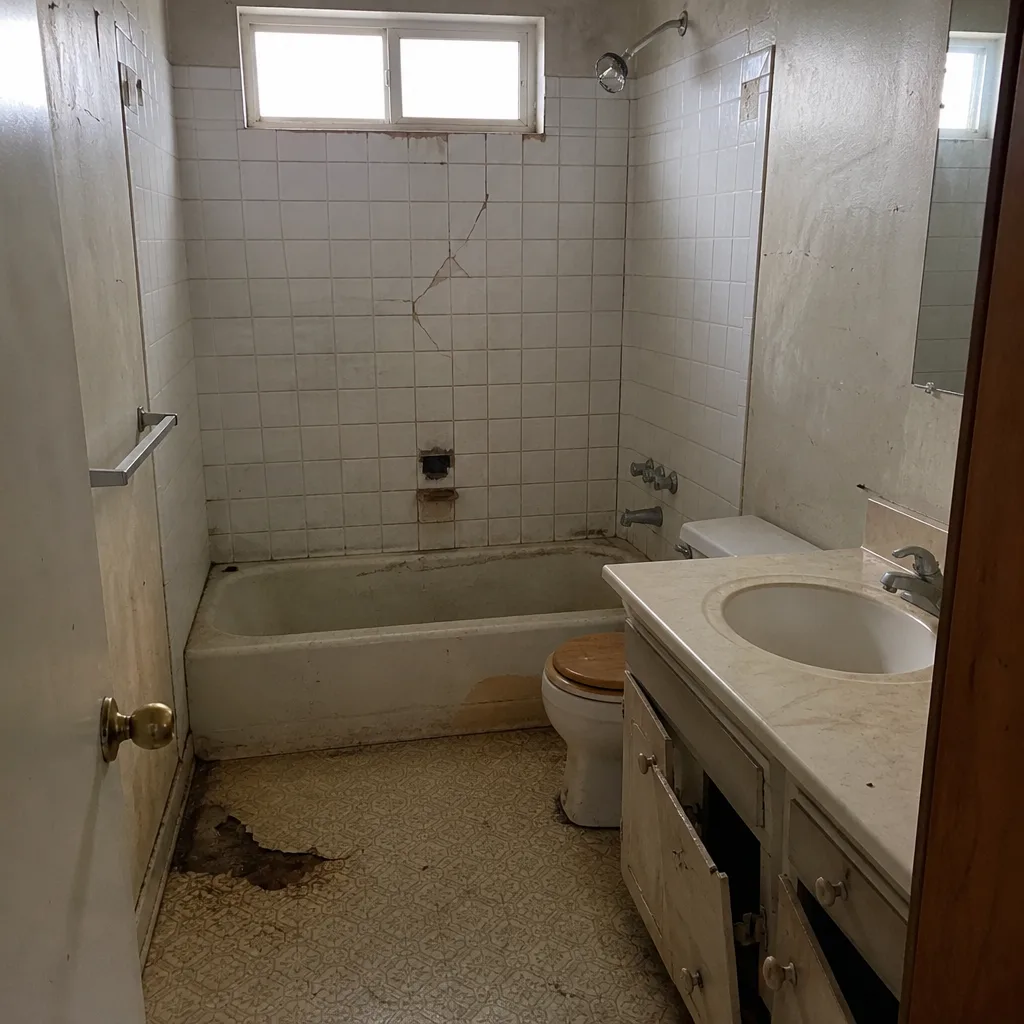 Before
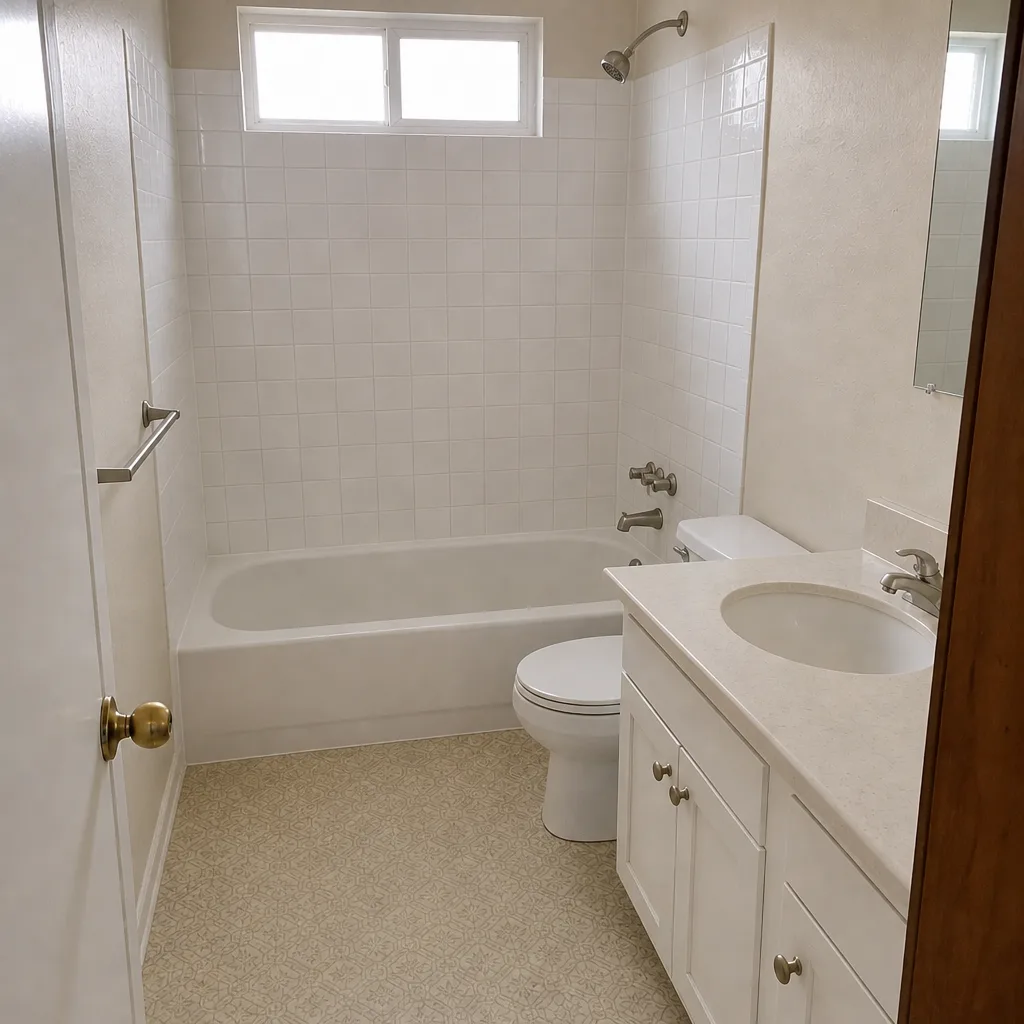 After
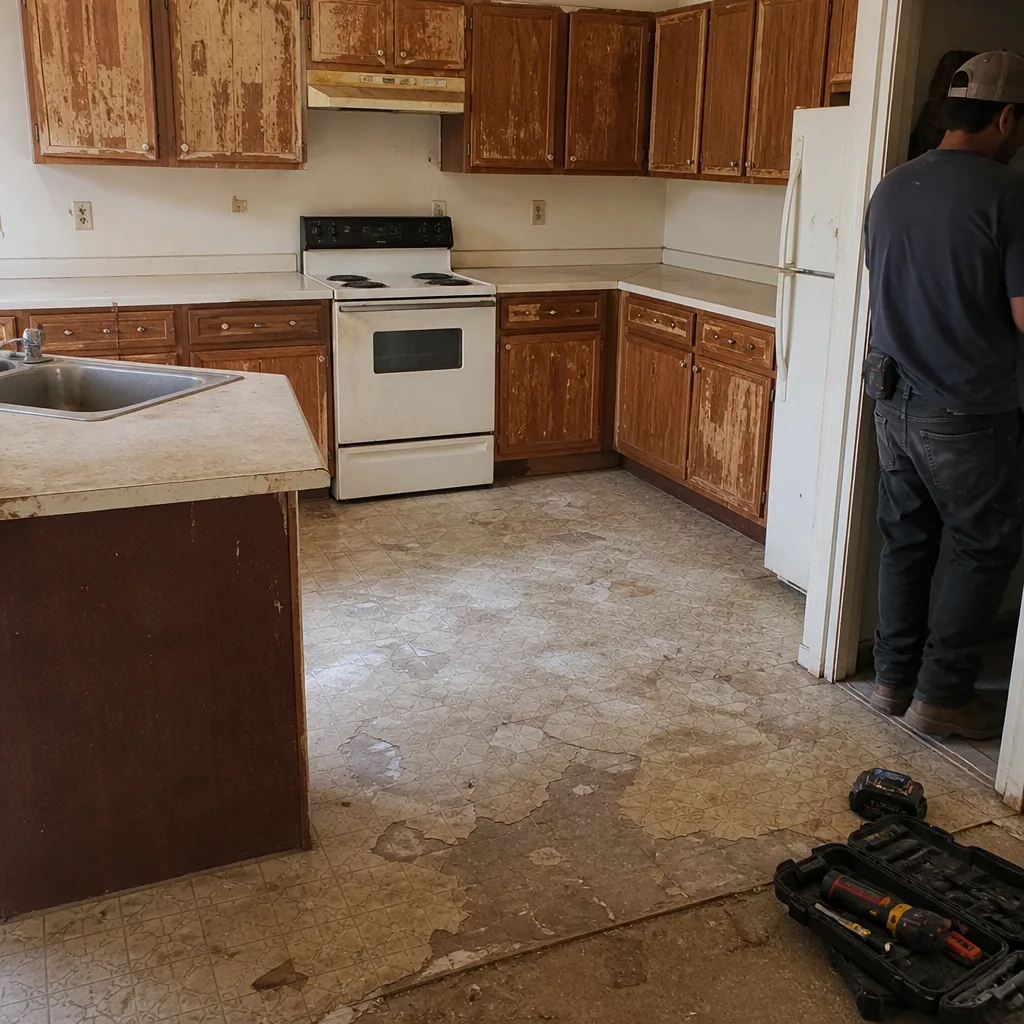 Before
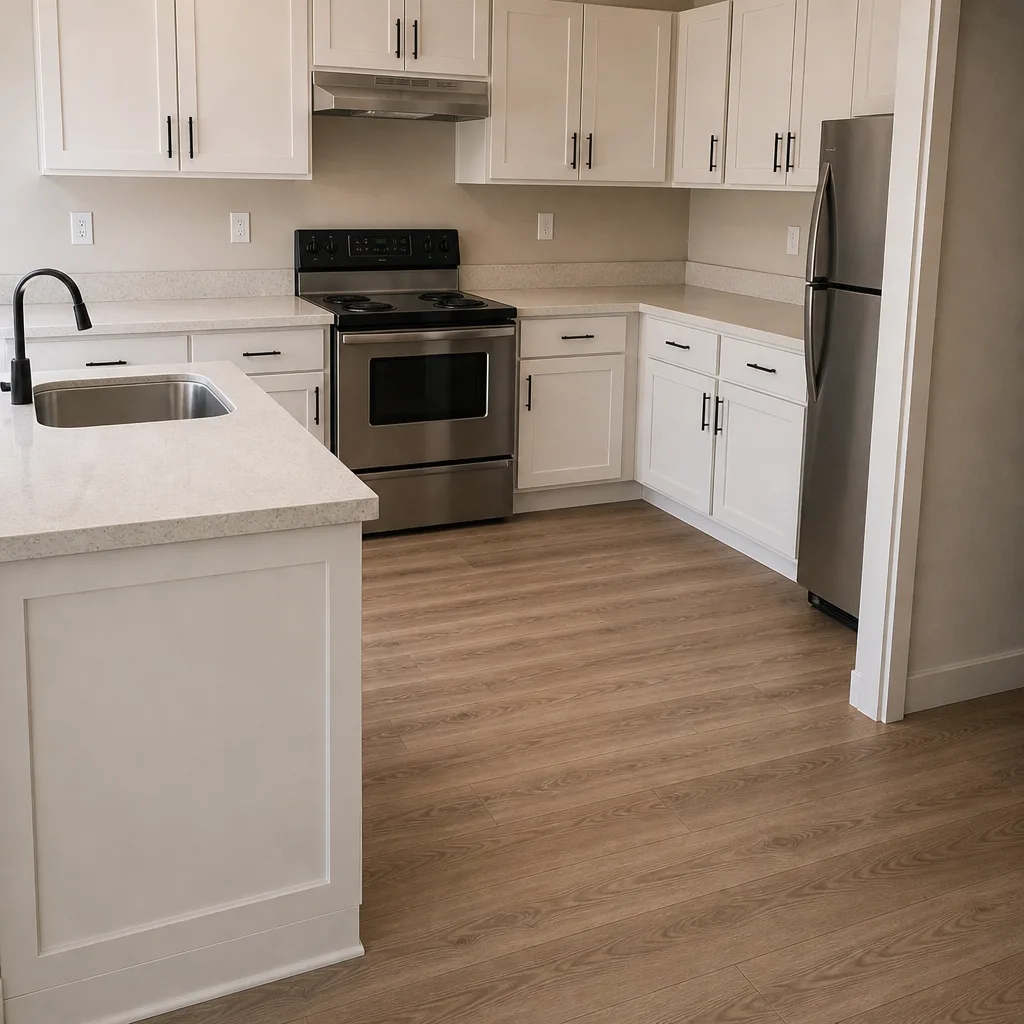 After
When to Call a Professional
Some projects are DIY-friendly. Most aren’t. In Whitney, call a professional when the work involves: any structural change (walls, framing, additions), plumbing or gas line work, electrical panel upgrades, shower waterproofing (the Schluter detail is not optional and is hard to redo), roofing, or any scope that requires a Clark County permit. A bathroom or kitchen remodel that moves plumbing will require permits and inspections, and skipping them creates a future resale problem. Room additions always require a licensed professional. If you’re unsure whether your project crosses into permit territory, that’s the point to ask.
Sawyer Remodeling Whitney offers free estimates in Whitney – call (833) 570-8789. Every estimate comes as a written price before work starts, with a live arrival time on the day and photo updates as the job moves. Our technicians have up to 21 years of experience, and every project is backed by a written 365-Day Done Right Promise.
Frequently Asked Questions
A mid-range bathroom remodel in Whitney runs $16,500 to $22,000 in 2026. A high-end bathroom runs $28,000 to $42,000, and a budget refresh without layout changes lands $9,000 to $13,000. The biggest cost variable is whether you move plumbing or fixtures. Call (833) 570-8789 for an exact quote – estimates are free.
Whitney remodel costs run 8 to 14 percent above national averages because of three local factors: a tighter Southern Nevada labor market, delivery surcharges on materials coming to the east side of the valley, and desert-rated product specifications required by the climate. Those three factors add cost that national cost calculators don’t capture.
Clark County permit fees for a Whitney remodel typically run 1 to 3 percent of total project cost, with minimum fees between $150 and $400 on smaller jobs. Add a 25 percent cushion if your project involves plan review for structural or mechanical changes. Ask your contractor whether permit fees are included in the written price.
Not if the bid is itemized and the project scope is written. Our written price lands in your hands before any work starts, so the number on the invoice is the number you approved. Vague line items are the change-order problem – if your bid has “as needed” or “allowance” language, ask what that means before you sign. Call (833) 570-8789 and we’ll walk you through the itemized price on a free estimate.
Yes. Any structural, plumbing, or electrical change requires a Clark County permit, and the contractor of record should pull it. In Whitney we pull permits on every project that requires one, and we coordinate the inspections with the county. If your bidder is asking you to pull your own permit on a structural change, that’s a red flag.
A mid-range bathroom in Whitney takes three to five weeks including inspections. A kitchen takes six to ten weeks. A room addition takes three to five months, mostly because of plan review and inspection scheduling. The calendar time includes the inspection cycle, which adds one to three days per inspection – and small remodels usually have two to four inspections. Call (833) 570-8789 to get a schedule target specific to your project.
The Bottom Line
Whitney construction costs in 2026 run 8 to 14 percent above national benchmarks, and the reasons are structural: labor, delivery distance, Clark County permits, and desert-rated materials. A bathroom runs $16,500 to $22,000, a kitchen $28,000 to $45,000, a room addition $180 to $310 per square foot, and an exterior remodel $9,000 to $28,000. The best protection against an artificially low bid is an itemized, written price before work starts, with the permit line and the allowance lines shown clearly. If a bid can’t show you those, that’s your signal to walk.
Call (833) 570-8789 for a free estimate. Every Sawyer Remodeling Whitney project starts with a written price, a live arrival time on the day, and photo updates from start to finish. Background-checked, uniformed technicians arrive on every job, and calls are answered by a live person, 24/7.
Written by the team at Sawyer Remodeling Whitney.