Last updated November 17, 2026








Free written scope consultation - allowances, timeline, and change-order rules on paper before a single trade is scheduled
Construction Warning Signs: A Whitney Homeowner’s Reference Guide
Stucco cracks in Nevada are so common that most homeowners stop seeing them. That’s the problem. A hairline thermal crack that opens and closes with the desert day-night swing is cosmetic. A horizontal crack running along a block course is a different animal, and treating the two the same way is how a $500 repair turns into a $15,000 foundation job. Whitney sits on ground that behaves in its own particular way after a hard rain, and the houses here show it. This guide walks you through which construction warning signs in Whitney are safe to log and watch, and which ones mean you pick up the phone today.
Quick Answer
Most cracks and stains on a Whitney home are cosmetic thermal and moisture movement, not structural failure. The signs that are genuinely time-sensitive are horizontal or stair-step cracks in block and stucco, doors and windows that suddenly stop latching, water staining on flat or low-slope roof ceilings, and white mineral bloom (efflorescence) on block walls after rain. Those four are worth a licensed contractor’s eyes, and quickly.
Styles & brands we work with
- Kitchen remodeling
- Bathroom remodeling
- Home additions & ADU
- Roofing
- Windows & doors
- Driveway & pavers
- Fence
Table of Contents
- Reading stucco and drywall cracks: thermal vs. structural
- What caliche soil does under a Whitney house after rain
- Flat and low-slope roof water intrusion signs unique to Nevada
- HVAC and attic heat clues that show up in the framing
- Monitor-and-document vs. call-immediately: the exact thresholds
- A 15-minute monthly walkthrough you can actually keep up with
- What to ask before you hire anyone to look at it
Reading Stucco and Drywall Cracks: Thermal vs. Structural
Whitney’s swing between 100-degree afternoons and 60-degree nights moves stucco and drywall constantly. Three coats of stucco over lath expand at a slightly different rate than the wood framing underneath, so the surface relieves that stress with tiny cracks. That is normal. The question is orientation and width, not whether a crack exists.
Here’s how we separate the two in our experience on Whitney homes:
- Hairline cracks under 1/16 inch, vertical or diagonal at corners: thermal movement. Monitor with a pencil line across the crack and the date written next to it.
- Cracks that reappear in the same spot every summer and close in winter: seasonal. Cosmetic, but worth sealing against moisture.
- Horizontal cracks in block walls or stucco over block: these follow a mortar joint and often signal lateral soil pressure or foundation settlement. Not a watch-and-see.
- Stair-step cracks tracking diagonally up a block wall through the mortar joints: the classic settlement signature. Time-sensitive.
- Any crack wider than 1/8 inch, or one you can slide a coin into: get eyes on it.
- Drywall cracks radiating from the corner of a door or window frame, especially if the door then sticks: the frame is racking, which usually traces back to the foundation.
One more rule: a crack that’s new is more interesting than a crack that’s old. Photograph it with a ruler held against it and the date visible in the frame. If it grows over a few weeks, that’s your answer regardless of direction.
What Caliche Soil Does Under a Whitney House After Rain
Much of the ground around Whitney is layered with caliche, a naturally cemented calcium-carbonate hardpan that behaves like a soft rock when dry and a sponge when wet. Under a dry desert lot it’s stable. Then a monsoon cell drops an inch in an hour, water runs to the low side of the lot, and the caliche layer underneath softens and shifts while the soil under the footings on the other side stays put.
That differential movement is what cracks foundations in this part of the valley, and it usually announces itself on the surface first. Watch for these signs after a heavy rain:
- New cracks appearing within two to four weeks of a monsoon event near the corners of the slab or along the garage wall.
- Doors and windows that suddenly don’t latch on one side of the house only. That asymmetry points to one corner of the foundation dropping or rising.
- A floor that feels like it has a slight hump or dip you can find with a marble rolled slowly across a tile run.
- Separation between the slab edge and the stucco skirt where the exterior wall meets the ground, wider than a fingernail.
- Water pooling against the foundation for more than a day after rain. Grading that sends water toward the house is the number one accelerant of foundation movement here.
A house that has sat through fifteen monsoon seasons without a crack is telling you the drainage is working. Fix the grading before you fix the crack.
Flat and Low-Slope Roof Water Intrusion Signs Unique to Nevada
Nevada construction leans heavily on flat and low-slope roof sections over patios, additions, and garage tie-ins. They handle sun well. They handle standing water badly, and monsoon rain is exactly when they see it. Because the interior ceilings under these roofs are often insulated and finished, the first sign is rarely a drip you hear. It’s usually one of these.
- Bubbling or blistering paint on a ceiling or upper wall: moisture pushing from behind the drywall. Pop it with a utility knife and it will tell you whether there’s water in the paper.
- Efflorescence on block walls: that white, powdery mineral bloom means water has been moving through the masonry and evaporating on the surface. It’s a moisture path, not a stain to paint over.
- Attic condensation: in a sealed Nevada attic, a small roof leak combined with 140-degree attic heat can show up as damp sheathing, rusty nail points, or dark staining on the underside of the deck rather than a ceiling stain.
- Soft spots, sagging, or a spongy feel when you press up on a ceiling near the exterior wall line.
- Dark rings or “tide marks” on fascia and soffit boards where water tracks down and pools.
The roofing manufacturers we install, including CertainTeed and Owens Corning, publish flashings and underlayment systems made for low-slope transitions. What fails in Whitney isn’t the material. It’s a flat roof with no slope and a drained edge packed with debris. Get on the roof twice a year, or have someone who does it safely check the scuppers and drains before monsoon season.
HVAC and Attic Heat Clues That Show Up in the Framing
A leaking duct in a Whitney attic doesn’t just run up a power bill. In a house where the attic regularly climbs past 140 degrees, a poorly sealed supply duct dumps cold air onto the roof deck. The deck condenses moisture on the underside in the cooler hours, the framing stays damp, and over a few seasons the sheathing softens and the rafters begin to bow. It’s slow, it’s invisible from inside the house, and it’s the most under-diagnosed warning sign in desert construction.
Look for these clues:
- Discolored or lifting duct wrap in the attic where a joint has been tape-and-mastic’d badly, or with a discontinued tape that has dried out.
- A musty smell in one room on humid days even when the roof isn’t leaking.
- Diurnal water marks on the north-facing roof deck in the attic – the side that stays coolest – from condensation.
- Rafter sag on a straightedge held against the bottom edge. A 1/4-inch dip over eight feet is worth investigating.
- Ceiling drywall screws showing rust heads along a specific run, which usually traces back to a chiller duct leaking into that bay.
Sealing or replacing the duct is a fraction of the cost of re-decking an attic. Have a licensed HVAC technician check the duct connections and have the attic looked at by a contractor who understands framing. Our General Contractor in Whitney work regularly includes this kind of attic inspection, because the fix is cheap once you know and expensive once you don’t.
Monitor-and-Document vs. Call-Immediately: The Exact Thresholds
Here’s the short version of what we tell Whitney homeowners. If the sign fits the first column, grab a pencil and a camera. If it fits the second, call a licensed contractor today. A licensed contractor means someone with the state license and liability coverage to advise on structural concerns – not a handyman with a tube of chaulk.
- Monitor and document: hairline cracks under 1/16 inch, seasonal vertical cracks at window and door corners, single efflorescence patch under a hose bib, one rusted nail head, minor paint fading on a south-facing wall.
- Call within the week: a crack of 1/8 inch that has grown in the last month, new efflorescence after a rain, one window that stopped latching, a small ceiling stain that’s holding steady.
- Call today: horizontal or stair-step block cracks, a door that won’t close at all, water running down a wall after rain, a spongy ceiling, a slab crack wider than 1/4 inch, or any crack that fully separates the finish from the substrate.
One rule overrides all of it: if you can’t explain a new sign with a known cause, have it looked at. Guessing is the expensive route, and in Whitney we’ve seen the same corner crack cost a homeowner $500 to seal in year one or $15,000 to underpin in year five.
A 15-Minute Monthly Walkthrough You Can Actually Keep
Most homeowners who write off warning signs never did a routine walk. Fifteen minutes on the first Saturday of each month catches almost everything, because you’re looking for change, not for perfection. Here is the sequence we recommend:
- Walk the exterior perimeter clockwise. Photograph any new stucco crack with a coin held against it and a pen mark for the date.
- Open and close every exterior door and window. One that suddenly sticks or won’t latch is telling you something moved.
- Look up. Scan the ceiling in every room for new staining, bubbles, or discolored drywall tape.
- Look at the base of the block walls for efflorescence, and check the slope of the dirt next to the house. Water should drain away, never toward.
- Check the roof from the ground with binoculars. Look for lifted shingles, granules in the gutters, and debris in scuppers. Only walk a roof if you do it safely and know what you’re standing on – a flat or low-slope roof in summer is a genuine fall risk, and many Whitney homeowners are better served calling someone for this one.
- Look inside the attic with a flashlight once a quarter. Damp sheathing and rusted nail heads tell you the roof or duct work is telling a story.
- Write it down. A dated photo log saves you thousands because it gives any future contractor a timeline instead of a mystery.
Log the date, the room or side of the house, and one sentence about what you see. That paper trail is worth more than a memory and, if you ever sell the home, more than any disclosure form.
What to Ask Before You Hire Anyone to Look at It
The person you call first matters more than most homeowners expect. Some contractors will bid whatever you’re worried about. Others will tell you what you actually need to know. Ask these four questions on the phone before anyone comes out:
- “Are you licensed and insured for structural work in Nevada?” A straight answer, not a story, is the only good answer.
- “What’s the written price?” Any contractor worth having hands you a written number before a single tool is picked up. No exceptions.
- “Do you know what caliche is?” Anyone working on foundations in Whitney should be able to talk about hardpan and differential movement in plain words.
- “What’s your guarantee?” “We’ll be back if it’s wrong” is not a guarantee. A written one, with a specific duration, is.
At Sawyer Remodeling Whitney, every project runs under The Relay Visibility Guarantee: a live arrival time, photo updates before and after, and a written price before work begins. The 365-Day Done Right Promise backs every job for a full year. When you’re ready to stop guessing about a sign and start getting an answer, the bathroom remodeling in Whitney and whole-home work we do gets you the same written guarantee. And when the attic is where the trouble is, our kitchen remodeling in Whitney team routinely inspects the ceiling and framing above before opening up a ceiling or wall, because what’s hiding up there matters. Start with the Sawyer Remodeling Whitney home page to see how the whole process runs.
Common Mistakes to Avoid
- Patching a stucco crack with caulk and calling it fixed. If the crack is still moving underneath, the caulk will fail next season, and you’ve hidden the evidence a contractor needed to see.
- Painting over efflorescence. The mineral bloom is water carrying salts through the block. Paint traps it underneath and it comes back within a season, this time with paint peeling off with it.
- Judging a foundation crack by its width alone. A 1/8-inch horizontal stair-step crack is far more serious than a 1/16-inch vertical crack, even though it’s visibly narrower.
- Ignoring a door that “still works, it just sticks a little.” A door that stuck last month and sticks worse this month is telling you the frame is racking, and it’s usually the cheapest moment to catch it.
- Letting water pool against the foundation. In Whitney, a badly graded lot that drains toward the house is the single most common reason a stable foundation starts to move. Fix the grading and you fix the cause.
- Skipping the attic because “you can’t see it.” The attic is where the roof deck, framing, and duct work fail invisibly. A flashlight and ten minutes a quarter catches it early.
- Taking the lowest bid without a written scope. The number that comes in 30% low usually comes back via change orders, and that’s the exact predictable surprise The Relay Visibility Guarantee exists to kill.
See the difference
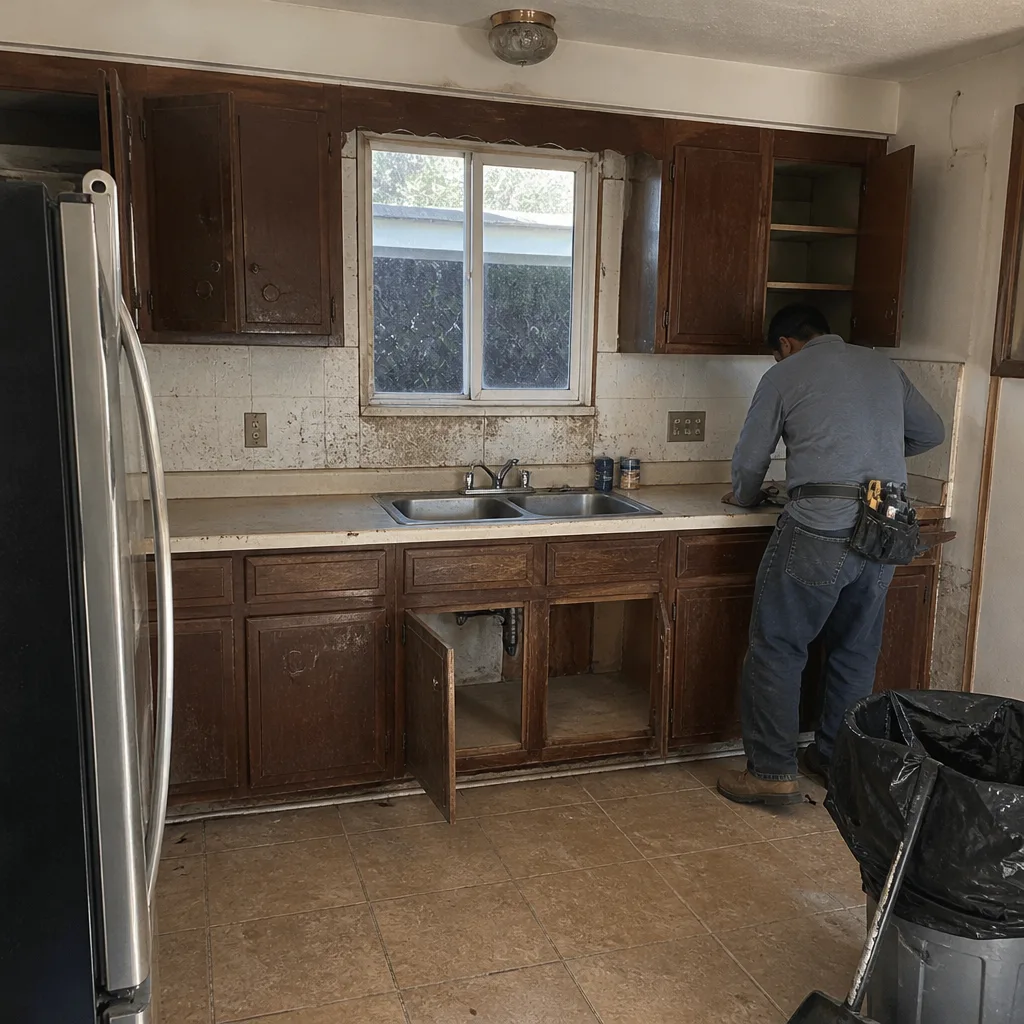 Before
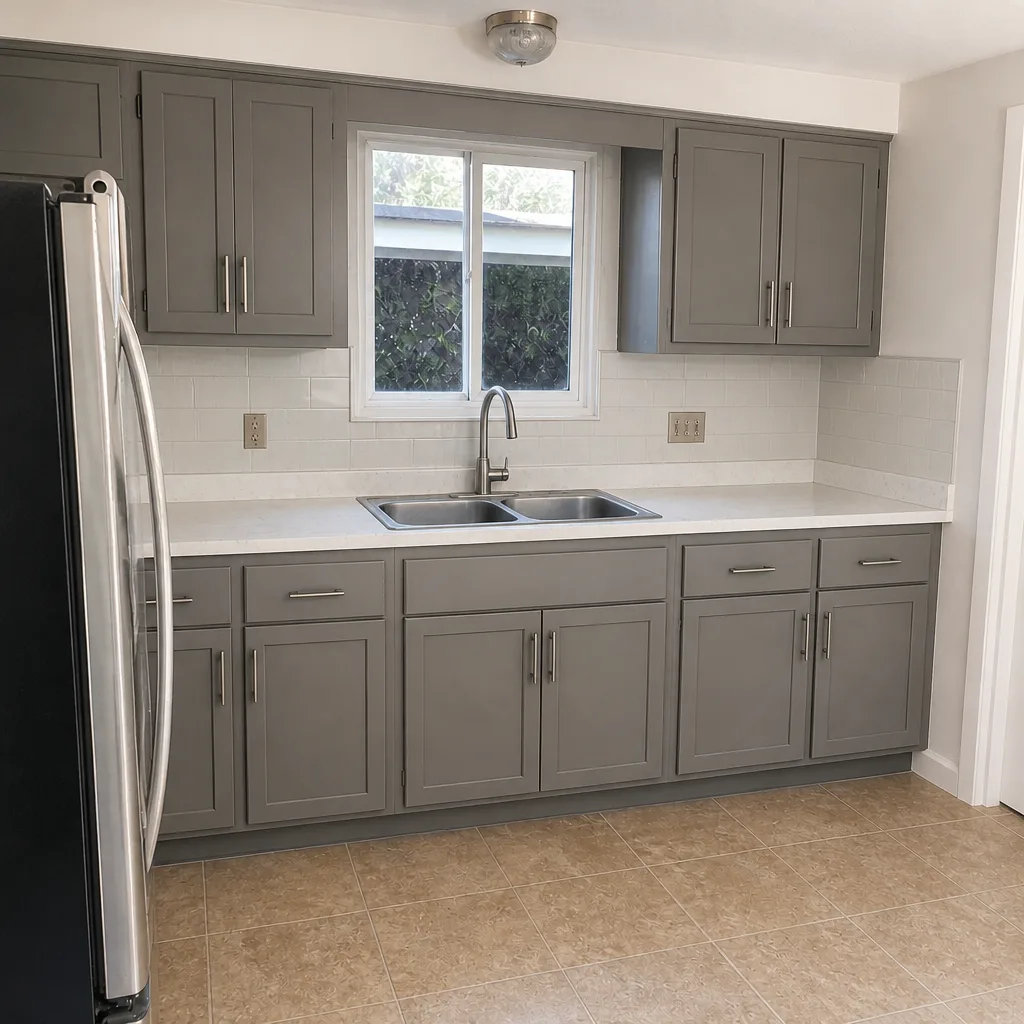 After
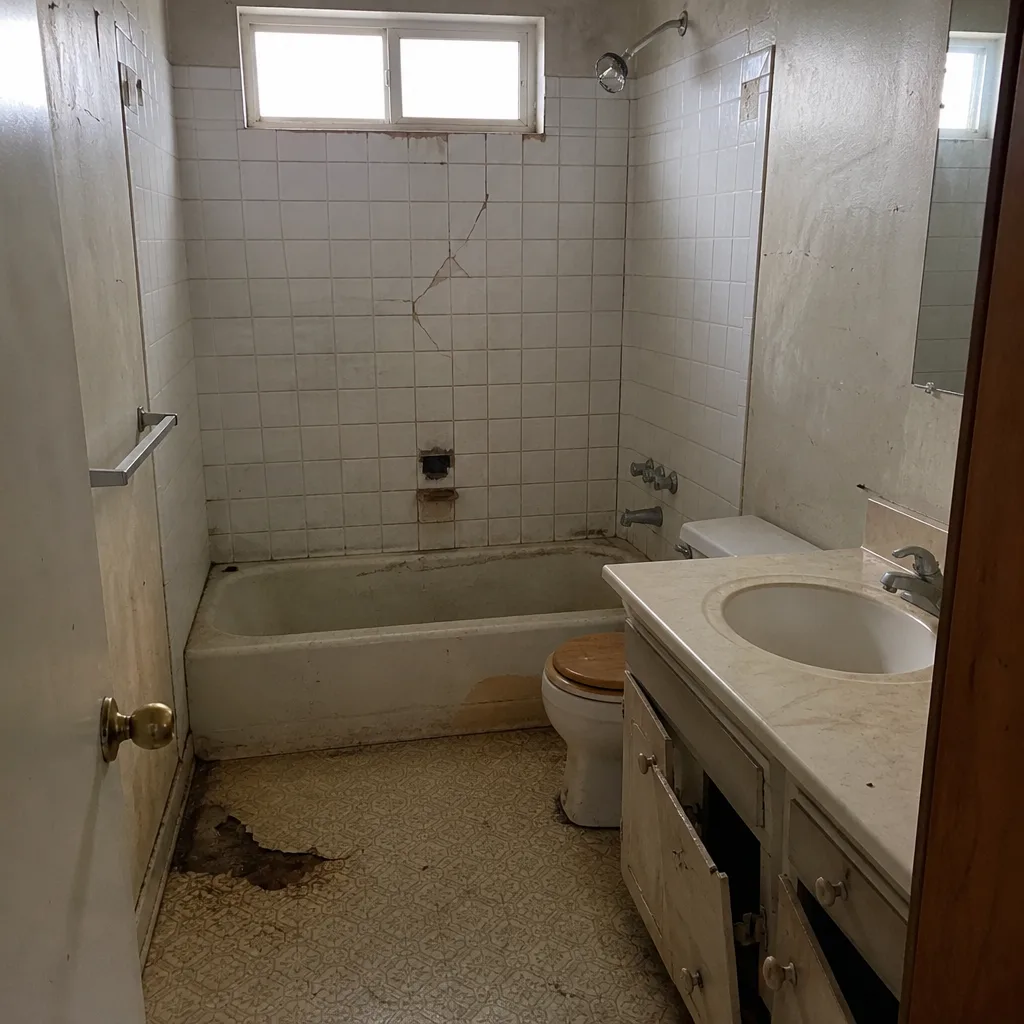 Before
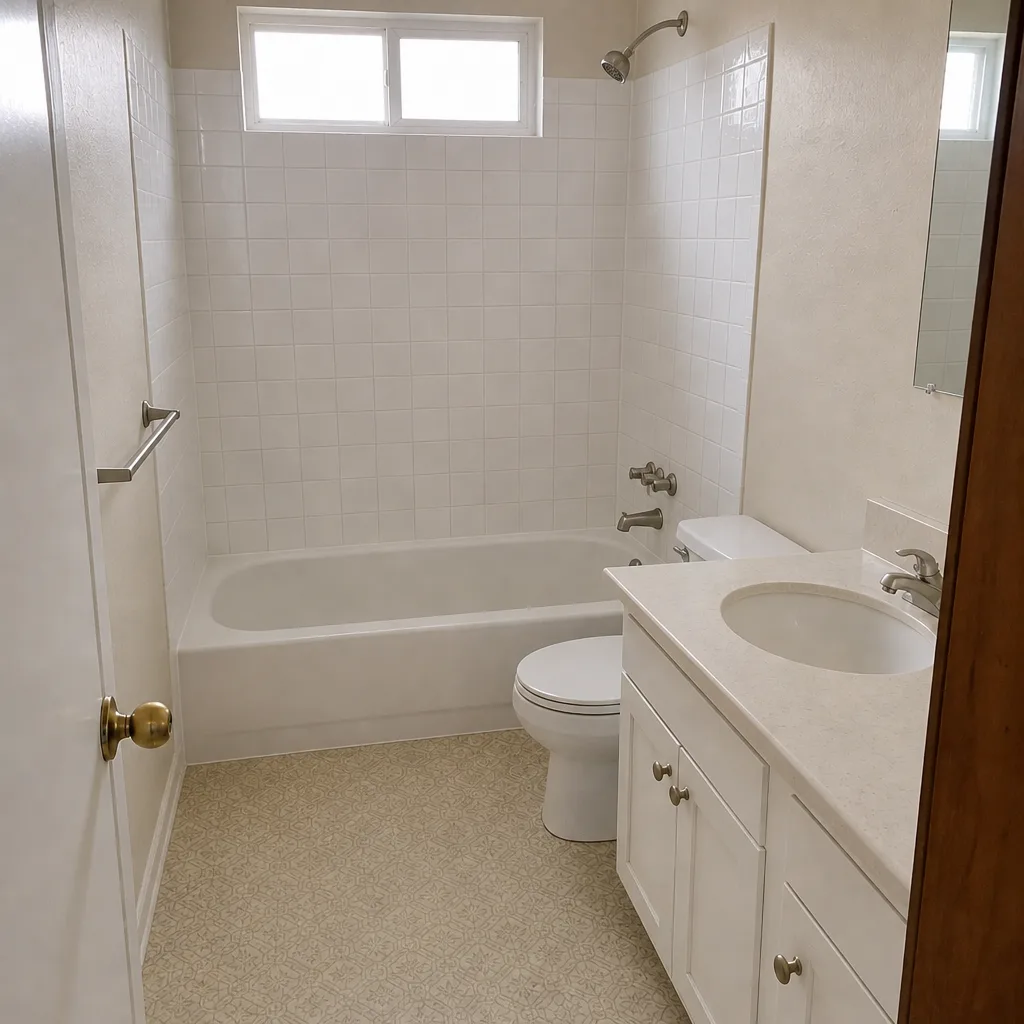 After
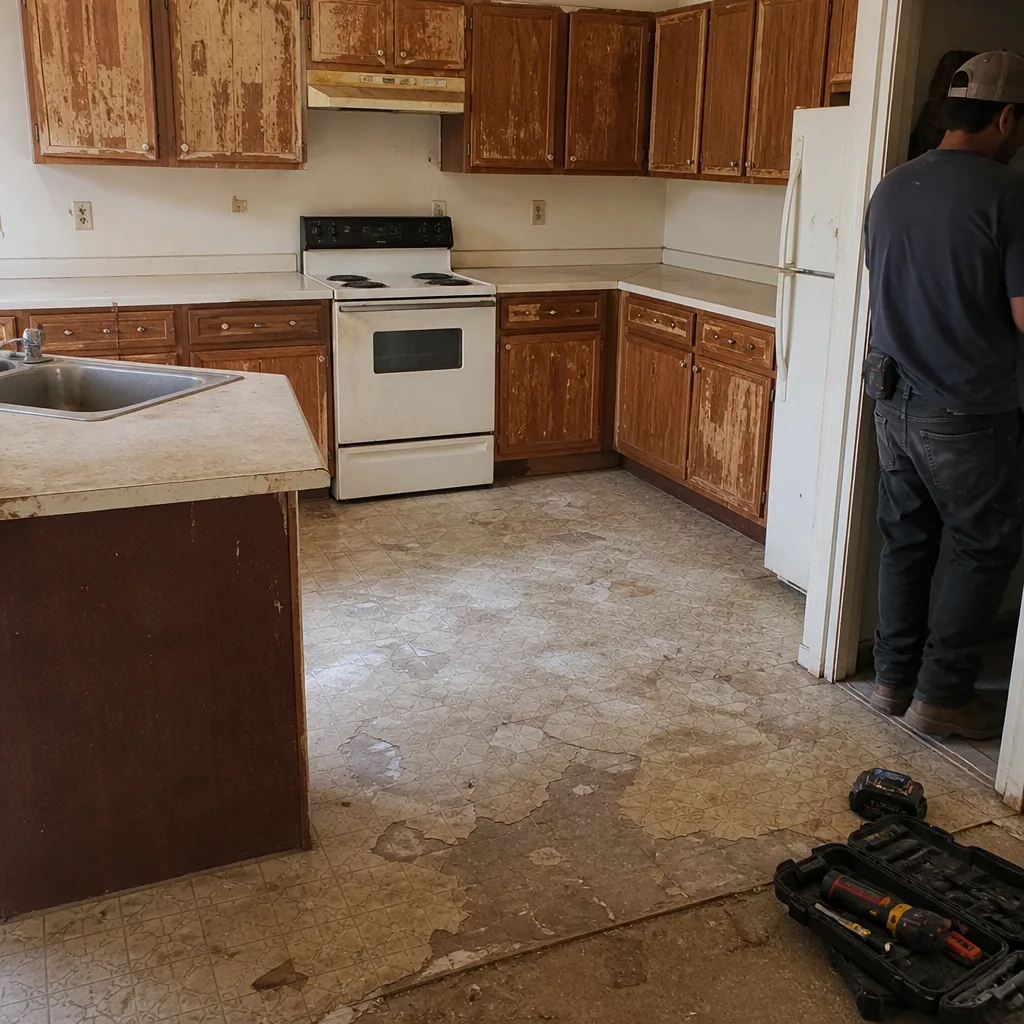 Before
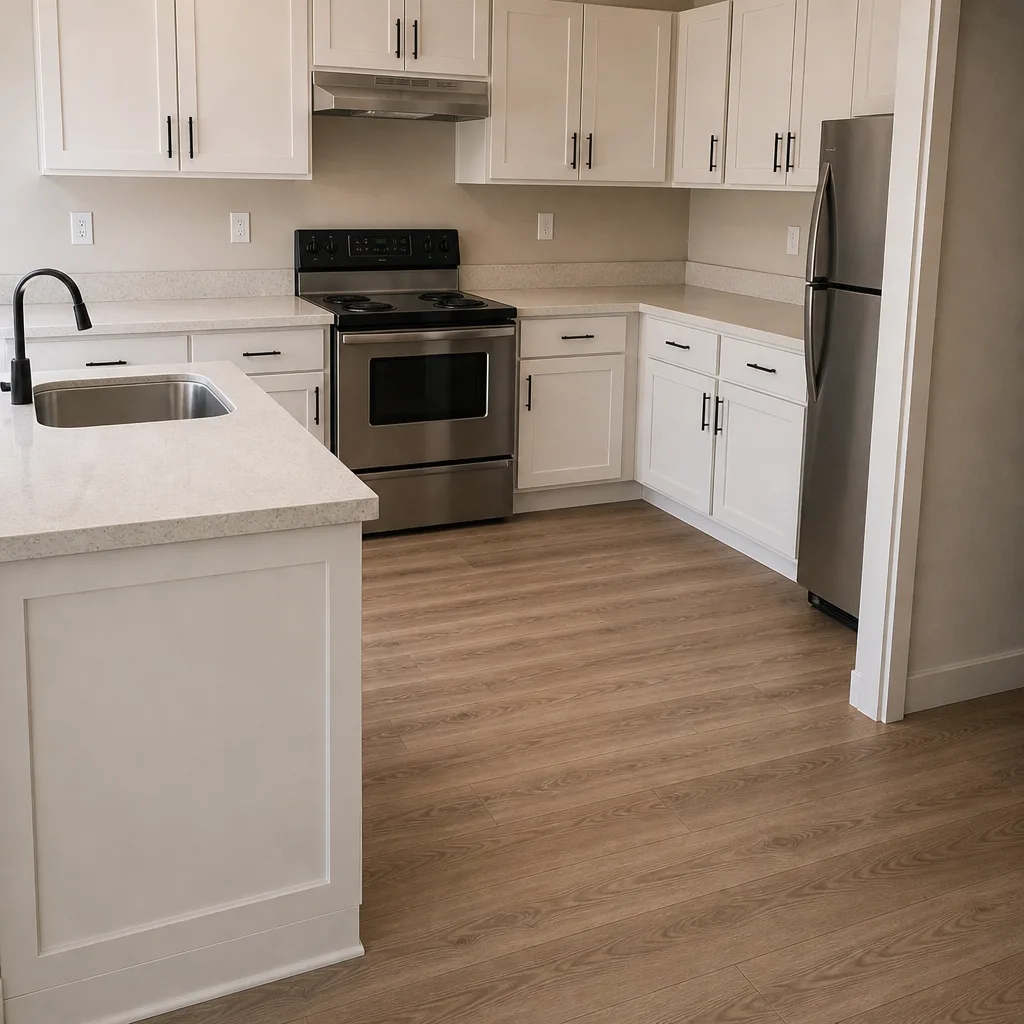 After
When to Call a Professional
Call a licensed contractor the same day if you see a horizontal or stair-step crack in block or stucco, a door or window that has just stopped latching, any water tracking down an interior wall after rain, or a ceiling that feels soft. Those are the signs where waiting converts a fixable problem into a structurally expensive one. Cracks wider than 1/8 inch, or any crack that grows within a month, also warrant a call. For the monitor-and-document signs, keep your photo log and have a contractor look at the whole house once a year, before monsoon season. Sawyer Remodeling Whitney offers free estimates in Whitney; call (833) 570-8789 to schedule one.
Frequently Asked Questions

Yes, most are. Whitney’s daily temperature swing causes stucco to expand and contract over the framing, and hairline cracks under 1/16 inch are the normal relief. What’s not normal is a horizontal crack along a block course or a stair-step diagonal crack, and those should be seen by a licensed contractor within the week.
The three things that matter are direction, growth, and location. Horizontal cracks in block, stair-step diagonals through mortar joints, and any crack that has grown since you last measured it are serious regardless of width. A hairline vertical crack at a window corner that closes in winter is not. When in doubt, photograph it with a date and have it checked – free estimates are how you avoid guessing.
Because the roof didn’t leak where you think it did. On Nevada flat and low-slope sections, water often enters at a flashing or low spot, then travels along a rafter before it shows up on the ceiling somewhere else. The delay is normal, and it’s why diagnosing from inside rarely works. A roofer needs to look at the roof surface and the attic before you patch anything.
Caliche is a natural hardpan layer of calcium carbonate common in the soil around Whitney. It’s stable when dry, but a hard monsoon rain can soften it and shift it under part of a foundation while the rest stays put. That movement is what causes the stair-step cracks and sticking doors homeowners here see after a wet summer.
Not to you, but it is a useful signal. That powder is efflorescence, mineral salts carried by moisture moving through the block. It means water has a path through the masonry, so the right response is to find and fix the water path, not to paint over the powder. Call a contractor after a rain to trace it back to the source.
Most homeowners in Whitney spend nothing most years, then a few hundred to a couple thousand dollars on a targeted repair when something shows up. A single stucco crack repair typically runs a couple hundred dollars. A foundation assessment is a different number, but far less than underpinning. Free estimates from a licensed contractor give you the actual range before you commit to anything, and that’s the number to budget against.
The Bottom Line
Most of the construction warning signs a Whitney homeowner notices are the desert doing what it does: thermal movement, seasonal moisture, and normal settlement. The ones that matter are the ones that are directional, asymmetric, or growing – horizontal block cracks, stair-step diagonals, doors that stop latching, ceiling stains after rain, and soft spots you can feel. Photograph everything with a date, fix your grading, and get the serious ones looked at early. A crack sealed in year one is a $500 line item. Underpinning a foundation in year five is a different kind of number. Let us take the guess out of it.
Call Sawyer Remodeling Whitney at (833) 570-8789 for a free estimate. Written price before work begins, a background-checked technician you know by name, and the 365-Day Done Right Promise on every job. We answer the phone live, and we hand you the number in writing before a single tool goes in the truck.
Written by the team at Sawyer Remodeling Whitney.