Last updated November 17, 2026






Free written scope consultation - allowances, timeline, and change-order rules on paper before a single trade is scheduled
DIY vs Professional Construction: The Whitney Homeowner’s Decision Guide
Nevada doesn’t suggest licensed contractors for electrical and plumbing – it requires them. A Whitney homeowner who swaps a panel or reroutes a gas line without a permit isn’t just risking a fine; if a fire starts at that panel, the insurer can point to the unpermitted work and deny the claim. That single fact reframes the whole DIY question. This guide isn’t about whether you’re handy enough. It’s about where Nevada law, Clark County permits, and your homeowner’s policy draw the line – and how to decide, project by project, what’s worth doing yourself in Whitney.
Quick Answer
The DIY-versus-hire decision in Whitney comes down to three questions: Does Nevada law require a licensed contractor for this work? Does the job need a Clark County permit, and will skipping it void your insurance or complicate your title? And does the real DIY cost – materials plus your time plus the risk of rework – actually beat a written professional price? Cosmetic work and non-structural demo are usually safe DIY territory. Anything touching electrical, plumbing, gas, or structure is legally and financially a pro’s job.
Styles & brands we work with
- Kitchen remodeling
- Bathroom remodeling
- Home additions & ADU
- Roofing
- Windows & doors
- Driveway & pavers
- Fence
Table of Contents
- What Nevada Law Actually Requires
- Clark County Permits: What Needs One
- The Insurance and Title Problem
- Where DIY Genuinely Works in Whitney
- True Cost: Three Projects, Side by Side
- How Inspections and Sign-Offs Work
- The Hybrid Approach That Saves Money
- Seven Steps to a Legally Clean Whitney Project
What Nevada Law Actually Requires
Most Whitney homeowners don’t know there’s a dollar threshold written into how Nevada defines contracting. Under Nevada Revised Statutes, work on a structure involving two or more unrelated trades that totals $1,000 or more in combined labor and materials generally requires a licensed contractor. Below that threshold, a homeowner can often legally handle the job. Above it, hiring unlicensed help is where things get expensive.
The threshold matters because it’s combined, not per-trade. A small bathroom refresh can cross $1,000 fast once you add a vanity, a faucet, and the labor to set them. What the law actually gates is the work itself – specific trades carry their own requirements regardless of cost:
- Electrical and plumbing – permitted and inspected work; the panel, the wiring, the supply lines. Nevada treats these as licensed work, not homeowner hobby territory.
- Gas lines – always licensed and always inspected. There is no safe DIY path here.
- Structural work – load-bearing walls, framing changes, and foundation repairs need engineering and permits.
- Cosmetic and finish work – paint, tile, trim, flooring, cabinet refacing – usually open to homeowners.
We’ve seen Whitney homeowners assume that a small job flies under the radar. Inspectors catch unpermitted work during resale, refinancing, and insurance claims – not during the job. That’s when the paperwork problem surfaces, and it’s always more expensive to fix after the fact. If you’re weighing whether a project crosses into licensed territory, a conversation with a general contractor in Whitney early saves a lot of guessing later.
Clark County Permits: What Needs One
Clark County issues permits for anything that changes a structure or its systems. The list is longer than most Whitney homeowners expect:
- New or relocated electrical circuits, panel upgrades, and any new outlets in wet areas
- Plumbing rough-in, moving fixtures, or replacing water heaters
- Wall removal, new walls, and any framing change
- Window and exterior door replacements in many cases
- Roof replacement and major repairs
- Water heater, HVAC, and pool equipment replacements
What typically doesn’t need a permit: paint, interior tile on existing surfaces, swapping a faucet for a faucet of the same style, refinishing cabinets, and non-structural landscaping outside any setback line. Notice the pattern – cosmetic changes on existing surfaces are usually fine; anything that touches water, power, gas, or structure is not.
Permits aren’t busywork. They trigger an inspection, and that inspection is your documentation that the work met code. In a desert climate like Whitney’s, where exterior work takes UV punishment and summer heat loads electrical systems hard, that documentation is worth more than it looks. A permitted electrical panel done to code today is a much easier sell at resale than a panel with a mystery history.
The Insurance and Title Problem
Here’s the part that surprises people. Your homeowner’s policy likely requires that alterations to the home be done to code and, in many policies, by licensed professionals where the trade requires it. Read your actual policy – don’t take our word for it. Look for language around “unpermitted work,” “unlicensed contractor,” and “alteration.” Some carriers exclude coverage for damage originating in unpermitted work. Others cover the home but deny the specific claim.
Three practical steps to find out where you stand before you start:
- Call your insurer and ask directly: “If I do X myself, is it covered, and what documentation do you need?” Get the answer in writing or a policy reference number.
- If a licensed contractor does the work, confirm the policy’s requirements for proof – some want a copy of the permit and the final inspection.
- Keep a paper trail: permits, inspection sign-offs, and receipts for materials. Title companies ask for these at closing.
The title angle is real. Unpermitted additions and converted garages show up in title searches and can stall a sale or force a retroactive permit – sometimes years later, sometimes at the seller’s expense. In a Whitney market where homes turn over regularly, buyers and their agents ask for permits. A clean permit history is quietly worth money. Bathrooms and kitchens are the two rooms buyers scrutinize hardest, which is why we treat bathroom remodeling in Whitney as a permit-and-inspection job by default when the plumbing or electrical moves.
Where DIY Genuinely Works in Whitney
Plenty of work is fair game for a careful homeowner. The trick is choosing jobs that don’t touch systems, structure, or setback lines:
- Paint and drywall patching – interior painting, filling nail holes, small drywall repairs. Low risk, low permit exposure.
- Tile on existing surfaces – backsplashes and floor tile over sound substrates, as long as you’re not moving plumbing or adding heated floors.
- Non-structural demo – pulling out old cabinets, tearing out carpet, removing a non-load-bearing closet. Demo that doesn’t cut into framing, wiring, or pipes.
- Landscaping outside setbacks – desert-friendly planting, gravel, and raised beds well clear of property lines and utility easements.
- Finish work – trim, caulking, hardware swaps, and light fixture replacements where the wiring already exists (note: swapping a light fixture on existing wiring is often DIY; adding a new circuit is not).
- Cabinet refacing and hardware – refacing and re-hinging existing boxes with new doors and pulls.
Where it stops: anything that opens a wall and finds wiring, alters a drain line, or touches the panel. In Whitney’s housing stock, which ranges from older block construction to newer stucco builds, walls hide surprises. A “simple” tile job that uncovers a rusted shutoff valve becomes a plumbing permit. Our technicians have up to 21 years of experience walking into exactly those surprises, and even they pause before cutting into an unfamiliar wall.
True Cost: Three Projects, Side by Side
The honest comparison isn’t materials versus labor. It’s your total cost either way – time, rework risk, and the value of a written warranty. Here’s how three common Whitney projects break down. Prices are ranges for reference; the only real number is a written quote for your specific home.
| Project | Realistic DIY Cost | Professional Cost | Hidden DIY Risk |
|---|---|---|---|
| Guest bathroom refresh (paint, vanity, faucet swap, tile over existing) | $1,200 – $2,400 + 30 – 50 hours | $6,000 – $11,000 for a fuller remodel | Leaks at the new shutoff; no permit if plumbing moves; rework if tile substrate fails |
| Electrical panel upgrade | Not legally DIY | $2,000 – $4,500 including permit and inspection | Unpermitted panel = insurance denial and title headache |
| Kitchen cabinet refacing and paint | $800 – $2,000 + 40+ hours | $4,500 – $9,000 depending on scope | Uneven doors, hardware alignment, and 40 hours you could have spent working |
Notice how DIY rarely loses on materials but rarely wins on total cost once you count your time, tools you’ll buy once, and the chance of a redo. The professional side includes what DIY doesn’t: a permit, an inspection, manufacturer-backed products like Silestone counters or Moen fixtures, and a warranty standing behind the work. For a fuller look at kitchen scope and pricing, see our kitchen remodeling in Whitney guide. Our approach is simple: a written price before any work starts, so the number you compare against DIY is a real one.
How Inspections and Sign-Offs Work
A permit without an inspection is just a fee. Clark County building inspectors sign off in stages – rough-in before walls close, final inspection when the job finishes. Here’s the sequence a permitted Whitney project follows:
- Contractor pulls the permit and posts it on the job.
- Rough-in inspections pass electrical, plumbing, and framing before drywall goes up.
- Final inspection covers the finished work.
- The county records the sign-off, which becomes your documentation for insurance and resale.
When DIY work needs a permit and inspection, you’re taking on scheduling calls, correction cycles, and the stress of a failed inspection that stalls your project. That’s not a reason to avoid permits – it’s a reason to know who’s handling them. On every project we run under The Relay Visibility Guarantee, the permit and inspection schedule is part of the written scope, with live arrival times and photo updates so you’re not chasing anyone for the inspection date.
A failed inspection isn’t a horror story; it’s a normal part of the process. Inspectors find missing nail plates, improperly grounded boxes, and shower pans that leak. The difference between a rough inspection that passes clean and one that fails twice is often whether the person who did the work has done it many times before.
The Hybrid Approach That Saves Money
There’s a middle path that many Whitney homeowners use well: do the select demo and finish work yourself, and let a licensed contractor handle the permitted scope. It works when it’s structured up front, not negotiated mid-project.
How to build it fairly:
- Agree on the split before the contract. Write down which tasks you’re handling and which the contractor owns. “Homeowner removes cabinets and flooring; contractor handles rough plumbing, electrical, and drywall.”
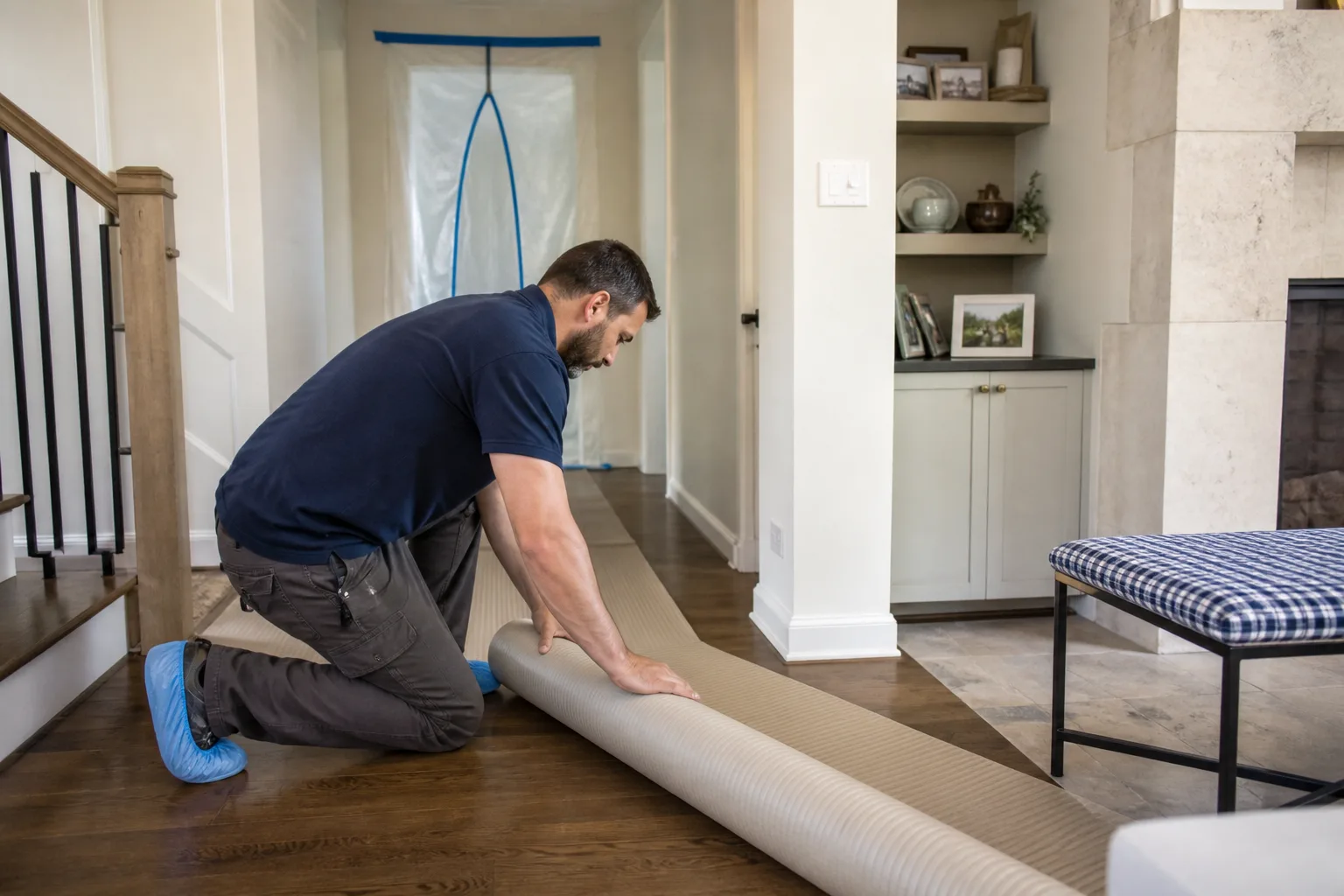
- Get the demo schedule in writing. A contractor’s crew can’t start rough-in until your demo is done, and your demo can’t start until their materials are staged safely.
- Confirm the contractor’s comfort level. Some pros won’t warranty a job where the homeowner touched the work, which is a fair position. Ours is straightforward: the scope we sign for is the scope we warranty.
- Keep the permit in the contractor’s name for the licensed portions. If the contractor holds the permit, they also own the inspection outcome.
The savings are real – typically a few hundred to a couple thousand dollars on a mid-size project – but only if the labor split is honest and documented. Where it falls apart is when a homeowner ends up doing licensed work to save money and the contractor inherits the problem. Our position is simple: if we can’t legally sign off on a portion, we won’t – and we’d rather tell you that before the contract than after.
Seven Steps to a Legally Clean Whitney Project
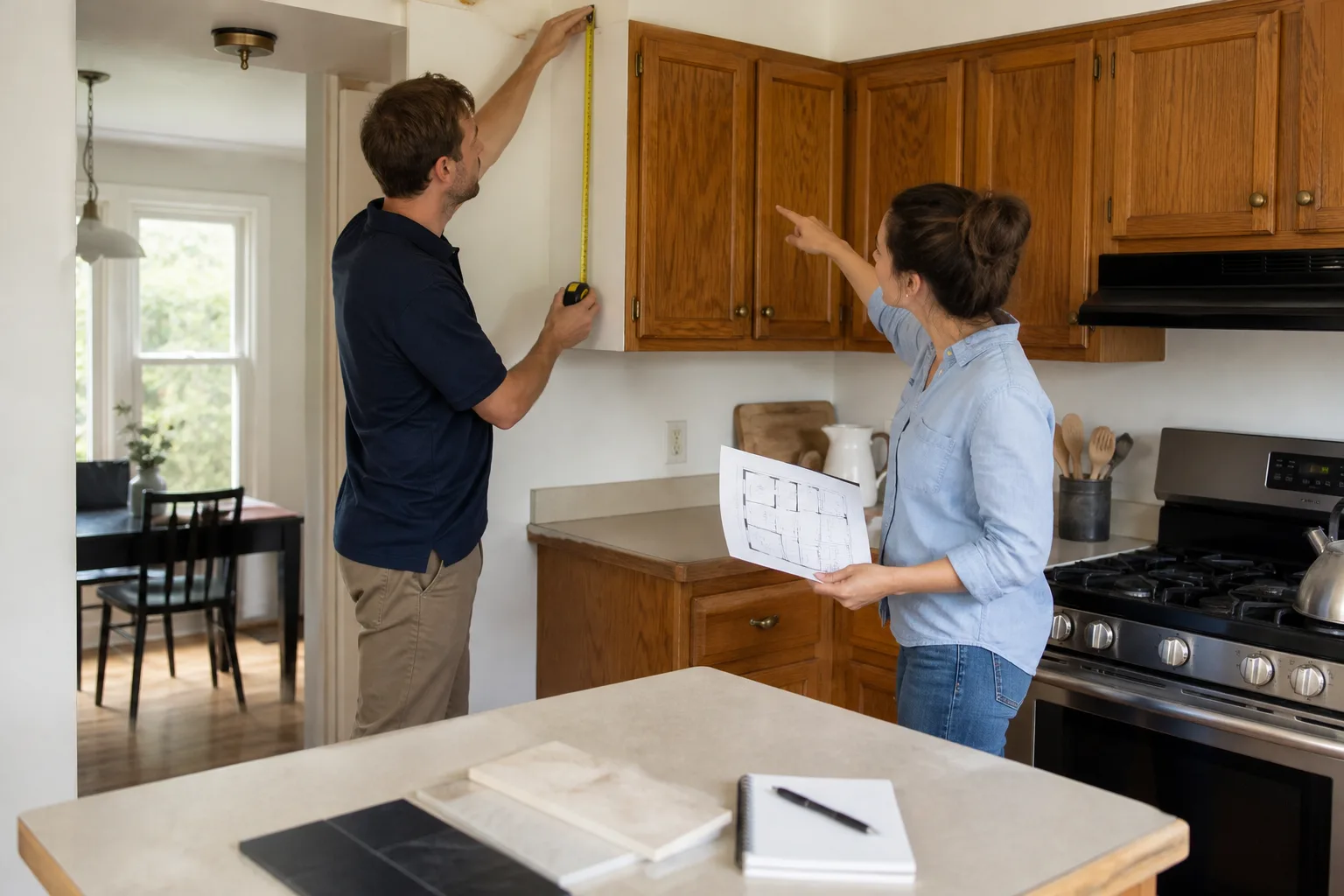
Whether you’re doing it yourself or hiring, run the project through this checklist before a single tool comes out:
- Define the scope in writing. List every task and note which trade it touches.
- Check the $1,000 threshold and the trade requirements. If it’s electrical, plumbing, gas, or structural, it’s licensed work.
- Call Clark County about a permit. A five-minute call clarifies whether you need one.
- Read your insurance policy. Confirm what’s covered and what documentation the insurer wants.
- For a licensed job, get a written price before work starts. Not an estimate on a napkin – a number you can compare.
- Confirm the permit is pulled and the inspection scheduled. Get the permit number in writing.
- Keep every document. Permits, inspection sign-offs, receipts, and warranty papers go in one folder for resale and insurance.
We put that folder together for every client as part of The Relay Visibility Guarantee – a written price up front, live arrival times, and before-and-after photo updates through the job. It’s how we keep a project out of the mystery file.
Common Mistakes to Avoid
- Doing the panel yourself. A panel upgrade is one of the most consequential DIY mistakes in Whitney. If a fire starts there, an insurer can cite the unpermitted work and deny the claim.
- Skipping the permit to save the fee. The permit costs a few hundred dollars. Fixing an unpermitted addition or panel at resale can cost thousands.
- Hiring the lowest bid with no license check. Ask for the license number and verify it with the Nevada State Contractors Board. No license, no job.
- Assuming “cosmetic” means “no permit.” Moving plumbing for a new vanity, adding an outlet in the shower wall, or wiring in-floor heat all trigger permits even though they feel cosmetic.
- Forgetting to ask about warranty in writing. A verbal “we back our work” is worth nothing at claim time. Get the guarantee in writing before you sign.
- Doing demo before the dumpster and materials are on site. Debris piles up fast and stalls the rough-in crew. Schedule demo and material deliveries together.
- Not telling the insurer. Some policies want notification of major work or a copy of the permit. A quick call now saves a denied claim later.
See the difference
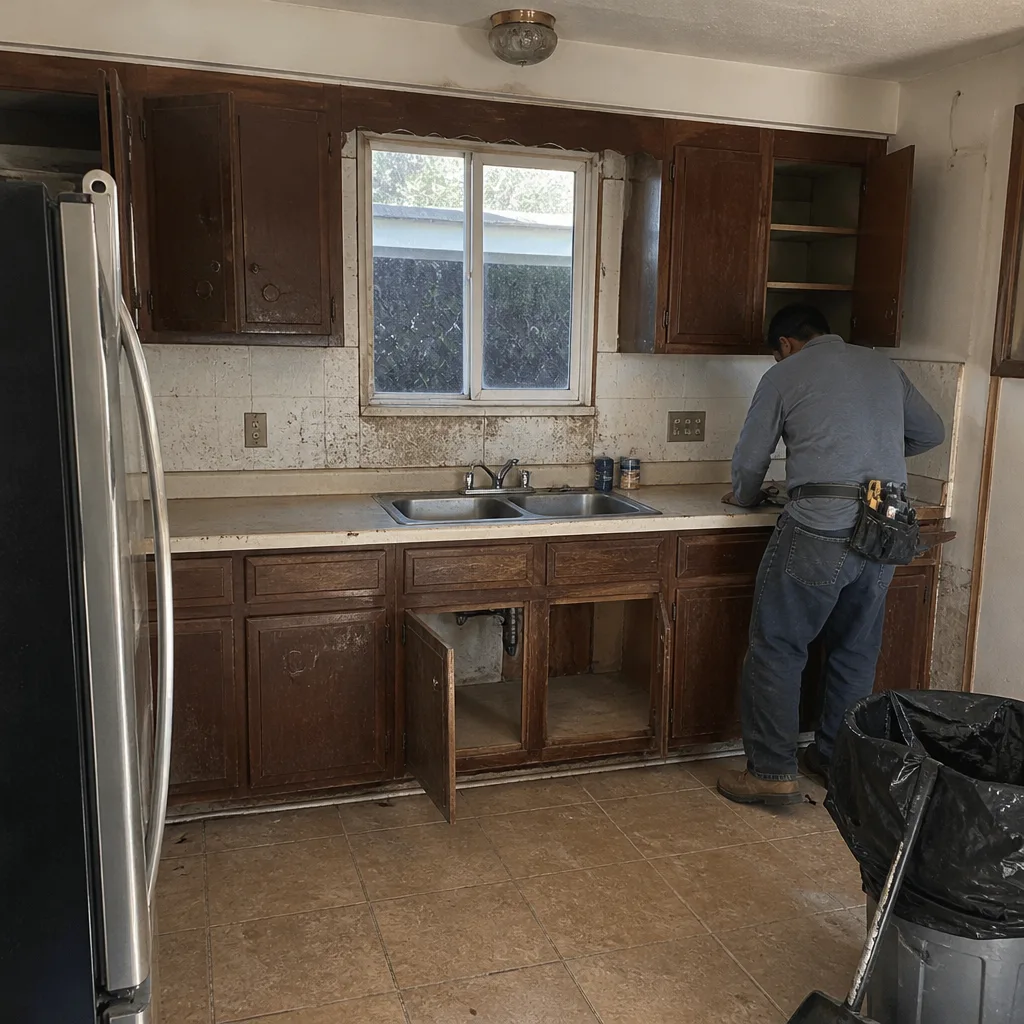 Before
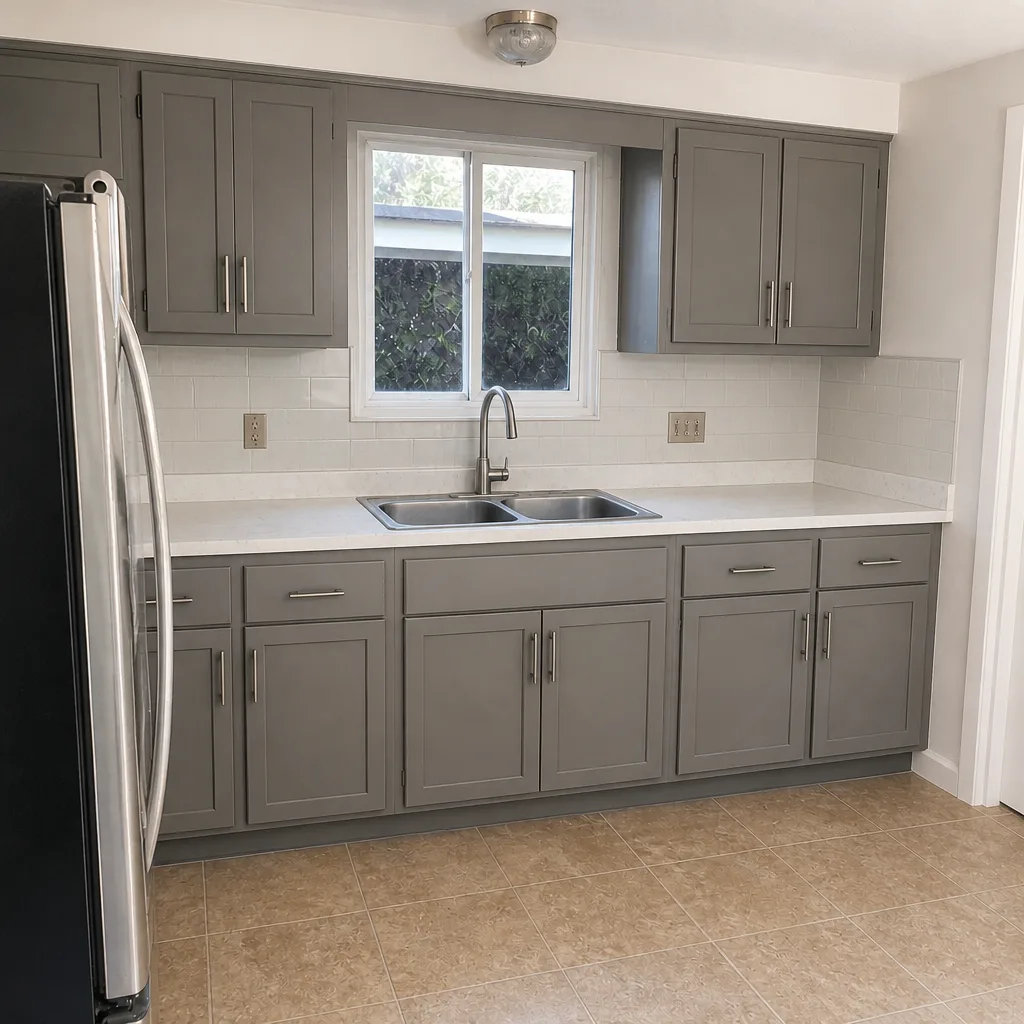 After
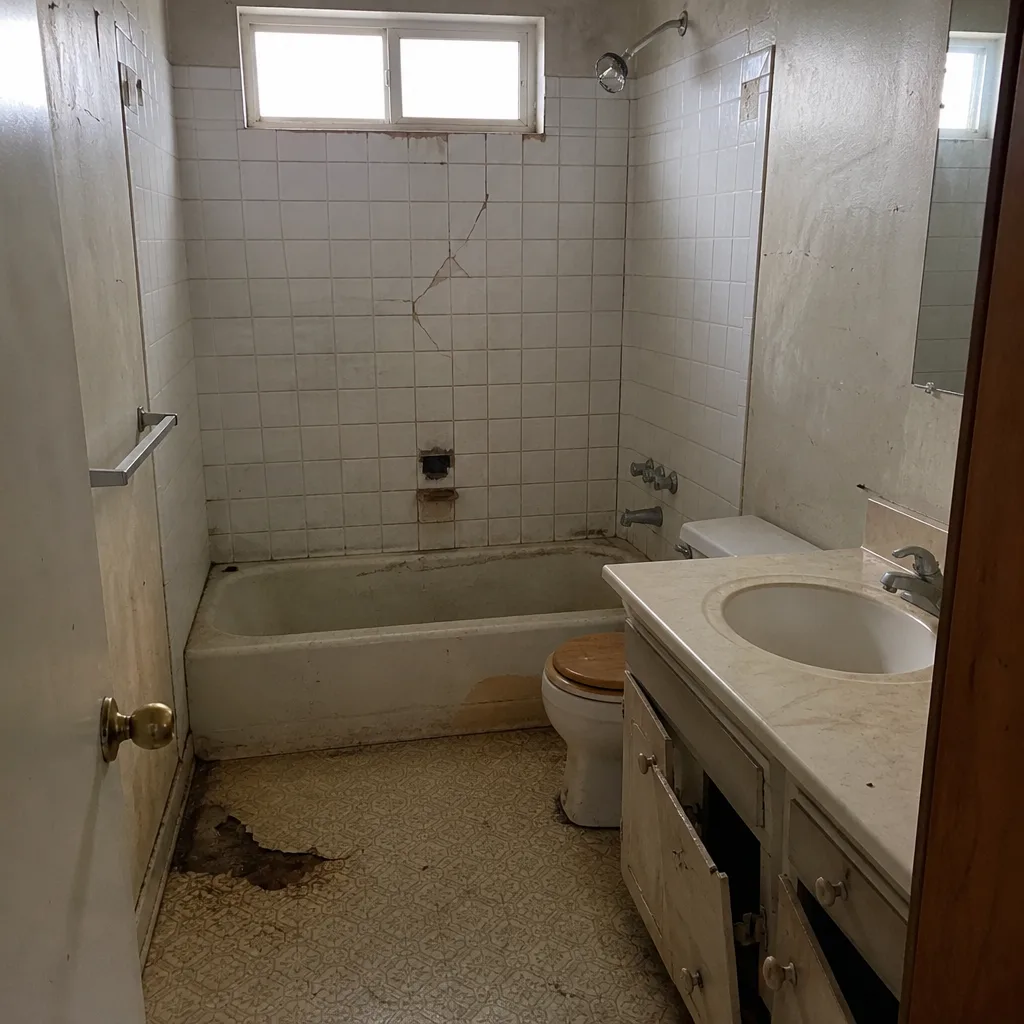 Before
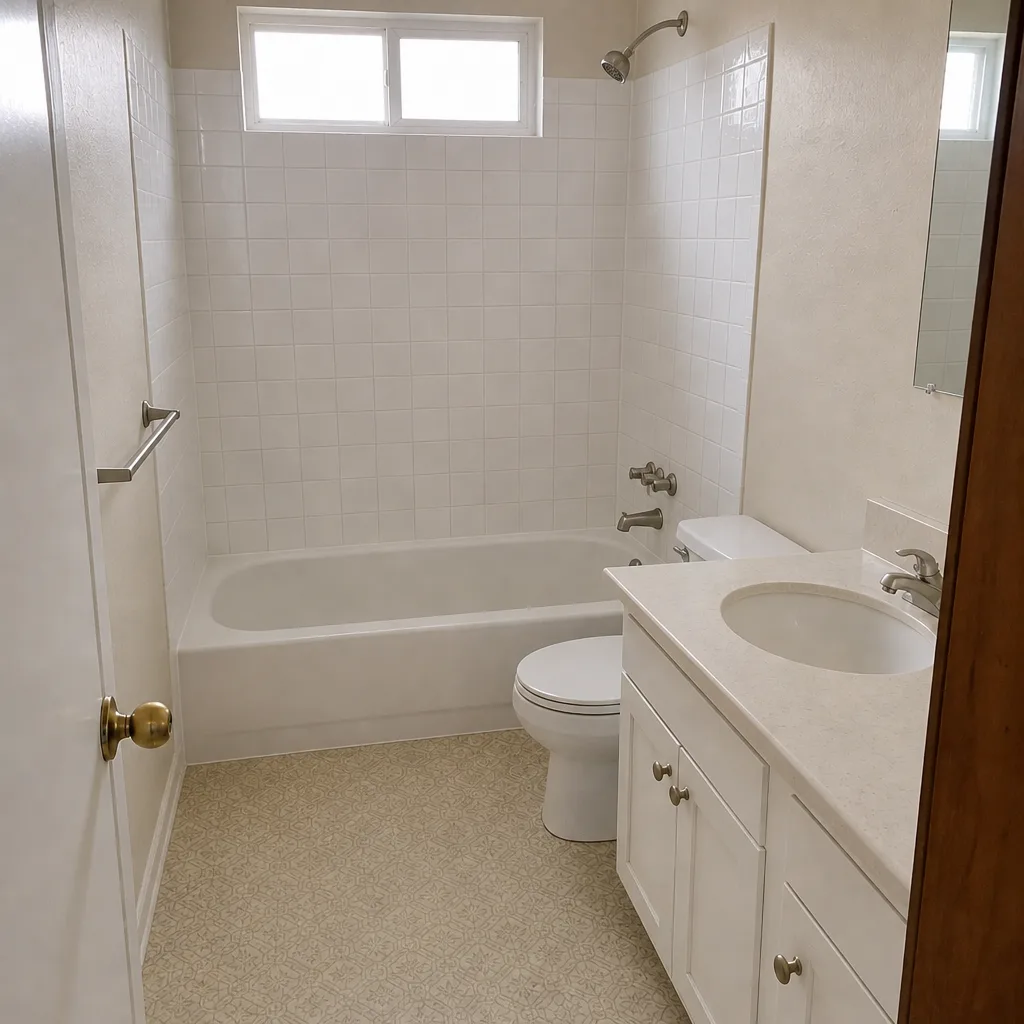 After
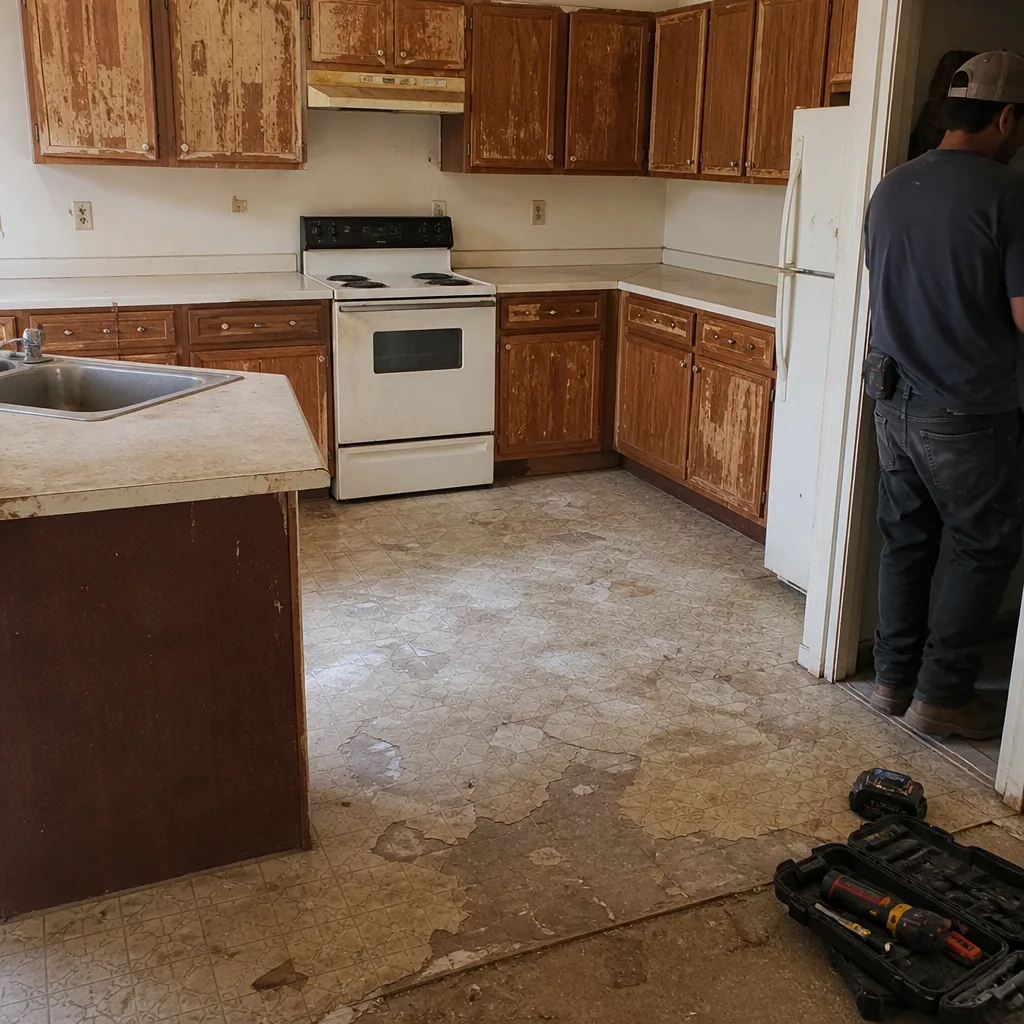 Before
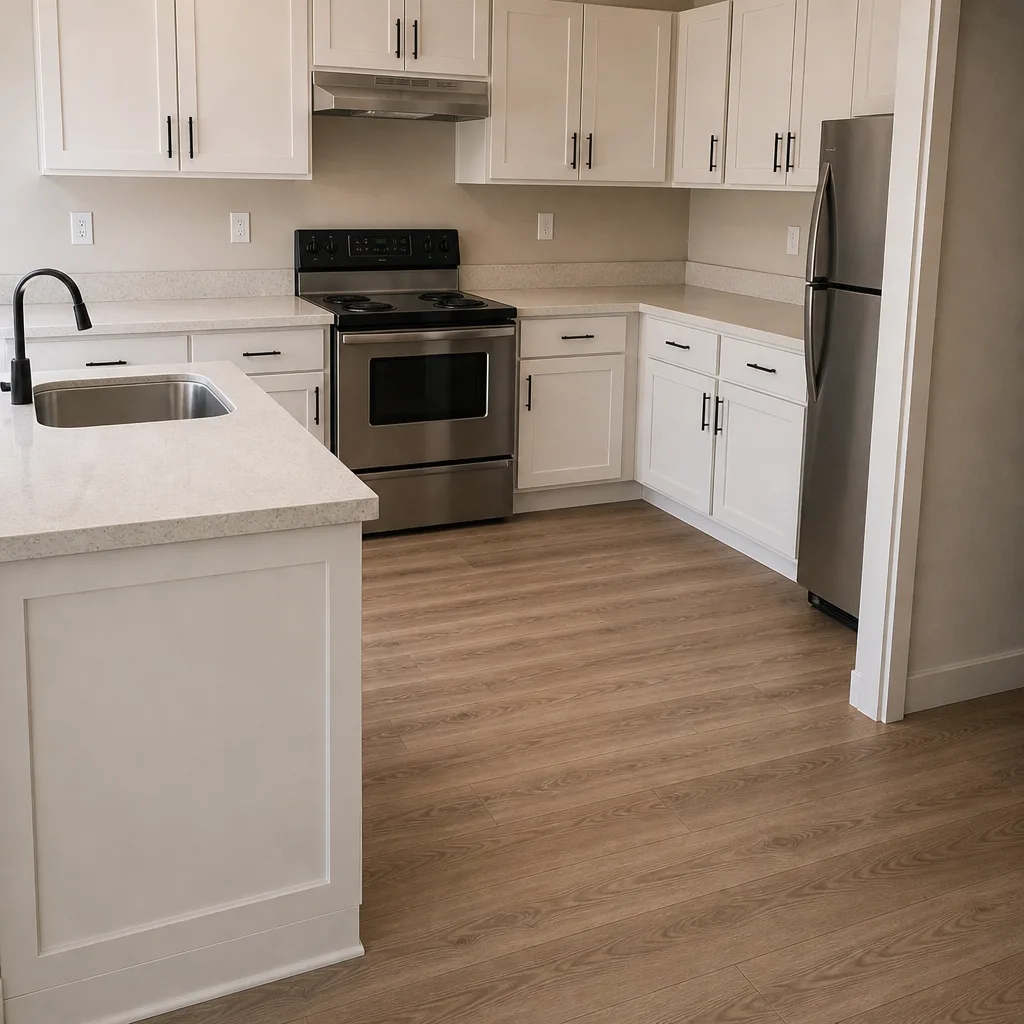 After
When to Call a Professional
Call a professional the moment a project touches electricity beyond swapping a fixture, water supply lines, gas, or any wall that might be load-bearing. Same if the job needs a Clark County permit, if you’re unsure whether it does, or if the work is on a home you plan to sell within a few years – the permit history is part of the sale. Structural changes, roof work, and anything on a ladder against a tall Whitney roofline are also places where a trained professional earns the fee. Our team runs projects under the 365-Day Done Right Promise and the No-Hassle Upfront Pricing guarantee: you get a written price before work starts, so you can compare it to your DIY number honestly. Sawyer Remodeling Whitney offers free estimates in Whitney – call (833) 570-8789. Start from the Sawyer Remodeling Whitney home page if you want the full picture of how we work.
Frequently Asked Questions

For electrical, plumbing, gas, and structural work, yes – Nevada requires a licensed contractor regardless of project size, and that work needs a permit and inspection. For other work, the general threshold is $1,000 in combined labor and materials across two or more trades. Below that, and outside the licensed trades, homeowners can often do the work themselves. When in doubt, call Clark County before you start. Call (833) 570-8789 if you’d like a free written quote for the job instead.
The permit problem surfaces during the title search or the buyer’s inspection, and it can stall the sale or force a retroactive permit that could cost more than the original job. In some cases, an unpermitted addition or converted garage has to be removed or disclosed as non-conforming. A clean permit history avoids all of it. Call (833) 570-8789 for a free estimate on getting the paperwork right.
It can, if the policy requires code-compliant work or licensed trades and the damage originates in unpermitted or unlicensed work. Read the alteration and exclusion language in your policy, then call your insurer and ask directly. Get the answer in writing. If the answer leaves you uneasy, call (833) 570-8789 – a free estimate is cheaper than a denied claim.
Paint, drywall patching, interior tile over sound surfaces, non-structural demo, cabinet refacing, landscaping outside setbacks, and trim work are the safe DIY categories. Electrical, plumbing, gas, structural, roof work, and anything on a tall ladder are not – those are licensed and often permit-required. Call (833) 570-8789 for a free estimate before you take on a job that touches a system.
A guest bathroom refresh you do yourself might run $1,200 – $2,400 in materials plus 30 – 50 hours, while a full professional remodel runs $6,000 – $11,000 – and that price includes permits, inspections, manufacturer-backed fixtures from Kohler or Moen, and a warranty. The DIY version often costs more than it looks once rework and permits enter the picture. Call (833) 570-8789 for a free written quote you can compare side by side.
Yes, and it’s a common hybrid in Whitney: homeowner does select demo and finish work, contractor handles permitted trades and inspections. It only works when the labor split is written into the contract up front and the contractor’s crew isn’t waiting on your demo. Get the split documented before signing. Call (833) 570-8789 to structure a hybrid estimate.
The Bottom Line
The Whitney DIY decision isn’t about whether you can swing a hammer. It’s about Nevada law, Clark County permits, and what your insurance policy says when a claim comes in. Three questions settle it: Does this work require a licensed contractor? Does it need a permit? Does the true DIY cost beat a written professional price? Cosmetic work and non-structural demo are usually yours to take on. Electrical, plumbing, gas, structural, and roof work belong to a licensed pro – and the permit trail is worth as much as the work itself at resale. When the answer is “hire,” get the price in writing first.
If you’d rather spend your weekend on something other than a permit queue, Sawyer Remodeling Whitney offers free estimates with a written price before any work starts, live arrival times, and photo updates through the job. Call (833) 570-8789 to schedule your free estimate, and see how bathroom remodeling in Whitney looks under The Relay Standard.
Written by the team at Sawyer Remodeling Whitney.