Last updated November 17, 2026




Free written scope consultation - allowances, timeline, and change-order rules on paper before a single trade is scheduled
DIY vs Professional Home Renovation: What’s Safe to Do Yourself
You can learn to tile a backsplash from a 12-minute YouTube video. What that video won’t tell you is that in Nevada, unpermitted electrical work can stall a home sale at inspection, or that your insurer can point to unlicensed work when a fire claim comes in. The real DIY question isn’t whether you’re handy enough. It’s whether Nevada law allows you to do the work, and what happens to your homeowner’s policy if something goes wrong. In this guide we draw the line between safe DIY, risky-but-legal, and work the state requires a licensed contractor to touch, with the Nye County permit details most guides skip. We’re a Whitney remodeling company, so we see the aftermath up close.
Quick Answer
Cosmetic work like painting, tiling a backsplash, swapping a faucet, or installing floating shelves is safe and legal to do yourself. Anything that touches the electrical panel, gas lines, structural framing, or a new permit-required addition needs a licensed contractor under Nevada law. The dividing line isn’t skill, it’s liability: unpermitted or unlicensed work can void insurance claims and complicate a sale.
Styles & brands we work with
- Kitchen remodeling
- Bathroom remodeling
- Home additions & ADU
- Roofing
- Windows & doors
- Driveway & pavers
- Fence
Table of Contents
- What Nevada Law Actually Requires
- How Unpermitted Work Affects Your Insurance
- Permits in Nye County: Required vs. Exempt
- The Three Categories of Renovation Work
- The Real Cost of DIY vs. Hiring
- Whitney’s Climate and the Work It Changes
- Common Mistakes to Avoid
- When to Call a Professional
What Nevada Law Actually Requires
Nevada Revised Statutes Chapter 624 governs contractors, and the short version is this: any project over a set dollar threshold, or any project requiring a building permit, must be done by a licensed contractor. The Nevada State Contractors Board enforces it. That’s not a suggestion. Working without the required license can bring fines, and it gives a future buyer’s inspector a reason to walk the deal.
The categories that trigger the license requirement most often:
- Anything requiring a building permit – additions, structural changes, new electrical circuits, gas line work, plumbing relocations.
- Work on the primary electrical service – panel upgrades, new service drops, subpanels.
- Gas line installation or modification – a permit and a licensed trade, full stop.
- Structural alterations – removing or modifying load-bearing walls, foundation work, roof framing.
What you can legally do yourself as a homeowner is called “owner-builder” work: renovating your own primary residence, for your own use, without a license. There are limits. You can’t do owner-builder work on a property you plan to sell within a year in most interpretations, you still need permits where they apply, and the work still has to pass inspection. Owning the home doesn’t exempt you from code.
In our experience, the projects people most often get wrong are the ones that feel small. A homeowner in Whitney swaps a bathroom receptacle for a GFCI and doesn’t realize the circuit wasn’t grounded properly. Two years later, a sale inspection flags it. Call us at (833) 570-8789 if you’re unsure whether your project crosses the line.
How Unpermitted Work Affects Your Insurance
This is the part most DIY guides skip. Your homeowner’s policy covers your dwelling, but it covers it as a compliant structure. When an adjuster investigates a claim involving recently remodeled areas, the first things they look at are permits, inspections, and who performed the work. If a fire started in a panel you rewired yourself without a permit, the insurer can deny the claim or reduce the payout. That’s a financial hit that can run into six figures.
What adjusters actually look for after a loss:
- Permit history pulled against the property address. If the work required a permit and none exists, that’s the first flag.
- Inspection records showing the work passed code review.
- Contractor licensing for anything that required a licensed trade.
- Material and installation documentation – receipts, warranties, product specs.
Water damage is where we see this bite hardest. A DIY shower pan that leaks slowly for two years can rot a subfloor and a wall cavity before anyone notices. When the claim gets filed, the insurer asks who installed the pan and whether it was inspected. If the answer is “no one,” the claim is at risk.
The fix is simple: pull the permit, get the inspection, keep the paperwork. It costs a few hundred dollars and protects a claim that could be worth fifty times that. That’s why every project we run is covered by The Relay Visibility Guarantee: written price before work starts, photo updates before and after, so there’s a record of exactly what was done.
Permits in Nye County: Required vs. Exempt
Nye County building permits run through the county’s community development department, and the real dividing line is whether the work changes the structure, the systems, or the safety envelope of the home. Cosmetic refreshes usually don’t. Anything mechanical, electrical, plumbing, or structural usually does.
Typically permit-exempt in Nye County:
- Interior and exterior painting
- Replacing a faucet, toilet, or vanity with like-for-like fixtures in the same location
- Installing tile or backsplash on existing surfaces
- Swapping a light fixture on an existing circuit
- Flooring replacement over a sound subfloor
- Cabinet refacing or new cabinet doors
Typically permit-required:
- Any electrical work beyond swapping a fixture (new circuits, panel work, outlet additions)
- Moving or adding plumbing lines
- Gas line work
- Removing or moving walls
- Additions, conversions, or structural changes
- Roof replacement (structural and code-review dependent)
- Window and door replacements that change the rough opening or egress
Counties update their permit schedules, and a home in Whitney that sits under a specific county jurisdiction may have requirements that differ from another part of Nye County. Always confirm with the county before starting. If you’ve got a Whitney renovation on your calendar, we handle the permit pull and the inspections as part of the job. It’s part of the written scope, not an added line.
The Three Categories of Renovation Work
The cleanest way to sort any renovation task is by legal risk, not by skill. Here’s how we break it down:
1. Genuinely safe DIY. Cosmetic, reversible, and no permit needed. Painting, tiling a backsplash, installing floating shelves, swapping cabinet hardware, patching drywall, swapping a light fixture on an existing circuit. If it doesn’t touch water, gas, or the electrical panel, and it’s cosmetic on the surface, you’re generally fine.
2. Risky but technically legal. Work you can do as an owner-builder, but that carries real consequences if it fails. Replacing a toilet, installing a vanity, tiling a shower, replacing flooring. The mistakes here show up months later and cost more to fix. A leaky shower pan can run $4,000 to $8,000 to repair once the subfloor and framing are affected.
3. Legally requires a pro. Electrical panel work, gas lines, structural changes, new plumbing lines, additions requiring a permit. Do these unlicensed and you’re not just at risk – you’re on the wrong side of Chapter 624. This is where a licensed contractor is mandatory, not optional.
The trick is that category 2 is where homeowners get comfortable and where the money goes wrong. People see a YouTube video, feel confident about a shower project, and discover the slope was off by a degree only after the floor softens.
The general contractor scope alone covers a lot of category 3 – if you’d like to see how that works, our general contractor in Whitney page walks through what’s covered.
The Real Cost of DIY vs. Hiring
Homeowners compare a contractor’s labor line to zero and assume DIY saves the difference. That’s not what the math looks like once you’re honest about the tools and the redos. Here’s a realistic comparison for a bathroom refresh in the Whitney market:
- Tile setter labor (professional): $1,200 to $2,400 for a standard bathroom
- Tile saw rental: $70 to $150 per weekend
- Mortar, grout, trowels, spacers, level: $200 to $400
- Material waste from first-time cuts (25% to 40% overage vs. 10% for a pro): $300 to $700 in extra tile
- Redo cost if the waterproofing fails: $4,000 to $8,000 in demo, subfloor, tile, and water damage repair
Add the tool rentals and the waste, and the “savings” against a $1,200 to $2,400 labor line roughly halves. Then factor in a 25% to 40% chance that a first-time waterproofing job needs to be redone, and the math often crosses into a loss. That redone shower is the single most common expensive DIY failure we see in Whitney kitchens and baths.
In Whitney, Cambria or Silestone countertop installs are a good example of why professional is usually cheaper in the end. The material cost is significant, and one bad cut means replacing a slab. That’s a $600 to $1,200 mistake on top of a slab you can’t reuse.
Where DIY genuinely wins: cosmetic, reversible projects. Painting a bedroom, swapping cabinet hardware, installing floating shelves. No permits, no redos, no insurance exposure.
Whitney’s Climate and the Work It Changes
Whitney is Mojave Desert climate: low humidity, hot summers, cool winters, and a monsoon season that sends quick bursts of rain in late summer. The dry air is forgiving to interior finishes but harsh on anything exterior. The swings matter when you’re choosing what to do yourself.
- Exterior paint and caulk dry and crack faster in the low humidity. Fresh exterior paint on a Whitney home needs reapplication more often than in a coastal climate. That’s a manageable DIY project if you prep correctly.
- Roofing is different. The summer heat bakes shingles and, more importantly, height work is dangerous. Roof work belongs in the category 3 bucket – permit-required and, frankly, not a DIY job.
- Monsoon rain finds bad waterproofing fast. A shower pan installed in January can look fine until the first late-summer storm forces the moisture into the framing. Interior waterproofing is where we see the most Whitney DIY failures, because the leak reveals itself months later.
- Temperature swings around the freezing mark in winter stress any outdoor plumbing you’ve modified. An uninsulated hose bib swap in October can burst in January.
Our recommendation for Whitney homeowners: keep DIY work inside the house, on the surface, and out of the systems. The climate doesn’t punish a well-applied coat of paint. It does punish a shower you built yourself.
If your project crosses into a bathroom remodel in Whitney, waterproofing and code compliance are the parts worth handing to a licensed contractor.
Common Mistakes to Avoid
- Assuming “no inspection” means “no risk.” Skipping a permit feels like a shortcut until a claim or a sale inspection surfaces the work. The insurance denial is the part that surprises people.
- Treating a shower as a weekend project. Waterproofing has to cure, drain slope has to be set correctly, and the pan has to be tested. First-timers in Whitney routinely shortcut the pre-slope and pay for it in six months.
- Swapping a light fixture that also moves the wiring. The fixture swap is legal on an existing circuit. Running a new wire to a new location is not, and mixing them up is easy.
- Comparing DIY materials to professional materials. A $200 tile and a $600 tile look similar on the shelf. The professional-grade tile from brands like Cambria or Caesarstone that we install is spec’d for the application. The cheaper alternative often needs redoing.
- Not keeping receipts and permit records. When an adjuster asks what was done and who did it, a folder of paperwork is worth far more than a verbal account.
- Working on gas lines. Ever. This is not a skill question. Gas belongs to the licensed trade, and the safety margin on a mistake is zero.
- Starting an addition as a “DIY project.” Nye County permits and structural review apply to any addition. This is category 3 all day, no exceptions.
When to Call a Professional
Call a licensed contractor when the work touches the electrical panel, gas lines, plumbing relocations, structural framing, or anything that requires a Nye County building permit. Call when the project involves waterproofing or drainage, because the failure mode is hidden and expensive. Call when you’re planning to sell within a year and want the work to hold up under inspection. And call when the job involves heights – roof work in Whitney is not a DIY project in any season.
If you’re not certain which side of the line your project is on, that’s the call. Sawyer Remodeling Whitney offers free estimates in Whitney – call (833) 570-8789 and we’ll walk through it with you. Every project we take on comes with The Relay Visibility Guarantee: written price before work starts, live arrival tracking, and before-and-after photo updates. If a repair fails inside the year, the 365-Day Done Right Promise covers a free second visit. No argument.
If you’re planning a bigger kitchen project, our kitchen remodeling in Whitney team can quote options with Wellborn and Cambria materials in the written scope, so you can compare apples to apples.
See the difference
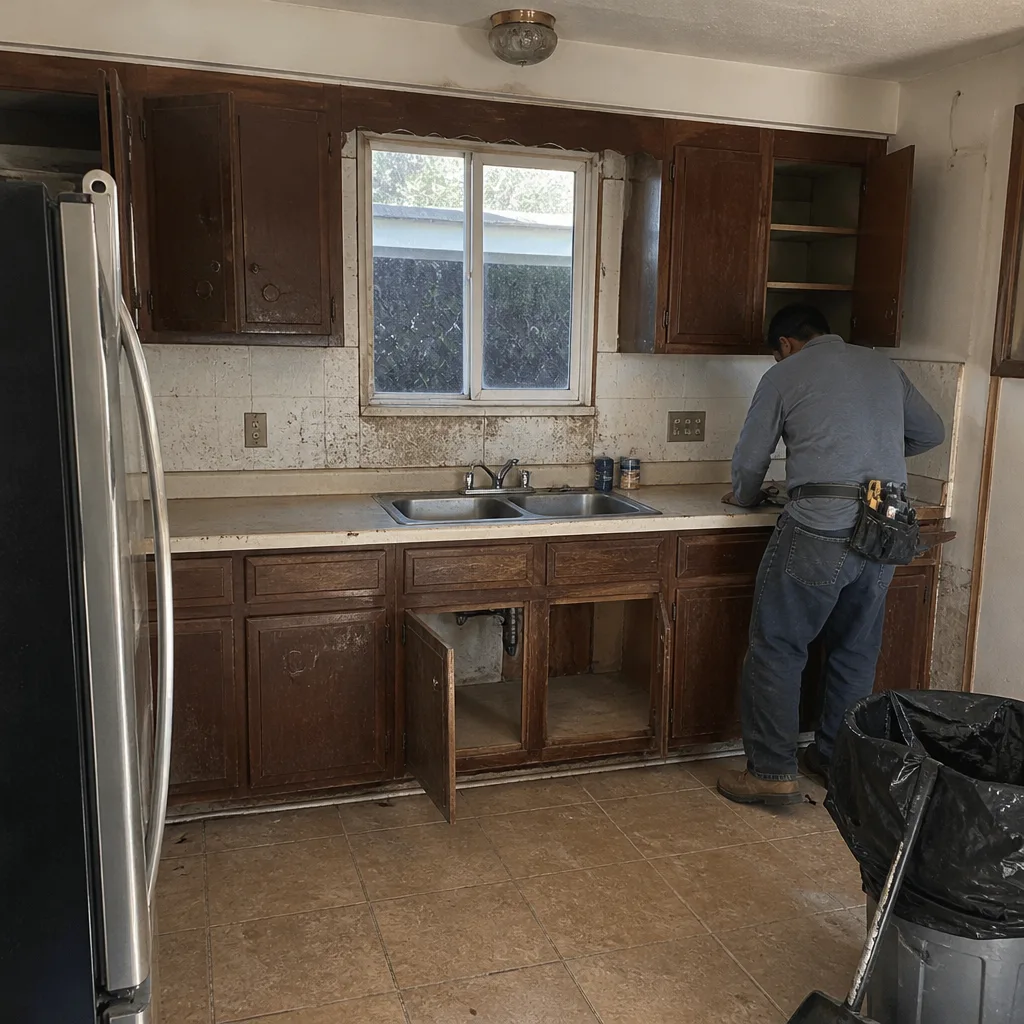 Before
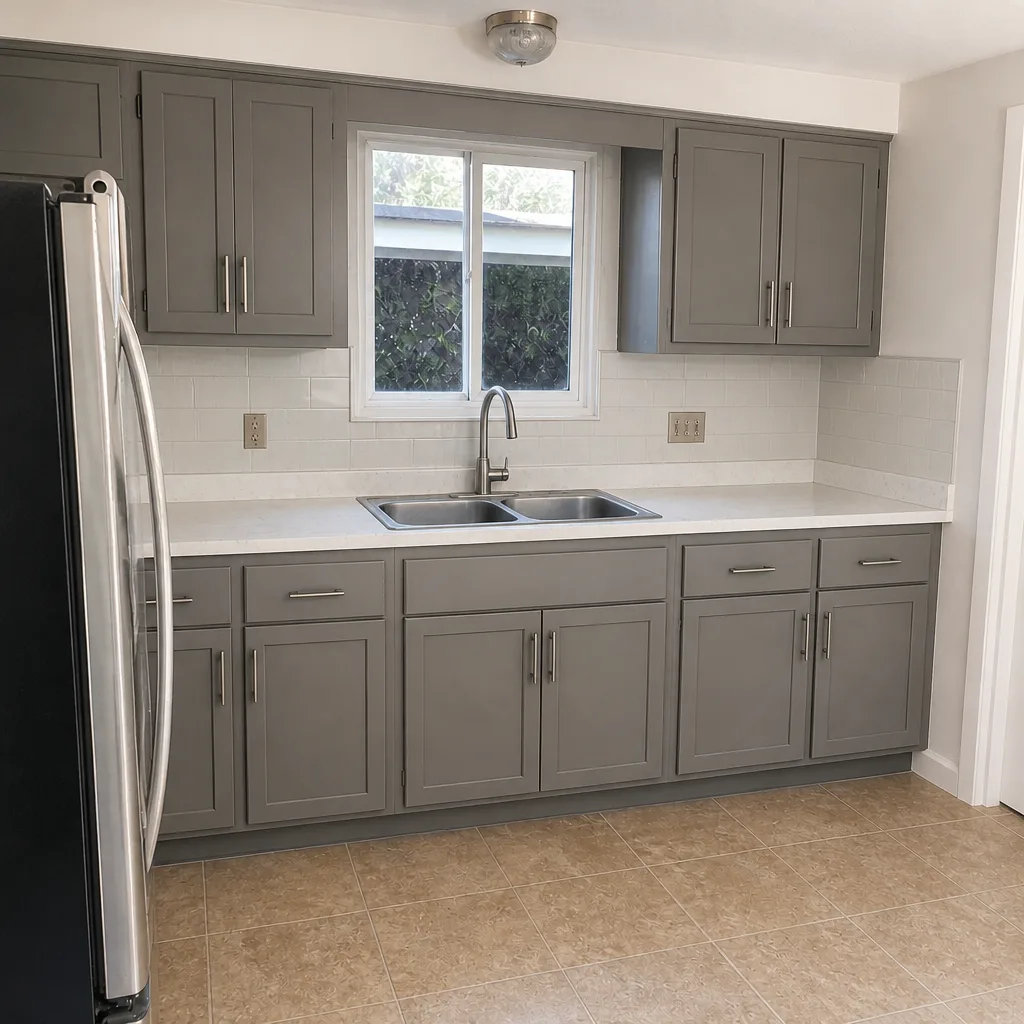 After
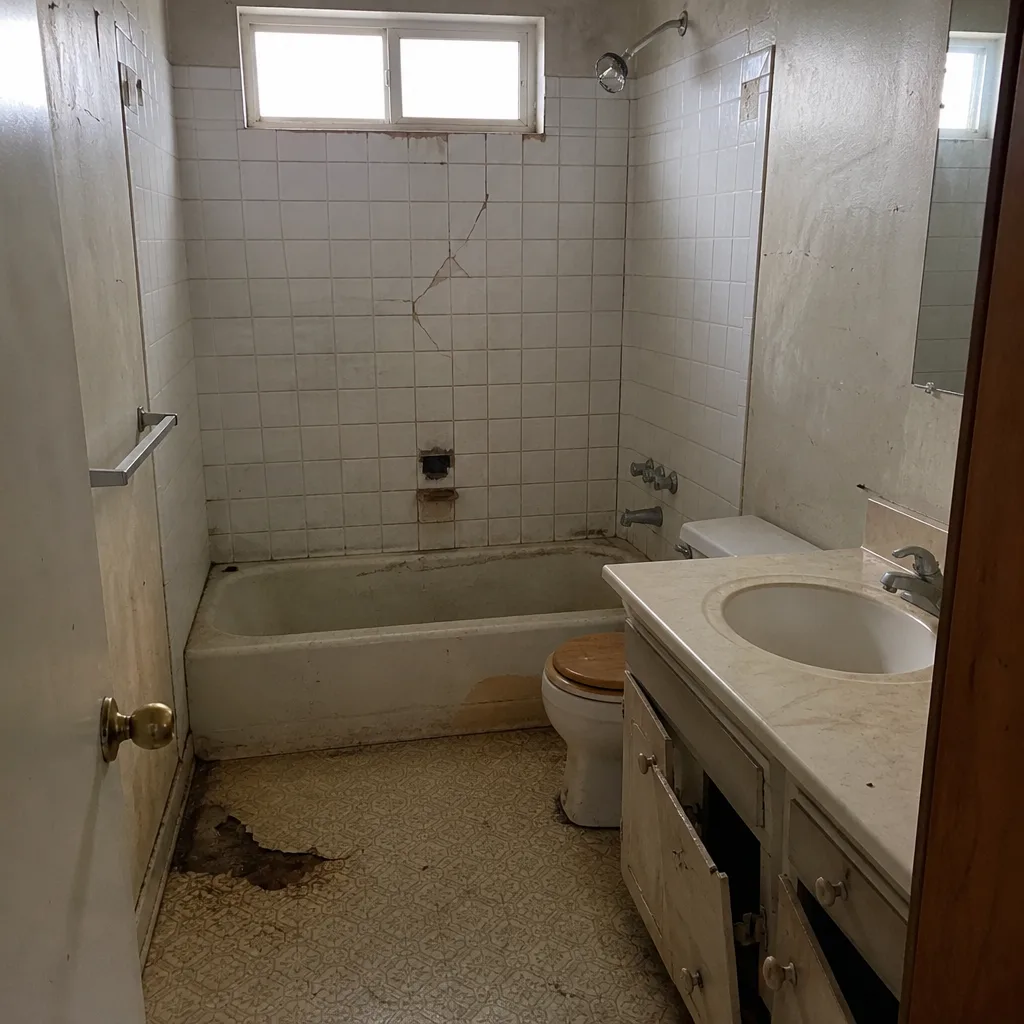 Before
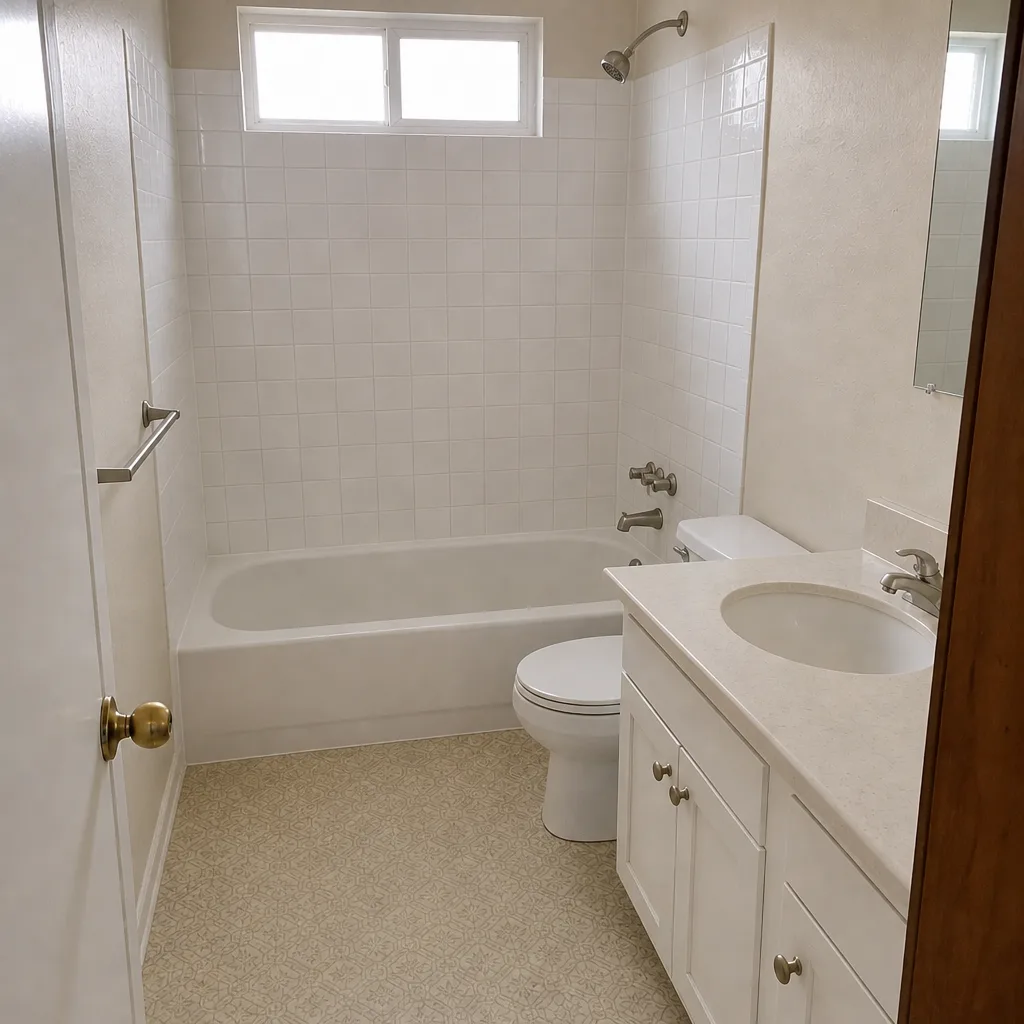 After
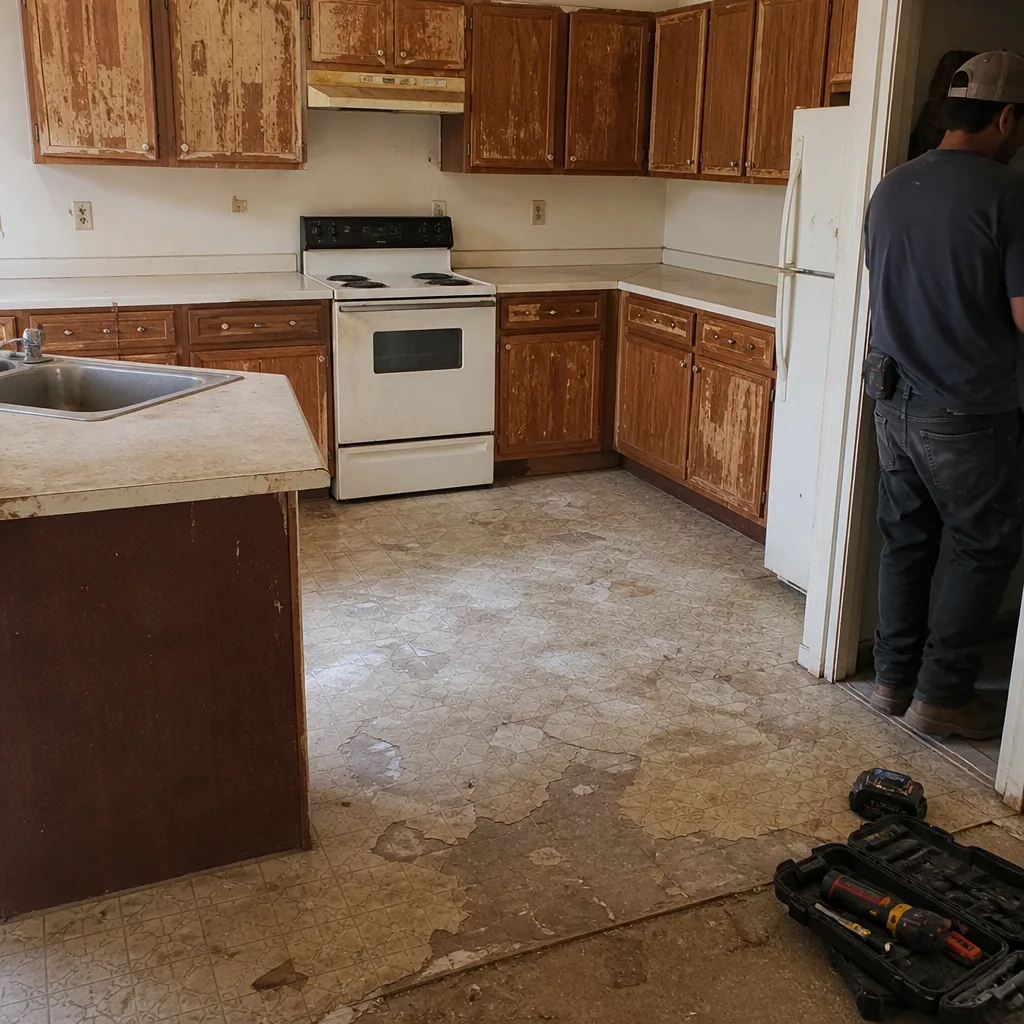 Before
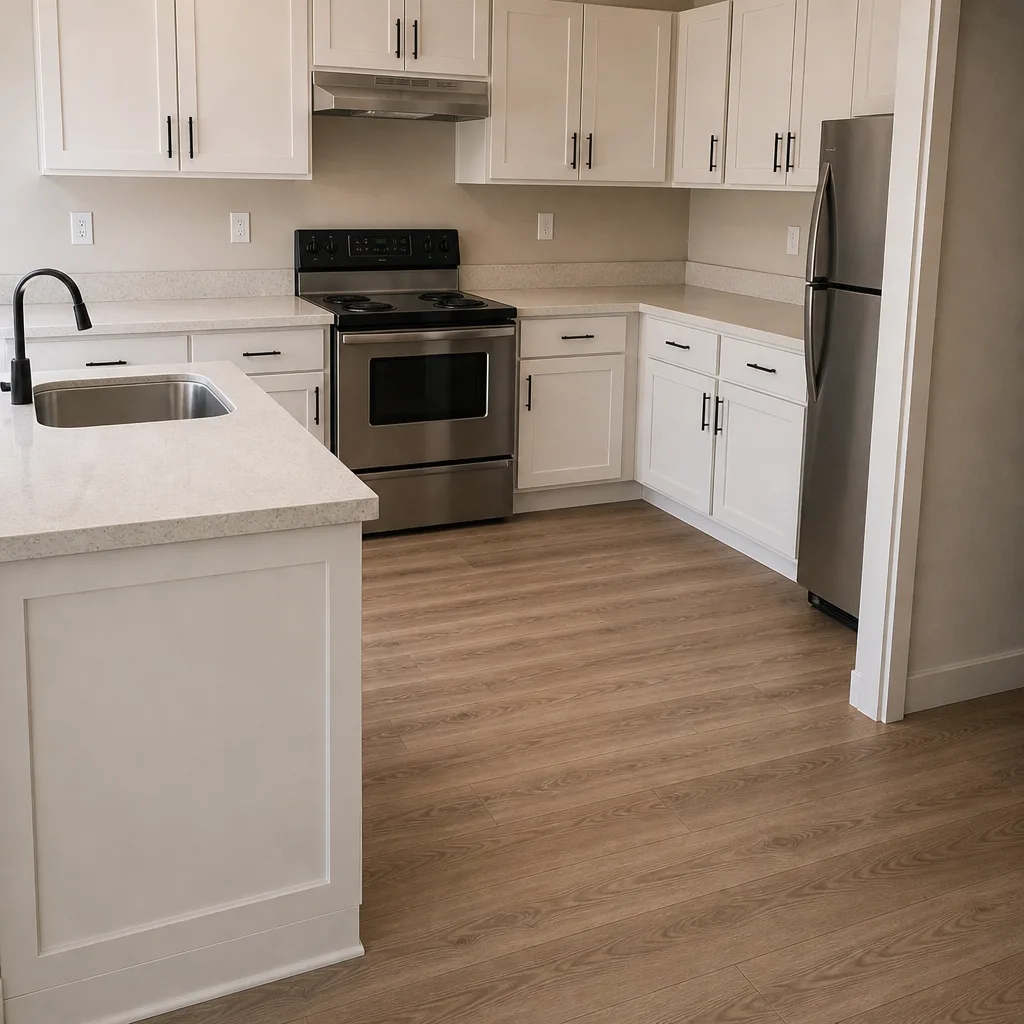 After
Frequently Asked Questions

Yes, if the work involves plumbing line changes, electrical circuits, a permit, or waterproofing that requires inspection. Cosmetic tile work and a vanity swap on existing plumbing lines can be done as owner-builder work. If you’re changing where the shower drain sits or adding a new circuit, that’s licensed-contractor territory under NRS Chapter 624.
It can. If a claim involves a recently remodeled area and the work required a permit that was never pulled, the insurer can deny the claim or reduce the payout. The adjuster checks permit history and inspection records for exactly this reason.
Painting, tile on existing surfaces, floor replacement over a sound subfloor, cabinet refacing, and like-for-like fixture swaps usually don’t require a permit. Electrical work beyond a fixture swap, gas lines, plumbing relocations, structural changes, and additions do. Always confirm with the county before starting.
No. We see more DIY shower failures than any other project. Waterproofing, drain slope, and pan construction have to be correct or the leak shows up months later, and repairs run $4,000 to $8,000 once the subfloor and framing are affected. Call (833) 570-8789 for a free estimate on a proper install.
Standard bathroom remodels in the Whitney market run roughly $12,000 to $28,000 depending on size, layout changes, and material grade. A functional-refresh (new tile, fixtures, and vanity) lands on the lower end; a full layout change with new plumbing is higher. Call (833) 570-8789 for a written quote – estimates are free and you’ll know the range before you commit.
Not on our jobs. Every project gets a written price before any work starts, and the number on the invoice is the number you approved. Change orders only happen if you ask for a change, and they’re written and approved before the work moves forward. If the answer on your contractor’s side is “we’ll see once we get in there,” that’s your signal to get a written quote.
If you’d like to see how we run a whole-home project from start to finish, our Sawyer Remodeling Whitney home page lays it out.
The Bottom Line
DIY is safe and legal for cosmetic, reversible, no-permit work: paint, tile on existing surfaces, hardware, and light fixture swaps. Everything else – electrical panel work, gas, structural, plumbing relocations, additions, and anything requiring a Nye County permit – belongs to a licensed contractor, and that’s not about skill. It’s about what happens to your insurance claim and your home sale if the work isn’t done to code. The cost comparison usually favors DIY less than homeowners expect once tool rental, material waste, and redos are counted. Our rule of thumb: stay on the surface with DIY, hire for the systems. If you’re not sure which line your project crosses, call (833) 570-8789 for a free written estimate and a straight answer.
Author attribution:
Written by the team at Sawyer Remodeling Whitney.