Last updated November 17, 2026





Free written scope consultation - allowances, timeline, and change-order rules on paper before a single trade is scheduled
DIY vs Professional Kitchen Remodeling: What’s Safe to Do Yourself
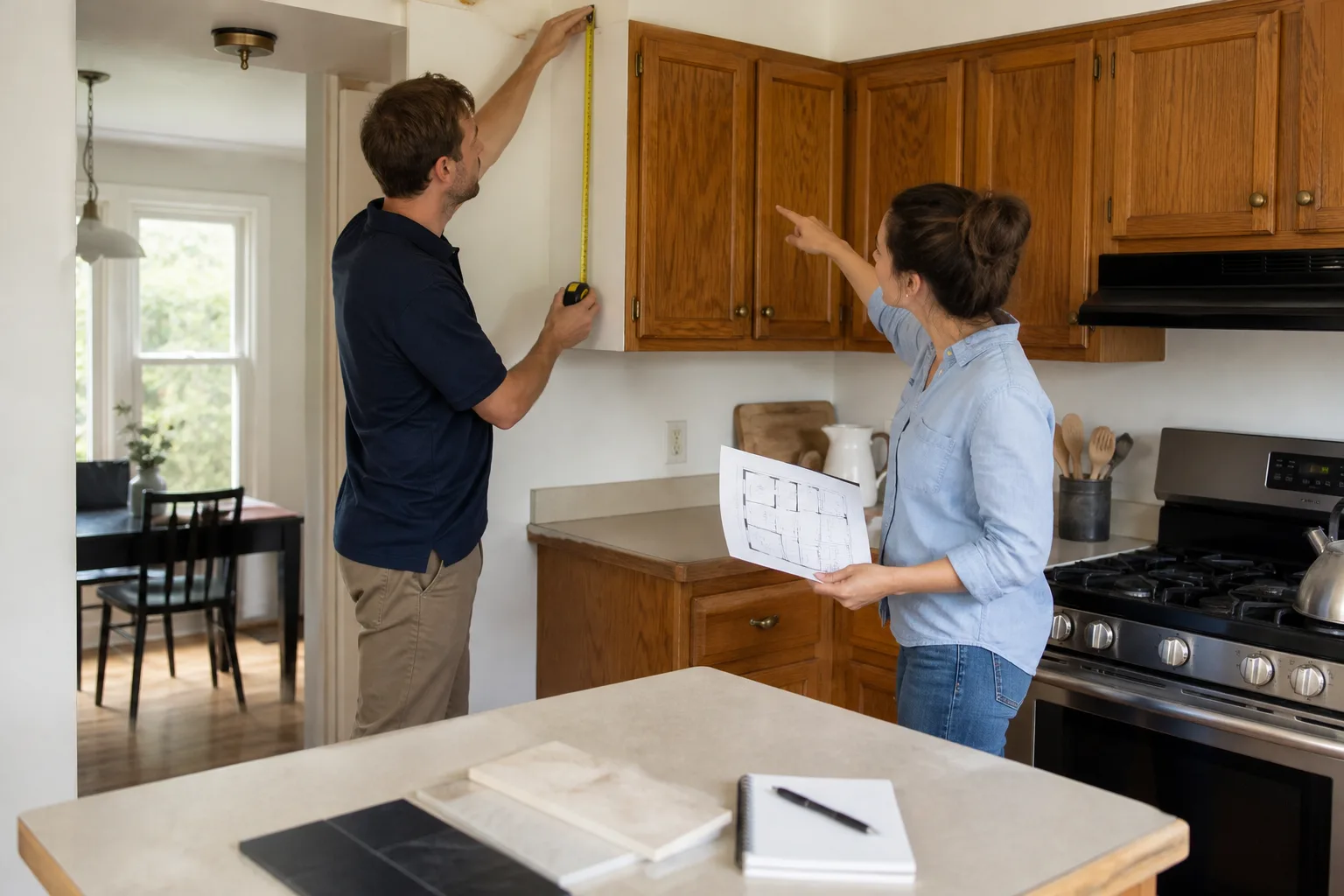
Painting your own kitchen cabinets instead of replacing them sounds like a $4,000 savings. It is – if you do it right. But a bad cabinet paint job done after the contractor leaves is now bonded to your brand-new hardware and requires professional remediation to fix. The savings evaporated because the sequencing was wrong. In Whitney, we’ve watched this play out more times than we can count, and the pattern is always the same: the DIY work that could have been a clean win gets bolted onto the end of a project instead of planned into the schedule from day one. This guide maps exactly which kitchen remodel tasks you can safely own, which you should hand off to a licensed pro, and in what order the work has to happen so your savings survive the final walkthrough.
Quick Answer
Safe DIY kitchen work includes demolition (except utility disconnects), painting walls, installing cabinet pulls and knobs, assembling open shelving, and some backsplash tile. Tasks you should hand to a licensed professional include anything touching gas, electrical circuits, plumbing rough-in, cabinet installation, countertop templating and installation, and appliance hookups – because unpermitted or improperly installed work can void manufacturer warranties, fail inspection, and complicate resale in Whitney and across Nevada.
Styles & brands we work with
- Kitchen remodeling
- Bathroom remodeling
- Home additions & ADU
- Roofing
- Windows & doors
- Driveway & pavers
- Fence
Table of Contents
- The Sequencing Problem: Why DIY Has to Be Planned First
- Legitimate DIY Wins in a Kitchen Remodel
- Hard Stops: Work That Voids Warranties and Fails Inspection
- Nevada Permits: What Triggers an Inspection in Whitney
- The Honest Cost Comparison: Labor Savings vs. Risk Exposure
- The Correct Order of Work for a Hybrid Kitchen Remodel
- Common Mistakes to Avoid
- When to Call a Professional
The Sequencing Problem: Why DIY Has to Be Planned First
Here’s the mistake we see most often in Whitney kitchen remodels: the homeowner hires out the big-ticket work and then adds the DIY tasks at the very end, once the crew has packed up. It feels efficient. It’s actually the fastest way to turn a few hundred dollars of savings into a few thousand dollars of remediation.
Cabinet painting is the clearest example. If you sand, prime, and paint the cabinet boxes before new hardware goes on and before the countertop is templated, you have control of the surfaces. You can tape, you can drop cloth, you can be sloppy at the edges and fix it later. If you do the same job after the hardware is installed and the Caesarstone counter is in place, every drop of paint is now a problem. The paint bonds to the metal, drips into the drawer glides, and speckles the counter. Removing it without damaging the finish is a job for a pro.
The same logic plays out across every DIY task in the kitchen. Painting walls after cabinets are hung means paint on the cabinet edges and caulk lines you didn’t plan for. Installing a backsplash after the counter is set is normal – but installing the backsplash after the counter and the under-cabinet lighting means every tile cut has to be measured around two obstacles instead of one. The sequence matters as much as the skill.
The rule we give Whitney homeowners is simple: decide your DIY list before the first task starts, and put each DIY task on the schedule where it belongs. Not as a bonus at the end. Inside the project, in order, with the crew working around you.
Legitimate DIY Wins in a Kitchen Remodel
There are five or six kitchen tasks that a careful homeowner can genuinely take on and save real money on, as long as they’re placed correctly in the sequence. Here they are, in the order they typically occur.
- Demolition (except utility disconnects). Pulling old cabinet doors, taking out the old backsplash, removing floating shelves, tearing out flooring. You can save a full day or more of labor here. Do not disconnect gas lines, cap plumbing, or pull electrical outlets – those wait for the licensed trade.
- Wall painting. If the walls are open and the cabinets aren’t installed yet, painting is fast and forgiving. Cover the subfloor, use a quality primer, and don’t rush the drying time.
- Cabinet painting (only with a proper schedule). Sanding, priming, and painting cabinet boxes and doors is doable if you’re methodical – a two-coat alkyd or waterborne acrylic finish, deglossed first, allowed to cure fully before hardware goes on. Do this before install of pulls and knobs, not after.
- Installing pulls, knobs, and open shelving. Once cabinets are set and cured, drilling for hardware is a homeowner-level job. Measure twice. Use a jig for consistency.
- Some backsplash tile. A clean, flat subway tile on a single wall is achievable. Anything with a herringbone pattern, complex inlays, or around a window is not.
- Final cleanup and small touch-ups. Caulking around trim, filling nail holes, wiping down surfaces. This is quiet, low-risk work that saves the crew time and you money.
Every one of these tasks has a matching constraint. Painting only works if it’s scheduled before the cabinets go in or immediately after install but before hardware. Tile only works if the pattern is simple and the substrate is flat. None of them are dangerous. All of them are time-consuming, which is why homeowners often decide to hire them out anyway after the first weekend.
Hard Stops: Work That Voids Warranties and Fails Inspection
Some kitchen work should not be DIY under any circumstances. Not because we don’t trust homeowners, but because the warranties, insurance, and inspection rules make it financially reckless.
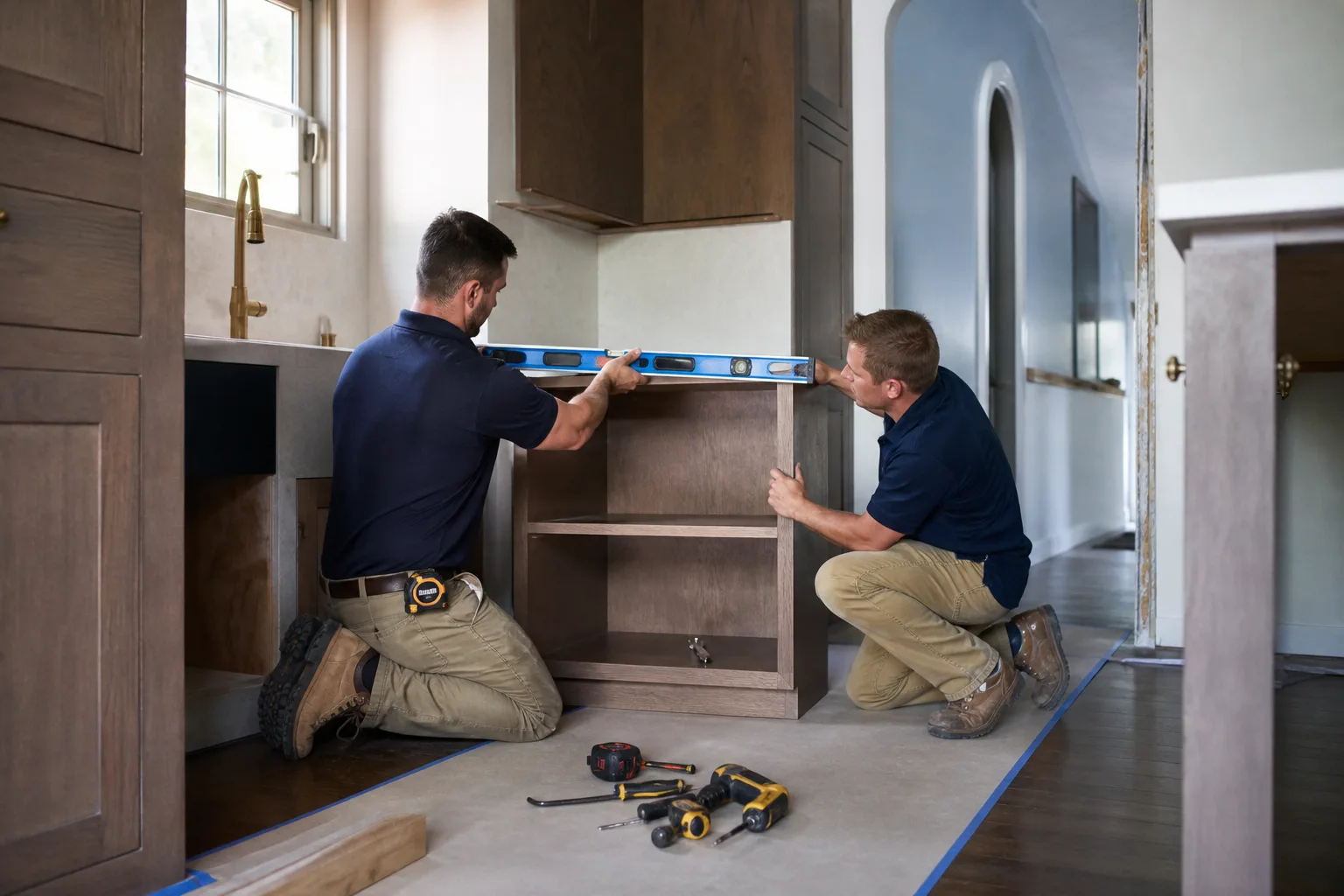
Cabinet installation is the biggest warranty trap. KraftMaid and Wellborn both require install by a qualified professional to honor their finish and structural warranties. If you hang your own cabinets and they sag six months later, the manufacturer is not going to replace them. The install labor you saved costs you the warranty you paid for.
Countertops are the second. Cambria, Caesarstone, and Silestone countertops all need to be templated, cut, and installed by a certified fabricator. Undermount sink cutouts, faucet holes, and edge profiles are all done on a CNC router, not in a garage. If you install the slab yourself and it cracks at a sink cutout, the manufacturer’s warranty doesn’t cover it, and neither does your homeowner policy.
Appliances are the third. The manufacturer’s warranty on a Kohler or Moen fixture or a major appliance often requires professional installation to remain valid. A dishwasher installed by the homeowner with a leaky supply line isn’t covered by the manufacturer when the leak damages the subfloor.
- Gas line work. Never DIY. Regulators, shutoff valves, and appliance connections require a licensed plumber and a permit inspection in Nevada. A slow gas leak is a life-safety issue.
- Electrical circuits and outlets. New circuits for a range, dishwasher, disposal, or under-cabinet lighting need a licensed electrician and an inspection. Moving existing outlets is the same rule.
- Plumbing rough-in and relocations. Moving a sink, adding a pot filler, or rerouting the dishwasher drain requires a licensed plumber and an inspection.
- Anything structural. Removing or modifying a load-bearing wall, even for a wider opening, needs an engineer, a permit, and a licensed contractor.
- Range hood exhaust ducting through the roof or wall. This penetrates the building envelope and requires proper flashing and inspection.
- Countertop and cabinet installation. As above. The warranty and inspection risk is too high.
If your remodel includes any of this – and most kitchens in Whitney do – those tasks are the anchor on your schedule. Every DIY task has to slot around them, not the other way around.
Nevada Permits: What Triggers an Inspection in Whitney
Permit rules vary county to county, and Whitney sits in Clark County just south of Las Vegas. The trigger for a permit in a kitchen remodel is almost always utility work, not cosmetic work. Painting cabinets does not need a permit. Moving a gas line does. Swapping a light fixture for an identical fixture usually doesn’t. Adding a circuit for a new appliance does.
Here’s what typically requires a permit in Whitney:
- Any new or relocated electrical circuit, including dedicated circuits for range, disposal, or dishwasher
- Any plumbing rough-in or relocation – sinks, drains, supply lines, ice makers
- Any gas line work – range, water heater, exterior connections
- Any structural work – wall removal, header installation, window or door resizing
- Any range hood ducting that penetrates the exterior envelope
- Any appliance replacement that changes the fuel source or voltage
What this means for a DIY homeowner is straightforward: the permitting work has to be pulled by a licensed contractor or the homeowner as owner-builder. Some homeowners choose to pull their own permits as owner-builder in Nevada, but the trade-off is real. The homeowner takes on the inspection responsibility, the liability, and the disclosure obligation at resale. Most Whitney buyers’ agents will ask for permit records on any kitchen that shows upgraded electrical or plumbing.
An unpermitted kitchen is a resale problem. It can hold up a sale, force a retroactive permit and inspection, or push a buyer to ask for a price reduction. If you’re planning to sell within five years, the cost of doing it right through permits is almost always smaller than the cost of doing it wrong.
The Honest Cost Comparison: Labor Savings vs. Risk Exposure
DIY savings in a kitchen remodel are real, and they’re not trivial. A homeowner who does their own demo, painting, and hardware install can save somewhere between $1,200 and $3,800 of labor in a typical Whitney kitchen remodel, depending on square footage and finish level. That’s the upside. The downside is what happens when a DIY task goes wrong and the fix is professional.
Here’s the honest math, using round numbers for a mid-range Whitney kitchen:
- Demo labor saved: $600 – $1,200
- Wall and cabinet painting saved: $800 – $2,200
- Hardware install saved: $150 – $400
- Simple backsplash tile saved: $500 – $1,400 (if you do it well)
- Typical total DIY savings: $2,050 – $5,200
Now the downside scenarios:
- Cabinet paint done after hardware install: remediation includes removing hardware, cleaning surfaces, repainting, and reinstalling. $600 – $1,500.
- Failed backsplash tile (bad substrate, cracked grout within a year): tear-out and redo. $900 – $2,200.
- Unpermitted electrical: retroactive permit, inspection, possible rewire. $1,200 – $3,500, plus resale complications.
- Cracked countertop from DIY install: full replacement. $2,500 – $6,000 depending on material and length.
- Voided appliance warranty from self-install: full appliance replacement. $800 – $3,000.
The pattern is that the biggest DIY savings are on the tasks with the smallest remediation cost. Painting, demo, hardware, and simple tile – those are the wins. The tasks with the biggest remediation cost – cabinets, counters, electrical, plumbing – have the smallest labor savings relative to the risk. That’s not an accident. It’s the reason those trades aretrades. When you’re looking at kitchen remodeling in Whitney, the smart move is to take the DIY wins with the low downside and hand off the rest.
The Correct Order of Work for a Hybrid Kitchen Remodel
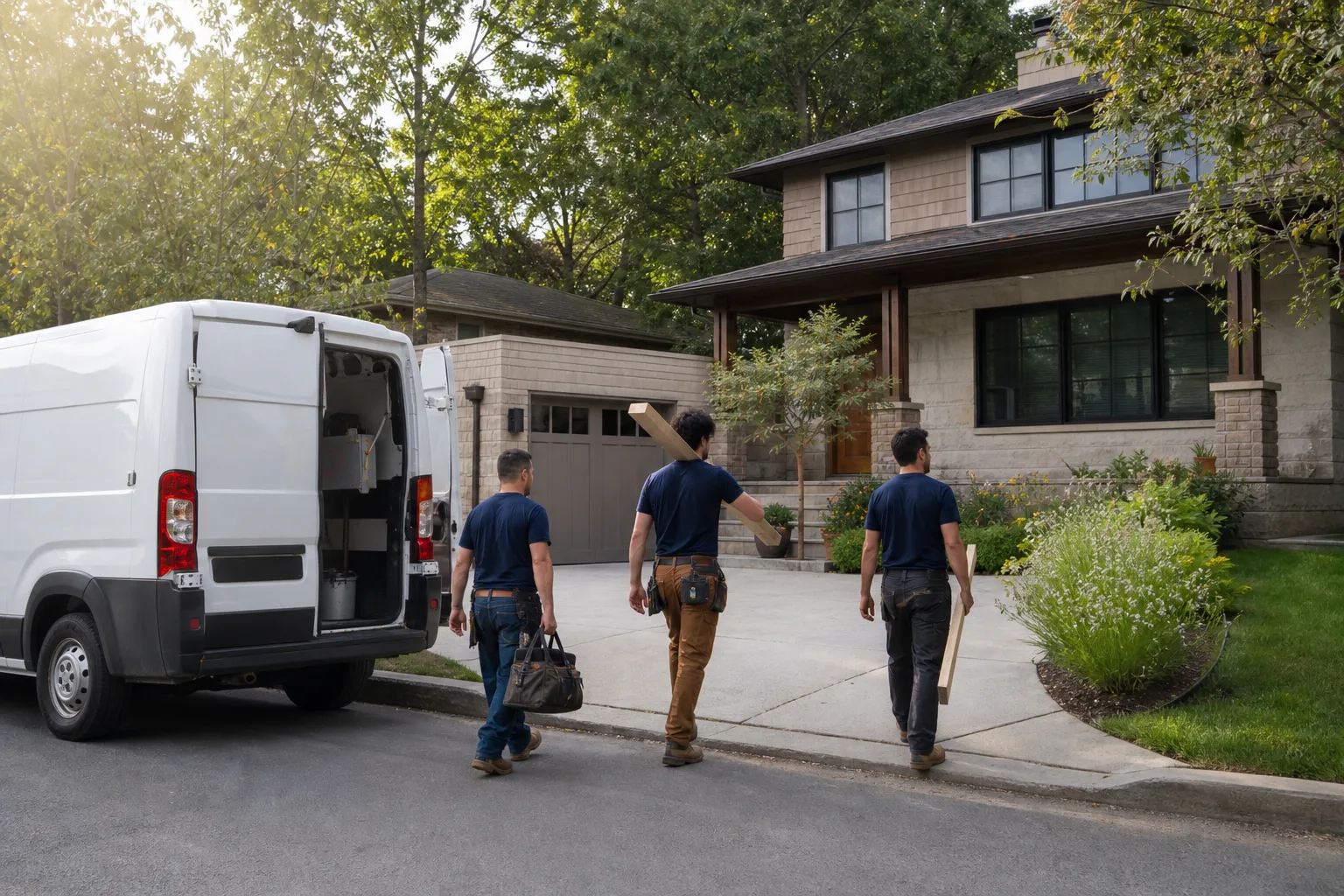
Here’s the sequence we run for a hybrid Whitney kitchen remodel, where the homeowner handles some tasks and we handle the rest. It’s built around the anchor trades and the inspections, so nothing gets done twice.
- Design and permit phase. Layout decisions, appliance selection, material selection, permit application. Six to ten weeks before any tool is picked up.
- Protect and prep. Mask adjacent rooms, drop cloths, dust barriers. Homeowner can help.
- Demolition. Homeowner-safe for cabinets, tile, and finish. Licensed plumber and electrician handle the disconnects.
- Rough-in and structural. Plumbing, electrical, gas, and any framing. Inspected before walls close.
- Wall and ceiling finishing. Drywall, primer, paint. Homeowner can do the paint if scheduled here.
- Cabinet installation. Licensed install, before counters and before hardware.
- Countertop template and install. Certified fabricator only. Template after cabinets are set.
- Sink and appliance hookup. Plumber and electrician, with inspections closed out.
- Backsplash tile. Homeowner-safe if the pattern is simple and the substrate is flat.
- Cabinet hardware, shelving, and finish trim. Homeowner-safe here, on painted cabinets that are fully cured.
- Final cleanup and walkthrough. Punch list, written warranty documentation, invoice.
The order is not negotiable if you want the DIY tasks to be safe. Every DIY task on the list sits in a specific slot where the surfaces around it are unfinished or protected. Move a task, and you move the risk. For a full-service project, our general contractor team in Whitney runs this exact sequence and can build your DIY list into the schedule from day one.
Common Mistakes to Avoid
- Bolting DIY tasks onto the end of the project. Cabinet painting done after hardware and counters are installed is now a remediation job, not a savings. Plan DIY into the schedule from day one.
- Pulling permits as owner-builder to save money. The permit fee is small, but the inspection risk and disclosure obligations are not. If you sell within five years, unpermitted work shows up in the paperwork and in the buyer’s inspection.
- Painting cabinets without deglossing. Whitney’s dry climate makes cabinet paint failures look like peeling along the door edges within a year. Degloss, prime, and use a proper cabinet-grade finish.
- Installing your own countertop. Cambria and Caesarstone require certified fabrication. A DIY slab install voids the warranty on the material you paid thousands for.
- Hanging your own cabinets to save install cost. Cabinet warranty terms from KraftMaid and Wellborn require professional installation. The install labor is a fraction of the cost of a warranty denial.
- Skipping the electrical and gas inspections. Nevada inspections exist for a reason. A slow gas leak or an overloaded circuit is a life-safety issue, and the inspection is not the place to save $300.
- Starting tile work without checking substrate flatness. Whitney’s seasonal swings – hot dry summers, cooler desert winters – mean a backsplash laid on a wavy wall will crack along the grout lines. Check flatness before you buy mortar.
- Buying appliances before the layout is final. A refrigerator that doesn’t fit the cabinet opening is a return and a delay. Layout first, appliance second.
Every one of these mistakes has happened in a Whitney kitchen. None of them are dramatic or rare. They all come down to sequencing and to knowing which tasks are worth risking and which are not. If you’re planning a larger project, bathroom remodeling in Whitney has its own version of the same rules.
When to Call a Professional
Call a professional the moment your DIY list touches gas, electrical, plumbing rough-in, cabinet installation, countertop fabrication, or structural work. Also call us if you’ve already started a DIY task and you’re not sure it’s going well: a paint job with runs in it, a tile wall that’s not flat, or a cabinet install that’s sagging are all cheaper to fix at first sign than after the next task goes on top. For a project that’s stopped mid-way, we’ve seen every kind of partial-and-stalled kitchen in Whitney, and the fix is usually a re-sequenced plan rather than a full demolition. Sawyer Remodeling Whitney runs projects under The Relay Visibility Guarantee – a written price before work starts, live arrival time tracking, and before-and-after photo updates – and every job carries the 365-Day Done Right Promise. Our technicians have up to 21 years of experience, and they work with the same premium material partners in Whitney as they do across Relay Home Co., including KraftMaid cabinetry, Cambria countertops, and Kohler fixtures. Call (833) 570-8789 to schedule your free estimate.
See the difference
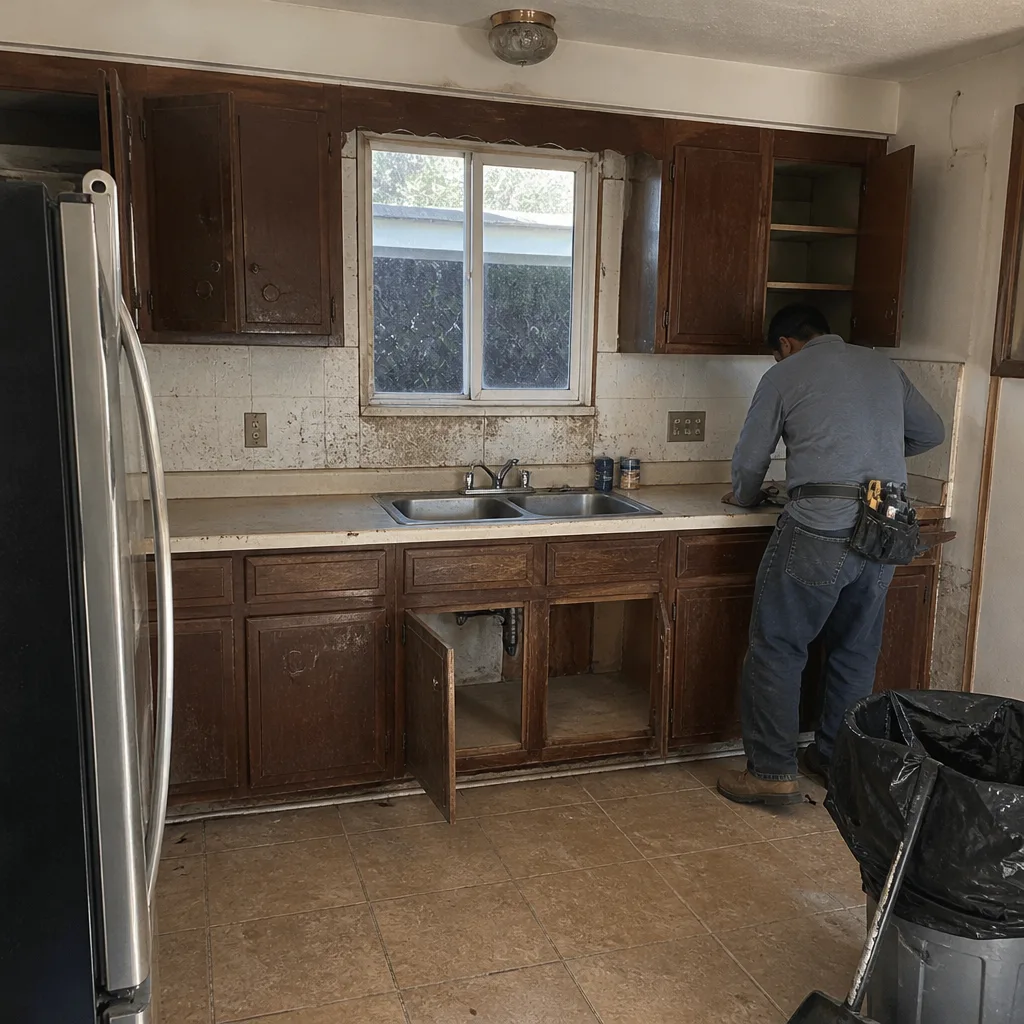 Before
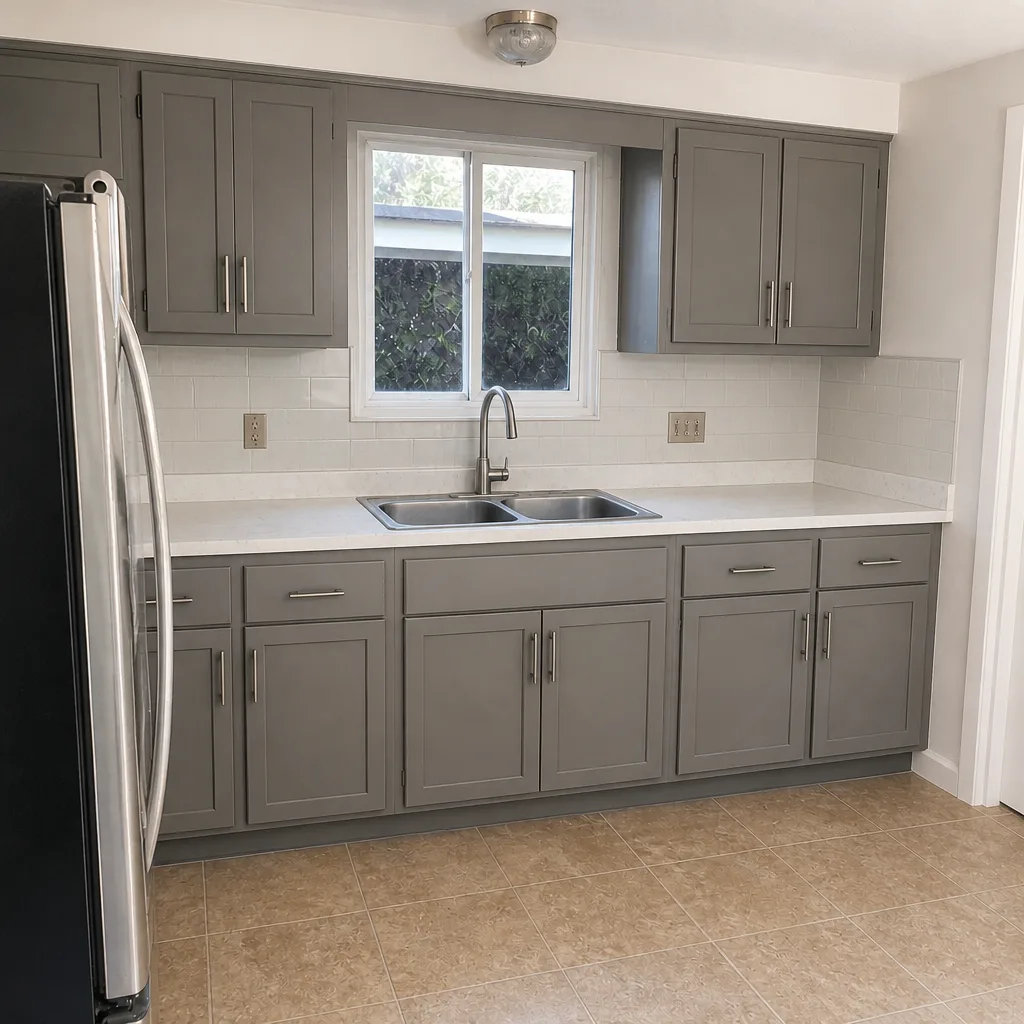 After
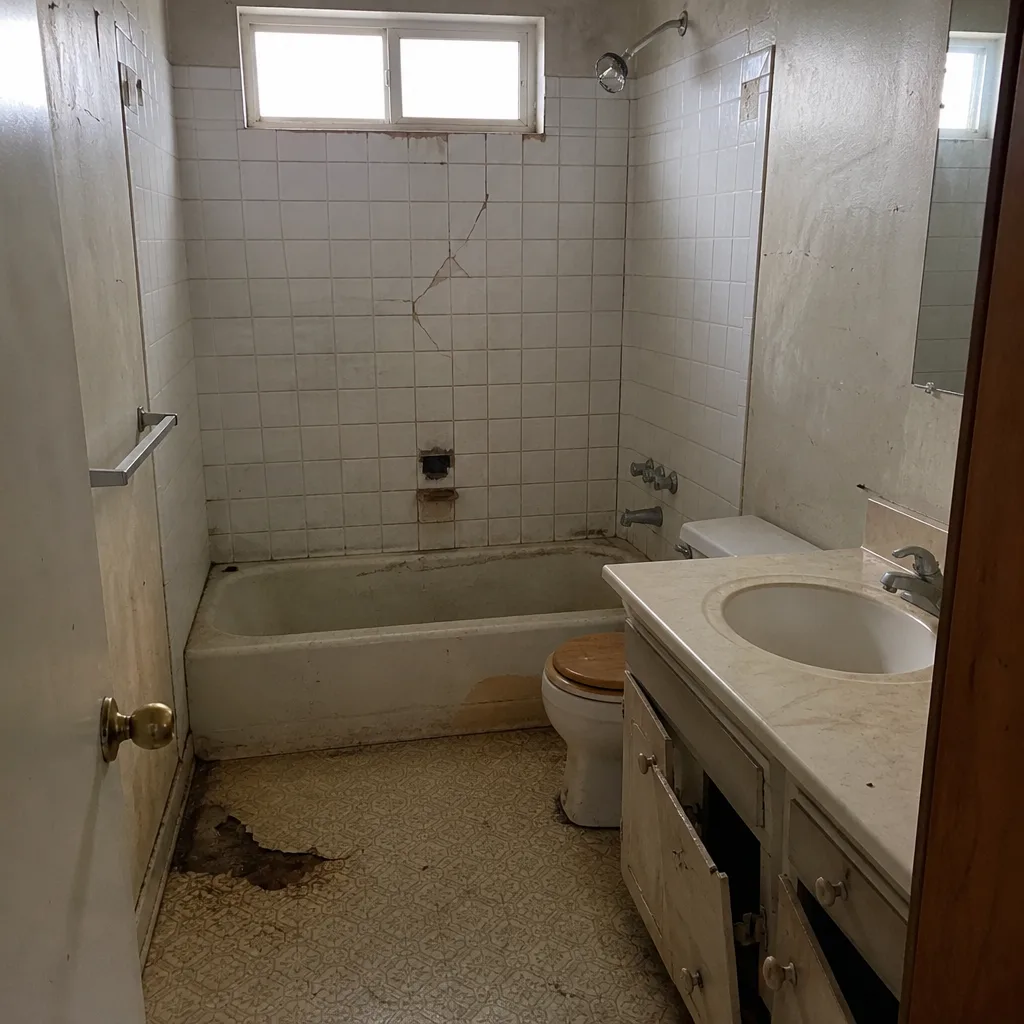 Before
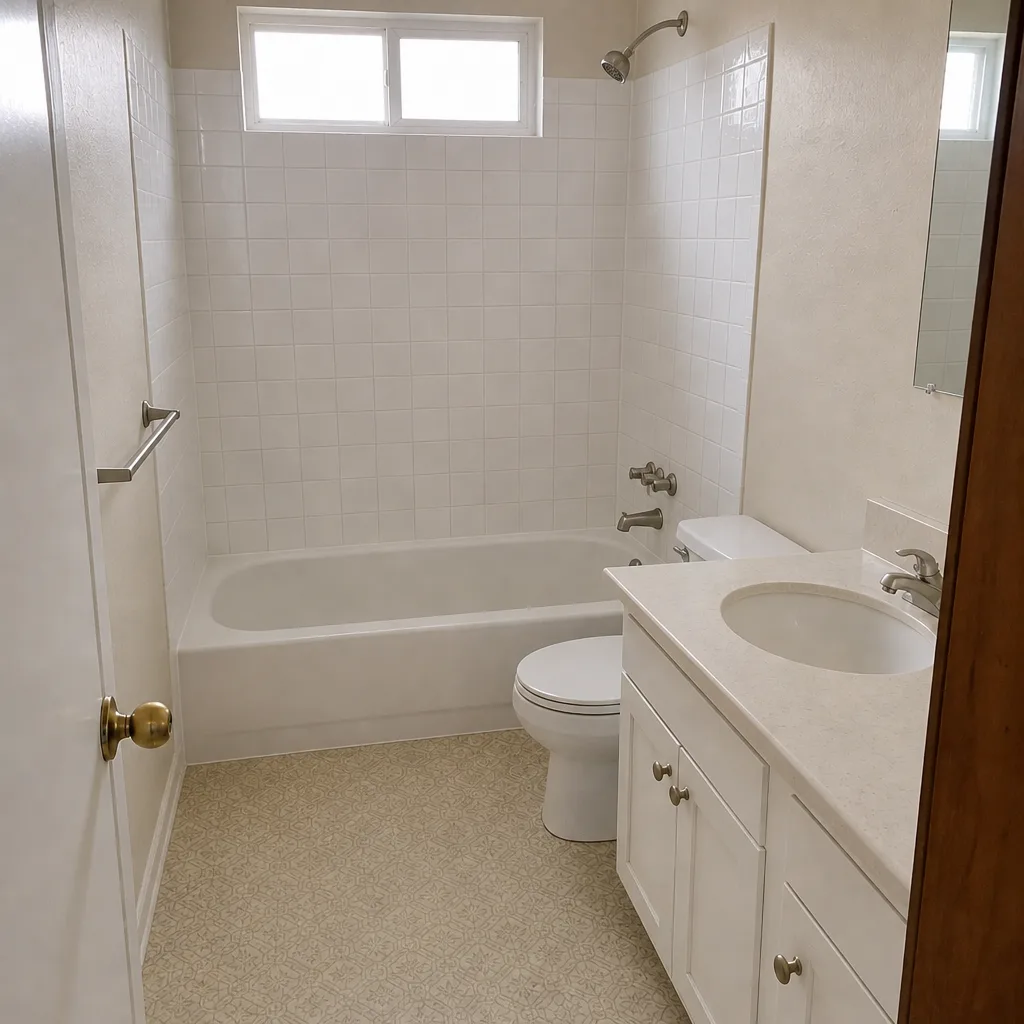 After
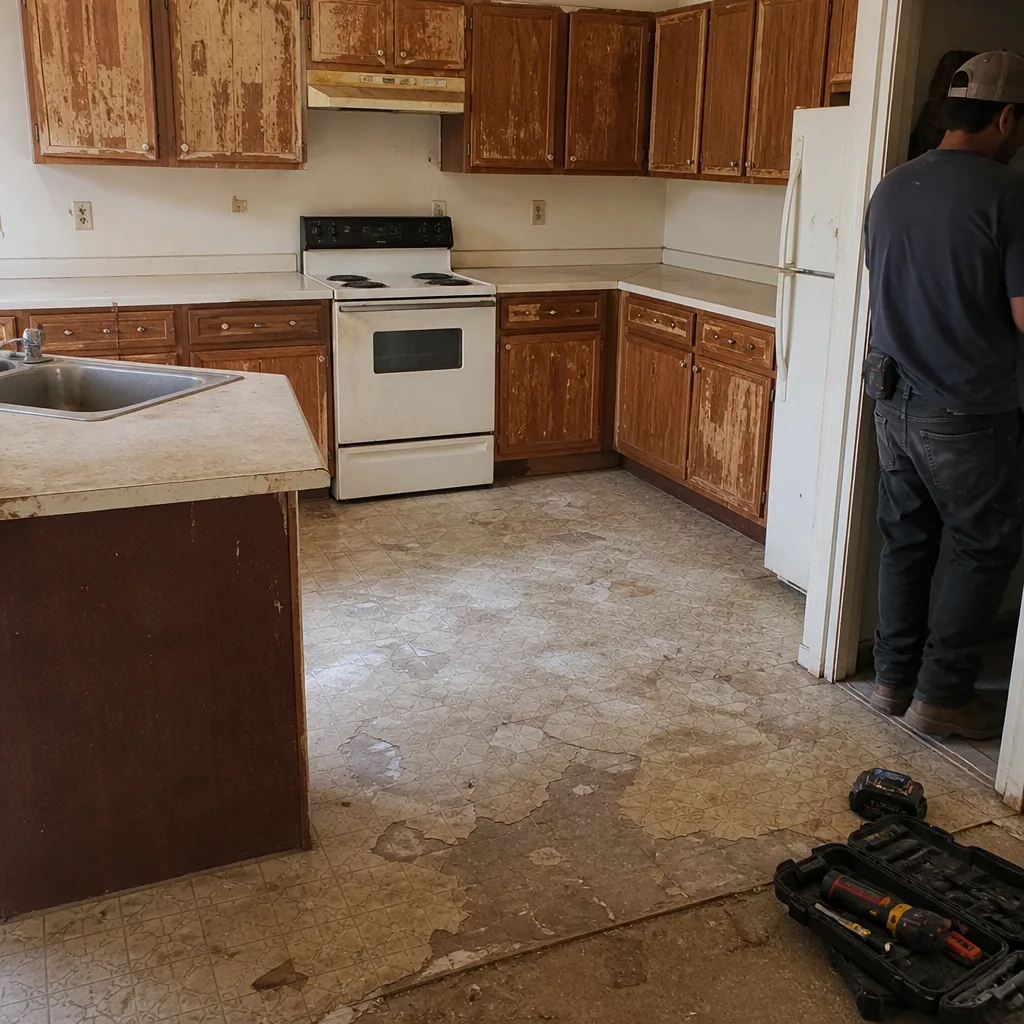 Before
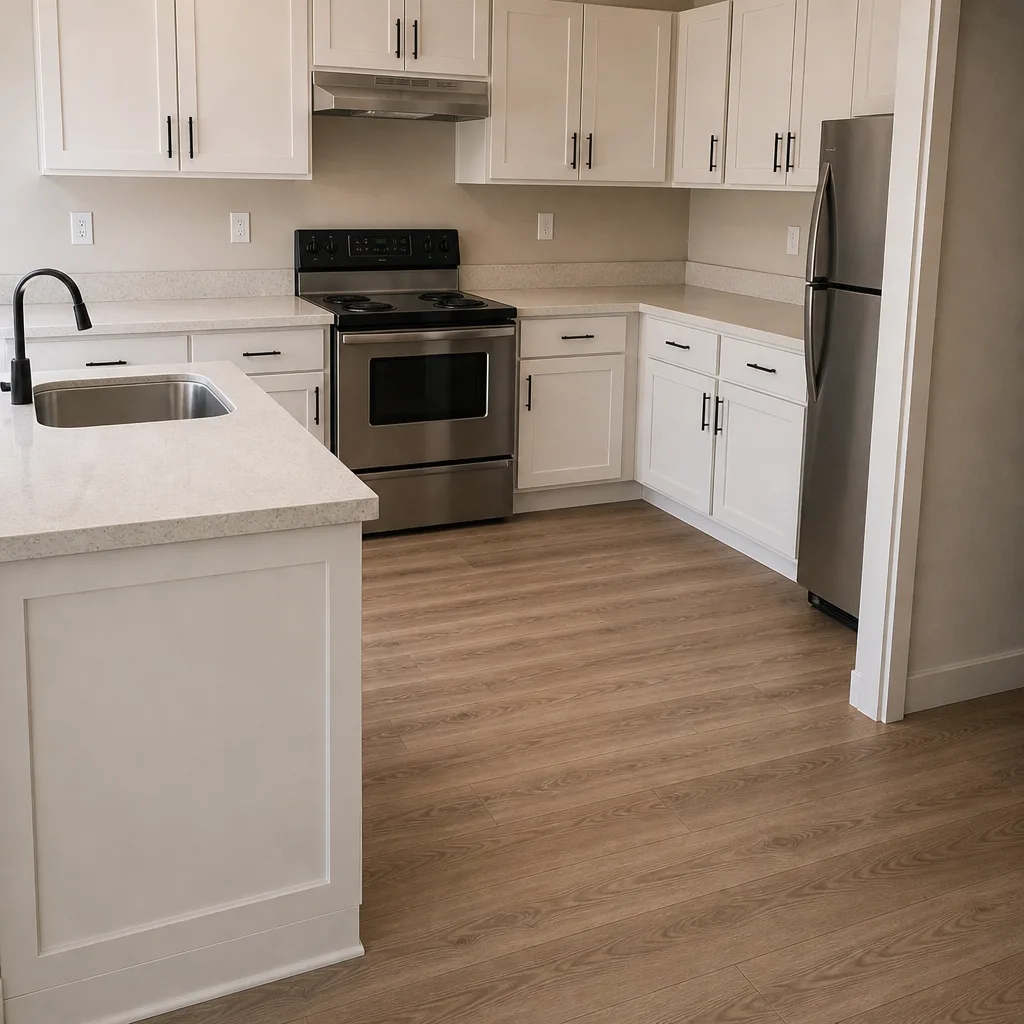 After
Frequently Asked Questions
You can safely take on demolition (except utility disconnects), wall and cabinet painting if it’s scheduled before hardware and counters, installing pulls and knobs, assembling open shelving, simple backsplash tile, and final cleanup. Those tasks have low remediation cost if something goes wrong and don’t touch permits or expensive manufacturer warranties. Call (833) 570-8789 for a free estimate that includes a written DIY scope – estimates are free.
Yes, in most cases. KraftMaid and Wellborn cabinet warranties generally require professional installation, and Cambria, Silestone, and Caesarstone countertops require certified fabrication and installation. A DIY install can void the manufacturer’s coverage, which means a failed cabinet or a cracked counter is on you. Call (833) 570-8789 for an exact quote on the professional portion – estimates are free.
You need a permit for anything that touches electrical circuits, plumbing rough-in, gas lines, structural work, or exhaust ducting through the exterior wall – cosmetic work like painting and simple tile does not require a permit. Clark County inspections are triggered by the trade permit, and they have to be closed out before the walls close. Call (833) 570-8789 if you’re not sure whether your project triggers a permit – we’ll tell you in the free estimate.
Homeowners typically save between $2,000 and $5,200 on a mid-range Whitney kitchen by doing demo, painting, hardware, and simple tile. The savings are real, but they only hold if those tasks are sequenced correctly with the contractor schedule. Done at the wrong time, a savings becomes a remediation cost. Call (833) 570-8789 for a line-item estimate that separates DIY scope from professional scope.
Unpermitted work can hold up a sale, force a retroactive permit and inspection, or lead a buyer to renegotiate price. Most Whitney buyers’ agents ask for permit records on any kitchen with upgraded electrical or plumbing. If the work was permitted and inspected at the time, the paperwork is clean. Call (833) 570-8789 and we’ll walk you through what records your kitchen needs.
The biggest mistake is bolting DIY tasks onto the end of the schedule. Cabinet painting after hardware install, backsplash tile after under-cabinet lighting, or painting walls after cabinets are hung all turn a clean savings into a professional remediation job. The second-biggest mistake is pulling electrical or gas work out of the licensed scope to save a few hundred dollars. Call (833) 570-8789 to plan your DIY tasks into the schedule correctly – estimates are free.
The Bottom Line
DIY kitchen work pays off when it’s low-risk, sequenced correctly, and doesn’t touch warranties or permits. Demo, painting, hardware, simple tile, and cleanup are the wins. Cabinets, counters, electrical, plumbing, and gas are the hand-offs. The math only works if you decide your DIY list before the project starts, slot each task into the schedule where the surrounding surfaces are unfinished, and let the licensed trades handle the anchor work. That’s the difference between a kitchen remodel that finishes on budget and one that ends in a remediation call. For the full picture, see Sawyer Remodeling Whitney home and our services at General Contractor in Whitney, Kitchen Remodeling in Whitney, and Bathroom Remodeling in Whitney.
Ready to put your DIY list into a real schedule? Call (833) 570-8789 for a free estimate from Sawyer Remodeling Whitney. We’ll walk the kitchen with you, tell you exactly which tasks are worth doing yourself, and hand you a written price before a single tool is picked up – that’s The Relay Visibility Guarantee, and it’s on every project.
Written by the team at Sawyer Remodeling Whitney.