Last updated November 17, 2026








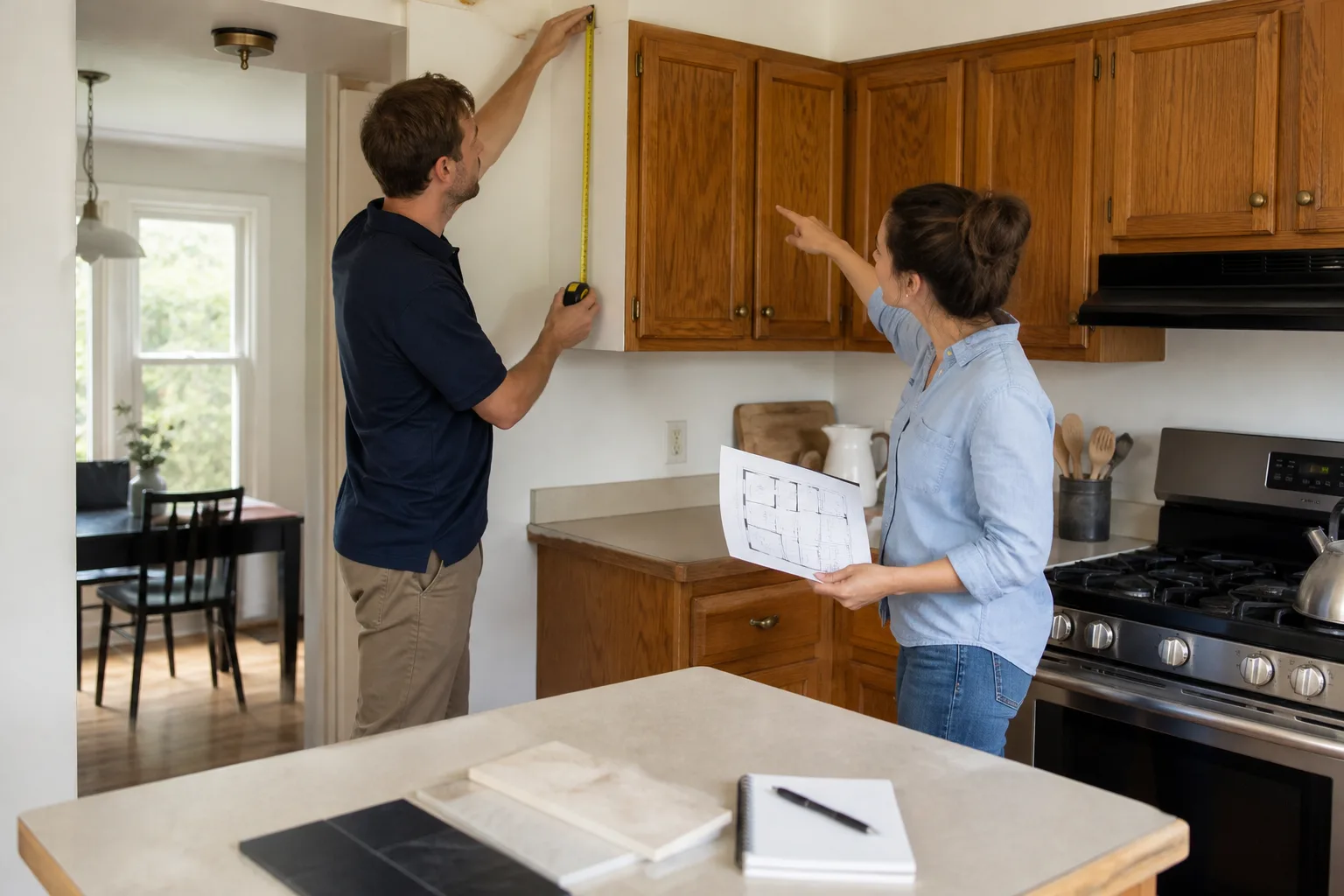
Free written scope consultation - allowances, timeline, and change-order rules on paper before a single trade is scheduled
DIY vs Professional General Contractor: What’s Safe to Do Yourself
You can find a tutorial for almost any home project online. What those tutorials don’t show is the homeowner two years later who can’t sell their house because an unpermitted addition shows up in a title search, or who gets dropped by their insurance company after a DIY electrical fire. We’ve watched both play out in Whitney, and neither one started with a dangerous decision. They started with a confident weekend and a YouTube playlist. This guide covers what Nevada law actually says about licensed work, how insurance treats DIY damage, the resale disclosure trap that catches sellers off guard, and a green/yellow/red framework for deciding what you can safely handle yourself.
Quick Answer
In Nevada, most structural, electrical, plumbing, and gas work legally requires a licensed contractor, and DIY work in those categories can create permit, insurance, and resale problems that cost far more than hiring a pro upfront. Painting, tiling a backsplash, replacing a faucet, installing shelving, and similar cosmetic or non-permitted swaps are generally safe to do yourself. Anything that touches a permit, a load path, a gas line, or a panel belongs to a licensed contractor, especially in Whitney where tract homes from the 1990s and 2000s are now hitting the age where systems fail.
Styles & brands we work with
- Kitchen remodeling
- Bathroom remodeling
- Home additions & ADU
- Roofing
- Windows & doors
- Driveway & pavers
- Fence
Table of Contents
- What Nevada Law Says Requires a Licensed Contractor
- The Resale Disclosure Trap Nobody Warns You About
- The Green/Yellow/Red Framework
- How Your Insurance Treats DIY Work That Causes Damage
- Three Questions to Ask Before You Start
- Why Whitney Homes Run Into This More Than You’d Think
- Permits, Inspections, and What Actually Gets Looked At
- Common Mistakes to Avoid
- When to Call a Professional
What Nevada Law Says Requires a Licensed Contractor
Nevada Revised Statutes Chapter 624 governs contractor licensing, and it’s specific about what triggers the requirement. The short version: any project involving construction, alteration, repair, or improvement to a structure where the total value exceeds $1,000 in labor and materials generally requires a licensed contractor. That threshold is lower than most homeowners assume, and it’s measured by the whole project, not by how many trips to the hardware store you make.
The statute separately calls out categories that require a specialty license regardless of the dollar figure:
- Electrical work beyond swapping a light fixture or outlet cover on a dead circuit
- Plumbing that involves moving or adding supply or drain lines
- Gas line work of any kind, including hooking up a new range or dryer
- Structural alterations, including removing or modifying a load-bearing wall
- Roofing, siding, and any exterior work requiring a permit
- Anything that requires a building permit from Clark County or the City of Henderson
The State Contractors Board enforces this on the licensing side, but the real bite comes from the county permit office. When a Whitney homeowner pulls a permit as an owner-builder, they can legally do the work on their own primary residence, but they sign a declaration that they will not sell or rent the property for at least one year, and they assume full liability for code compliance. That last part matters when something fails. For projects beyond the owner-builder window, a licensed contractor isn’t optional. It’s the law. When in doubt about scope, our General Contractor in Whitney team can walk you through what your specific project legally requires before you spend a dollar.
The Resale Disclosure Trap Nobody Warns You About
Here’s the part YouTube skips. Nevada requires sellers to complete a Seller’s Real Property Disclosure Form, and that form asks directly whether the seller is aware of any alterations, repairs, or additions made without required permits. You can’t honestly answer “no” if you built the deck yourself without pulling a permit. And the buyer’s inspector is specifically trained to spot exactly that.
What inspectors look for in Whitney homes:
- Electrical panels with unlabeled breakers feeding outlets that don’t match the label
- Bathroom and kitchen remodels where the tile pattern doesn’t match adjacent rooms (a tell for a wall that moved)
- Garage conversions with a finished ceiling covering the absence of a firewall
- Deck and patio covers without visible footings or ledger flashing
- Water heater replacements where the expansion tank or pan is missing or installed backwards
We’ve seen deals in Whitney fall apart over a single unpermitted bathroom remodel. The seller relists, buyers now know there’s a disclosure issue, and the price drops by more than the remodel originally cost. Or the buyer’s lender refuses to fund until the work is brought to code, which means retroactive permits, opening walls, and inspection fees. Either way, the DIY savings disappear. Repairs made under a licensed contractor come with a paper trail the title company can find, and if you ever decide to sell after a project, that trail is the difference between a clean close and a stalled escrow.
The Green/Yellow/Red Framework
Instead of sorting projects by how confident you feel, sort them by what happens if you get it wrong. This framework comes from years of fixing DIY work in Whitney, and it holds up better than any checklist we’ve seen.
Green: Genuinely safe DIY
- Painting interior walls, trim, and ceilings
- Tiling a backsplash (cosmetic tile only, no waterproofing underneath)
- Replacing a faucet or showerhead
- Swapping a light fixture on an existing switched circuit
- Installing shelving, curtain rods, and picture hooks into studs
- Replacing cabinet hardware, door knobs, and outlet covers
- Patio furniture assembly, yard work, and landscaping that doesn’t affect drainage
Yellow: DIY the demo, hire the finish
These are the projects where homeowners often start strong and then realize the finish work is where the skill lives. Demo is honest work, but it’s also where the licensed pro’s liability begins.
- Bathroom remodels: you can pull the old vanity and tile. A pro installs the shower pan, waterproofing, and tile.
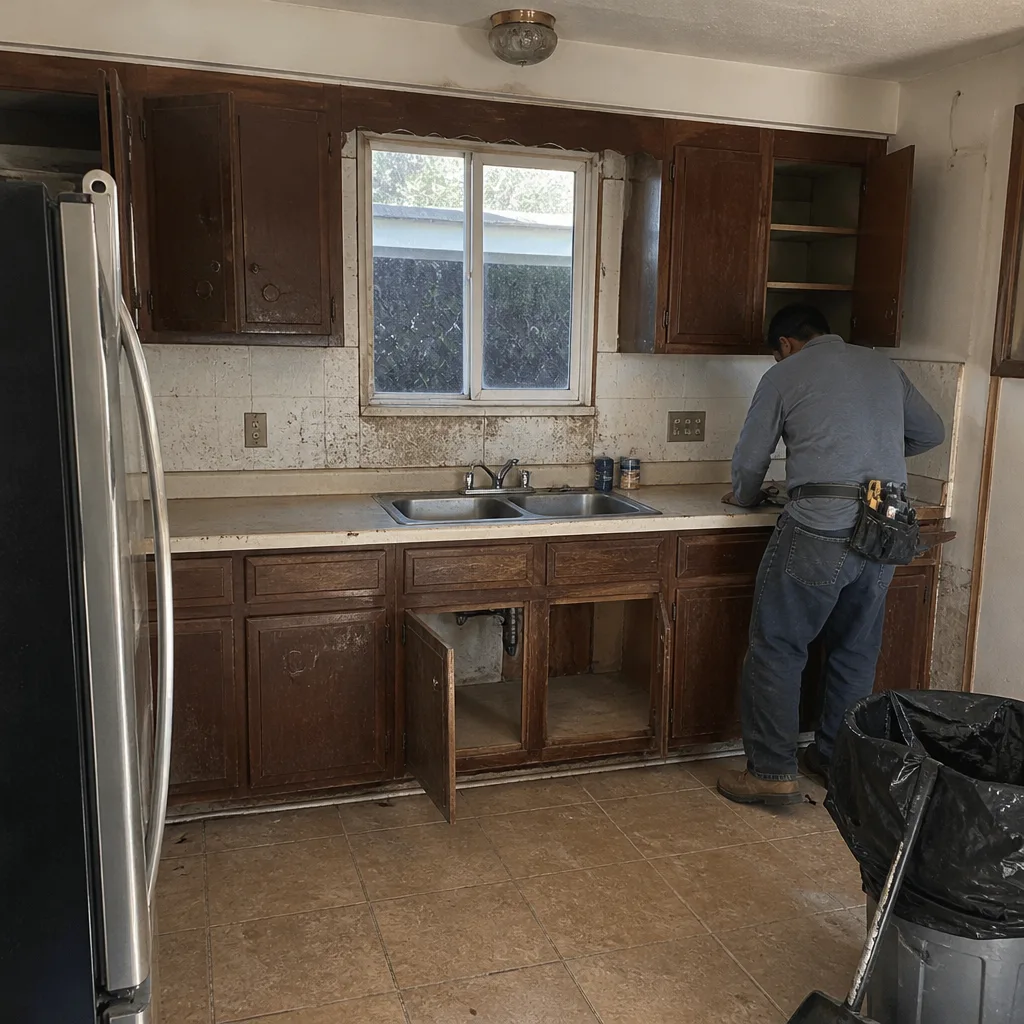
- Kitchen tear-out: pull cabinets and countertops yourself. A pro handles plumbing, electrical, and the countertop install.
- Flooring: pulling old carpet or laminate is fine. Laying tile or hardwood with proper underlayment is not.
- Fence replacement: demo and post-hole dig are doable. The structural post setting and panel alignment are where a pro earns their keep.
If a kitchen tear-out turns into a full renovation, our Kitchen Remodeling in Whitney page covers how we sequence demo, rough-in, and finish so nothing gets ripped out before the permit is on file.
Red: Don’t touch without a license
- Any electrical panel work, including breaker swaps
- Any gas line, including appliance hookups
- Anything structural, load-bearing, or involving a wall removal
- Roofing, including a small patch if the decking is involved
- Water heater replacement
- Window and exterior door replacement (permit and egress requirements apply)
- Any plumbing that moves a supply or drain line, including the toilet flange
High-tension garage door springs and cables belong on this list too. Those springs hold hundreds of pounds of tension, and a DIY repair there has caused serious injuries. Call a pro. That one isn’t a permit issue; it’s a hospital issue.
How Your Insurance Treats DIY Work That Causes Damage
Homeowner’s insurance will typically pay for damage from a covered peril, but there’s specific policy language that matters when the damage traces back to your own work. What to look for in your policy:
- “Faulty workmanship” exclusion: Most HO-3 policies exclude damage caused by faulty workmanship, meaning the cost to redo the work isn’t covered. Damage that spreads from it might be, depending on your carrier.
- “Water damage” exclusion for unmaintained systems: If a DIY plumbing repair fails and floods the bathroom, the insurer often denies the repair to the pipe but covers the resulting water damage, subject to your deductible. Get this in writing from your agent before you start.
- Fire coverage after unpermitted electrical work: Some carriers have added endorsements requiring that electrical work be performed by a licensed electrician as a condition of coverage. Read the fine print on your declarations page.
- Post-loss investigation: After a fire or water loss, the adjuster will investigate the cause. Unpermitted work is a red flag that regularly triggers a denial or a non-renewal notice.
One Whitney homeowner we worked with had a DIY bathroom shower pan fail after fourteen months. The resulting damage was $11,000 in water intrusion and mold, and the insurer paid the water damage but denied the pan repair because the policy excluded faulty workmanship. If they had used a licensed contractor with a written workmanship warranty, the pan repair itself would have been covered.
Three Questions to Ask Before You Start
Every DIY decision comes down to three questions. Answer them honestly and the framework gets simpler.
- Does this project require a permit in Whitney? Call the Clark County Building Department and describe the scope in plain language. If they say yes, the project is off the DIY list unless you’re using the owner-builder exemption and plan to stay in the home for at least a year.
- If this fails, who pays? If the answer is you, and the potential cost is above a couple of thousand dollars, the savings from DIY rarely justify the exposure. If your insurance might deny the claim, the answer is even clearer.
- Will a buyer’s inspector flag this in five years? If you’d have to disclose it on the Seller’s Real Property Disclosure Form, weigh that cost against what a pro would charge today. In Whitney’s market, disclosure issues have cost sellers more than the original project.
Why Whitney Homes Run Into This More Than You’d Think
Whitney sits in a climate and construction era that makes DIY risk higher than in other parts of the valley. The neighborhood was largely built out in the 1990s and early 2000s, which means the original bathroom waterproofing, roofing underlayment, and water heaters are now past their expected service life. When a shower pan starts leaking in a Whitney home, the damage behind the tile usually started eighteen months before the stain showed up on the ceiling below.
Nevada’s dry heat and sharp temperature swings work on exterior components too. Roofing shingles crack and siding seams open in ways that a mild-climate homeowner wouldn’t see. A DIY patch on a Whitney roof often looks fine from the ladder but fails at the first monsoon, and by then the decking has soaked. We see the same pattern in window and door replacements: a homeowner installing a Therma-Tru door themselves often misses the sill flashing detail, and the first summer rain finds the gap.
Whitney also has pockets of older custom homes where additions and outbuildings were permitted decades ago, and tracing prior permit history is part of any serious remodel scope. If you’re planning a bathroom project in a Whitney home built before 2000, our Bathroom Remodeling in Whitney page walks through what we check before writing a scope.
Permits, Inspections, and What Actually Gets Looked At
Homeowners often assume that a permit is just paperwork and an inspection is just a rubber stamp. Neither is true. A permit means the county has reviewed your scope for code compliance, and inspections verify the work at the stages where mistakes become expensive.
What inspectors actually check on a Whitney remodel:
- Rough framing before drywall: fastener spacing, header size, and load path
- Rough electrical before drywall: box fill, wire gauge, GFCI placement, and panel labeling
- Rough plumbing before drywall: slope on drain lines, vent placement, and shower pan pre-slope
- Waterproofing membrane before tile on showers and wet areas
- Final inspection: fixtures, outlets, and function tests
If you skip the permit and do the work yourself, none of these checks happen, and the first inspection your work receives is likely a buyer’s inspector during the sale. That’s the wrong time to discover a miss. On the finished side, a licensed contractor handles the permit application, the inspection scheduling, and the sign-off, which is why the paper trail exists on our projects. When we finish a project, the permit file lives at the county and the warranty lives with you.
Common Mistakes to Avoid
- Assuming the $1,000 threshold is per weekend. Nevada measures the project as a whole. Three trips to the hardware store for a $1,400 tile job still counts as a project above the threshold.
- Pulling an owner-builder permit and then selling within a year. Nevada ties the owner-builder exemption to a one-year residency requirement. Selling sooner can create a disclosure problem and a title question the buyer’s agent will catch.
- Treating “small electrical” as safe. A breaker swap looks simple, but an arc fault from a mis-torqued lug is the exact fire scenario insurers investigate. In Whitney’s 1990s panels, breaker compatibility is a real question, not a hypothetical.
- Underestimating waterproofing. Tile is waterproof; the wall behind it isn’t. A DIY shower that skips the pre-slope and membrane usually fails within two to five years, and the repair costs three times the original install.
- Skipping the permit to save the fee. A permit for a bathroom remodel in Whitney runs a few hundred dollars. The retroactive permit, wall opening, and inspection cost after a failed sale runs into the thousands.
- Missing the flashing detail on exterior doors and windows. Nevada’s sun and rain test every exterior joint. A door installed without proper sill flashing leaks at the first monsoon, and the water tracks behind the drywall where you can’t see it.
- Not reading the insurance policy before starting. Five minutes with your declarations page and a call to your agent will tell you whether your DIY plumbing repair is covered. Skip that call and you’ll learn the answer after the water damage.
When to Call a Professional
Call a licensed contractor when the project touches a permit, a system, or a load path. That includes anything electrical beyond a fixture swap, anything gas, anything plumbing beyond a faucet or showerhead, any wall removal, any roof or exterior envelope work, and any project where the owner-builder exemption doesn’t cover your timeline. It also includes any project where the failure cost exceeds what you’d spend on the pro. A $300 faucet replacement doesn’t need a license. An $8,000 shower rebuild is a different conversation, mostly because a failed shower pan costs more than the rebuild itself. Sawyer Remodeling Whitney offers free estimates in Whitney – call (833) 570-8789 to schedule yours. Our team walks through the permit requirements, the scope, and the written price before any work starts, and the technician who shows up is background-checked and uniformed, with a live arrival window and photo updates along the way.
See the difference
 Before
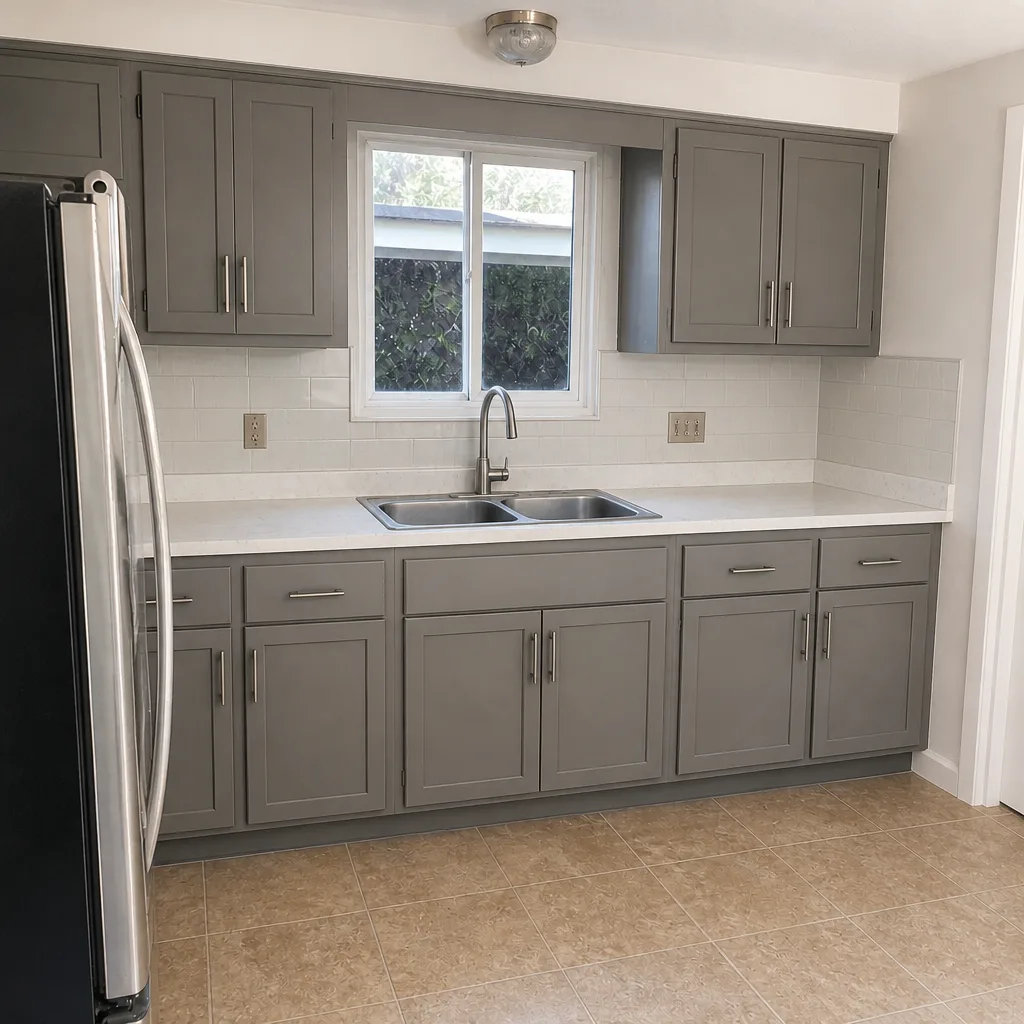 After
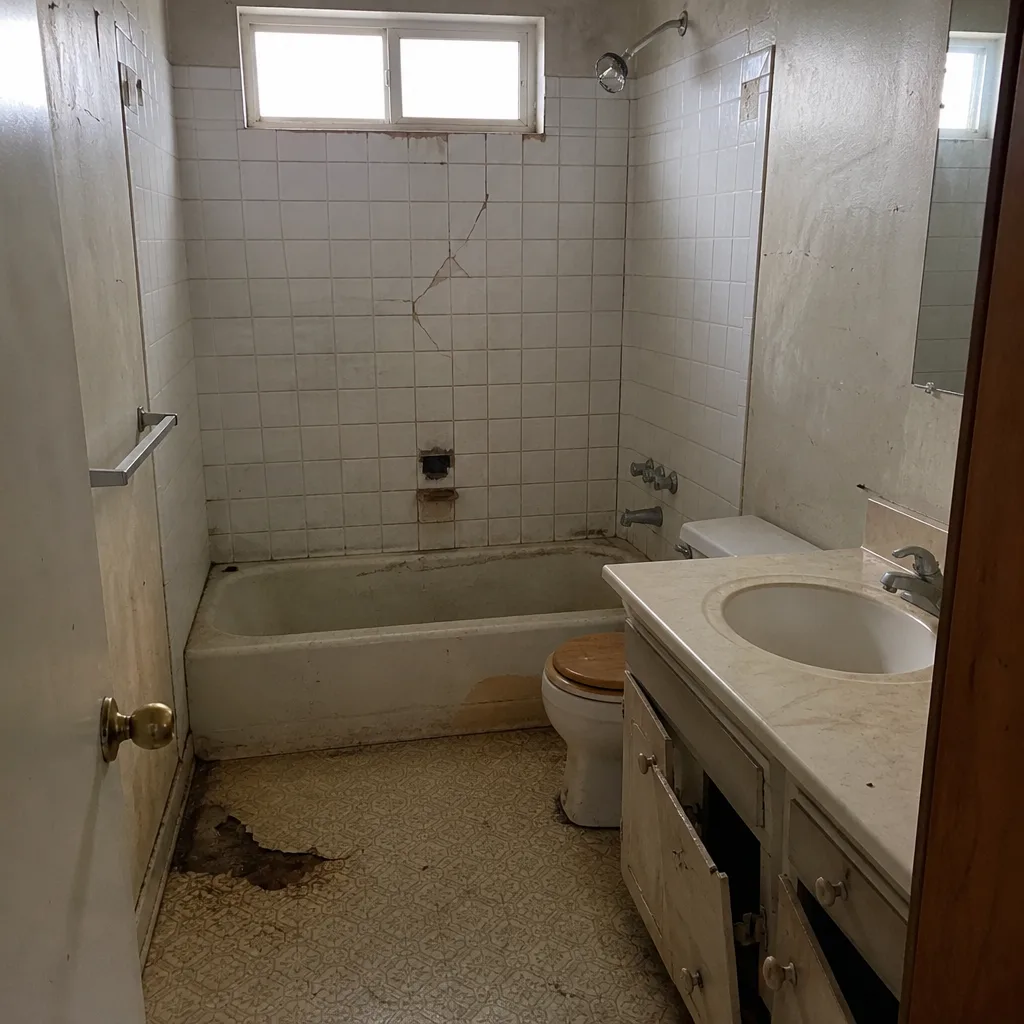 Before
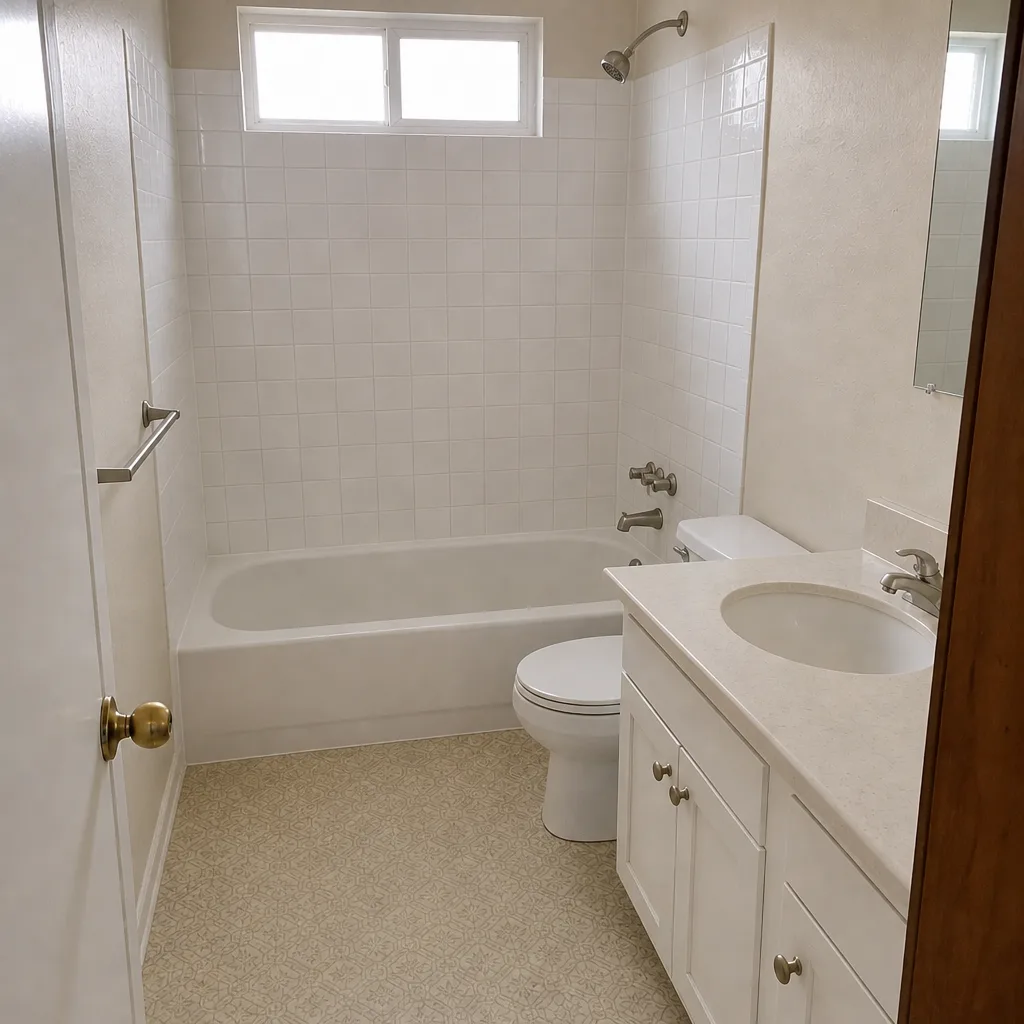 After
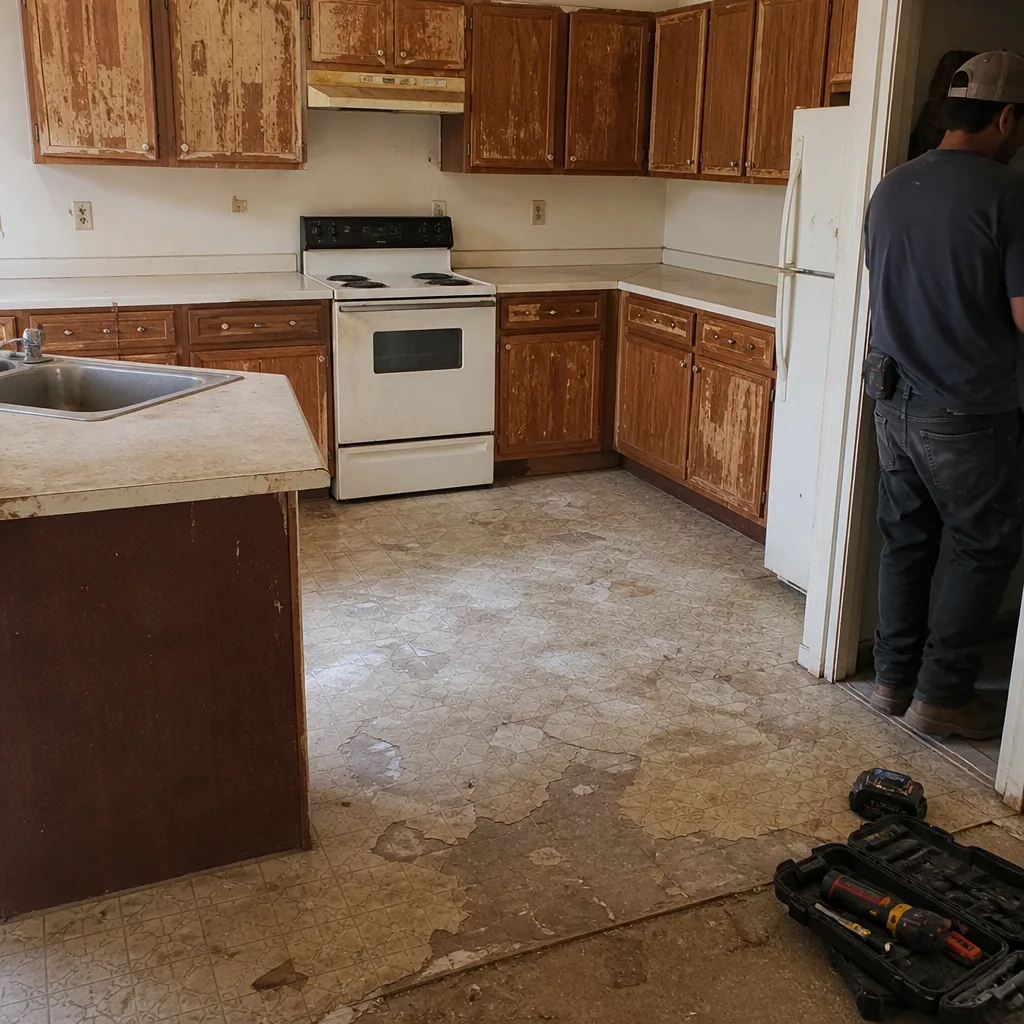 Before
 After
Frequently Asked Questions

In Nevada, any project over $1,000 in combined labor and materials that involves construction, alteration, repair, or improvement to a structure generally requires a licensed contractor, and separate specialty licenses apply to electrical, plumbing, gas, and structural work regardless of the dollar figure. Cosmetic work like painting, tiling a backsplash, and replacing a faucet doesn’t require a license. For a project-specific answer, call (833) 570-8789 and we’ll tell you what your scope legally needs.
You can perform work on your own primary residence in Whitney as an owner-builder, but the exemption requires that you not sell or rent the property for at least one year and that you assume full liability for code compliance. If you plan to sell within that year, the exemption doesn’t apply. Call (833) 570-8789 for a free estimate if you’re weighing DIY against hiring a pro.
It depends on your policy’s faulty workmanship exclusion – most HO-3 policies exclude the cost to redo faulty work but may cover resulting damage from a covered peril, and some carriers have added endorsements requiring electrical work to be done by a licensed electrician. Read your declarations page and call your agent before starting. If you want the work done with a written guarantee, call (833) 570-8789 for a free estimate.
A full bathroom remodel in Whitney typically runs $12,000 to $28,000 with a licensed contractor depending on scope and finishes, and a DIY remodel usually saves 20 to 30 percent on labor but risks $5,000 to $15,000 in redo costs if waterproofing or plumbing fails. That risk calculation doesn’t include the resale disclosure exposure. Call (833) 570-8789 for a written price range on your specific bathroom – estimates are free.
Yes. Water heater replacement in Clark County requires a permit and an inspection, and the owner-builder exemption applies only if you meet the residency requirement. The expansion tank, pan, and seismic strapping all get checked. Water heater replacement is on the red list for a reason: it’s a gas and plumbing project at the same time. Call (833) 570-8789 to schedule a free estimate.
You’ll need to answer the Seller’s Real Property Disclosure Form honestly, and the buyer’s inspector is likely to find the work anyway. The cleanest path is usually to bring the work to code retroactively with a licensed contractor before listing, which means opening walls, pulling a permit, and passing inspection. Our team handles retroactive permits regularly. Call (833) 570-8789 for a free estimate on getting the work to code.
The Bottom Line
The DIY-vs-hire question isn’t about whether you can learn the skill. It’s about permit exposure, insurance liability, and resale disclosure rules that no tutorial covers. In Nevada, projects over $1,000 in combined materials and labor generally require a licensed contractor, and unpermitted DIY work follows you to the closing table. Paint, tile a backsplash, swap a faucet, hang shelves. For everything that touches a permit, a load path, a gas line, or a panel, hire the pro and keep the paper trail. Whitney homes built in the 1990s and 2000s are hitting the age where waterproofing, roofs, and water heaters fail, and that’s the wrong moment to be learning on your own house. Our technicians have up to 21 years of experience, and every project operates under The Relay Visibility Guarantee: a written price before work starts, a live arrival time, and photo updates before and after. Visit the Sawyer Remodeling Whitney home page to see how we run a project from estimate to sign-off.
Ready to get a written price range for your project? Call (833) 570-8789 for a free estimate. We answer the phone live, 24/7, and the number on the estimate is the number you’ll approve before any work starts.
Written by the team at Sawyer Remodeling Whitney.