Last updated November 17, 2026








Free written scope consultation - allowances, timeline, and change-order rules on paper before a single trade is scheduled
Construction Emergency Preparedness Guide for Whitney Homes
Whitney sits close to the Las Vegas Valley fault system, averages more than ten significant dust storms a year, and gets the kind of monsoon downpours that turn a dry wash into a river in under an hour. Most residents treat a haboob or a flash flood as a curiosity to film from the porch. The truth is that any one of those events can open a construction emergency with a 24-hour window before water or structural damage compounds. This guide covers the Whitney-specific hazards you’ll actually face, what to do in the first two hours, how to spot a storm-chaser before you sign anything, and what to have on file so you’re not scrambling when something fails. We’ve walked Whitney homes through all of it.
Quick Answer
A construction emergency in Whitney is any event – roof breach, burst supply line, foundation drainage failure, seismic stucco cracking – that lets water or structural instability spread within 24 hours. The right response is to document the damage with photos before touching anything, call a licensed Nevada contractor to mitigate the loss, and never sign a full repair contract before your insurance adjuster has a written scope. Being prepared before the event is the difference between a contained repair and a five-figure rebuild.
Styles & brands we work with
- Kitchen remodeling
- Bathroom remodeling
- Home additions & ADU
- Roofing
- Windows & doors
- Driveway & pavers
- Fence
Table of Contents
- The Three Whitney Hazards That Cause Most Construction Emergencies
- The First Two Hours: What to Document, What Not to Touch
- How to Tell a Licensed Contractor From a Storm-Chaser
- Temporary Mitigation vs. Permanent Repair: Know the Difference in Writing
- The Pre-Emergency Checklist: What to Have on File
- The Insurance Sequence Most Homeowners Get Backward
- Hiring a Contractor Before You Need One
The Three Whitney Hazards That Cause Most Construction Emergencies
Whitney’s construction emergencies cluster into three predictable categories. Knowing which one your home is most exposed to tells you where to spend your preparation time.
1. Dust storms (haboobs) and roof membrane damage
A haboob’s wind load does more than coat your pool. Sustained 50 to 70 mph gusts pry at lifted shingle tabs, tear ridge vents, and drive grit under flashing seams. Whitney homes with older 3-tab shingles or aging flat-roof membranes near the valley’s west edges are the most exposed. The damage often isn’t visible from the ground – a lifted tab or a micro-tear beside a vent boot lets the next rain straight into your attic or ceiling cavity.
2. Monsoon flash flooding and foundation drainage failure
Whitney’s monsoon season (roughly July through September) delivers short, brutal bursts that overwhelm undersized or clogged drainage. Homes on graded lots where the swale has silted in, or with downspouts that dump water against the stem wall, can see a foundation drainage failure in a single storm. Water pools at the slab edge, pressure builds, and you get hairline cracks or a wet crawlspace before the rain even stops.
3. Seismic events and stucco/block cracking
The Las Vegas Valley fault system runs under us. Even a moderate shake can crack stucco, open a seam where a block wall meets the house, or stress masonry around window and door openings. The crack itself isn’t the emergency; the water intrusion that follows is. Whitney’s stucco-over-frame and block construction ages into these weak points, and a fresh crack becomes an entry point for the next rain.
If you already know your home needs a broader structural or renovation response rather than a one-off emergency fix, our General Contractor in Whitney page lays out how a full project gets scoped and permitted.
The First Two Hours: What to Document, What Not to Touch
The first two hours after a construction emergency set the ceiling on what your insurance will cover and how much the repair costs. What you do – and don’t do – in that window matters more than anything that follows.
What to photograph before anything else
- Wide shots of each affected room or exterior face showing the whole area.
- Close-ups of the source – the wet truss, the crack, the pooling water line.
- A photo with something for scale (a tape measure, a shoe) against any crack or stain.
- Any damaged contents pulled aside, photographed in place first.
- A short video walking the perimeter narrating what you see and when you found it.
What not to touch
Don’t pull wet drywall to “see how bad it is,” don’t drill weep holes, and don’t start tearing out flooring before an adjuster sees it. Damage that’s been removed is damage that’s been thrown away, and adjusters price what they can see. On the safety side, if you smell gas, see scorched wiring, or a wall has a visible structural shift, get out and call from outside. Water and electricity together demand a professional, not a shop vac. Temporary catch buckets and moving valuables to dry ground are fine. Structural demolition is not.
What to tell your adjuster first
Lead with the date and time you discovered the damage, the suspected cause (storm, burst line, seismic), and the visual evidence you captured. Don’t guess at dollar figures – that’s the adjuster’s job. Give them clear cause and clear documentation, and let the licensed contractor scope the repair in writing.
How to Tell a Licensed Contractor From a Storm-Chaser
After every major storm, trucks with out-of-state plates show up in Whitney neighborhoods offering to “get you taken care of before the inspector sees it.” Some are legitimate. Many aren’t, and the difference is a 90-second license check.
Nevada’s State Contractors Board (NSCB) keeps a public license lookup. Enter the contractor’s name or license number and you’ll see active status, the classification of work they’re allowed to do, and any complaint history. A legitimately licensed emergency contractor will hand you that number before you ask. A storm-chaser will deflect.
Red flags to watch for
- Asks for full payment or a large deposit up front, in cash.
- No physical business presence and no license number on the truck or paperwork.
- Pushes you to sign a full repair contract on the spot.
- Offers to “handle the insurance for you” and be your sole point of contact.
- Pricing that’s dramatically below local market, with no written line items.
Unilock, Tremron, and Cambridge Pavers all back their materials with manufacturer warranties, but none of that does you any good if the installer disappears. The license check is the single cheapest piece of due diligence you’ll ever do. If you’re hiring for a larger repair that becomes a planned project, our Sawyer Remodeling Whitney home page explains how we put the price in writing before any work starts.
Temporary Mitigation vs. Permanent Repair: Know the Difference in Writing
An emergency is not the moment to sign a full-repair contract. It’s the moment to sign a mitigation contract – work that stops the damage from spreading – and nothing more. Understanding the distinction protects your money.
Temporary mitigation
Mitigation means: tarping the roof, boarding a broken window, extracting standing water, setting drying equipment, shoring a sagging section, sealing a cracked stucco face so rain can’t get in. It’s fast, scoped, and stops the bleeding. Get it in writing with a clear line-item price, and confirm the contractor will return to finish the job or release you cleanly to another.
Permanent repair
The permanent repair is the full scope of work – replacing the roof section, re-slabbing the foundation drainage, re-stuccoing the block wall. This should be scoped after the adjuster’s been out, in writing, with named materials and manufacturer backing. Signing it under duress – with water on the floor and an adjuster three days out – is how homeowners end up overpaying for a scope they never reviewed.
If the emergency turns out to have compromised a bathroom or kitchen wall, you’re looking at a renovation, not just a repair. Our Bathroom Remodeling in Whitney and Kitchen Remodeling in Whitney pages explain how those projects get priced and scheduled once you’re out of emergency mode.
The Pre-Emergency Checklist: What to Have on File
The homeowners who handle a construction emergency well aren’t the ones who react fastest – they’re the ones who already had the information ready. Build this file before you need it.
- Contractor contacts: a licensed roofer, a licensed general contractor, and an emergency water-extraction company, all with current license numbers verified on the NSCB site.
- Permit history: copies of every permit pulled for your home – roof, additions, structural, drainage – so a future contractor knows what’s already been approved and inspected.
- Insurance policy number and adjuster contact: your full policy, the claims line, and the name of your agent, in one folder and backed up to your phone.
- Roof and foundation inspection dates: the most recent roof inspection and foundation inspection, with the inspector’s written report and any noted weak points.
- Photo inventory of your home: room-by-room photos of walls, ceilings, and finishes, so post-damage claims have a “before” to compare against.
Keep a digital copy in the cloud, not just a filing cabinet. Whitney monsoon season doesn’t care where your paper files are. The Relay Visibility Guarantee – live arrival time, photo updates before and after, and a written price before any work begins – is exactly the kind of process you want documented in advance, so you know what to expect from whoever you call.
The Insurance Sequence Most Homeowners Get Backward
Most people call a contractor first and their insurer second. That’s backward on a claim that could be covered. Here’s the order that keeps you paid.
- Document and make safe. Photos, then mitigation only (tarp, board up, dry out) to prevent further damage – which policies require you to do.
- Call your insurer and open the claim. Report the damage and the mitigation you’ve already taken. Ask what they need for the adjuster.
- Get the mitigation invoice in writing. Even emergency work needs a line-item price so the insurer can reimburse it.
- Schedule the adjuster inspection before any permanent repair contract is signed.
- Get the permanent repair scoped in writing after the adjuster’s inspection, then sign a fixed-price contract.
The mistake we see most in Whitney: a homeowner signs a full repair contract on day one, then can’t undo it when the adjuster’s scope comes in lower than the contractor’s price. That gap comes out of your pocket.
Hiring a Contractor Before You Need One
The single best construction emergency preparation is a relationship with a licensed contractor built in calm weather. Homeowners who’ve already had a company through their house for a planned project know exactly who to call when the roof lets go.
When we scope any Whitney project, we put the price in writing before work starts, send photo updates before and after, and answer the phone with a live person around the clock. That same process applies to emergency mitigation – the number on the invoice is the number you approved, with no change orders creeping in. Our technicians have up to 21 years of experience, and every job is covered by the 365-Day Done Right Promise: if it’s not done right, we make it right, in writing. Material selections run across Cambria, Kohler, GAF, James Hardie, and other manufacturer-backed brands, so what goes on your home is backed by the maker, not just the installer.
Get to know who you’d call. Then the emergency becomes a phone call, not a scramble.
Common Mistakes to Avoid
- Touching the damage before photographing it. Pulled drywall and removed flooring can’t be priced by the adjuster. Document first.
- Signing a full repair contract in the first two hours. Emergency-mode signatures almost always overpay. Sign mitigation only.
- Skipping the NSCB license check. Ninety seconds of lookup prevents a predatory post-disaster contract and keeps your manufacturer warranty valid.
- Ignoring the post-haboob roof check. A lifted tab in Whitney’s dusty season lets the next monsoon into your attic. Inspect after every major wind event.
- Letting drainage silt in before monsoon season. Whitney’s swales and downspout outlets clog quietly all year. Clear them in early summer, not after the first flood.
- Calling a contractor before your insurer. It flips the payment sequence. Open the claim, then scope the repair to the adjuster’s numbers.
- Treating a stucco crack as cosmetic. In Whitney’s block-and-stucco homes, a hairline crack around a window is a water entry point after the next seismic settling. Seal it before the rain.
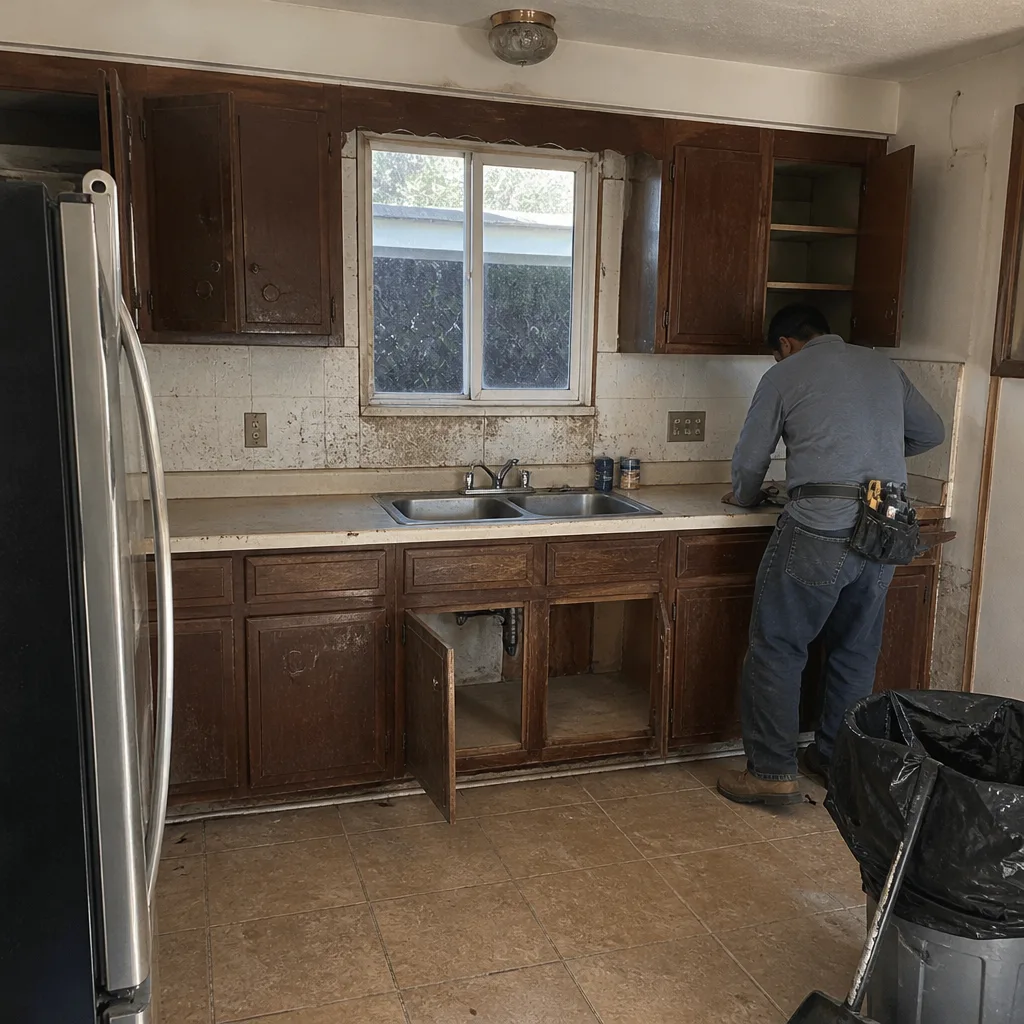
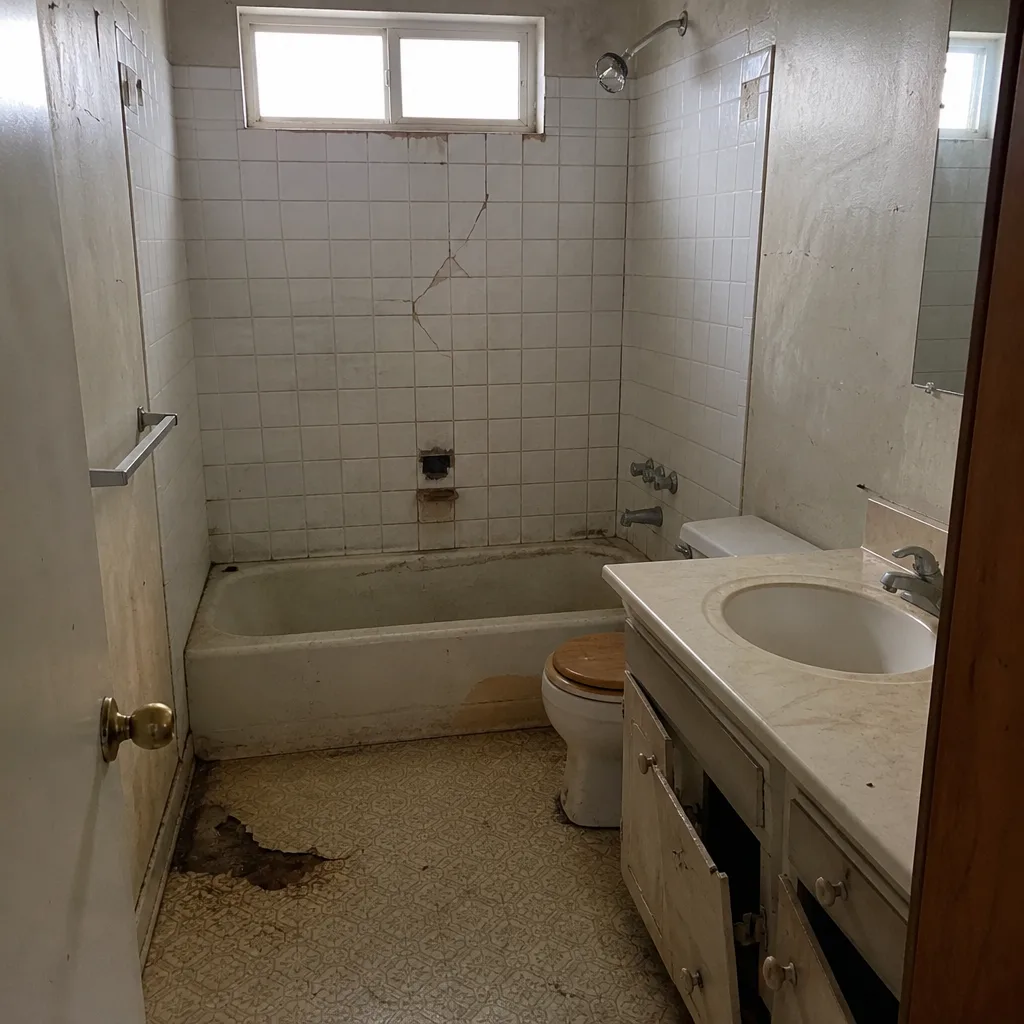
See the difference
 Before
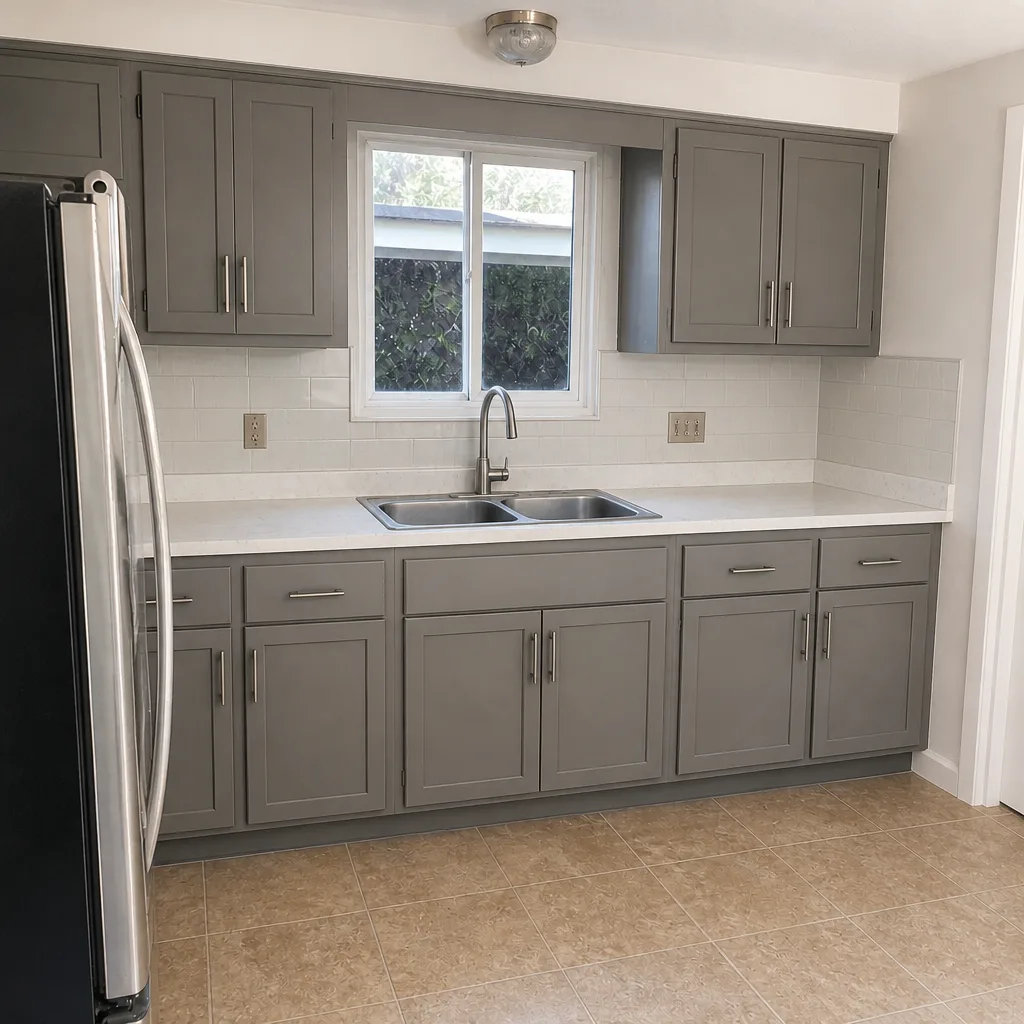 After
 Before
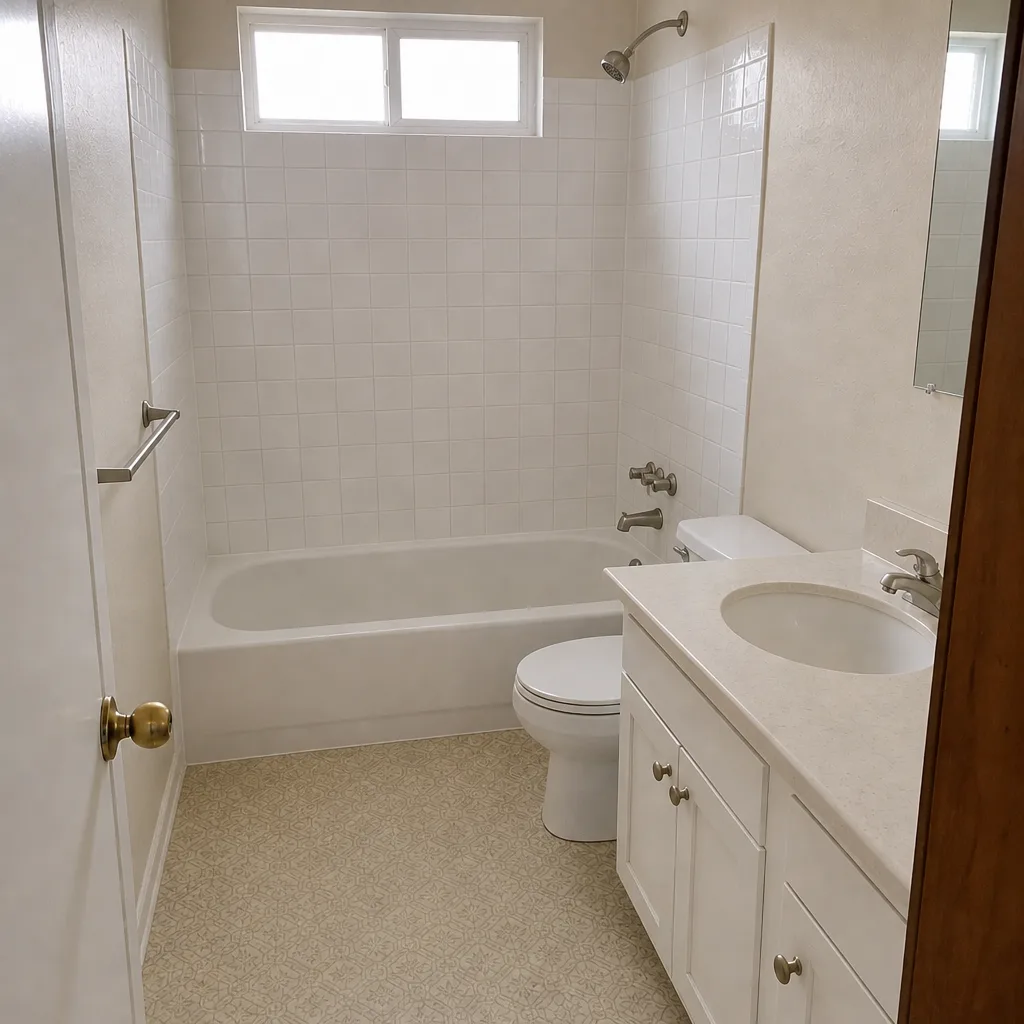 After
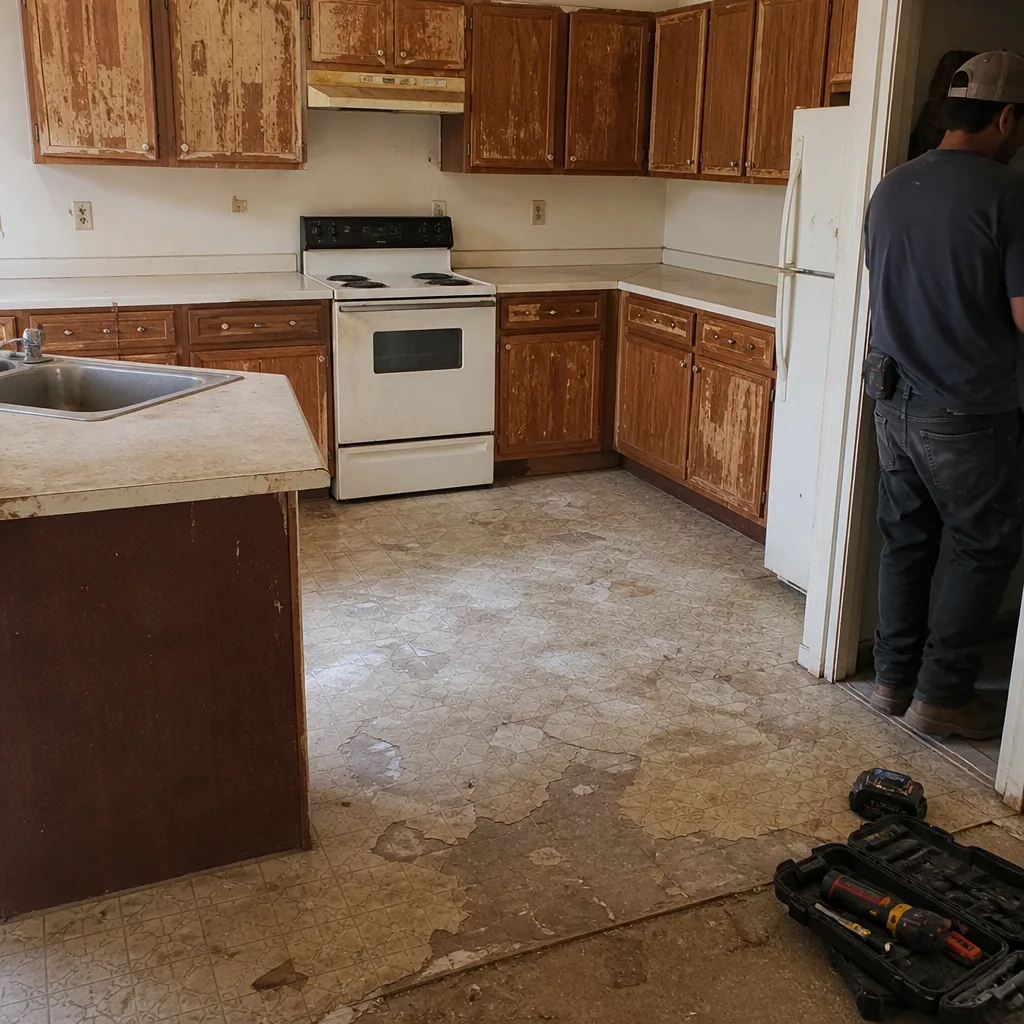 Before
 After
When to Call a Professional
Call a licensed contractor the moment water is entering the envelope, a structural member has shifted, gas or scorched wiring is present, or a crack is wider than a quarter inch. Those aren’t projects to “watch for a few days.” For anything with live water, active electricity, or visible structural movement, get a trained professional on site – the risk to a do-it-yourselfer is real, and the cost of waiting compounds by the hour. Sawyer Remodeling Whitney offers free estimates in Whitney for both emergency mitigation and the permanent repair that follows. Call (833) 570-8789 and a live person will pick up.
Frequently Asked Questions

A construction emergency in Whitney is any event that lets water or structural instability spread within 24 hours – a monsoon roof breach, a burst supply line from hard-water corrosion, a post-haboob flashing failure, or seismic stucco and block cracking. If the damage is actively growing, it’s an emergency; if it’s stable, it can wait for a scheduled repair. Call (833) 570-8789 for a free estimate on either.
Document the damage, make it safe with temporary mitigation, then call your insurer to open the claim before signing any permanent repair contract. The order matters because the adjuster’s written scope should drive the repair price. Call (833) 570-8789 to schedule a free mitigation estimate while your claim is open.
Look the contractor up on the Nevada State Contractors Board public license lookup – it shows active status, the work classification, and any complaint history in about 90 seconds. A legitimate contractor will give you the license number before you ask. Call (833) 570-8789 for a free estimate from a licensed team.
Mitigation stops the damage from spreading (tarping, boarding, water extraction, drying) and is signed fast with a line-item price; permanent repair is the full scoped fix signed after the adjuster inspects. Never sign the permanent repair under duress. Call (833) 570-8789 to get both scoped in writing, with the mitigation first.
Check within a week of any sustained high-wind event – that’s when the next monsoon can find a lifted shingle tab or a torn ridge vent. Ground-level photos won’t show micro-tears at vent boots, so a professional inspection is worth it after a major haboob. Call (833) 570-8789 for a free roof check in Whitney.
Most policies cover sudden storm, water, and seismic damage but not slow leaks or neglected maintenance – which is why documenting the discovery date and cause matters so much. Read your policy’s exclusions before the emergency, not after. Call (833) 570-8789 for a free written estimate to pair with your claim.
The Bottom Line
Whitney construction emergencies follow the same three patterns every year: dust storms chewing at roof membranes, monsoon flooding finding weak foundation drainage, and seismic events cracking stucco and block. The homeowners who come out ahead aren’t lucky – they documented before touching anything, signed mitigation not full repair under duress, checked the NSCB license before letting anyone on the roof, and had their contractor contacts, permit history, and insurance policy ready before the event. That preparation turns a five-figure disaster into a manageable repair. Start your file today, not the day the water’s coming in. Call (833) 570-8789 for a free estimate in Whitney.
Written by the team at Sawyer Remodeling Whitney.