Last updated November 17, 2026







Free written scope consultation - allowances, timeline, and change-order rules on paper before a single trade is scheduled
Construction Permits, Codes & Inspections in NV: What You Need to Know
A Whitney homeowner recently listed their house and found out at escrow that an unpermitted bathroom addition had to be disclosed to the buyer – or torn out before closing. The permit would have cost about $400 and six weeks of waiting. The fix ran $22,000. That’s the gap between what most people assume permits cost and what skipping them actually costs. This guide covers exactly what triggers a permit in Clark County, how the jurisdiction question works for a Whitney address, what inspectors actually look for, and how unpermitted work hits your insurance. It’s written for homeowners who’d rather know the rules before the drywall goes up.
Quick Answer
In Clark County, a building permit is required for almost any structural change, new electrical or plumbing circuits, additions, and remodels that touch framing, walls, or mechanical systems. Cosmetic work like paint, flooring, and cabinet swaps typically qualifies as ordinary repairs and doesn’t need one. The hard part is figuring out whether your Whitney address falls under Clark County Development Services or the City of Las Vegas – and that determines who processes your permit, how long it takes, and what inspections you’ll need.
Styles & brands we work with
- Kitchen remodeling
- Bathroom remodeling
- Home additions & ADU
- Roofing
- Windows & doors
- Driveway & pavers
- Fence
Table of Contents
- What Actually Requires a Permit in Clark County
- Clark County vs. City of Las Vegas: Which One Handles Your Whitney Address?
- Permit Timelines and How to Track Your Application Online
- What Inspectors Look For: Rough, Framing, and Final
- How Unpermitted Work Hits Your Insurance and Your Sale
- Why Southern Nevada Climate Changes the Rules
- The Permit Process, Step by Step
- What Permits and Inspections Cost in the Whitney Area
What Actually Requires a Permit in Clark County
Clark County draws a firm line between construction work that requires a permit and “ordinary repairs” that don’t. The line isn’t about dollar value as much as it is about what the work touches. A $9,000 cabinet and countertop job typically needs no permit. A $2,500 wall removal does, because it changes the structure.
Here’s the practical breakdown we use when scoping a project in Whitney:
- Permit required: Adding or removing walls, new room additions, converting a garage, moving plumbing supply or drain lines, adding electrical circuits or panels, re-roofing, window replacements that change opening size, and any work on gas lines.
- Permit usually required: Full bathroom remodels where the drain location changes, kitchen remodels that relocate a range hood vent or add a dishwasher circuit, and any structural fix to a slab or frame.
- Ordinary repairs, no permit: Paint, tile, flooring over existing subfloor, same-size fixture swaps (a new toilet in the same spot, a new sink in the same cabinet), cabinet refacing, and countertop replacement without plumbing relocation.
One detail most guides miss: Clark County evaluates permits by scope, not by contract value. A $1,800 job that adds a new electrical outlet in a wet area still needs a permit and an electrical inspection. A $40,000 cosmetic kitchen refresh with no system changes may need none. The dollar figure the county cares about is the declared valuation on the application, which sets the permit fee – not the threshold for whether you need one.
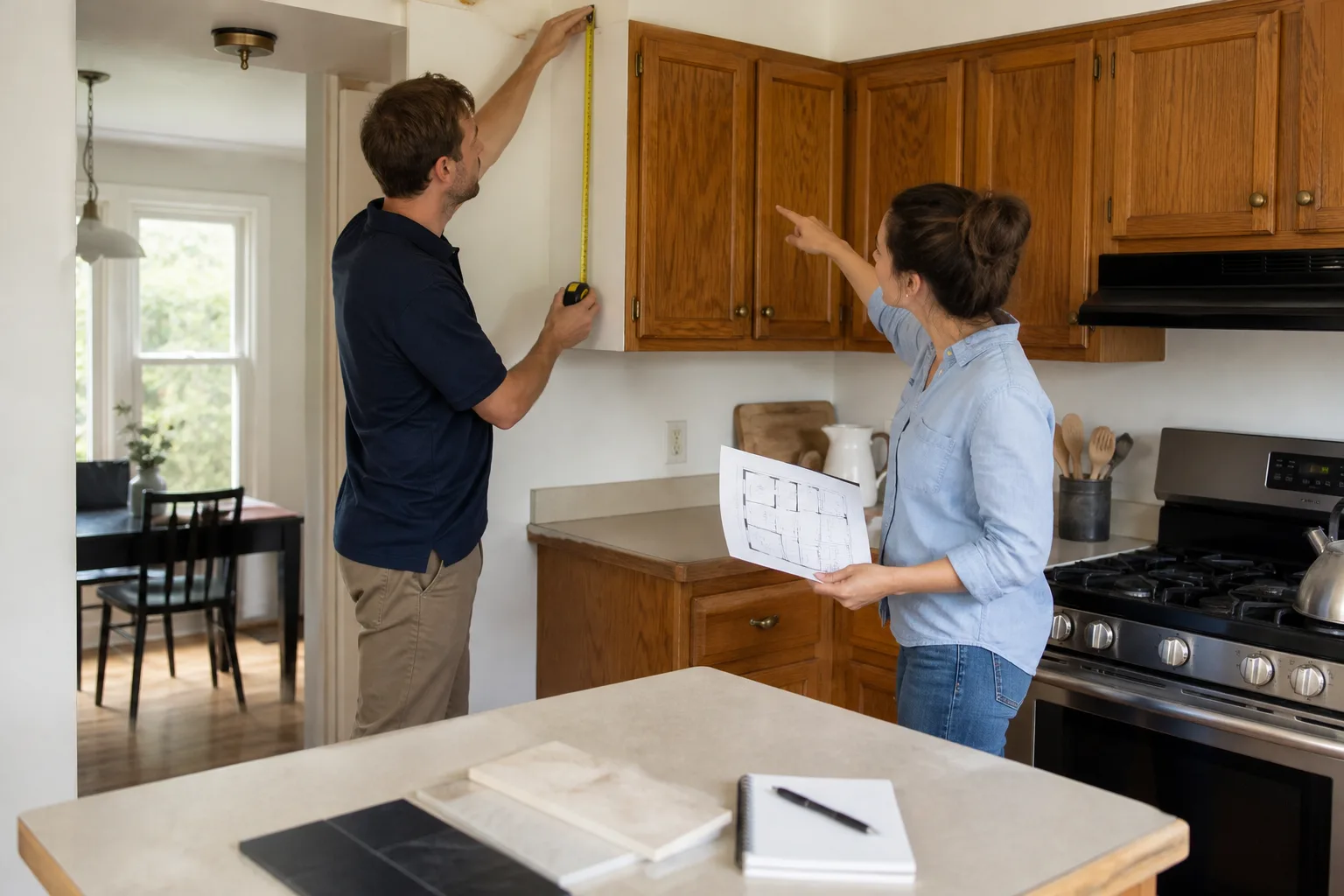
For whole-home work, the scope decision gets complicated fast. We walk through it during the estimate so nobody’s guessing after demolition. You can see how we frame that up on our General Contractor in Whitney page.
Clark County vs. City of Las Vegas: Which One Handles Your Whitney Address?
This is the single biggest source of confusion for Whitney homeowners. Whitney is an unincorporated community, which means most addresses here go through Clark County Development Services rather than the City of Las Vegas. But the boundary shifts block by block, and some parcels near the Las Vegas line get routed to the city instead. Filing with the wrong jurisdiction means weeks of delay when your application gets kicked back.
Here’s how to confirm which one owns your address, in order:
- Check your property tax bill or the county assessor’s parcel record. The taxing jurisdiction listed there usually matches the permitting authority.
- Type your address into the Clark County “Address Information” lookup on the county website. It returns the jurisdiction along with your parcel number.
- Call the county permit counter directly before you submit if the result is ambiguous. It takes five minutes and saves a rejected application.
- Confirm at the pre-application stage, not after plans are drawn. Redrawing to a different jurisdiction’s format is a real cost.
One quirk: some Whitney properties sit in a county island surrounded by city limits. The mailing address reads “Las Vegas, NV” but the parcel is county. Your mail carrier has no idea; the assessor’s record does.
We confirm jurisdiction before we pull anything, because a Whitney bathroom addition routed to the wrong office can lose three weeks before anyone catches the error. Our Bathroom Remodeling in Whitney projects go through this check on day one for exactly that reason.
Permit Timelines and How to Track Your Application Online
Clark County processing times vary by permit type, and the honest answer is “longer than you’d like.” A simple fixture or water heater permit can clear in a few business days. A bathroom remodel with plumbing relocation typically runs three to six weeks from submittal to issued permit. A room addition or structural change with plan review can run eight to twelve weeks. Timelines also stretch when the county sees a seasonal spike in applications, usually early spring.
The good news: you don’t have to call to check status. Clark County’s online permit portal lets you search by permit number, address, or contractor, and it shows each review stage with dates. Here’s how to use it:
- Locate your permit number on the application receipt email.
- Search the portal by permit number and open the detail view.
- Read the review status line – it lists each discipline (planning, building, fire, engineering) and whether it’s pending, in review, or approved.
- Check for “corrections required” flags. If the county needs more info, it posts comments there before it notifies you by email.
- Respond to corrections through the portal, not by phone. Portal responses get logged and processed faster.
If your status sits unchanged for more than ten business days, a call is worth it. Otherwise, let the portal do the work and check it twice a week. Chasing it daily doesn’t speed up review.
What Inspectors Look For: Rough, Framing, and Final
Inspections are where most unpermitted work becomes visible, and also where a well-run project moves smoothly. Each stage checks specific things, and knowing what they are helps you know whether your contractor is doing it right.
Rough inspection
Happens after framing, plumbing, electrical, and mechanical are installed but before insulation and drywall close the walls. Inspectors check that framing matches the plans, that plumbing drains have proper slope, that electrical boxes are the correct type for their location, and that all penetrations are sealed. This is the most common stage for a failed inspection. A corner cut here is nearly impossible to fix later without opening walls.
Framing inspection
On additions and structural work, framing inspection is separate. Inspectors verify anchor bolts, hold-downs, and header sizing. In Southern Nevada, they also check that the roof-to-wall connections meet wind-load requirements, which the county enforces more strictly than most homeowners realize.
Final inspection
Happens after finish work. Inspectors check that all fixtures are installed and functioning, that smoke and carbon monoxide detectors are in the required locations, that GFCI and AFCI protection is present where code requires it, and that the work matches the permitted scope. Unpermitted additions are caught easily here – if you added square footage without a permit, the inspector will see a room that doesn’t appear on the plan.
In our experience, a project passes inspections cleanly when everything is built to plan from the start. It fails when someone tries to sneak in extra outlets or a moved wall. We schedule inspections at the right stage during Kitchen Remodeling in Whitney so nobody ends up re-opening walls weeks after drywall goes up.
How Unpermitted Work Hits Your Insurance and Your Sale
This is the part almost no guide covers, and it’s where the financial risk lives. Two things break when work goes in without a permit.
Homeowners insurance. Most policies include a clause that excludes coverage for damage caused by unpermitted or non-code-compliant work. If a water heater installed without a permit leaks and damages your floors, the insurer can deny the claim on the basis that the installation wasn’t code-compliant. Same with an unpermitted electrical circuit that later causes a fire. You pay premiums for years and discover the exclusion at the worst possible moment. The insurer isn’t required to prove the unpermitted work caused the damage – the exclusion can apply simply because the work exists.
Title insurance. Title insurance protects against ownership defects, not physical ones. Unpermitted work typically doesn’t show up on a title search, which means you can buy a home with an unpermitted addition and have no recourse through title insurance when the county later flags it. The defect is invisible until the buyer’s inspector or the county finds it.
The sale problem. In Nevada, sellers must disclose known unpermitted work. If it’s disclosed, buyers negotiate down or walk. If it isn’t, that’s a legal exposure after closing. In the worst case, the county orders demolition of the unpermitted structure. That’s the $22,000 scenario at the top of this page.
Permits are cheap insurance against all of it. Paying $400 for a bathroom permit protects a five-figure project and a six-figure sale.
Why Southern Nevada Climate Changes the Rules
Building code isn’t the same everywhere, and Whitney projects hit conditions that a contractor from a wetter climate won’t anticipate. Three climate factors shape what inspectors look for here.
- Extreme heat and thermal movement. Roofs and slabs expand and contract significantly through a Whitney summer. That’s why roof-to-wall connections are inspected closely and why stucco cracks aren’t always what they look like. An inspector checking a re-roof cares about the fastening pattern for wind uplift, not just water shedding.
- Monsoon season and flash flooding. Code requires grading and drainage to route water away from the foundation. If you add a patio or room addition, the inspector checks that site drainage hasn’t been blocked. This gets missed in a lot of small remodel plans.
- Low humidity and water. Plumbing supply and drain lines are inspected for pressure and slope, but Southern Nevada’s high mineral content in the water means copper and PEX joints get scrutinized more than in soft-water regions. If you’re replacing a water heater or repiping, expect the inspector to look closely at the fittings.
The climate angle matters when you’re deciding whether a small change needs a permit at all. A drainage change in the back yard, even scaled down, still touches the grading requirements. If you’re unsure, ask before you dig.
The Permit Process, Step by Step
Here’s the sequence, from a homeowner’s view. Every project follows this order.
- Confirm your jurisdiction using the tools above. Don’t skip this.
- Have plans drawn if the scope calls for it. Additions, structural changes, and full remodels need drawings; small fixture swaps often don’t.
- Submit the application through the county or city online portal, along with plans and the declared project valuation.
- Wait for review. Track status through the portal. Respond to corrections through the portal, not by phone.
- Pay the permit fee once the application is approved and the permit is issued.
- Post the permit card on-site where it’s visible to the inspector.
- Schedule inspections in the correct order: rough first, then framing and any other stage-specific inspections, then final.
- Get the final sign-off, and keep the record. It’s your proof of compliance for insurance, resale, and future permits.
The total elapsed time varies. A simple job can wrap in a few weeks; a large addition can run three months from submittal to final sign-off. A contractor who tells you permits will only take a week on a structural change is either misinformed or cutting corners.
For whole-home renovation, the permit scope and sequencing get planned carefully before work starts. We outline that approach on our Sawyer Remodeling Whitney home page.
What Permits and Inspections Cost in the Whitney Area
Permit fees are set by valuation and permit type, not by contractor. Here are the ranges homeowners typically see:
- Bathroom remodel permit (plumbing relocation): $300 – $700
- Kitchen remodel permit (electrical and plumbing changes): $400 – $900
- Water heater replacement permit: $100 – $250
- Re-roof permit: $250 – $600
- Room addition or structural change: $1,200 – $4,000+, depending on square footage and valuation
- Re-inspection fee (after a failed inspection): $75 – $150 per visit
Those are county fees, not the contractor’s charge for pulling them. A contractor who includes permit handling in the project price should list the permit fee as a line item in a written estimate – not a line that says “permits, as needed.” Our written price before work starts includes the permit fee as a named line so you’re never surprised by it later.
None of these costs approach the price of remediation. Removing a finished unpermitted addition, getting the county to re-inspect, and redoing the work properly runs ten to fifty times the original permit cost.
Common Mistakes to Avoid
- Assuming the mailing address tells you the jurisdiction. A property with a “Las Vegas, NV” mailing address can still be a county parcel. Check the assessor’s record, not the mailbox.
- Treating “small” as “no permit.” A new outlet in a wet area needs a permit regardless of dollar value. Scope drives the requirement, not price.
- Submitting before confirming which office processes the application. Filing with the wrong jurisdiction loses weeks before anyone catches the error.
- Missing the inspection scheduling window. If your contractor doesn’t schedule rough inspection before the drywall crew arrives, the crew gets sent home and you pay the remobilization cost.
- Not keeping the final inspection record. Sell the house in five years and you’ll need the paperwork. Keep it with your closing documents.
- Ignoring the drainage and grading angle on additions or patio work. Southern Nevada drainage inspections catch this. Plan for it up front.
- Letting a contractor talk you out of a permit to “save time.” The time saved is a fraction of the time spent unwinding it at resale.
See the difference
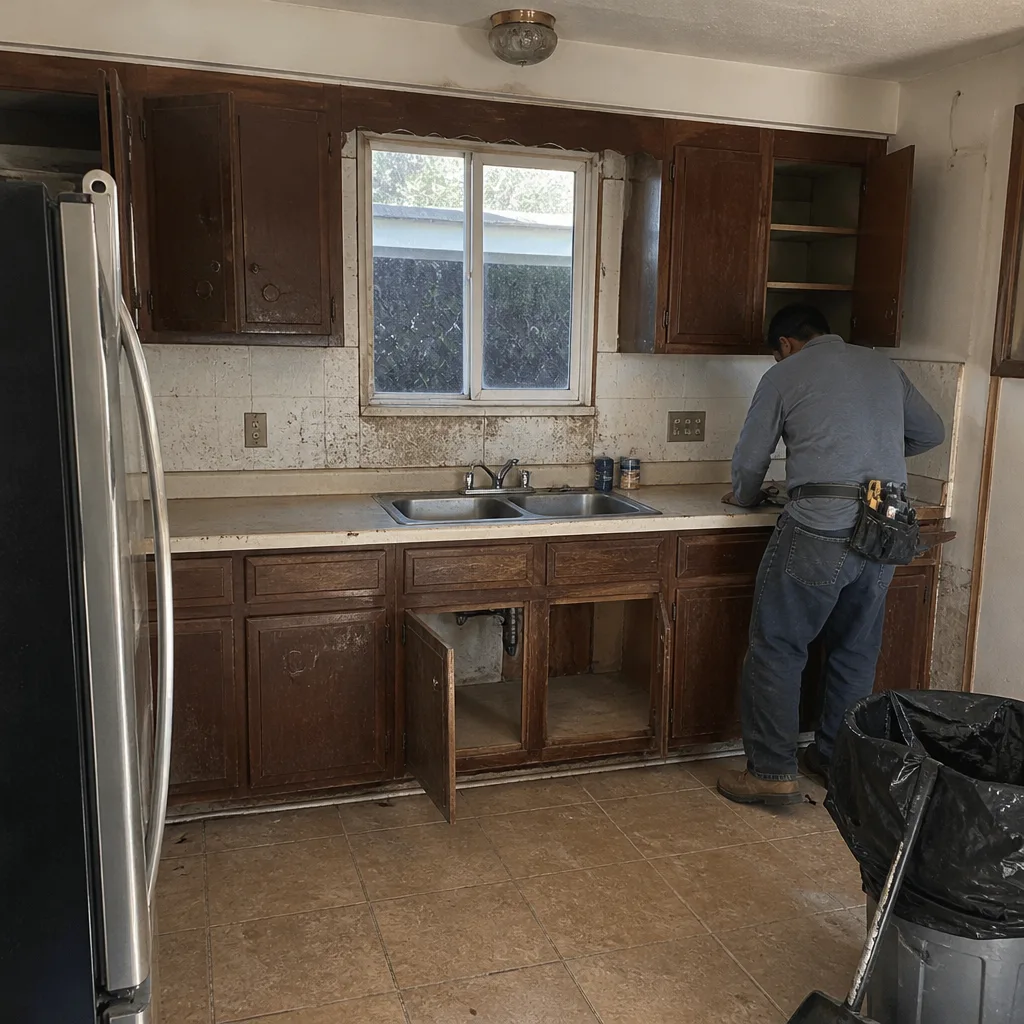 Before
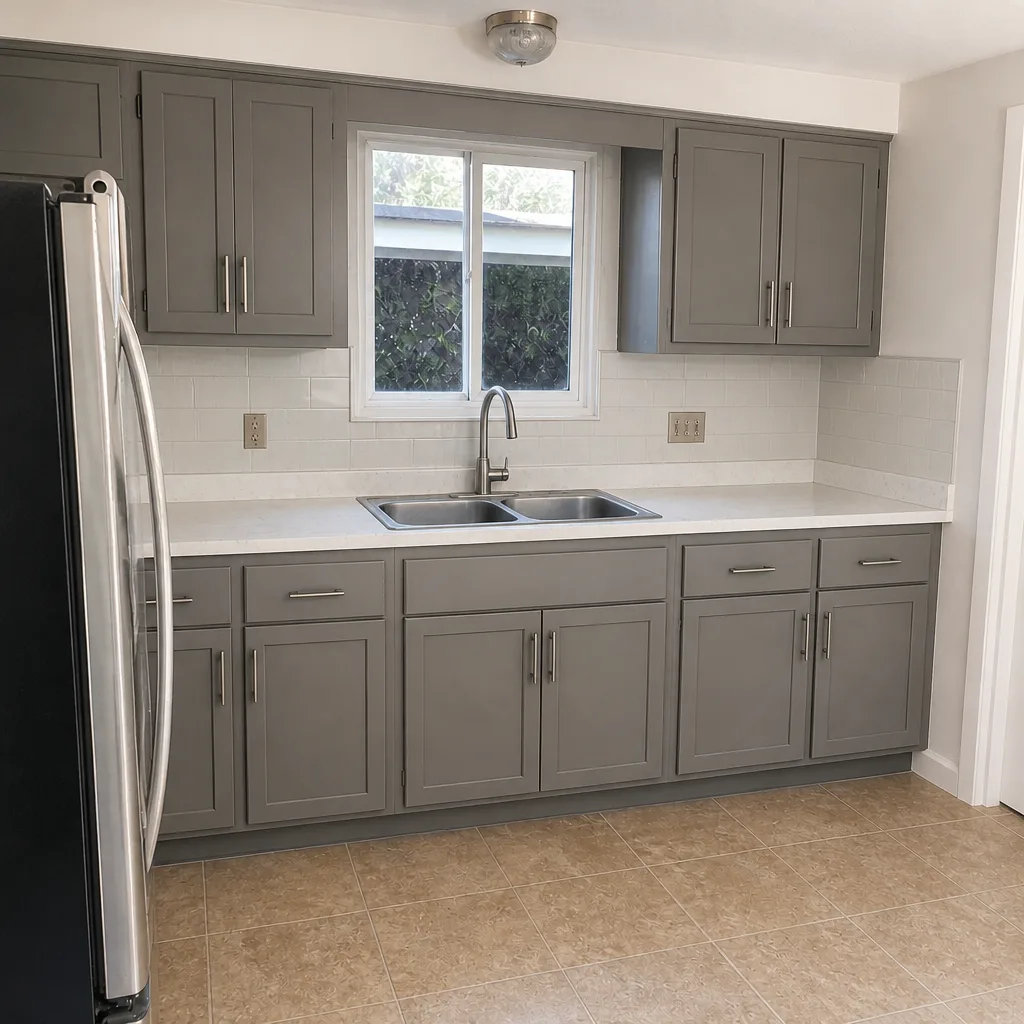 After
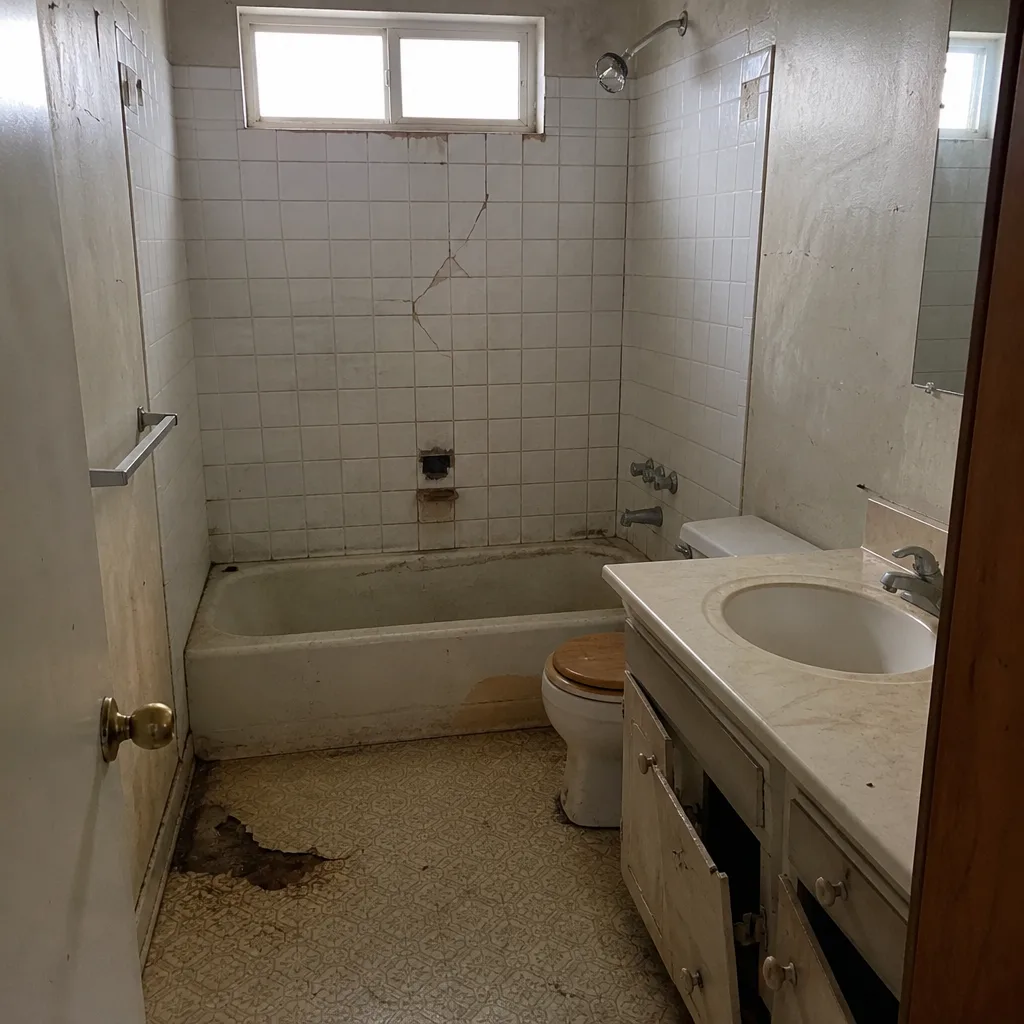 Before
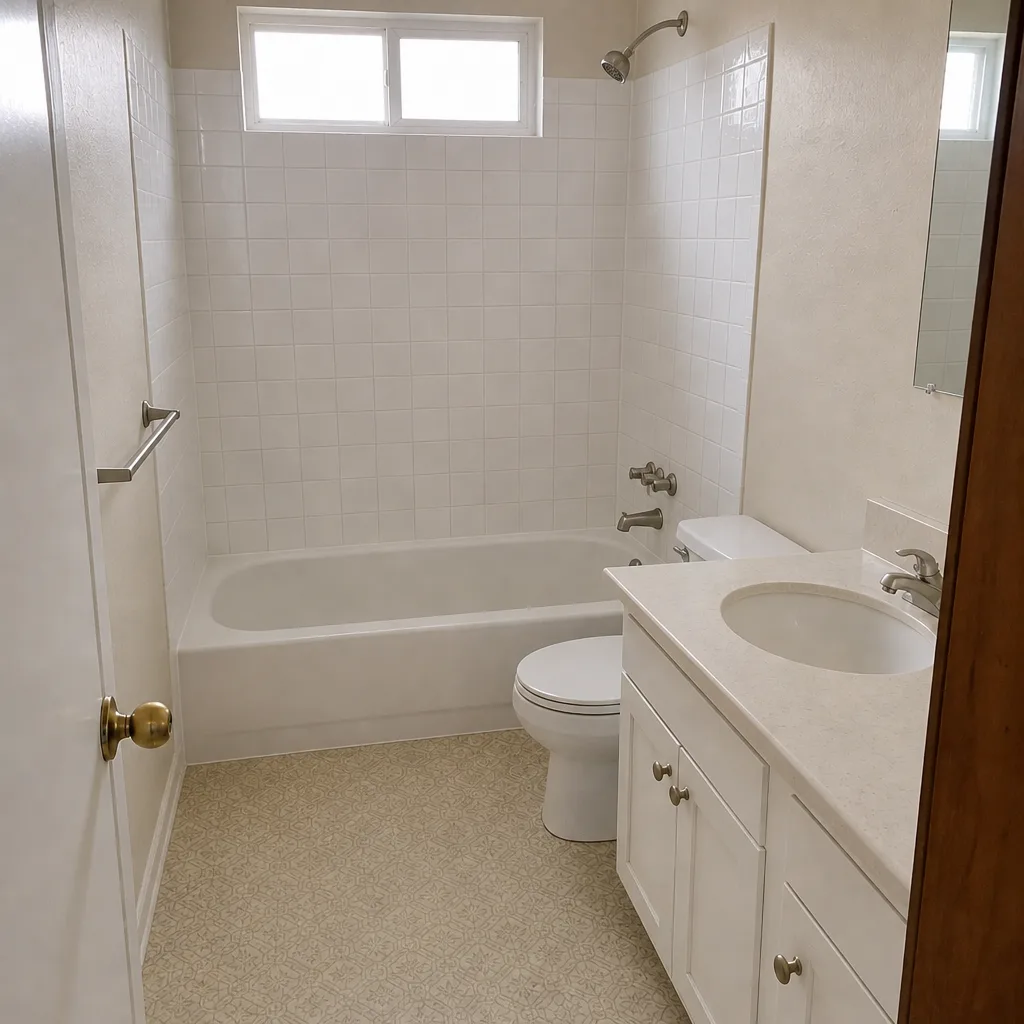 After
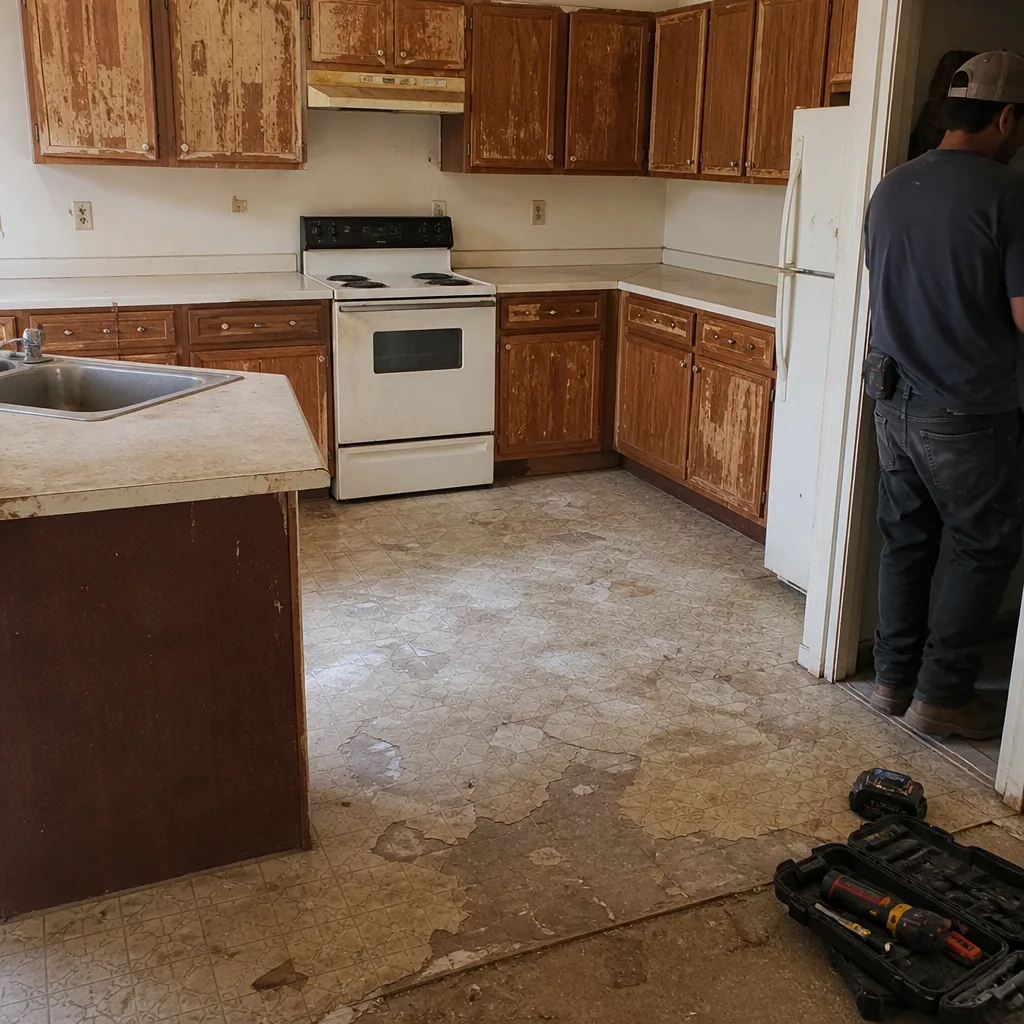 Before
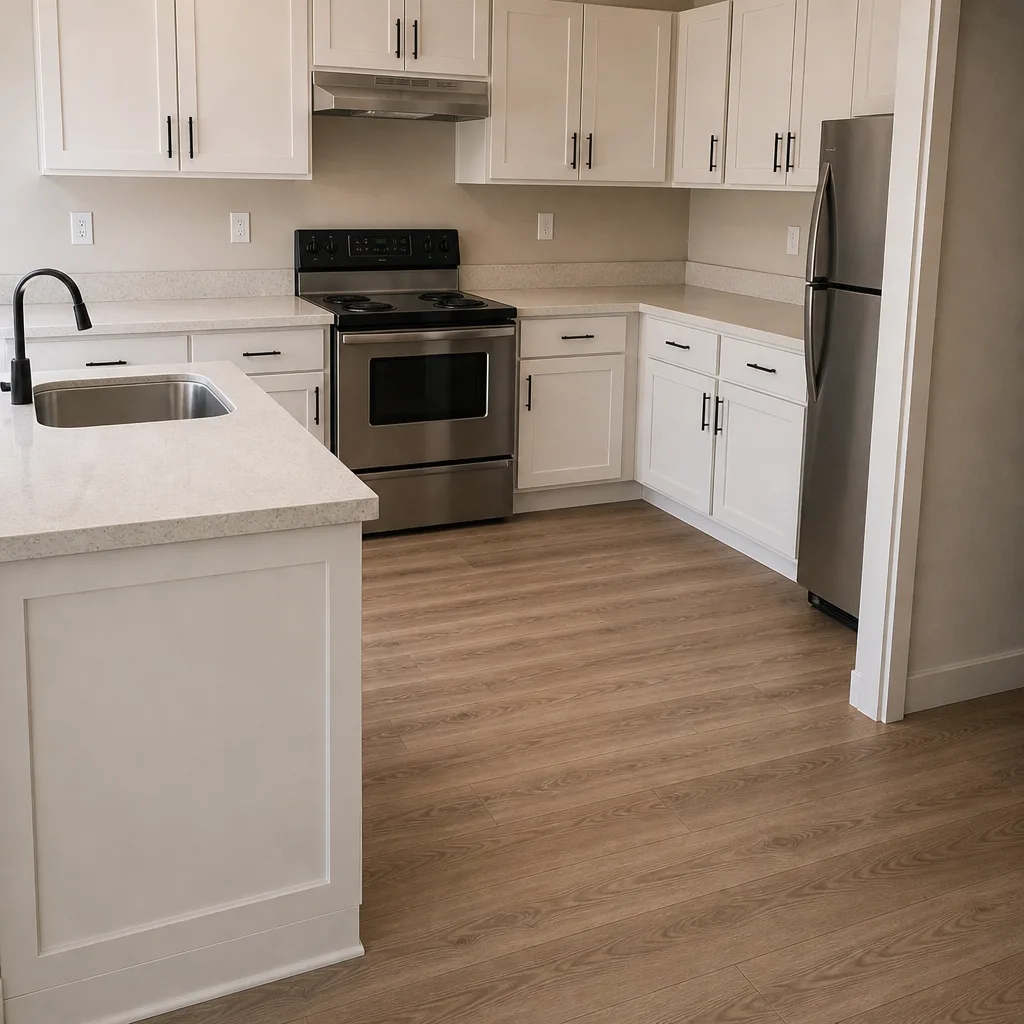 After
When to Call a Professional
Some permit questions are answerable on your own, especially cosmetic scope. The moment a project touches structure, plumbing, electrical, mechanical systems, or the building envelope, it’s worth having a licensed contractor review the scope before you submit anything or sign with a subcontractor. We see most of the costly mistakes happen when a homeowner signs with an unlicensed handyman to skip the permit step – and discovers the problem two years later when they try to sell. For whole-home work, additions, or anything that requires drawings and a plan review, get a professional in the room from day one. Sawyer Remodeling Whitney offers free estimates in Whitney – call (833) 570-8789, and we’ll walk through the permit scope with you before a single tool gets picked up.
Frequently Asked Questions

If the drain or supply lines move, or if you’re adding electrical, the answer is yes. A cosmetic bathroom refresh that swaps fixtures in their existing locations and doesn’t touch plumbing or wiring typically qualifies as ordinary repair and doesn’t require one. For a full Whitney bathroom remodel with layout changes, expect a permit and inspections at rough and final stages. Call (833) 570-8789 for a free estimate – we’ll confirm the scope before anything is filed.
In the worst case, remediation runs ten to fifty times the original permit cost, because it involves demolition, re-inspection, and rebuilding to code. The bathroom addition scenario at the top of this page is a real example: $400 permit skipped, $22,000 to correct. Call (833) 570-8789 for an exact quote on permit scope – estimates are free.
Most Whitney addresses fall under Clark County Development Services because Whitney is unincorporated, but some parcels near the city line are processed by the City of Las Vegas. Confirm with the assessor’s record or the county address lookup before submitting. Filing with the wrong office loses weeks.
A simple fixture permit can clear in days. A bathroom remodel with plumbing relocation typically runs three to six weeks. An addition or structural change with plan review runs eight to twelve weeks. You can track progress through the county online portal without calling – check it twice a week and respond to corrections through the portal.
Not on our projects. We give you a written price before any work starts, and the permit fee is a named line item, not a “permits, as needed” placeholder. If a scope change is needed once walls open up, you’ll see the change in writing before we proceed. It’s part of The Relay Visibility Guarantee. Call (833) 570-8789 for a free estimate.
Yes. Most homeowner policies include an exclusion for damage caused by unpermitted or non-code-compliant work. If an unpermitted water heater leaks or an unpermitted circuit causes a fire, the insurer can deny the claim without having to prove the unpermitted work caused the issue. The exclusion applies because the work exists.
The Bottom Line
Permits in Clark County are not bureaucracy for its own sake – they’re the paperwork that protects your investment, your insurance claim, and your resale. Confirm your jurisdiction before you file. Know what triggers a permit and what qualifies as a repair. Track your application through the county portal instead of chasing it by phone. Schedule inspections at the right stages, and keep the final sign-off with your closing documents. The cost of a permit is a rounding error next to the cost of remediation. If you’re planning a project in Whitney and want the permit scope confirmed before you commit, call Sawyer Remodeling Whitney at (833) 570-8789 for a free estimate.
Written by the team at Sawyer Remodeling Whitney.