Last updated November 17, 2026






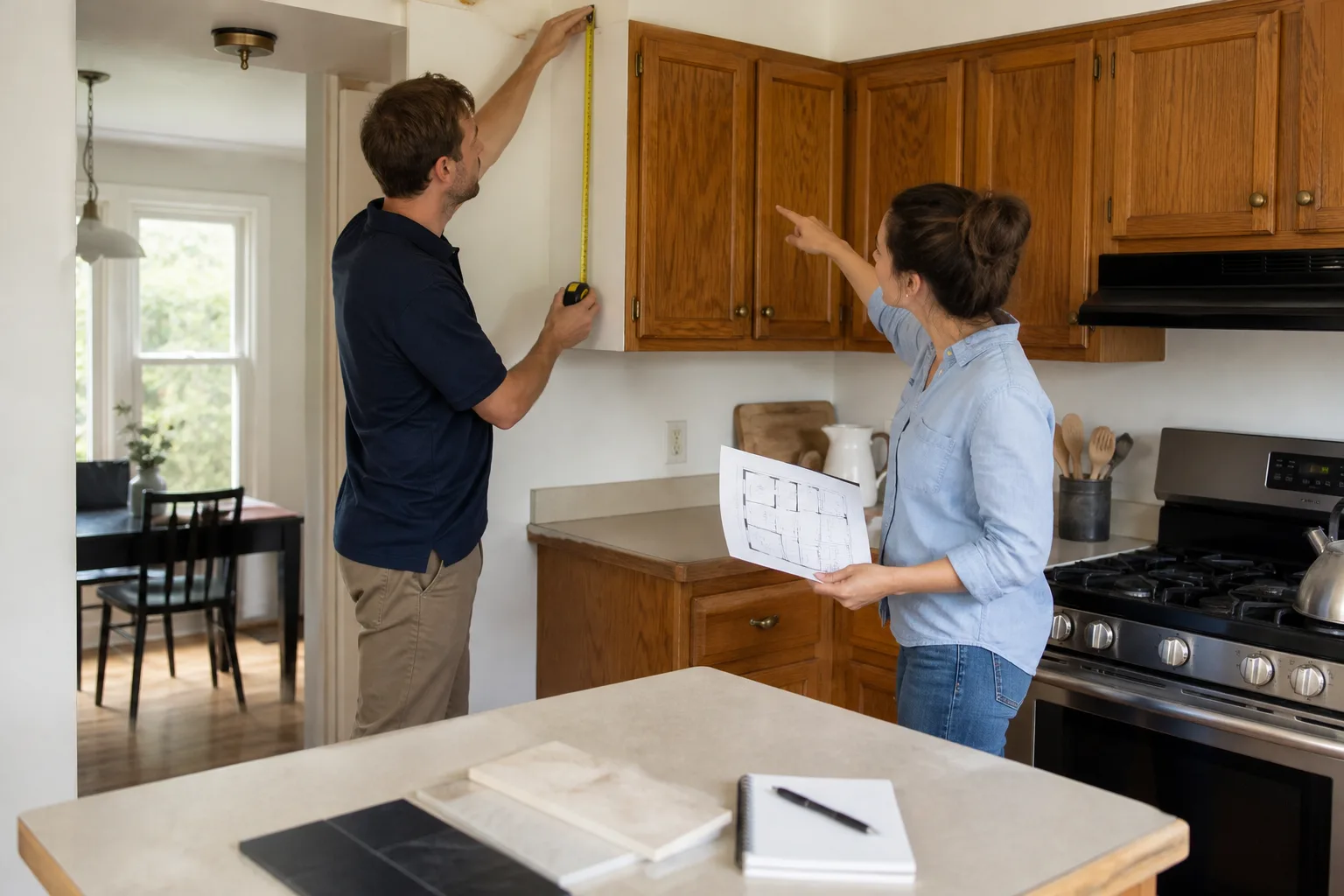
Free written scope consultation - allowances, timeline, and change-order rules on paper before a single trade is scheduled
How to Hire a Construction Contractor in Whitney: A Step-by-Step Guide
Nevada’s contractor licensing board logged over 1,200 complaints last year. The most common weren’t about bad tile work or crooked cabinets – they were about surprise costs and contractors who went silent mid-project. That pattern tells you something most hiring guides miss: homeowners in Whitney are getting pretty good at vetting credentials, but almost nobody vets communication. A contractor who can’t tell you when they’ll arrive or what the final invoice will say will cost you more than one who simply charges higher rates upfront. This guide walks through license verification, contract clauses, quote red flags, and how to compare bids that don’t line up – so you can hire in Whitney with your eyes open.
Quick Answer
To hire a construction contractor in Whitney, verify their Nevada license on the NSCB website first, then ask three questions before signing anything: when will you arrive, how will you tell me about cost changes, and what’s the exact scope in writing. A contractor who answers all three clearly and puts the price in writing before work starts is the one to hire. Credentials get you in the door – communication gets your project done without a shock at the invoice.
Styles & brands we work with
- Kitchen remodeling
- Bathroom remodeling
- Home additions & ADU
- Roofing
- Windows & doors
- Driveway & pavers
- Fence
Table of Contents
- Step 1: Verify the License in Under Two Minutes
- Step 2: The Three Contract Clauses That Protect Your Money
- Step 3: Ask About Communication Before You Sign
- Step 4: Read the Quote for Low-Ball Red Flags
- Step 5: Compare Bids That Aren’t Apples-to-Apples
- Step 6: Nail Down the Timeline and Payment Schedule
- Common Mistakes to Avoid
- Frequently Asked Questions
Step 1: Verify the Nevada Contractor License in Under Two Minutes
Start at the Nevada State Contractors Board website. Every licensed contractor in Whitney and across Nevada shows up there with a license number, expiration date, classifications, and any disciplinary history. Type the license number into the search, read the results, and you’ve done in two minutes what most homeowners in Whitney never do at all.
Here’s what the classifications actually mean, because this is where people get tripped up. A Class A license covers general engineering – roads, utilities, large structural work. A Class B license covers general building – most residential construction and remodeling, which is what a typical Whitney project needs. A Class C license is specialty: electrical (C-2), plumbing (C-1), roofing (C-14), and so on. If you’re remodeling a bathroom and the contractor shows a Class C plumbing license but plans to do framing and tile, they’re working outside their classification. That’s a problem before they’ve picked up a tool.
Two more things to check on the same page:
- Expiration date. A license that lapses mid-project leaves you unprotected. Confirm it’s current.
- Complaint history. Read the details, not just the number. A single resolved complaint reads differently than a string of unresolved ones.
- Qualifying person. The NSCB lists who holds the license for the business. Ask whether that person will be the one on your job site.
A general contractor in Whitney who does whole-home renovation will typically hold a Class B license. The General Contractor in Whitney page describes how the full scope of trades gets coordinated under one license, which is what most homeowners want for a larger project.
Step 2: The Three Contract Clauses That Protect Whitney Homeowners From Invoice Surprises
The surprise invoice doesn’t appear out of nowhere. It’s built into a contract that never specified these three things. Read for them before you sign anything.
1. Written scope of work. This is a line-item description of every task: demolition, rough-in, substrate, tile, trim, paint, cleanup. The word “line-item” matters. A lump-sum line that says “bathroom remodel – $14,000” tells you nothing about what’s included and what triggers a change order. A written scope that lists “remove existing tub surround, install Schluter waterproofing membrane, hang KraftMaid vanity” tells you exactly what you’re paying for and exactly what counts as an extra.
2. Change-order authorization. The contract needs to say that no additional cost happens without your signed approval first. That sounds obvious, but a change-order clause that’s missing or vague is how a $500 fix becomes a $2,800 invoice line. Ask the contractor to read it back to you.
3. Payment milestone schedule. Never pay a large lump sum upfront. A standard schedule ties payments to completed phases – a deposit, then payments at rough-in, drywall, and final inspection. Every phase completed means a check. That keeps the project moving and keeps you protected if the contractor goes quiet.
If you’re doing a bathroom remodel in Whitney, ask the contractor to walk you through these clauses on their standard contract before you sign. The Bathroom Remodeling in Whitney page lays out how a scope-first contract reads in practice.
Step 3: Ask About Communication Before You Sign
Here’s the question almost nobody asks, and it’s the one that separates a smooth project from three months of wondering where your contractor went: how will you tell me when you’re arriving, when something slips, and when the price changes?
Ask it directly and listen to the answer. A contractor who says “I’ll call you” hasn’t answered the question. A contractor who says “You’ll get a text with a live arrival time the morning of, photo updates before and after each phase, and a written number before any scope change” has given you a system you can hold them to. In Whitney, where heat waves in July slow exterior work and a sudden cold snap in January can affect curing schedules, delays happen – the difference is whether you hear about them from your contractor or from your neighbors.
Three specific things to ask about:
- Arrival notification. Do you get a live arrival time the morning of, or a four-hour window?
- Delay notification. Who tells you when something shifts, and how soon?
- Cost change notification. When something surfaces mid-project – rot under a tub, a framing issue behind the drywall – how and when do you get a written number before work continues?
Communication protocols aren’t a luxury feature. They’re the difference between knowing where your money is going and finding out at the end. Ask to see the process, not just hear about it.
Step 4: Read the Quote for Low-Ball Red Flags
A low quote isn’t automatically a good quote. Some of the most expensive projects in Whitney started with the lowest bid in the inbox. Here’s what predicts a low-ball-then-inflate pattern:
- No line items, just a number. A quote that lists one total with nothing broken out leaves the door open to invented line items later.
- Suspiciously fast turnaround. A quote in 24 hours with no site visit means nobody actually looked at your space. The surprises will come out during demo, and they’ll be your problem.
- “Permit included” without specifics. Ask who pulls the permit and whether the fee is in the quote. If it’s not, budget for a surprise.
- Substantially under the other bids. If two quotes land in a similar range and one is 30% lower, ask what’s excluded. The answer is usually “a lot.”
- Pressure to sign before you’ve read it. Any urgency tactic on planned construction work should make you walk. Good remodeling doesn’t run on countdowns.
Line-item pricing with named materials – KraftMaid or Wellborn cabinetry, Cambria or Silestone surfaces – is easier to compare bid-for-bid and harder to pad later. The Kitchen Remodeling in Whitney page shows how a named-materials quote with line items reads.
Step 5: Compare Bids That Aren’t Apples-to-Apples
Three quotes arrive and none of them look alike. One lists “tile” and one lists “porcelain tile, 24×48, Schluter waterproofing.” One includes haul-away and one doesn’t. Comparing the bottom-line numbers is meaningless until you normalize the scope. Here’s a framework:
- Build a scope checklist with every task from all three quotes combined: demo, framing, rough plumbing, rough electrical, waterproofing, tile, cabinetry, countertops, paint, trim, cleanup, permit, haul-away.
- Check each bid against the list. Mark what’s included, what’s excluded, and what’s vague.
- Add a realistic number to every “excluded” using the highest quote for that item across all three bids. Now you’re comparing total-project numbers, not deposit numbers.
- Look at the delta, not the total. If bid A is $2,000 higher than bid B but bid B’s exclusions cost $3,500 once you add them up, bid A is the cheaper project.
This is why the quote you can’t easily compare is a problem in itself. A contractor who puts a written, line-item price in your hands before work starts is giving you the framework you need to compare honestly. That’s the standard we hold ourselves to on every project.
Step 6: Nail Down the Timeline and Payment Schedule
Timeline promises are easy to make and easy to break. What you want isn’t a promise – it’s a schedule with milestones you can check against payments. Ask for a phase-by-phase timeline in writing: demolition week, rough-in week, inspection, tile, cabinetry, final walkthrough. Then ask what happens when a phase slips and how you’ll be notified.
The payment schedule should track the timeline. A four-phase project with three payment points, each tied to a completed and inspected phase, keeps the schedule honest. You’re paying for finished work, not for promises.
Two Whitney-specific timeline factors worth asking about:
- Permit timelines. Certain remodeling work in the Whitney and unincorporated Clark County area requires permits and inspections. Ask how long a typical permit takes and whether that’s built into the schedule.
- Seasonal swing. Summer heat in Whitney can compress working hours on exterior tasks; winter cold snaps can affect curing and painting. A contractor who plans around those isn’t guessing.
How to Verify a Contractor’s Insurance and Bonding
License verification is step one; insurance and bonding is step two. Ask each contractor for a certificate of insurance that names you and your project address, and confirm the bond is current. A licensed contractor in Whitney should carry both general liability insurance and workers’ compensation coverage for anyone who steps onto your property. If a worker gets hurt on your job and the contractor isn’t insured, the liability can find its way to you.
Don’t accept a verbal “yes, we’re insured.” Request the certificate directly from the contractor’s insurance carrier, not from the contractor. It takes a phone call and it’s the difference between a licensed, protected project and one that’s exposed.
Common Mistakes to Avoid
- Hiring on price alone. The cheapest bid usually isn’t the cheapest project. It’s the bid with the most left out.
- Skipping the license check. Two minutes on the NSCB site would have stopped half the disaster stories you hear about in Whitney. Do the search.
- Signing a lump-sum contract with no line items. You can’t protect against surprises you couldn’t see coming in the scope.
- Paying a large deposit without milestone terms. A deposit with no schedule means your money leaves before the work does.
- Never asking the arrival notification question. “I’ll call you” is not a communication protocol. Ask what happens when they’re late or when the scope changes.
- Comparing three quotes as if they cover the same work. Normalize scope first or the comparison is fiction.
- Not confirming permits before you sign. Ask who pulls the permit, what it costs, and who’s responsible for the final inspection – get it in writing.
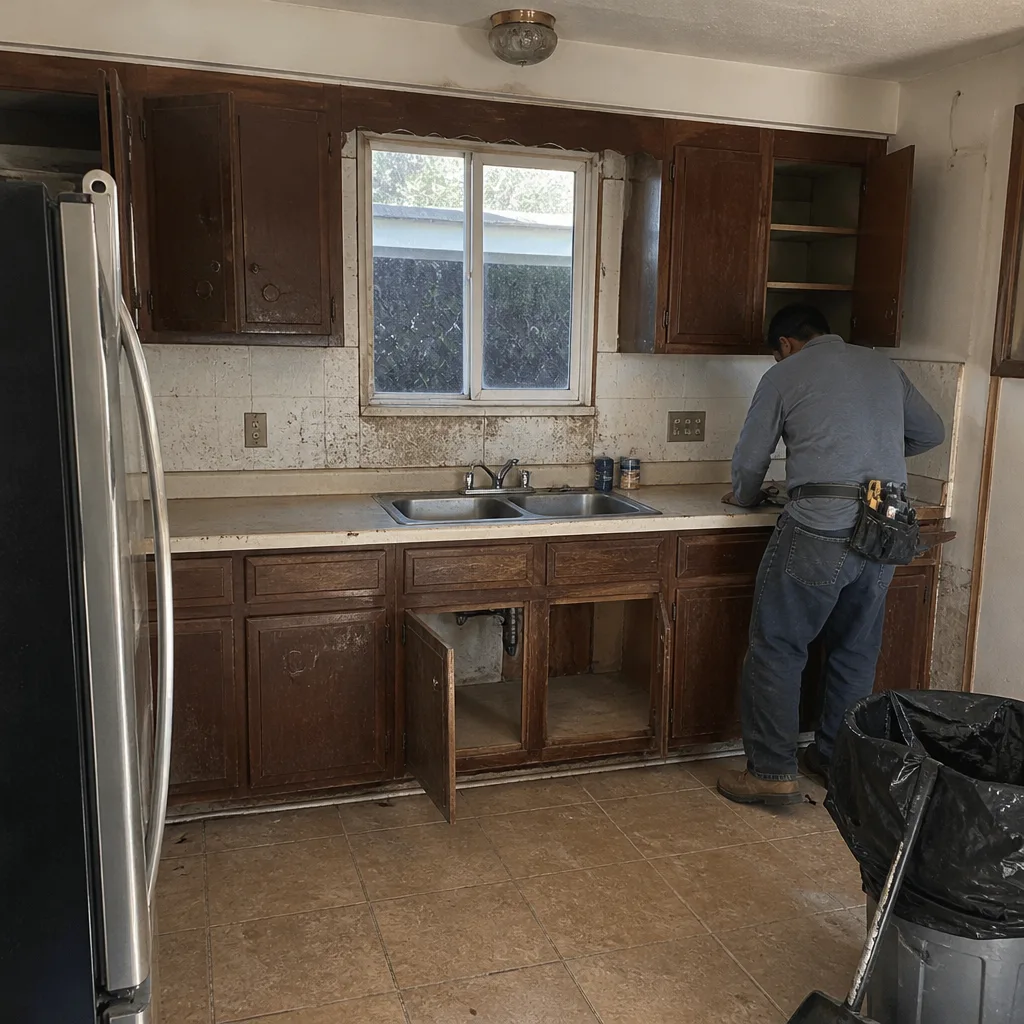
See the difference
 Before
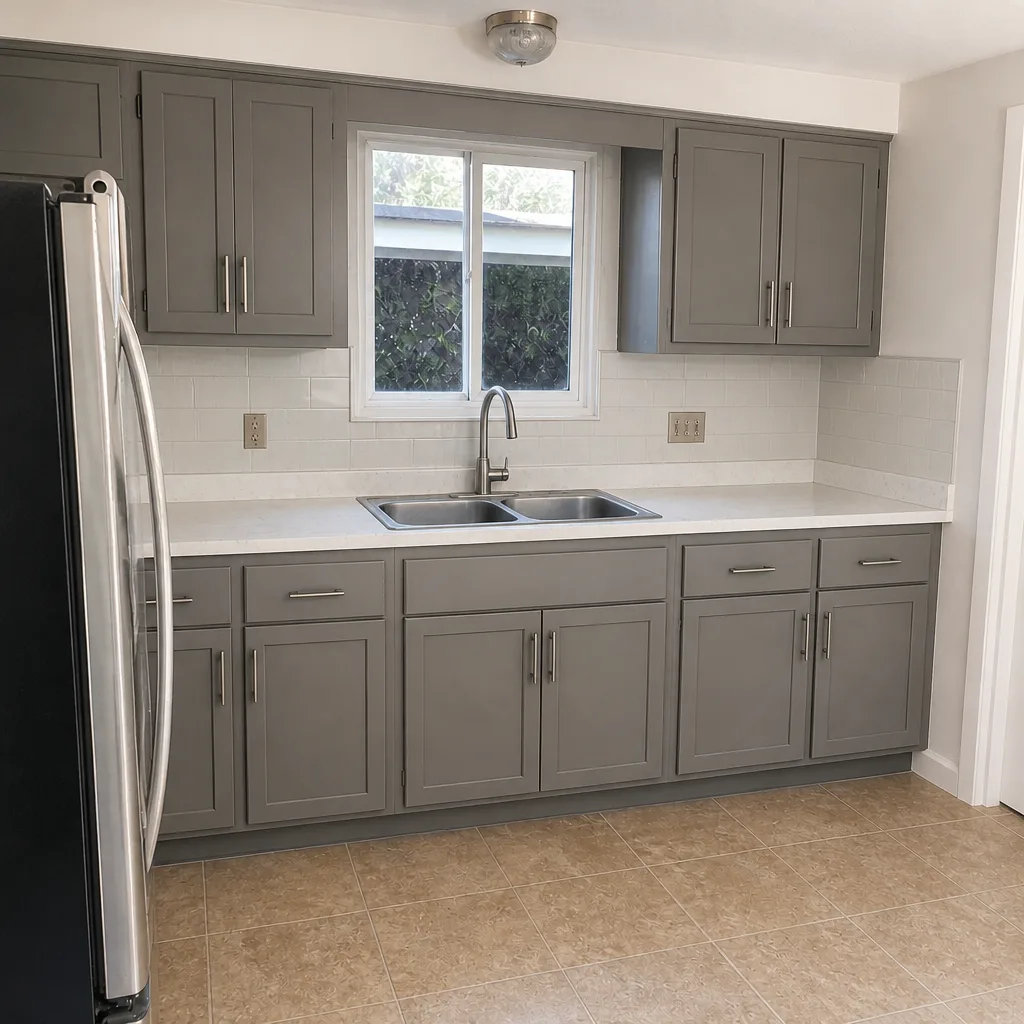 After
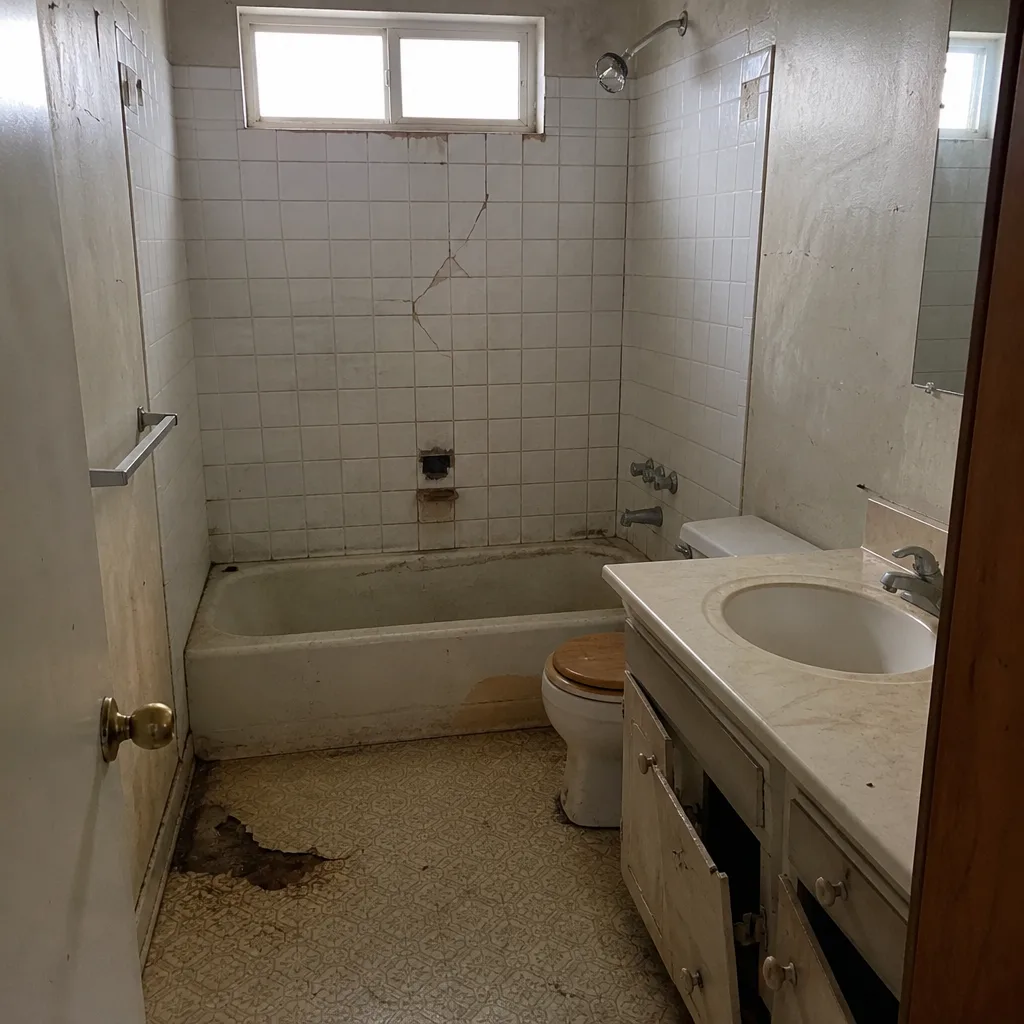 Before
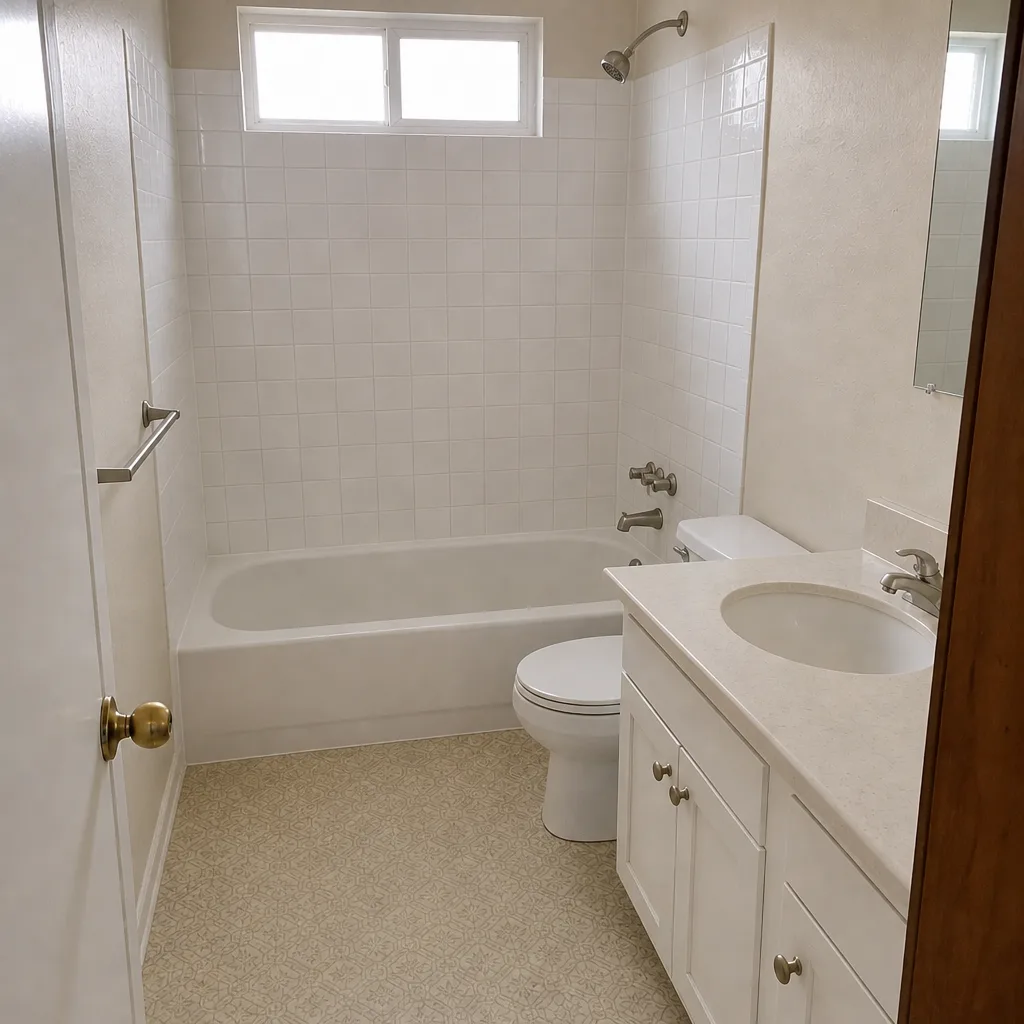 After
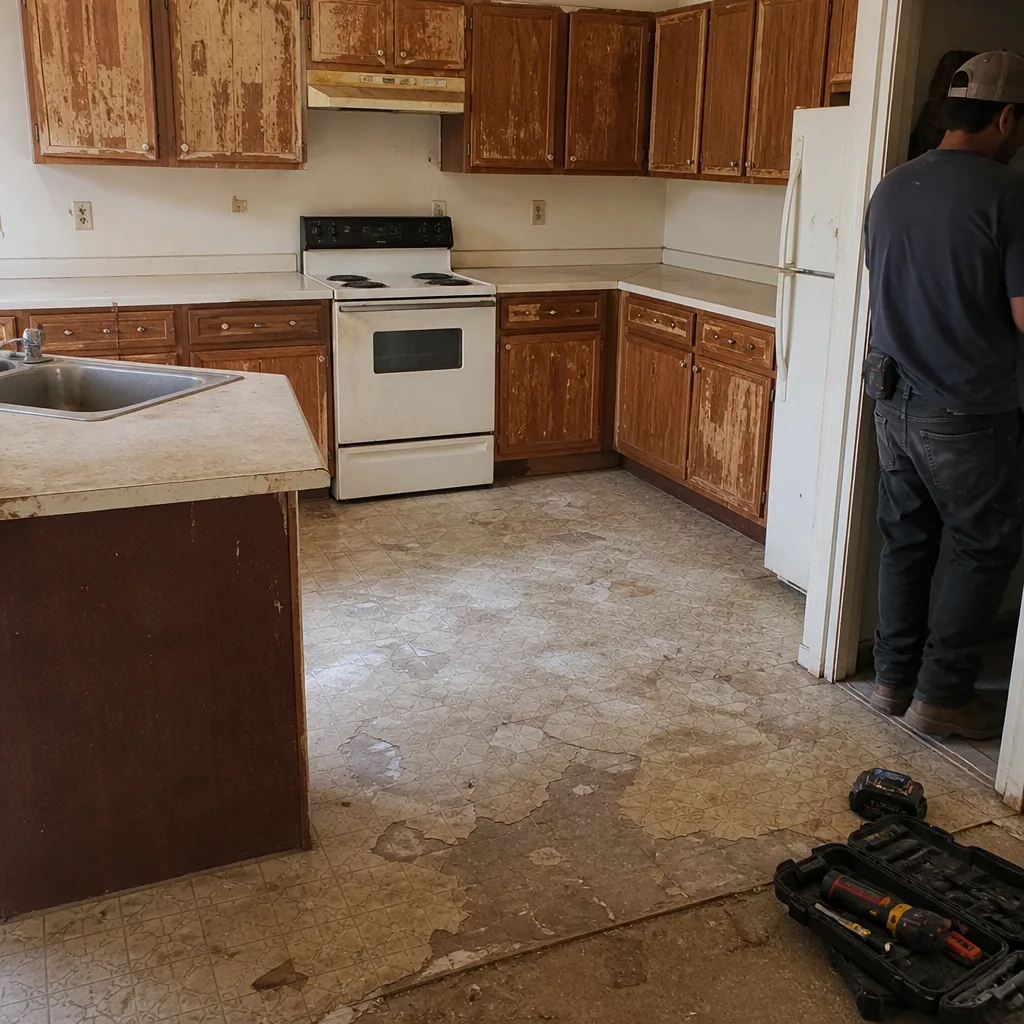 Before
 After
When to Call a Professional
Some jobs are fine for a Saturday with a truck and a friend: replacing an outlet cover, patching drywall, swapping a vanity faucet. Others need a licensed tradesperson every time: anything involving your electrical panel, gas lines, structural framing, or the waterproofing membrane behind your shower tile. In Whitney, our experience says the expensive-but-preventable repairs we see most are the ones behind the tile – a waterproofing layer that was never installed, or framing that was covered up before it was checked. Once a shower is finished and waterproofed incorrectly, the fix usually runs into the thousands. Call a professional for anything structural, gas, electrical, or behind a wall. Sawyer Remodeling Whitney offers free estimates in Whitney – call (833) 570-8789 to schedule one.
Frequently Asked Questions

Go to the Nevada State Contractors Board website, enter the contractor’s license number, and read the results. You’ll see the license classification (Class B for general building is what most Whitney remodeling projects need), expiration date, and complaint history. It takes under two minutes and it’s the single most useful check you can do. If the license is expired or the classification doesn’t cover your project type, walk away.
A written line-item scope of work, a change-order clause requiring your signed approval before any additional cost, and a payment schedule tied to completed milestones. Each of those three clauses closes one path to a surprise invoice. Ask the contractor to walk you through each one before you sign, and call (833) 570-8789 for an example of what a written scope looks like – estimates are free.
A full bathroom remodel in the Whitney area typically runs $17,000 to $34,000 depending on the size, fixture selection, and whether plumbing or framing needs to be moved. A walk-in shower replacement with new tile and waterproofing often lands in the $8,000 to $14,000 range. The number moves fast based on material choice – a KraftMaid or Wellborn vanity versus stock cabinetry, or Cambria versus a basic quartz. Call (833) 570-8789 for an exact line-item quote – estimates are free.
Because the low quote was never a price – it was a deposit. Contractors who quote low-then-inflate usually leave scope out of the original bid and add it back as “discovered” costs during the project. The defense is the line-item scope and change-order clause in the contract. A contractor whose quote is written and complete has nowhere to inflate to. Call (833) 570-8789 for a written quote with itemized material names.
Build a combined checklist of every task across all bids, mark what’s included and excluded in each, then estimate the excluded items at the highest market rate. Add those estimates to the corresponding bid. Now you’re comparing real project totals, not deposit figures. The lowest number on the sheet is rarely the lowest total once you normalize the scope. Call (833) 570-8789 for help reading a bid – estimates are free.
A live arrival time the morning of each work day, a call or text when a delay happens before you notice it, photo updates before and after each phase, and a written number before any change in scope. Ask the contractor to describe their process in those specific terms. “I’ll keep you posted” is not a process. The Relay Visibility Guarantee – written price, live arrival time, and before-and-after photo updates – is exactly what you should demand from anyone you hire in Whitney.
The Bottom Line
Hiring a contractor in Whitney isn’t a credential contest. The license check takes two minutes and it’s essential – but it’s not where most projects go wrong. They go wrong at the communication gap: no written scope, no change-order clause, no arrival notification, no accountability when the quote drifts. Ask the three questions before you sign: when will you arrive, how will I know if something changes, and what exact number am I approving. A contractor who answers all three in writing is the one to hire. It’s why the Sawyer Remodeling Whitney home page leads with the written price before work starts – because that’s the standard that actually protects you.
Contact

Call (833) 570-8789 for a free estimate from Sawyer Remodeling Whitney. Every project begins with a written price before any work starts, a live arrival time the morning of, and photo updates before and after each phase – that’s what we call The Relay Visibility Guarantee. Our technicians have up to 21 years of experience, background-checked and uniformed on every job, and we answer the phone live around the clock. Call (833) 570-8789 to schedule your free estimate.
Written by the team at Sawyer Remodeling Whitney.