Last updated November 17, 2026








Free written scope consultation - allowances, timeline, and change-order rules on paper before a single trade is scheduled
Kitchen Remodeling Warning Signs Every Homeowner Should Know
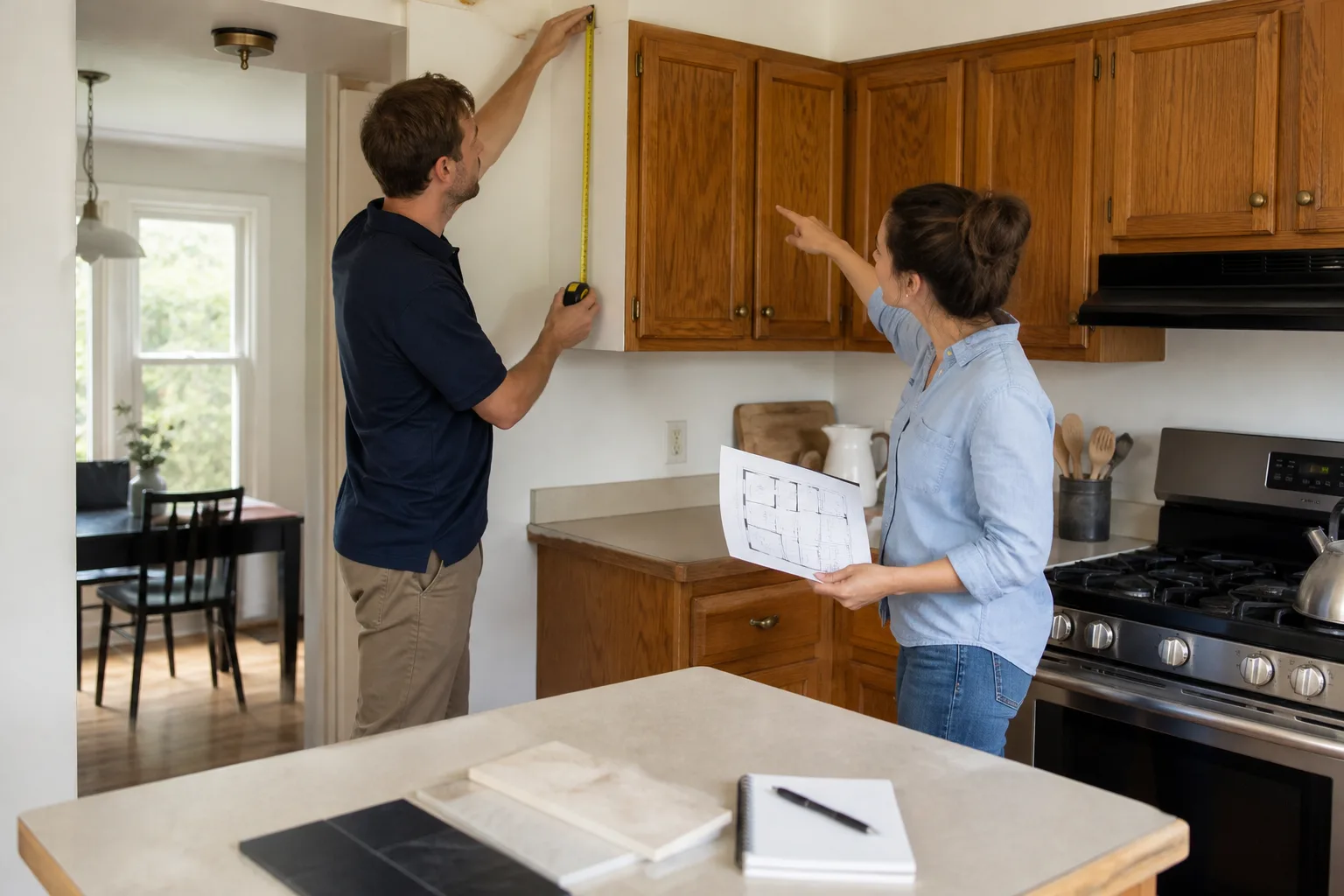
A contractor who goes quiet for four days mid-project isn’t busy – they’re on another job. That silence is the single most reliable early warning of a kitchen remodel that will run long, blow the budget, or both. Most horror stories start the same way: a homeowner noticed something off in week two and talked themselves out of acting on it. This guide names the specific, observable signals – not vague gut-feel advice – so you can catch a bad project before it costs you. We’re Sawyer Remodeling Whitney, and we’ve watched these patterns play out across Whitney kitchens for long enough to spot them early.
Quick Answer
The biggest kitchen remodeling warning signs are a contract with no line-item pricing, a contractor who stops communicating for days at a time, vague scope language like “standard install,” and mid-demo “surprise” discoveries that show up without photos or a written change order. Any one of these is worth a hard conversation. Two or more together is a reason to slow down before you hand over another deposit.
Styles & brands we work with
- Kitchen remodeling
- Bathroom remodeling
- Home additions & ADU
- Roofing
- Windows & doors
- Driveway & pavers
- Fence
Table of Contents
- Normal Construction Chaos vs. a Stalled or Skipped Job
- Contract Red Flags: No Line-Item Pricing, Vague Scope, No Change-Order Process
- Communication Patterns That Predict a Problem Contractor
- Mid-Demo Discoveries: Legitimate vs. Bill-Inflating
- Schedule and Timeline Warning Signs
- How to Document and Escalate If You’re Already Mid-Project
- Material Substitutions and the Mystery-Supplier Problem
Normal Construction Chaos vs. a Stalled or Skipped Job
Every kitchen remodel looks chaotic in the middle. Cabinet boxes stacked in the living room, dust on everything, a fridge plugged into an extension cord in the hallway. That’s normal. What separates normal chaos from a job that’s actually stalled is movement – visible, daily, measurable progress. When work has genuinely stalled, you see the same half-finished wall for a week and nobody’s tools have moved.
Here’s how to tell the difference on a day-to-day basis:
- Normal: Tools and materials change location daily. Demo debris gets hauled out on a schedule. You see a different trade on-site or expected each day.
- Stalled: The same pile of boxes sits untouched for five days. No one shows up, or one person shows up and mostly stands around. The dumpster fills up and then stops being emptied.
- Skipped: Work that should happen in a sequence gets rushed or bypassed – tile set without a waterproofed substrate, cabinets hung before the wall is plumb, drywall closed up before an inspection you never saw scheduled.
In Whitney, we see a specific stall pattern in summer: crews stop showing up when temperatures push past 105°F, and the homeowner never gets told why. Heat is a legitimate reason to shift hours, but it’s not a legitimate reason to go dark for a week. A contractor who’s actually working the job tells you the crew is starting at 5 a.m. instead of 7. Silence during a heat wave in Whitney is a signal, not an excuse.
Contract Red Flags: No Line-Item Pricing, Vague Scope, No Change-Order Process
The contract is where most bad remodels are already decided, before the first hammer swings. Three specific things to check before you sign:
- Line-item pricing. You should see a dollar figure next to each major scope item – demo, cabinetry, countertops, electrical, plumbing, tile, labor. A single lump-sum number with no breakdown means you can’t tell whether you’re getting quality materials or the contractor is padding the labor line. On a Whitney kitchen, a lump sum of $45,000 could represent $25,000 of cabinets or $12,000 of cabinets – you can’t know from the number alone.
- Specific scope language. “Standard install” and “premium finish” are not scope. “KraftMaid Wellborn maple cabinets, shaker door, soft-close hinges, delivered and installed” is scope. If the contract uses vague adjectives instead of product names and quantities, expect the interpretation to favor the contractor when work starts.
- A written change-order process. Look for a specific clause that says every change to scope or price requires a signed written change order before work proceeds. If the contract is silent on change orders, you’ve handed over open-ended billing authority. Every change should carry a fixed price – not a “we’ll figure it out later.”
Ask yourself one question when reading a Whitney-area kitchen contract: could a stranger read this and know exactly what they’re getting for the price? If not, the contract is doing the wrong job. That’s exactly why we put the written price in your hands before a single tool is picked up – you should be able to compare the number on the quote to the number on the invoice and find them identical.
If you’re not sure whether a contract is set up correctly, it helps to have an experienced read on it before you sign. Our team at General Contractor in Whitney will walk you through what a well-built kitchen contract looks like.
Communication Patterns That Predict a Problem Contractor
Response time is the clearest forecast of what a project will be like. Here are the benchmarks worth knowing, based on how we run jobs and what we hear from homeowners who’ve been burned:
- Pre-contract, normal: Response within one business day, often same day. If they’re too busy to respond to a serious inquiry, they’ll be too busy to answer you mid-project.
- Pre-contract, warning sign: Two-day gaps during the bidding process. They’re either disorganized or overcommitted – neither gets better after you pay.
- Mid-project, normal: A check-in at least two or three times per week, plus photo updates before and after each phase. You don’t have to chase updates.
- Mid-project, warning sign: Four-plus days of silence without a heads-up. A working contractor’s crew is on-site most days; the contractor knows what’s happening and can tell you in two sentences.
- Serious warning: Texts that go unanswered for a week, then a vague reply, then silence again. This is the pattern of a contractor juggling too many jobs or losing interest in yours.
Silence means something specific in this trade: your job dropped on the priority list. A crew that’s actively working your kitchen doesn’t disappear for a week for legitimate reasons without telling you. When you’re pushing toward a finished kitchen in a Whitney home, you need to know who is coming, when they’ll arrive, and what stage they’re on – every day, not just when you ask. That’s the standard The Relay Standard holds every project to: a live arrival time, photo updates, and a written price, confirmed before work begins.
Mid-Demo Discoveries: Legitimate vs. Bill-Inflating
Nearly every kitchen remodel uncovers something the original bid couldn’t see: a hidden pipe, a floor joist that needs sistering, an old outlet box with no ground. Some discoveries are real and worth paying for. Others are manufactured to inflate the final bill. Here’s how to tell them apart:
Legitimate discoveries:
- Anything that could only be found after demo – a rotted subfloor under the vinyl, a water line feeding a fridge that was hidden behind cabinetry.
- An issue that requires a permit or inspection, like discovering the kitchen’s electrical panel needs an upgrade to support new appliance loads.
- Anything documented with photos taken before the work is repaired, with a written change order showing the added cost and reason.
Bill-inflating discoveries:
- “We found some issues” with no photos and no specific line item.
- A surprise cost that appears on the invoice but was never approved in writing mid-project.
- “Needed to redo the plumbing” without a prior conversation – that’s a change order, not a surprise.
We’ve seen this play out in Whitney kitchens built in the 1990s, where a wall removal usually uncovers electrical work that predates current code. That’s a legitimate discovery and it deserves a written change order – not an invoice surprise three weeks later. If you’re mid-demo and you’re told something needs fixing, ask for the photo before you approve the price. Legitimate contractors expect that question and aren’t offended by it.
Schedule and Timeline Warning Signs
Every kitchen remodel hits a bump. The sign you’re watching for isn’t a single delay – it’s whether the contractor adjusts the timeline honestly or pretends everything is on track while nothing moves.
Here’s the sequence that usually signals a real schedule problem:
- The contractor misses the first framing date by 5 days and doesn’t mention it until you ask.
- Then they miss the cabinet delivery window and blame the supplier. Ask which supplier – a real answer names the vendor (KraftMaid, Wellborn, etc.) and gives a delivery date.
- Then the countertop templating appointment gets delayed twice with no explanation. Countertop work is a scheduling keystone – if it slips, the rest of the finish work slips with it.
- Then the final punch list stretches past the contract date without a written revised completion date.
Any one of those is normal. All four in sequence means you’re on a schedule that’s failed at every stage. If the contractor never spontaneously updates the promised completion date, assume the original date is already fiction. In the Whitney market, where permit timelines and inspection scheduling can add genuine days, a contractor who tells you “we’re two days behind but back on track Thursday” is doing the right thing. A contractor who goes quiet and lets the calendar slide without a word is not.
How to Document and Escalate If You’re Already Mid-Project
If the warning signs are already showing and you’re mid-project, the goal is to protect the record and force clarity. Here’s the sequence worth following:
- Start a written log today. Date, time, who showed up, what was worked on, what wasn’t. A dated log of who was on-site is your best evidence if the dispute escalates.
- Move all communication into writing. Email or text, not phone calls. “As we discussed on the phone” doesn’t hold up as well as a written record. Follow up any contested phone call with a summary email the same day.
- Request the current written change order for anything in dispute. No work proceeds on an unapproved verbal change. If they’ve asked you to trust them on a price adjustment, don’t – demand the written change order before work continues.
- Request one status document – photos and a completion forecast, in writing. This is the single highest-leverage ask. A real contractor sends photos the same day. A contractor with nothing to hide doesn’t hide from the ask.
- Stop new payments until the open items are resolved. Never release a final draw on verbal promises. In Nevada, your final payment release is your leverage – hold it until the punch list is done and the permits are signed off.
- If work has truly stopped, invoke the contract’s written guarantee clause in writing. If the contract promises completion and the project is stalled without cause, put that in a letter with the contract clause cited.
Documentation is also why every written guarantee matters – a 365-Day Done Right Promise is only as strong as the paper it’s on. If your current contractor won’t put their guarantee in writing, that’s already the answer to whether they’ll honor it later.
Material Substitutions and the Mystery-Supplier Problem
Watch what shows up in your kitchen versus what you selected. Material substitutions are one of the quietest ways a budget gets stretched – and the hardest to catch once the boxes are unpacked.
- Check the labels on cabinet boxes when they arrive. If you specified KraftMaid and the box says something else, that’s not a delivery mix-up – that’s a substitution you’ll pay for in resale value.
- Countertop slabs are the most common switch. Confirm your slab before it’s cut, not after the template. A Cambria or Silestone slab looks different from a generic quartz once it’s installed, and the difference is nearly impossible to prove afterward.
- Fixtures are the easiest substitution to miss. A Kohler faucet and an unbranded one look similar in the box. Open the box and confirm the label.
- Exterior components in Whitney are worth double-checking. If your project touches a window or door opening, the exterior seal and flashing system matter in a desert climate. Window systems from brands like PGT or CWS have specific installation requirements in Whitney’s heat, and a generic frame that seals poorly leads to water intrusion with the first monsoon.
When a contractor names their material sources up front, it’s not a sales pitch – it’s accountability. Sawyer Remodeling built its material roster around named manufacturers (Cambria, Silestone, and Caesarstone for surfaces; Kohler, Moen, and Grohe for fixtures; KraftMaid and Wellborn for cabinetry) precisely so that the material on the box matches the material on the contract.
If you’re planning a kitchen from scratch and want a contractor who starts with written pricing, our Kitchen Remodeling in Whitney page is the starting point. If your existing project has stalled and you’re considering a change, our Bathroom Remodeling in Whitney and Sawyer Remodeling Whitney home pages summarize how every project runs.
Common Mistakes to Avoid
- Paying a large deposit before the scope is itemized. A deposit is normal; a large deposit against a lump-sum number with no line-item breakdown leaves you with no leverage. In Whitney’s market, expect a defined deposit schedule tied to milestones.
- Accepting a verbal change order to “save time.” Verbal changes never save time – they create disputes. Every approved change needs a written change order before work continues.
- Ignoring a missed milestone because the contractor seems friendly. Nicknames and banter don’t finish a kitchen. The only trust signal is whether the milestone gets hit or a written revised date is provided.
- Not asking which supplier is behind the materials. Generic “quartz” or “premium cabinet” language in a Whitney kitchen means you’re paying for a brand you can’t verify. Ask for the color, brand, and SKU in the contract.
- Not pulling permits when they’re required. Whitney permits exist for your protection. If the contractor declines to pull a permit, that’s a strong signal the work will be done without inspection, and that can cost you on resale.
- Accepting a final walkthrough before punch items are closed. The punch list is your protection. Hold it open until every item is complete and the permits are signed off, then release the final draw.
- Assuming the guarantee exists because the website says so. It only matters if it’s in writing on your contract. A 365-Day Done Right Promise should be printed on the paperwork, not just mentioned in a conversation.
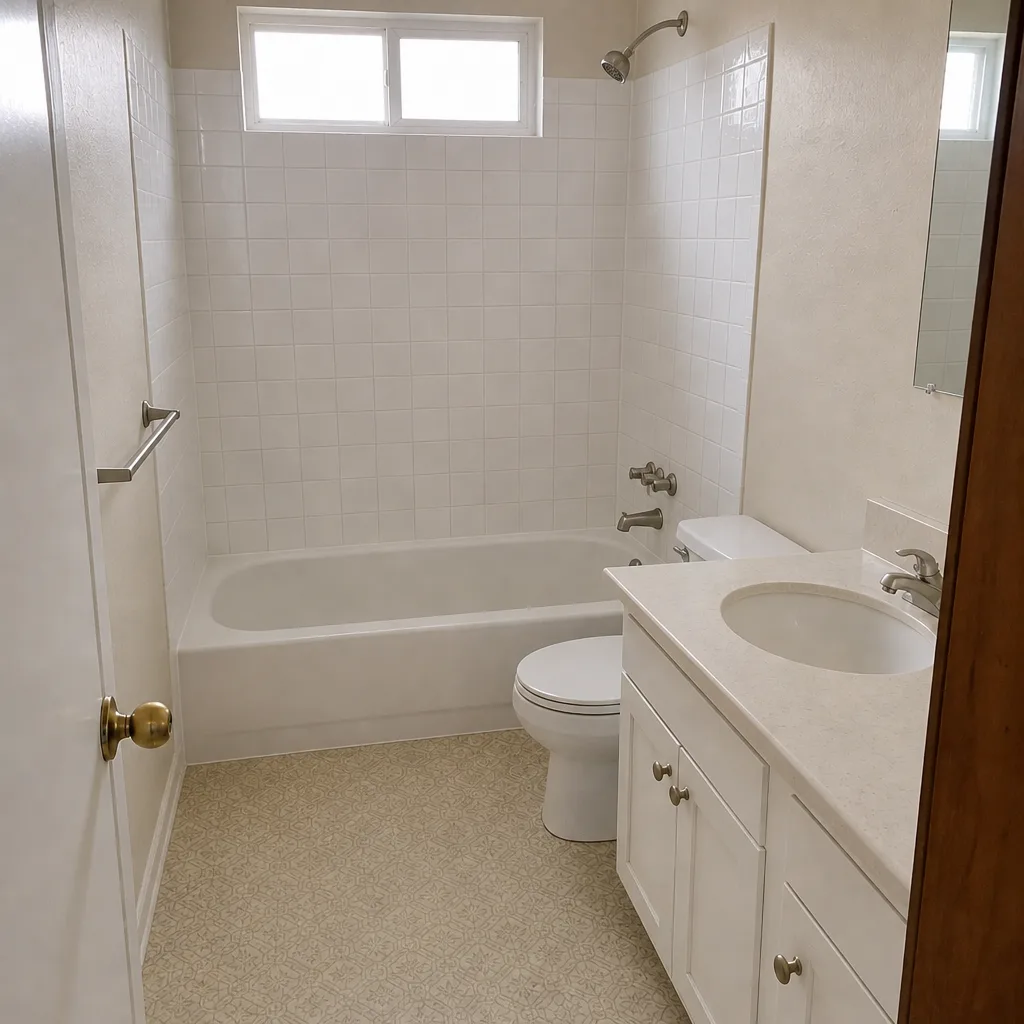
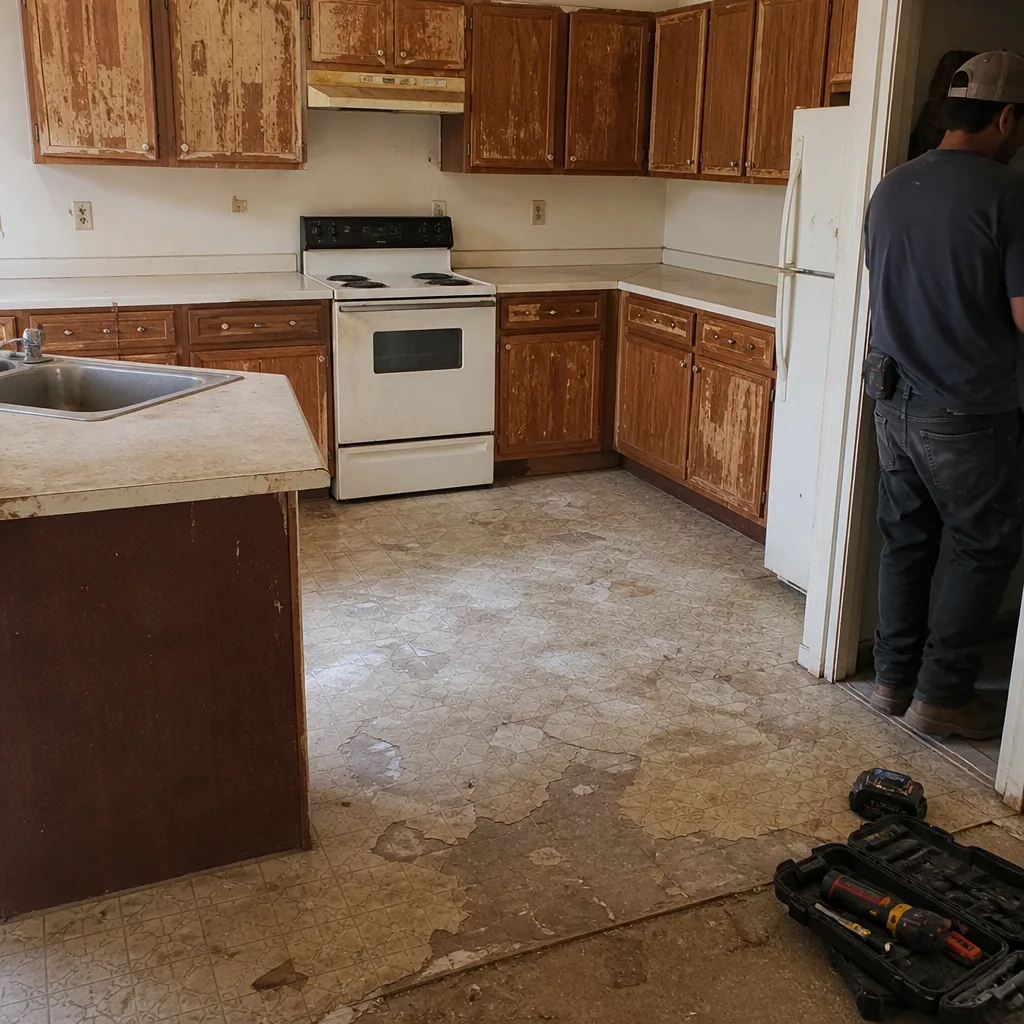
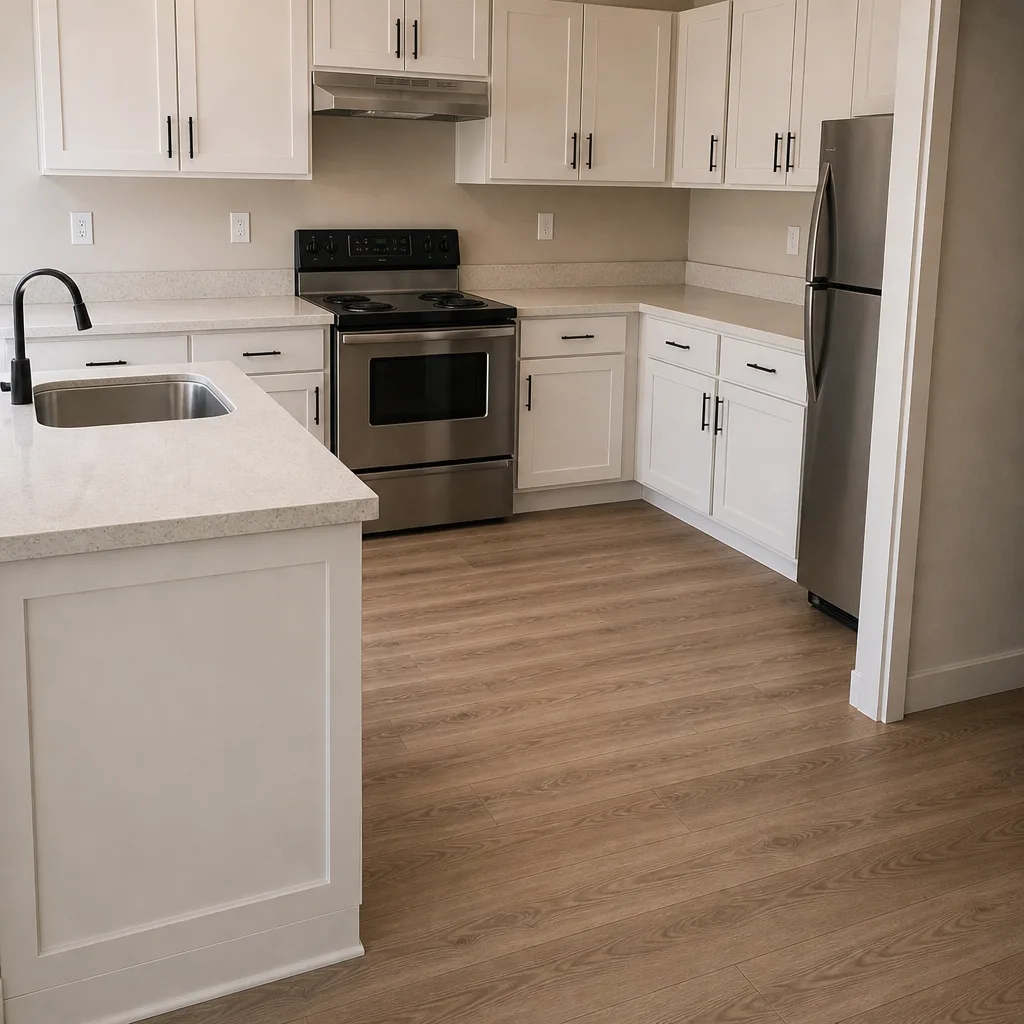
See the difference
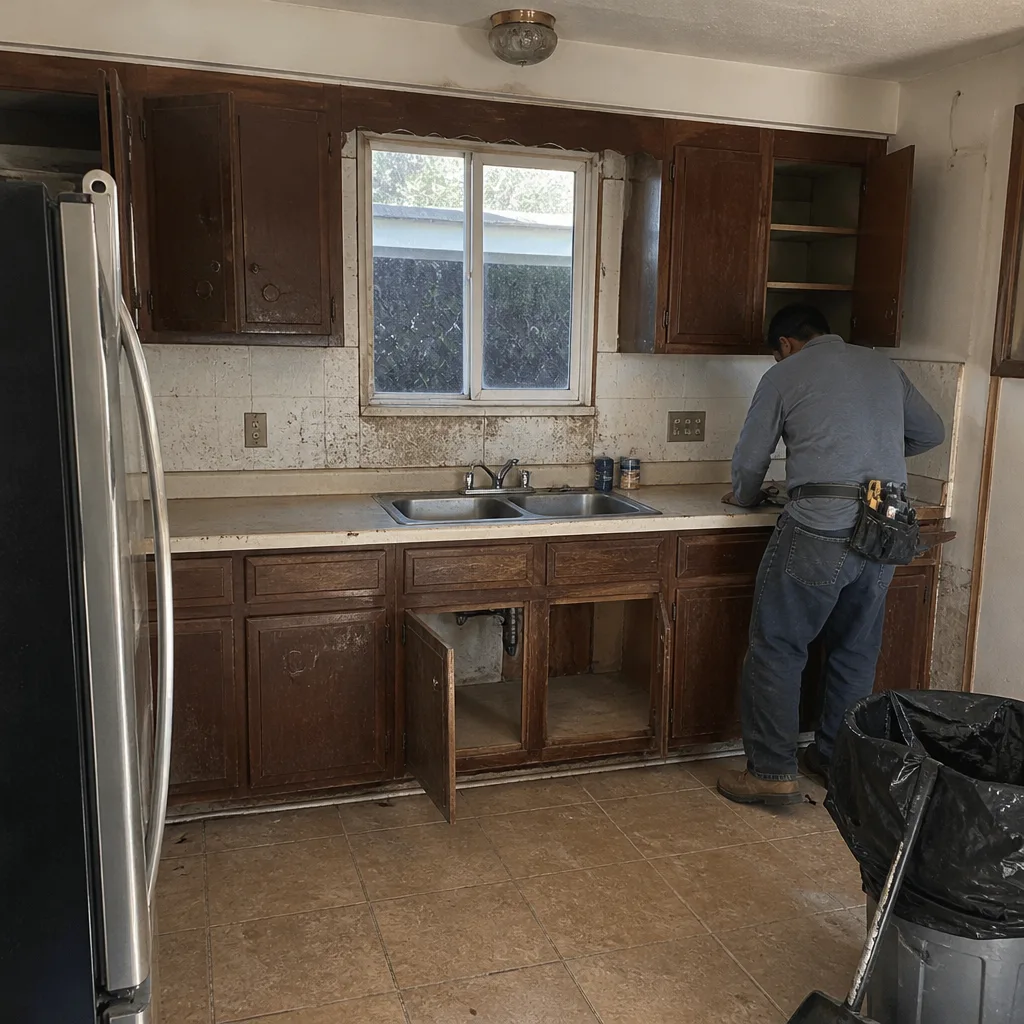 Before
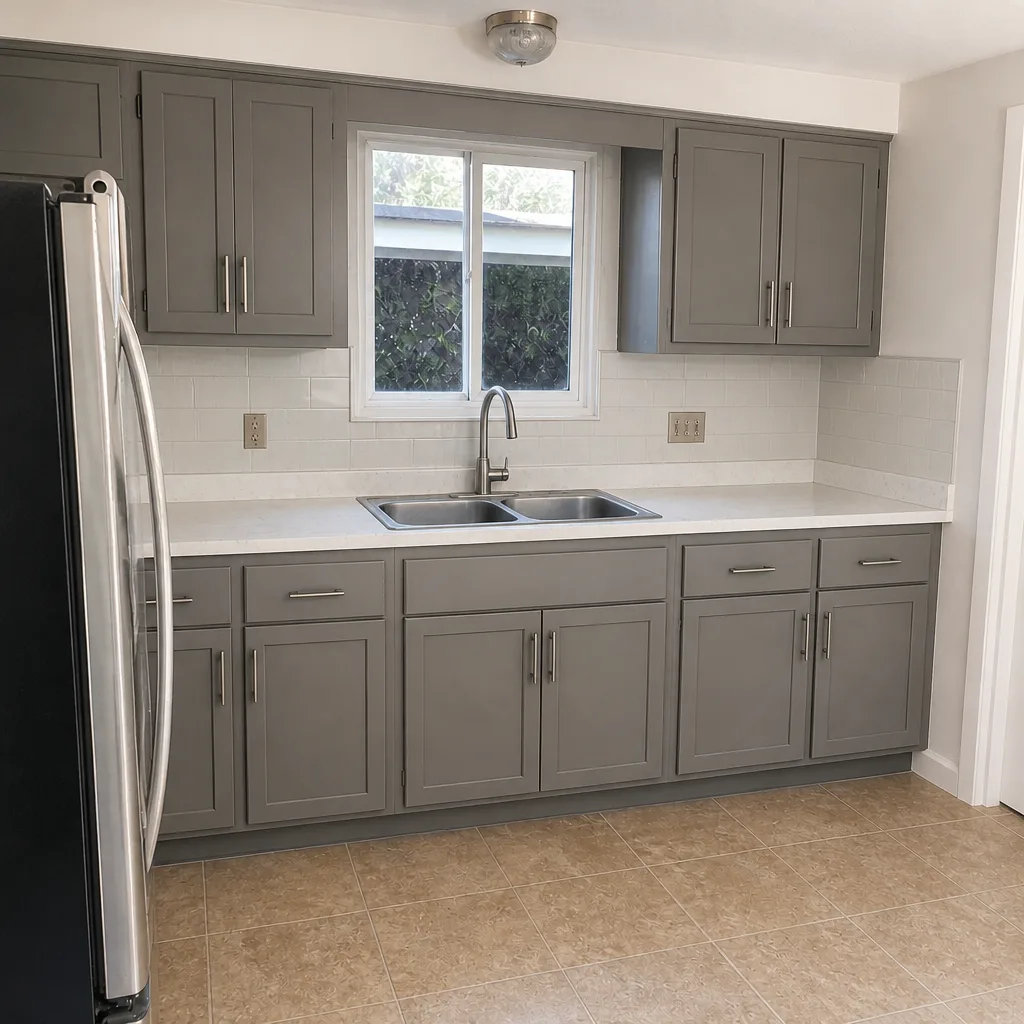 After
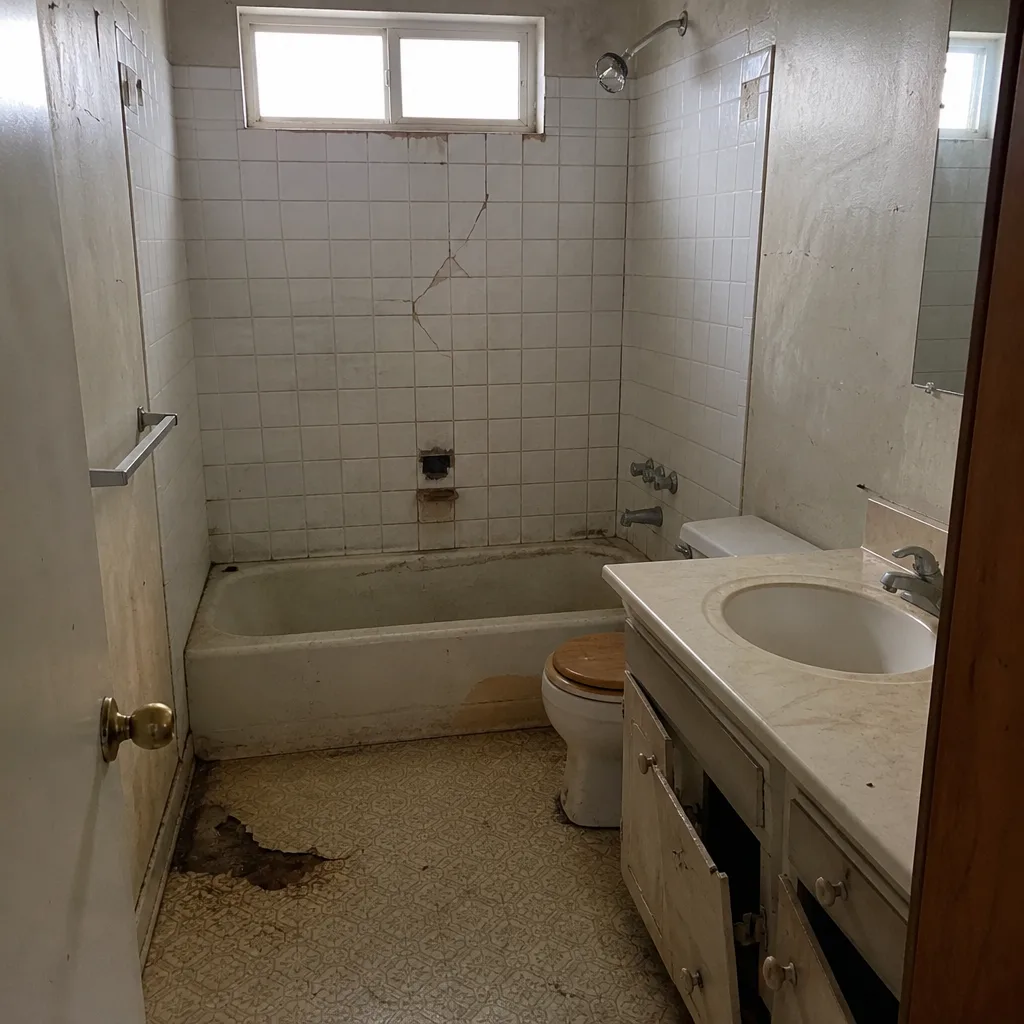 Before
 After
 Before
 After
When to Call a Professional
If your kitchen remodel is stalled, the contract was vague from the start, or you’re mid-demo and the surprises keep piling up, it’s worth a second set of eyes. We’ve walked Whitney homeowners through stalled projects, half-finished kitchens, and contractor swaps – and we can tell you within a 30-minute conversation whether you’re looking at normal construction friction or a project that needs to change course. Sawyer Remodeling Whitney offers free estimates in Whitney – call (833) 570-8789 to schedule yours. Every project we take on is governed by The Relay Visibility Guarantee: a written price before work starts, a live arrival time, and photo updates before and after each phase. We’re part of the Relay Home Co. family of independent local businesses, and each location is independently owned and operated.
Frequently Asked Questions

The top warning signs are no line-item pricing in the contract, vague scope language like “standard install,” no written change-order process, and communication that goes silent for four or more days mid-project. Any one is worth a hard conversation before you sign; two or more together is a reason to step back. Call (833) 570-8789 for a free estimate if you want a written, itemized quote to compare against what you’ve been given.
A legitimate mid-demo discovery always comes with a photo of the problem taken before repair and a written change order showing the added cost and reason. If the contractor can’t show you both, the cost is worth pushing back on. In Whitney, older homes often do have real surprises when a wall opens – that’s why a written change order process is critical. Call us at (833) 570-8789 for an honest second look at what you’re being charged for.
A Whitney kitchen contract should include line-item pricing for each major scope item, specific product names and quantities (not generic descriptions), a named change-order process, deposit and payment milestones, and a written guarantee clause. Permits should be specified as pulled by the contractor. If any of those are missing, the contract is not ready to sign. Call (833) 570-8789 to review what a well-built Whitney kitchen contract should look like.
Four-plus days of silence mid-project is a warning sign, not normal busyness. A contractor actively running your job is on-site most days and knows what’s happening; the silence usually means your project dropped in priority. Expect a check-in two to three times per week, with photos, as a normal baseline. Call (833) 570-8789 if your contractor has gone dark and you want a plan for what to do next.
A typical Whitney kitchen remodel lands somewhere in the range of $28,000 to $75,000 depending on square footage, cabinetry tier, and whether the project touches the layout or the plumbing. Cosmetic refreshes with mid-tier cabinets and quartz countertops sit toward the lower end; full layout changes with name-brand surfaces and premium fixtures push toward the upper end. Any written quote should break out where you’re landing in that range. Call (833) 570-8789 for a free line-item estimate – the number on the invoice should match the number you approved.
Yes, though it’s legally and practically complicated. The right sequence is: document everything in writing, stop new payments, secure your permits, and get a written second opinion on the remaining scope before releasing the current contractor. A fixed, itemized quote from a second contractor is often the leverage that unblocks the project or settles the dispute. Call (833) 570-8789 to talk through where things stand – we’ll tell you straight what we’re seeing.
The Bottom Line
Kitchen remodeling warning signs are almost never mysteries in hindsight. The bad contract, the silent contractor, the vague change order, the substitute cabinet box – the signals arrive early and in writing. What separates homeowners who get a finished kitchen from those who get months of stress is whether they act on those signals in the first two weeks. Insist on line-item pricing, a written change-order process, and communication that arrives before you ask for it. If your project is already sideways, document everything, hold your final payment, and get a written second opinion. At Sawyer Remodeling Whitney, every project runs on The Relay Visibility Guarantee – a written price before work starts, a live arrival time, and photo updates before and after each phase. Call (833) 570-8789 for a free estimate and put the warning signs to rest before you sign anything.
Written by the team at Sawyer Remodeling Whitney.