Last updated November 17, 2026






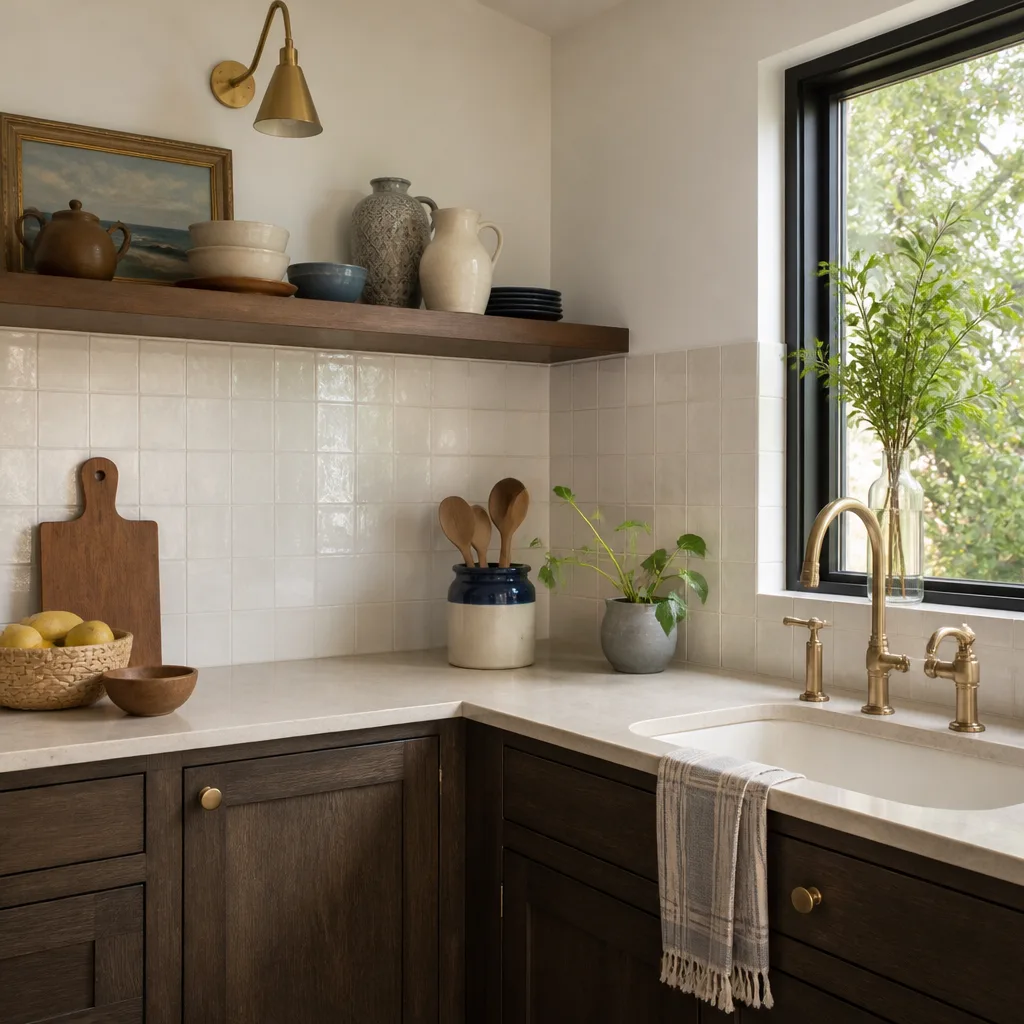
Free written scope consultation - allowances, timeline, and change-order rules on paper before a single trade is scheduled
Seasonal Construction Care for Whitney: Year-Round Homeowner’s Guide
Contractors in Whitney schedule exterior projects around a narrow window. Push a stucco patch or a paint job past mid-May and the heat starts working against you: sealants skin over before they bond, grout dries too fast and cracks, and paint flashes before it cures. Most homeowners find this out the hard way when their spring remodel slides to October. Whitney doesn’t run on four equal seasons. It runs on two real construction windows, spring and fall, with a summer that shuts down exterior work and a dry winter that quietly stresses the structure of your home. This guide lays out the construction calendar month by month and shows you what to inspect, when to schedule, and what to leave to a licensed crew.
Quick Answer
In Whitney, schedule exterior work like stucco repair, painting, roofing, and siding in March through early May or in October through November, when temperatures let materials cure correctly. Book interior remodels in the summer heat or the dry winter, and inspect caulk, stucco, and seals every fall before the low-humidity months crack them open. Plan six to ten weeks ahead, because the spring and fall windows are the busiest contractor seasons in Whitney.
Styles & brands we work with
- Kitchen remodeling
- Bathroom remodeling
- Home additions & ADU
- Roofing
- Windows & doors
- Driveway & pavers
- Fence
Table of Contents
- The Whitney Construction Calendar: What to Schedule When
- What Whitney’s Summer UV Peak Does to Stucco, Caulk, and Paint
- Fall Preparation: Dry Air, Cracking Drywall, and Desert Winterizing
- The Winter Moisture Paradox: Dry Outside, Condensation Inside
- Booking Around Contractor Availability in Whitney
- Interior Remodels That Work Year-Round
- Your Annual Inspection Checklist
The Whitney Construction Calendar: What to Schedule When
Materials behave according to temperature and humidity, and Whitney’s climate pushes those numbers to both extremes. Exterior sealants, paint, grout, and stucco all want mild, stable conditions to cure properly. When the mercury climbs past roughly 95°F, many of them cure too fast, which means weaker bonds and hairline cracks that show up weeks later. That’s why we tell homeowners that the calendar here is less about preference and more about chemistry.
Here’s the rough schedule we work from in Whitney:
- March to early May: the prime window for exterior paint, stucco repair, caulking, roofing, and siding. Temps are moderate and the air is stable enough for proper cure.
- Late May through September: summer heat peak. Exterior coatings and sealants are risky to apply, so this is the season for interior work, cabinetry, tile, and layout changes.
- October through November: the second exterior window. Ideal for paint touch-ups, exterior trim, and any stucco or caulk work you deferred in spring.
- December through February: dry and cool. Exterior work is possible but limited by shorter days and material minimums, and this is when interior moisture problems get caught if you’re watching for them.
If you’re mapping out a larger renovation, this calendar matters just as much for scheduling trades. A General Contractor in Whitney will build the calendar into the project plan from day one so exterior stages land inside the real windows and interior stages fill the gaps.
What Whitney’s Summer UV Peak Does to Stucco, Caulk, and Paint
Whitney summers are brutal on exterior surfaces. High UV exposure breaks down the elastomeric properties in caulk, fading it to a chalky finish and shrinking it away from joints. Paint on south- and west-facing walls takes the worst of it, chalking and thinning over a season or two. Stucco, which looks solid, expands and contracts daily through the temperature swing and develops hairline cracks where water can enter once the fall rains come (even light ones).
The key point: UV failure is progressive. It starts as a small crack or a chalky patch and becomes water intrusion only after a season or two of neglect. That’s why the annual exterior inspection in early fall, before the coat fails completely, is the cheapest line item on your maintenance list. Here’s what we check on Whitney homes:
- Caulk joints around windows and doors: press a fingernail in. If it’s brittle or pulls away, it needs fresh sealant.
- Stucco at corners and penetrations: hairline cracks wider than a credit card edge, or any crack that allows a probing tool to slide behind the surface, needs patching.
- Paint chalk test: rub a light cloth on the wall. If white powder transfers, the coating is breaking down.
- Window and door flashing: any separation from the wall is a water path.
- Roof penetrations: vent boots and pipe collars fail first in the sun, not the shingles.
When exterior window or door units are due for replacement, we often work with brands like ES Windows or ECO Window Systems because their products are built for high-UV, low-humidity climates like Whitney’s. Getting the unit and the flashing right in the same job prevents the exact water intrusion that a failing seal causes.
Fall Preparation: Dry Air, Cracking Drywall, and Desert Winterizing
Whitney doesn’t get much rain, and that’s exactly the problem. Dry winter air pulls moisture out of wood trim, drywall compound, and door frames. Joints open up. Baseboards separate from the wall. Drywall corners develop hairline cracks. It’s not a structural failure, but it’s the mechanism behind most of the “my walls are cracking” calls we get in January.
Desert winterizing looks different from what cold-climate homeowners expect. You’re not draining pipes for a freeze. You’re protecting against the dry-season effects. The fall checklist for a Whitney home includes:
- Walk the interior perimeter and inspect caulk and grout at floor/wall junctures and around fixtures. Re-caulk where gaps have opened.
- Check exterior caulk and paint on the south and west walls, which take the most UV and dry out fastest.
- Have the HVAC system serviced before the heating season begins. Poorly sealed ductwork and a struggling unit are the main drivers of winter condensation.
- Inspect attic insulation and vapor barriers. A gap in the barrier lets warm, moist interior air meet a cold surface and condense.
- Examine under-sink cabinets and around tubs for slow leaks that dry out in summer but reappear in winter when the moisture load shifts indoors.
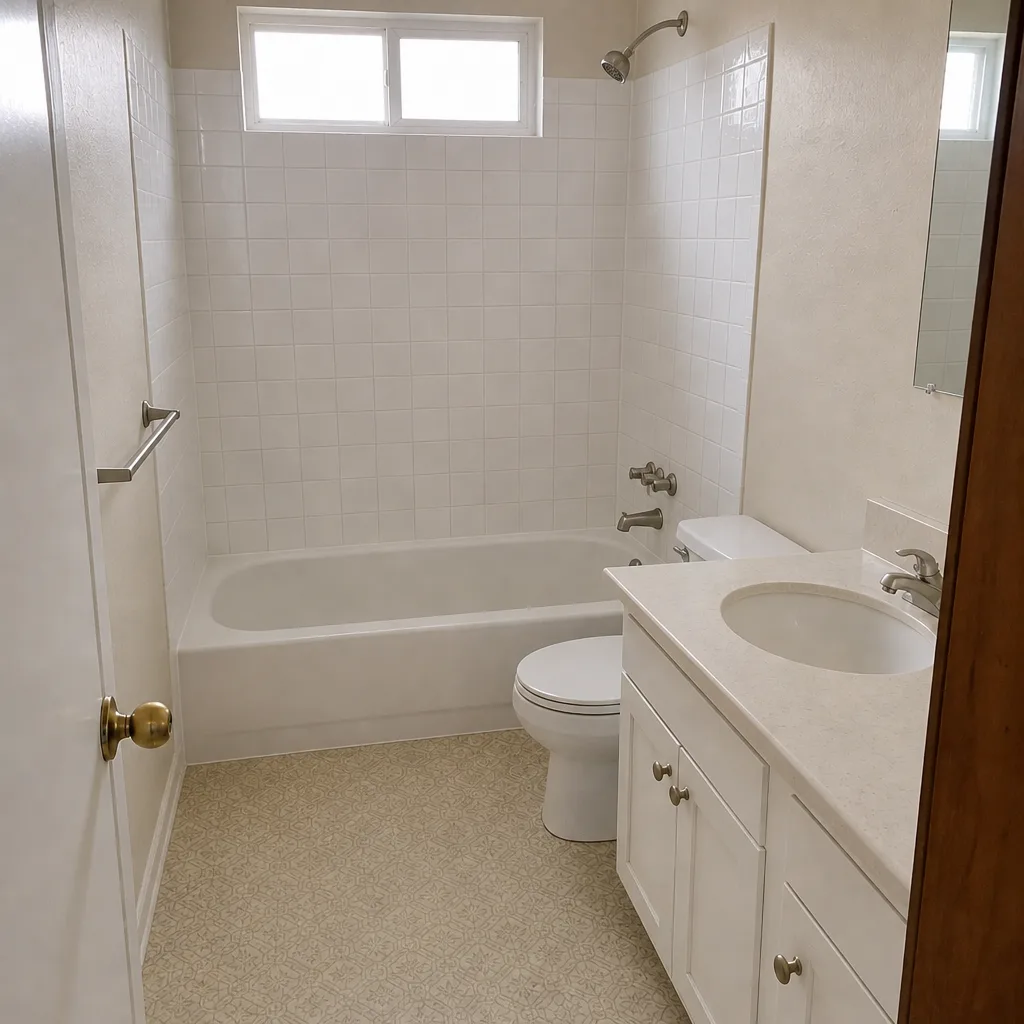
If a bathroom or kitchen reno is on your list, the fall window is also the right time to get design and materials decisions locked in. Kitchen and bath work can run through winter, and the Bathroom Remodeling in Whitney schedule fills up fast once the exterior season closes.
The Winter Moisture Paradox: Dry Outside, Condensation Inside
Here’s the counterintuitive part of a Whitney winter: the outside air is dry, but the inside of your home can be wetter than you think. Heating systems pull moisture from the air, but the act of heating, cooking, showering, and running laundry pushes water vapor into interior air. In a well-sealed home, that vapor has nowhere to go. It condenses on cold surfaces: single-pane windows, exterior wall sheathing, poorly insulated corners, and behind kitchen cabinets on uninsulated walls.
That condensation is where mold starts, especially in the poorly sealed cavities that builders often leave behind drywall. We see it in Whitney most often around bathroom exhaust fans that vent into the attic instead of the exterior, in laundry rooms without proper ventilation, and in closets built against exterior walls. The fix is usually mechanical (correct the exhaust or add ventilation) and it’s far cheaper than removing drywall to treat mold growth.
If you notice persistent window condensation, a musty smell in a closed room, or dark stains on drywall, have it checked before spring. A bathroom remodel is often the moment we correct decades-old ventilation shortcuts. When we redo a wet area, we make sure the exhaust fan actually terminates outdoors and the waterproofing is done right, so the winter condensation cycle stops at the source.
Booking Around Contractor Availability in Whitney
Because the exterior windows are narrow, they’re also crowded. Spring and fall are the peak demand seasons in Whitney, and lead times for a good contractor stretch six to ten weeks. If you call in late April hoping to paint the exterior before summer, you’re likely to hear October. That’s not a sales tactic. It’s simply that everyone in Whitney knows the same narrow calendar and calls at the same time.
Here’s how to work with the schedule instead of against it:
- Book exterior work in January or February. The best spring calendars lock in early, before the phones get busy.
- Book fall projects in August. Same logic, second window.
- For interior remodels, be flexible on the exact start. A two-week shift can mean getting on the schedule instead of waiting for a cancellation.
- Bundle exterior items into one job. If you need paint, caulk, stucco, and a door replacement, bundle them. One mobilization beats four separate waits.
We tell Whitney homeowners not to treat the six-to-ten-week lead time as a warning sign. It’s what a real schedule looks like when a contractor is doing the work in the right season. If you call and someone can start your exterior paint job next week in July, that’s a red flag about the cure conditions, not a sign of good availability.
Interior Remodels That Work Year-Round
Interior work doesn’t follow the same seasonal rules as exterior work. That’s the good news in Whitney: the summer and winter months, when exterior work is limited, are exactly when kitchens, bathrooms, and interior living space projects shine. Layout changes, cabinetry, tile, plumbing rough-in, and finish carpentry all happen in a controlled interior environment where the outdoor temperature barely matters.
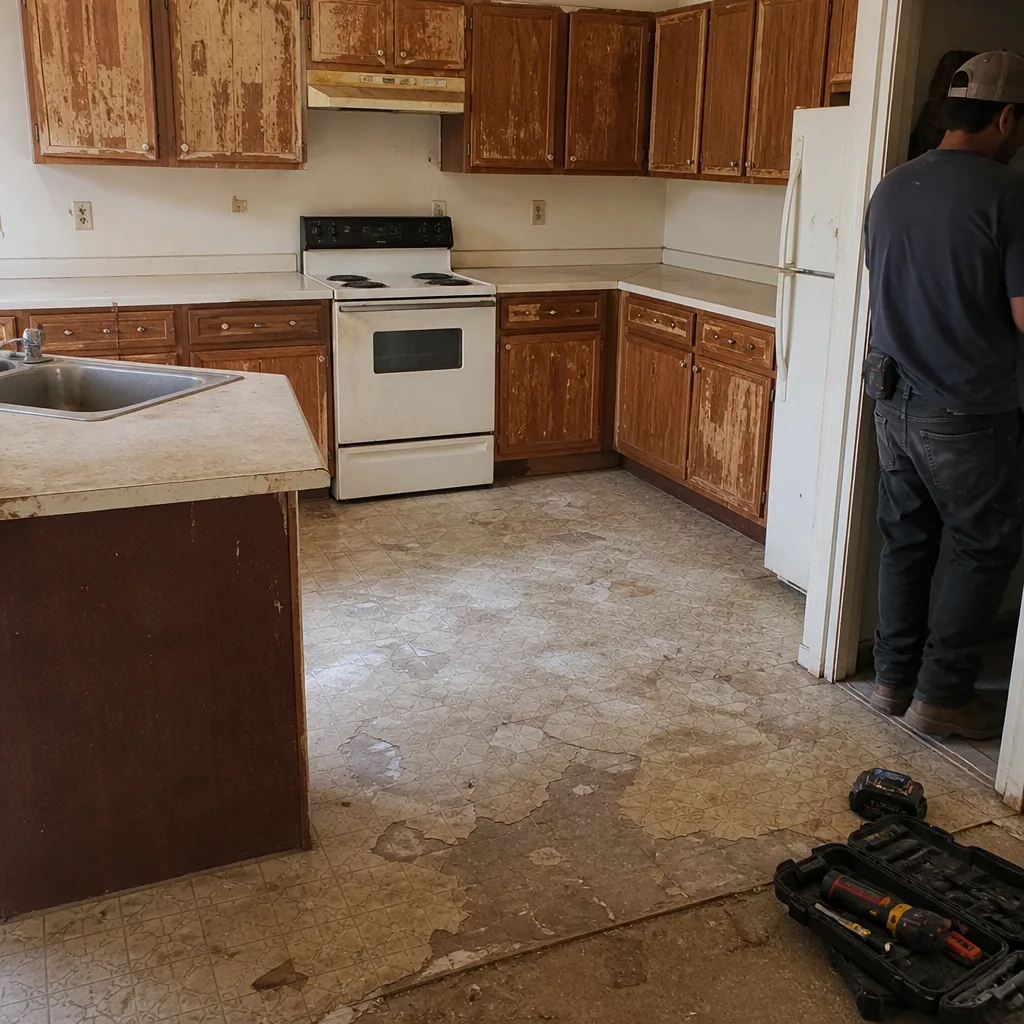
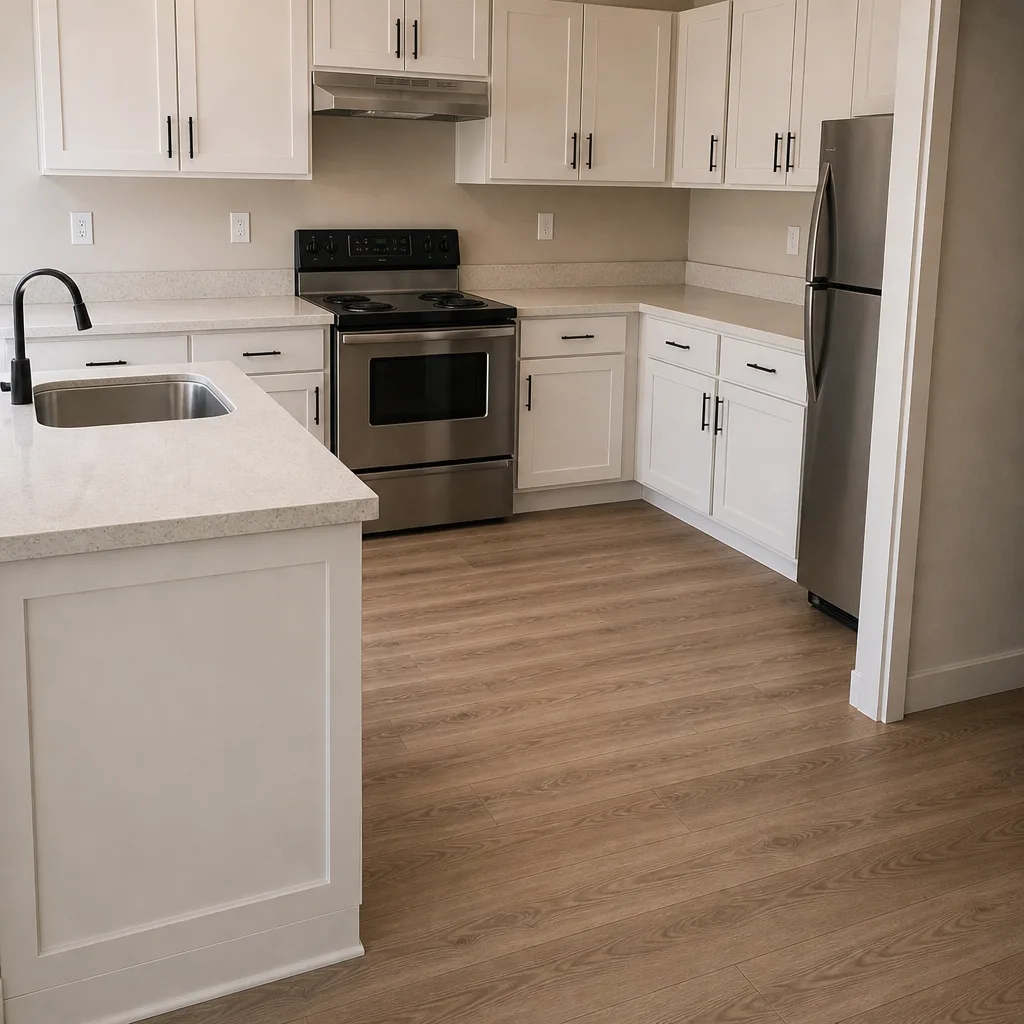
For a kitchen, we see Whitney homeowners get the most out of the July-through-September window: it’s hot outside, so being displaced from a kitchen is less painful than it would be in a mild month, and the crew isn’t fighting exterior cure schedules. If you’re planning a kitchen project, the Kitchen Remodeling in Whitney lead time is still real, so plan the design phase in spring and the construction phase in summer.
Bathrooms are similar. Winter construction in Whitney is a good fit because the house is closed up, the HVAC is running, and there’s no dust tracking in from an active outdoor job. Tile and grout cure well in a controlled space. Just make sure the ventilation gets addressed as part of the scope, since that’s the winter moisture issue we covered above.
For whole-home projects that touch both interior and exterior, the general contractor coordinates the sequencing so the exterior stages hit the spring or fall window and the interior stages fill the hot or cold months. That’s the pattern that keeps a project on schedule in Whitney instead of letting a summer exterior stage stall the whole build.
Your Annual Inspection Checklist
One walk-through a year, done in early fall, catches nearly every seasonal problem before it becomes expensive. Here’s the list we hand to Whitney homeowners. It’s a checking list, not a doing list. Anything on the exterior that involves a ladder, a roof, or opening a wall should go to a trained professional.
- Exterior caulk and sealant: windows, doors, corners, and utility penetrations. Re-caulk if brittle or separated.
- Stucco and paint condition: chalk test and hairline crack inspection, especially on south and west walls.
- Roof penetrations and flashing: vent boots, pipe collars, and the wall-to-roof transition.
- Window and door operation: check seals and weatherstripping while the units are still mild and easy to work with.
- Interior drywall and trim: look for new cracks at corners and along baseboards that opened during the dry summer.
- HVAC and ventilation: service the system, confirm exhaust fans vent outdoors, and check the attic for moisture staining.
- Under-sink and around-fixture leaks: slow drips that dry up in summer reappear in winter.
Two items on this list (the roof and the exterior wall penetrations) are genuinely not DIY tasks. A fall from a Whitney roof is a serious injury, and water intrusion found too late means opening up drywall. Have those inspected by a trained professional, and use the checklist to know what to ask about.
Common Mistakes to Avoid
- Scheduling exterior paint in June or July. The heat cures the coating too fast, which weakens adhesion and causes premature failure. Wait for the fall window or book early for spring.
- Ignoring hairline stucco cracks. In Whitney, a hairline crack looks harmless until the first winter moisture finds it. The crack is not the problem; the water path behind it is.
- Assuming a dry winter means no moisture problems. Indoor condensation is the winter issue here, not rain. Check exhaust fans and attic ventilation every fall.
- Skipping the fall caulk check. Dry air opens joints and the first cold snap makes them worse. The fall inspection catches it while the fix is a tube of sealant, not new trim.
- Calling in late spring for exterior work. The schedule is already full six to ten weeks out. Book in January or February for the best spring slots.
- Letting a small interior crack grow. Drywall cracks from seasonal movement are common in Whitney, but any crack that widens over a few weeks is worth a professional look, not a patch-and-paint.
- Treating the whole year as equally schedulable. Whitney has two real construction windows. Plan the project around them instead of fighting the calendar.
See the difference
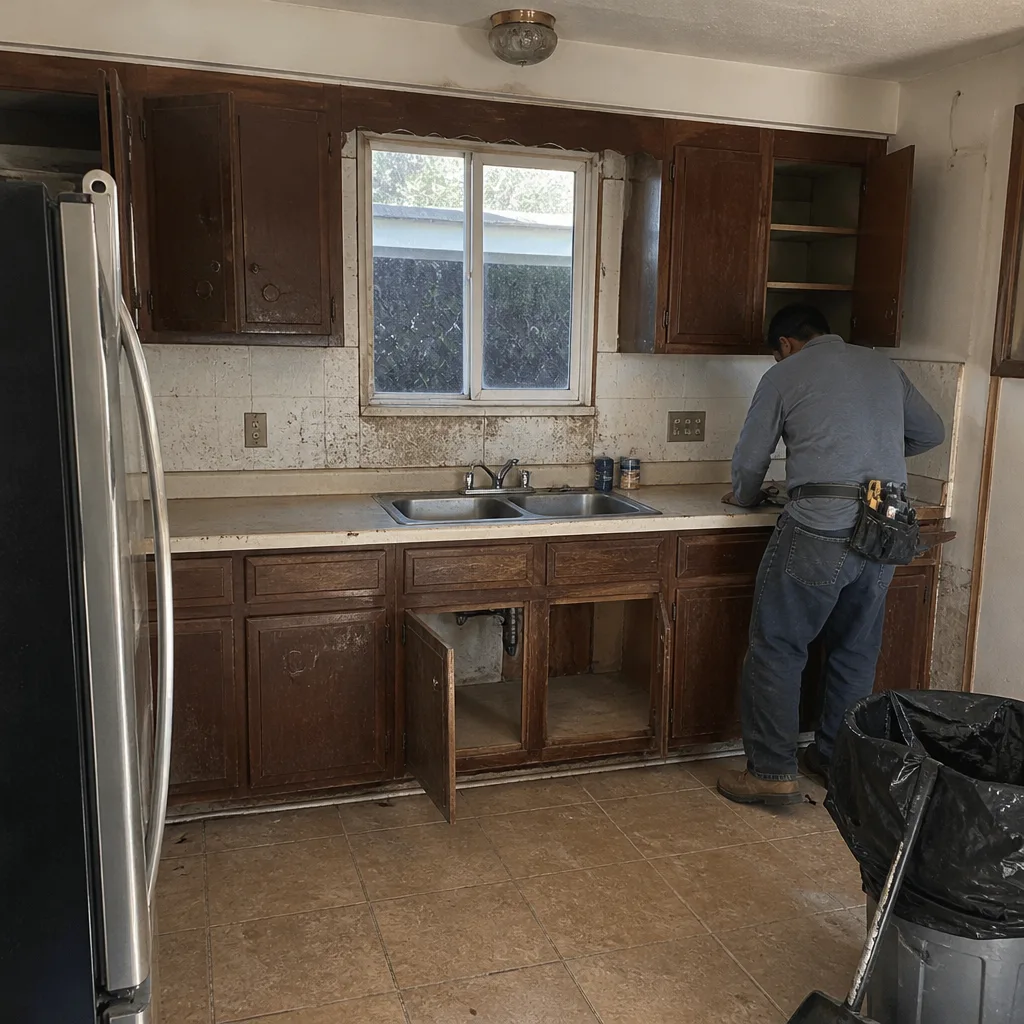 Before
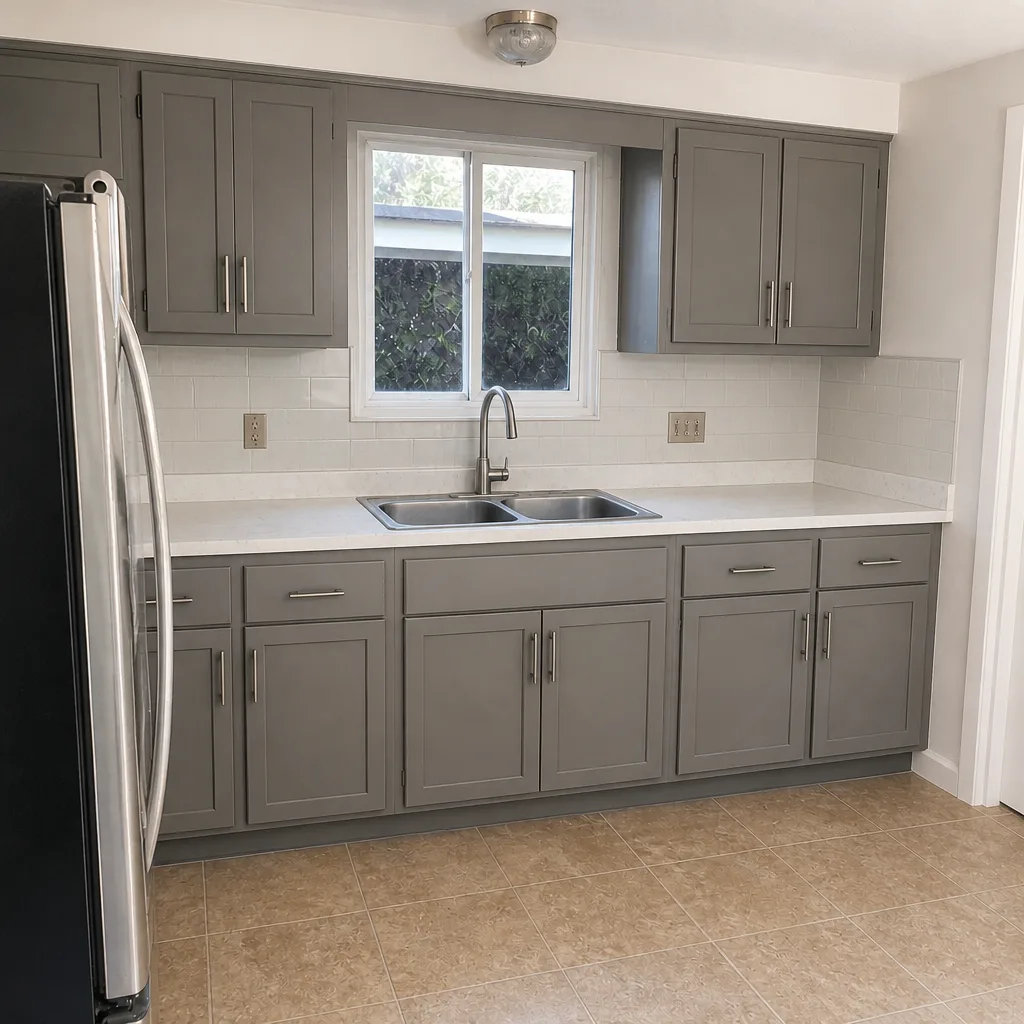 After
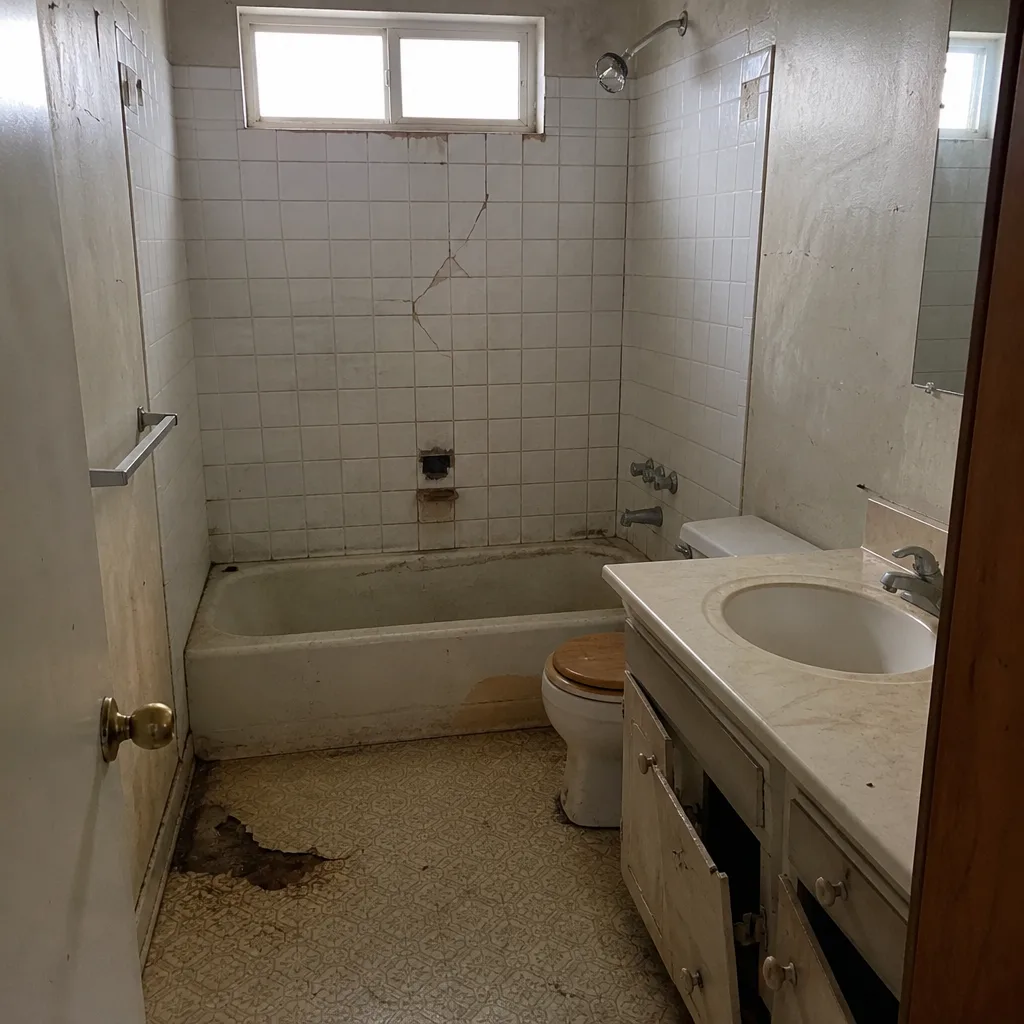 Before
 After
 Before
 After
When to Call a Professional
Bring in a professional when the work involves the roof, exterior wall penetrations, significant stucco repair, or anything that touches structural or waterproofing systems. Also call when you see recurring condensation, a musty smell in a closed room, or dark staining on drywall, because those point to a moisture problem worth diagnosing properly. If your exterior paint is chalking or your caulk is failing across multiple walls, that’s a full-scope job, not a weekend project. Sawyer Remodeling Whitney offers free estimates in Whitney – call (833) 570-8789. Our technicians have up to 21 years of experience, and every job comes with a written price before work starts.
Frequently Asked Questions

March through early May, or October through November. Temperatures in those windows let paint and sealant cure at the right rate instead of drying too fast in the summer heat. Call us to check the current schedule and lock a slot early, because spring and fall book six to ten weeks out.
Dry winter air pulls moisture out of wood framing, trim, and drywall compound, which shrinks slightly and opens hairline cracks at corners and joints. It’s usually cosmetic seasonal movement, not structural. If a crack widens over weeks or appears in a new spot, have it inspected.
Yes, but not for freeze protection. Desert winterizing in Whitney is about dry-air cracking, sealant maintenance, and controlling indoor condensation. The fall checklist covers caulk, grout, HVAC service, and attic ventilation, not pipe insulation.
Focus on ventilation. Confirm bathroom and laundry exhaust fans vent outdoors, not into the attic, and service the HVAC so it moves air properly. In a well-sealed house, indoor moisture has nowhere to go unless the ventilation systems are working.
Because those are the only reliable exterior construction windows in Whitney. Everyone needs the same narrow periods, so lead times stretch six to ten weeks. Booking in January for spring, and August for fall, is the simplest way to get on the schedule.
Caulk joints, stucco cracks on south and west walls, paint chalk, roof penetrations, and window flashing. That’s the annual inspection in one pass. Leave the roof and any wall-penetration work to a trained professional.
Yes, and summer is actually ideal for interior work in Whitney because exterior cure conditions don’t matter indoors. The HVAC runs, tile and grout cure in a controlled environment, and the crew isn’t fighting the heat. Plan the design phase in spring and build in summer.
The Bottom Line
Whitney runs on two real construction windows, spring and fall, with a summer that limits exterior work and a dry winter that stresses the structure in subtler ways. Schedule exterior paint, stucco, caulk, and roofing in March through May or October through November. Do interior remodels in summer and winter. Inspect caulk, stucco, and drywall every fall. Book six to ten weeks ahead because the peak windows fill fast. The homes that last in Whitney are not the ones with the biggest budgets. They’re the ones whose owners work with the calendar instead of against it.
If you’re ready to plan a project, start with a free estimate. Our technicians have up to 21 years of experience, every job gets a written price before work starts, and The Relay Visibility Guarantee means you know who is coming, when they arrive, and what it costs. Sawyer Remodeling Whitney home.
Call Sawyer Remodeling Whitney at (833) 570-8789 to schedule your free estimate for seasonal care, exterior repair, or a full remodel.
Written by the team at Sawyer Remodeling Whitney.